

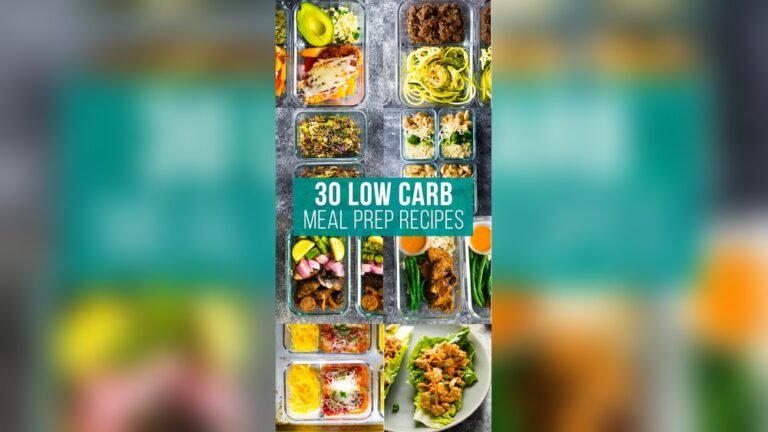
Are you tired of counting carbs but still want meals that keep you full and energized? Imagine enjoying tasty dishes that contain zero carbs—yes, zero!
These meals can help you stay on track with your health goals without feeling deprived. You’ll discover simple, delicious 0 carb meals that fit perfectly into your lifestyle. Ready to transform your eating habits and enjoy food that fuels your body?
Keep reading to find out how easy it can be.
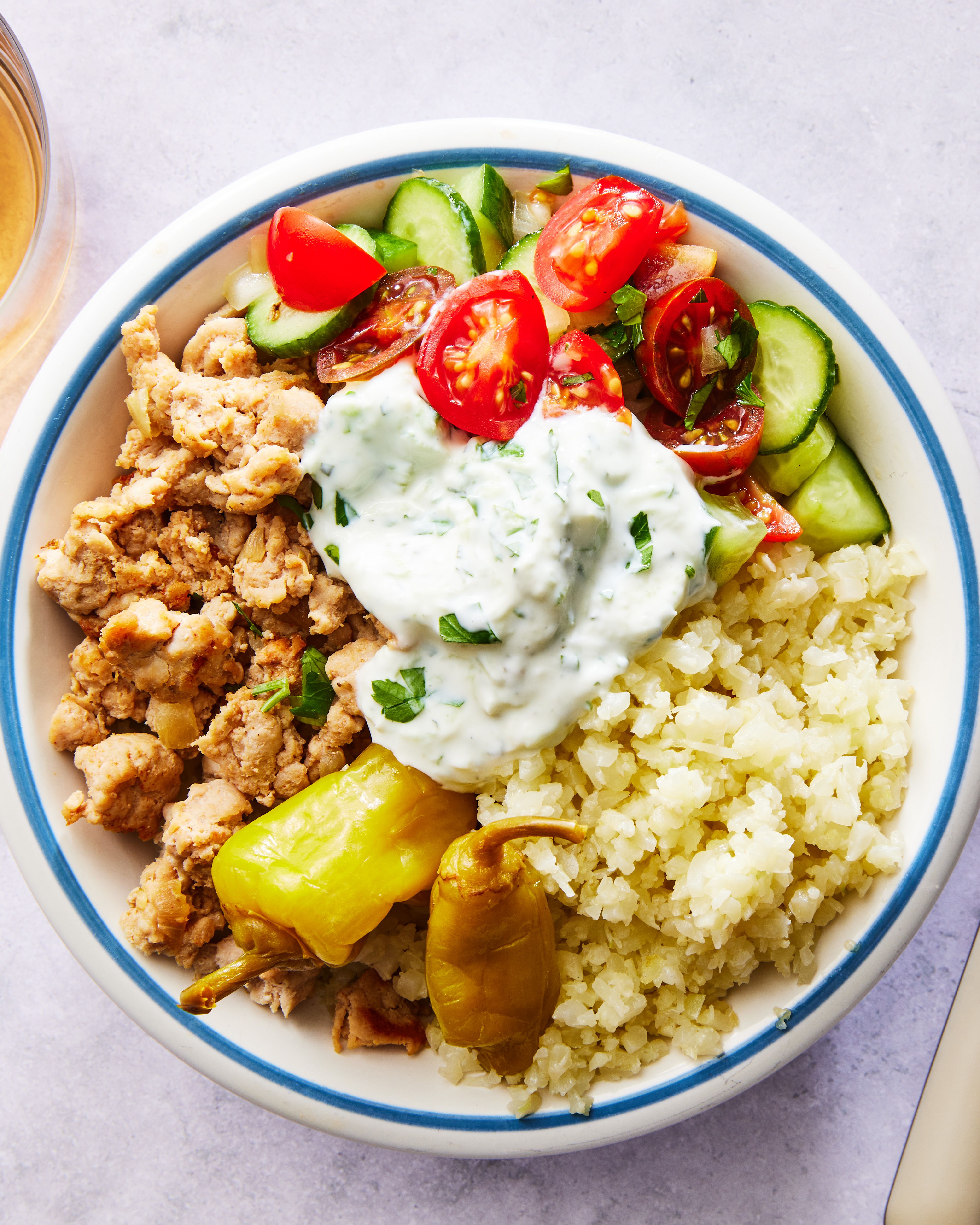
Credit: www.delish.com
Benefits Of Zero-carb Meals
Zero-carb meals offer unique health benefits that can improve daily life. Cutting out carbohydrates can help the body work more efficiently. Many people notice positive changes in weight, energy, and blood sugar levels.
Improved Weight Management
Zero-carb meals reduce calorie intake naturally. The body burns stored fat for energy instead of carbs. This process helps to lose weight without feeling hungry. It also supports maintaining a healthy weight over time.
Enhanced Energy Levels
Without carbs, the body uses fat for fuel. Fat provides a steady energy source all day long. This prevents energy crashes and keeps you alert. Many feel more focused and productive with zero-carb eating.
Blood Sugar Stabilization
Zero-carb meals help keep blood sugar steady. This reduces sudden spikes and drops in glucose levels. Stable blood sugar lowers the risk of diabetes complications. It also improves mood and reduces cravings for sweets.
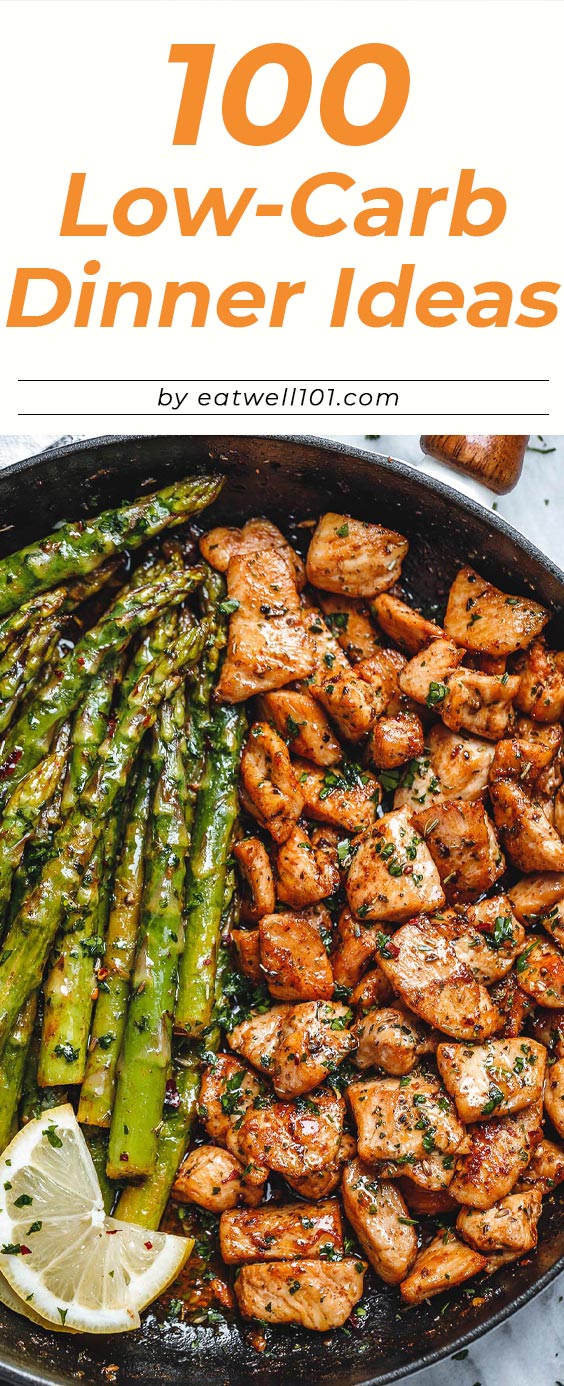
Credit: www.eatwell101.com
Common Ingredients In Zero-carb Cooking
Zero-carb cooking focuses on ingredients that contain no carbohydrates. These ingredients help keep your meals simple and support a carb-free diet. Understanding common zero-carb ingredients makes meal planning easier and more enjoyable.
Zero-carb meals mainly include protein, fats, and flavor enhancers. Each group plays a key role in creating tasty, satisfying dishes without carbs.
Protein Sources
Protein is the base of zero-carb meals. Meats like beef, pork, chicken, and turkey have no carbs. Fish and seafood, such as salmon, tuna, and shrimp, are also zero-carb options. Eggs provide high-quality protein without carbs. Organ meats, like liver and kidney, add variety and nutrients to your diet.
Fats And Oils
Fats and oils add flavor and keep you full longer. Butter and ghee are popular zero-carb fats. Olive oil offers a healthy option with no carbs. Animal fats, like lard and tallow, work well in cooking. Coconut oil brings a mild taste and zero carbs to meals.
Herbs And Spices
Herbs and spices make zero-carb meals tasty without adding carbs. Common choices include salt, pepper, garlic powder, and paprika. Fresh herbs like parsley, basil, and thyme add aroma and flavor. These small additions keep meals interesting and enjoyable.
Breakfast Ideas Without Carbs
Starting your day with zero-carb meals is simple and tasty. Breakfast without carbs helps control blood sugar and keeps you full longer. It also supports weight management and boosts energy. Here are some easy ideas to try tomorrow morning.
Egg-based Recipes
Eggs are perfect for zero-carb breakfasts. Scrambled eggs with butter or olive oil taste great. Try an omelet with spinach and cheese. Boiled eggs are quick and portable for busy mornings. Eggs provide protein and healthy fats to keep you satisfied.
Meat And Cheese Combos
Meat and cheese make a filling, zero-carb breakfast. Slices of ham or turkey paired with cheddar or mozzarella work well. Bacon or sausage adds flavor and protein. Roll cheese around deli meat for a simple snack. These combos need no cooking and save time.
Zero-carb Smoothies
Smoothies without carbs can be creamy and rich. Use unsweetened almond milk or coconut milk as a base. Add heavy cream or a spoon of peanut butter for texture. Flavor with vanilla extract or cinnamon. Blend with ice for a cold, refreshing start.
Lunch And Dinner Options
Choosing zero carb meals for lunch and dinner can be simple and tasty. These meals keep your carbs at zero while filling you up. Protein and healthy fats play a big role in these dishes.
Here are some great ideas for zero carb lunches and dinners. Each option offers variety and flavor without adding carbs.
Grilled Meats And Fish
Grilled meats like chicken, beef, and pork make perfect zero carb meals. Season with herbs and spices to add taste. Fish such as salmon, tuna, and trout are also great choices. Grilling keeps them juicy and flavorful. Serve with butter or olive oil for extra fat.
Low-carb Salads
Salads can be zero carb if made with the right ingredients. Use leafy greens like spinach and lettuce. Add proteins like boiled eggs, grilled chicken, or shrimp. Dress with olive oil, vinegar, or lemon juice. Avoid croutons, fruits, and sweet dressings to keep carbs low.
Soups And Stews
Soups and stews without starchy vegetables fit well into zero carb meals. Use broth, meat, and non-starchy vegetables like mushrooms and spinach. Slow cooking enhances flavor and tenderness. These dishes are warm and satisfying. Perfect for dinner or a hearty lunch.
Snacks And Appetizers
Snacks and appetizers with zero carbs make healthy eating simple and tasty. They keep hunger away between meals. These options fit well into low-carb or keto diets. Easy to prepare and carry, they suit busy days and social events.
Choose from nuts, cheese, or meat-based snacks to enjoy rich flavors without carbs. These options provide energy and satisfy cravings without spiking blood sugar.
Nuts And Seeds
Nuts and seeds offer a crunchy and filling snack. Almonds, walnuts, and pecans are low in carbs and high in healthy fats. Sunflower and pumpkin seeds add variety and nutrients. Eat them raw or roasted without added sugar or salt.
Cheese Plates
Cheese plates make elegant and easy appetizers. Hard cheeses like cheddar, gouda, and parmesan contain almost zero carbs. Soft cheeses like brie and cream cheese are also low in carbs. Pair with olives or cucumber slices for more flavor.
Meat Jerky And Dips
Meat jerky is a perfect protein-packed snack. Choose jerky without added sugars or preservatives. Beef, turkey, or pork jerky all work well. Serve with creamy dips like guacamole or sour cream. These dips add taste without carbs.
Meal Prep Tips For Zero-carb Eating
Preparing zero-carb meals ahead helps keep your diet on track. Planning meals saves time and reduces stress. It also helps avoid last-minute carb temptations. Simple steps make zero-carb meal prep easier and more effective.
Batch Cooking Strategies
Cook large amounts of zero-carb foods at once. Choose meats like chicken, beef, or fish for batch cooking. Use spices and herbs to add flavor without carbs. Divide cooked food into portions for quick meals. Freeze some portions to keep food fresh longer.
Storage And Reheating
Store zero-carb meals in airtight containers to maintain freshness. Label containers with the date to track storage time. Reheat food gently to keep texture and taste. Use microwave or stovetop with low heat for best results. Avoid overheating to prevent drying out your meals.
Time-saving Hacks
Use kitchen tools like slow cookers or pressure cookers. These reduce cooking time and effort. Prepare simple zero-carb snacks like boiled eggs in advance. Keep pre-cut vegetables ready for quick salads or sides. Clean as you cook to save time later.
Common Mistakes To Avoid
Eating zero carb meals can be tough. Many people make mistakes that slow their progress or cause frustration. Knowing what to avoid helps you stay on track and feel better. Here are common errors to watch for with zero carb eating.
Hidden Carbs In Ingredients
Many foods have carbs hiding inside. Sauces, dressings, and spices often contain sugar or starch. Check labels carefully. Avoid processed foods with added carbs. Natural ingredients like vegetables can also add carbs. Stick to meat, fish, and fats to keep carbs at zero.
Nutrient Imbalance
Zero carb meals can miss important vitamins and minerals. Without fruits and vegetables, you may lack fiber and antioxidants. This can cause tiredness or digestion problems. Include supplements if needed. Focus on eating a variety of meats and organ meats for better nutrition.
Overeating Protein
Eating too much protein can harm your progress. Your body may convert extra protein into sugar. This can raise blood sugar and insulin levels. Balance protein with healthy fats. Aim for moderate protein intake to stay in a zero carb state.
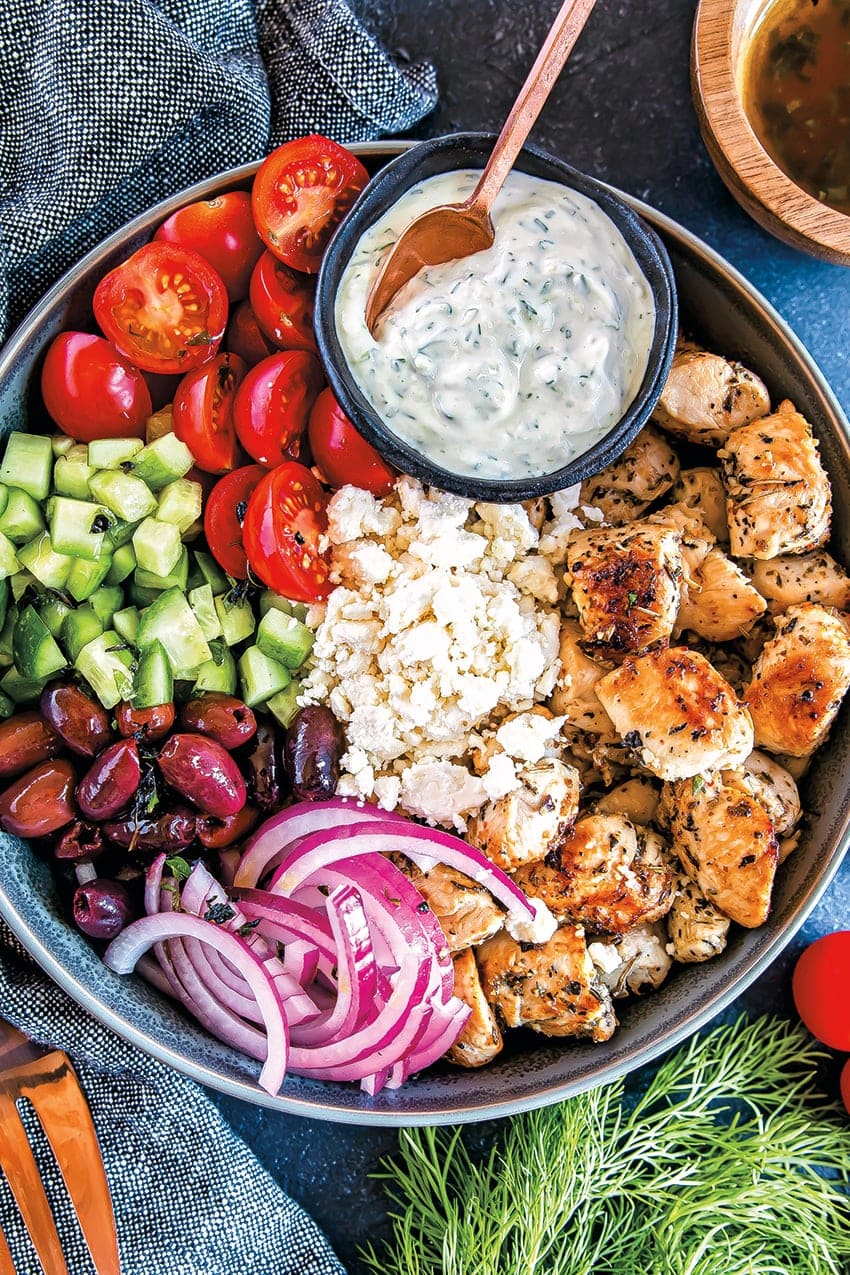
Credit: www.cookedandloved.com
Zero-carb Meal Plans
Zero-carb meal plans focus on foods with no carbohydrates. These meals mainly include meat, fish, eggs, and fats. They help reduce carb intake and support various health goals. Planning zero-carb meals can seem tough but becomes easier with a clear guide.
These plans remove sugars, starches, and fibers. The body uses fat for energy instead of carbs. This can help with weight control and blood sugar levels. A well-structured zero-carb plan keeps meals simple and tasty.
Weekly Sample Menu
Start your week with eggs and bacon for breakfast. Lunch can be grilled chicken with butter. Dinner might be salmon cooked in olive oil. Snacks include cheese or boiled eggs. Repeat similar meals with different meats. This keeps variety but stays zero-carb.
Customizing For Preferences
Choose meats you enjoy. Beef, pork, or turkey all fit well. Adjust cooking methods to your taste. Fry, grill, or bake your meals. Add herbs and spices for flavor. Avoid sauces with hidden carbs. Keep it simple and satisfying.
Adapting For Special Diets
Zero-carb plans suit keto and carnivore diets. For keto, include more fats like butter or cream. Carnivore diets focus only on animal products. Avoid plant-based foods entirely here. People with allergies can swap meats easily. Personal needs guide your zero-carb approach.
Conclusion
Zero carb meals help you eat healthy and feel full longer. They often include meat, fish, eggs, and some fats. These meals keep blood sugar steady and reduce cravings. Try different recipes to find what suits your taste. Eating zero carb does not mean missing out on flavor.
Keep meals simple and balanced for best results. Start small and see how your body reacts. This way, you can enjoy food and stay healthy every day.