


Are you looking to build muscle or lose weight? An 1800 calorie meal plan high in protein might be the perfect solution.
Protein is essential for muscle repair and growth. It also helps you feel full longer, which can aid in weight management. But planning a balanced, high-protein diet can be challenging. That’s why we’ve created this guide to an 1800 calorie meal plan.
This plan ensures you get enough protein without exceeding your calorie limit. In the following sections, you will find meal ideas and tips to help you stick to your plan. Ready to take the next step in your fitness journey? Let’s dive into the details of this high-protein meal plan.

Credit: www.macromiranda.com
Introduction To 1800 Calorie Meal Plan
Planning meals can be challenging. An 1800 calorie meal plan with high protein can help. This plan supports muscle growth and fat loss. It is perfect for those who want to stay fit.
Benefits Of A High Protein Diet
A high protein diet has many benefits. It helps build and repair muscles. It keeps you full longer, reducing hunger pangs. This can help in managing weight effectively.
Proteins are the building blocks of the body. They support immune function and overall health. Including more protein in your diet can improve energy levels. It can also enhance muscle strength and recovery.
Caloric Needs For Muscle Building And Fat Loss
Understanding your caloric needs is essential. For muscle building, you need a caloric surplus. This means eating more calories than you burn. For fat loss, a caloric deficit is required. This means eating fewer calories than you burn.
| Goal | Caloric Intake |
|---|---|
| Muscle Building | Surplus |
| Fat Loss | Deficit |
For an 1800 calorie plan, balance is key. Ensure you get enough protein, fats, and carbs. This helps in maintaining energy and supporting muscle growth.
Here is a quick guide:
- Protein: 30-35% of total calories
- Fats: 20-25% of total calories
- Carbs: 40-45% of total calories
This balance ensures your body gets all the nutrients it needs. It supports muscle growth and aids in fat loss.
Key Components Of The Meal Plan
Creating a balanced 1800 calorie high protein meal plan involves understanding its key components. These include protein sources, carbohydrate choices, and healthy fats. Each plays a vital role in maintaining your energy levels and supporting muscle growth.
Protein Sources
Protein is essential for muscle repair and growth. Here are some excellent sources:
- Chicken Breast: Lean and high in protein.
- Fish: Rich in omega-3 fatty acids.
- Eggs: Versatile and packed with nutrients.
- Greek Yogurt: High in protein and probiotics.
- Tofu: Great plant-based option.
Carbohydrate Choices
Carbohydrates provide energy for your body. Choose complex carbs for sustained energy:
- Brown Rice: Full of fiber and vitamins.
- Quinoa: High in protein and fiber.
- Sweet Potatoes: Rich in vitamins and minerals.
- Oats: Great for breakfast or snacks.
- Whole Grain Bread: Better than refined grains.
Healthy Fats
Healthy fats are crucial for brain function and hormone balance. Include these in your diet:
- Avocados: Packed with monounsaturated fats.
- Nuts and Seeds: Great source of omega-3s.
- Olive Oil: Ideal for cooking and salads.
- Fatty Fish: Salmon and mackerel are excellent choices.
- Chia Seeds: Rich in fiber and omega-3 fatty acids.
Sample Meal Plan
Creating a balanced 1800 calorie meal plan high in protein can help with weight management and muscle growth. Here is a sample meal plan to guide you through your day.
Breakfast Options
Start your day with a high-protein breakfast. Consider these options:
- Greek Yogurt Parfait: Mix Greek yogurt with berries and a sprinkle of granola.
- Omelette: Combine three egg whites, one whole egg, spinach, and mushrooms.
- Smoothie: Blend protein powder, almond milk, banana, and spinach.
Lunch Ideas
Keep your energy up with these protein-packed lunch ideas:
- Grilled Chicken Salad: Top mixed greens with grilled chicken, cherry tomatoes, and avocado.
- Turkey Wrap: Fill a whole-grain wrap with turkey slices, lettuce, and hummus.
- Quinoa Bowl: Combine quinoa, black beans, corn, and diced chicken.
Dinner Suggestions
End your day with a satisfying, high-protein dinner:
- Salmon and Veggies: Bake salmon with a side of roasted broccoli and sweet potatoes.
- Beef Stir-Fry: Cook lean beef strips with bell peppers, snap peas, and soy sauce.
- Lentil Soup: Simmer lentils with carrots, celery, and onions for a hearty meal.
Snack Choices
Stay full between meals with these healthy snacks:
- Protein Bars: Choose a bar with at least 15 grams of protein.
- Nuts and Seeds: A handful of almonds or pumpkin seeds can be very filling.
- Cottage Cheese: Top with sliced strawberries for a tasty treat.
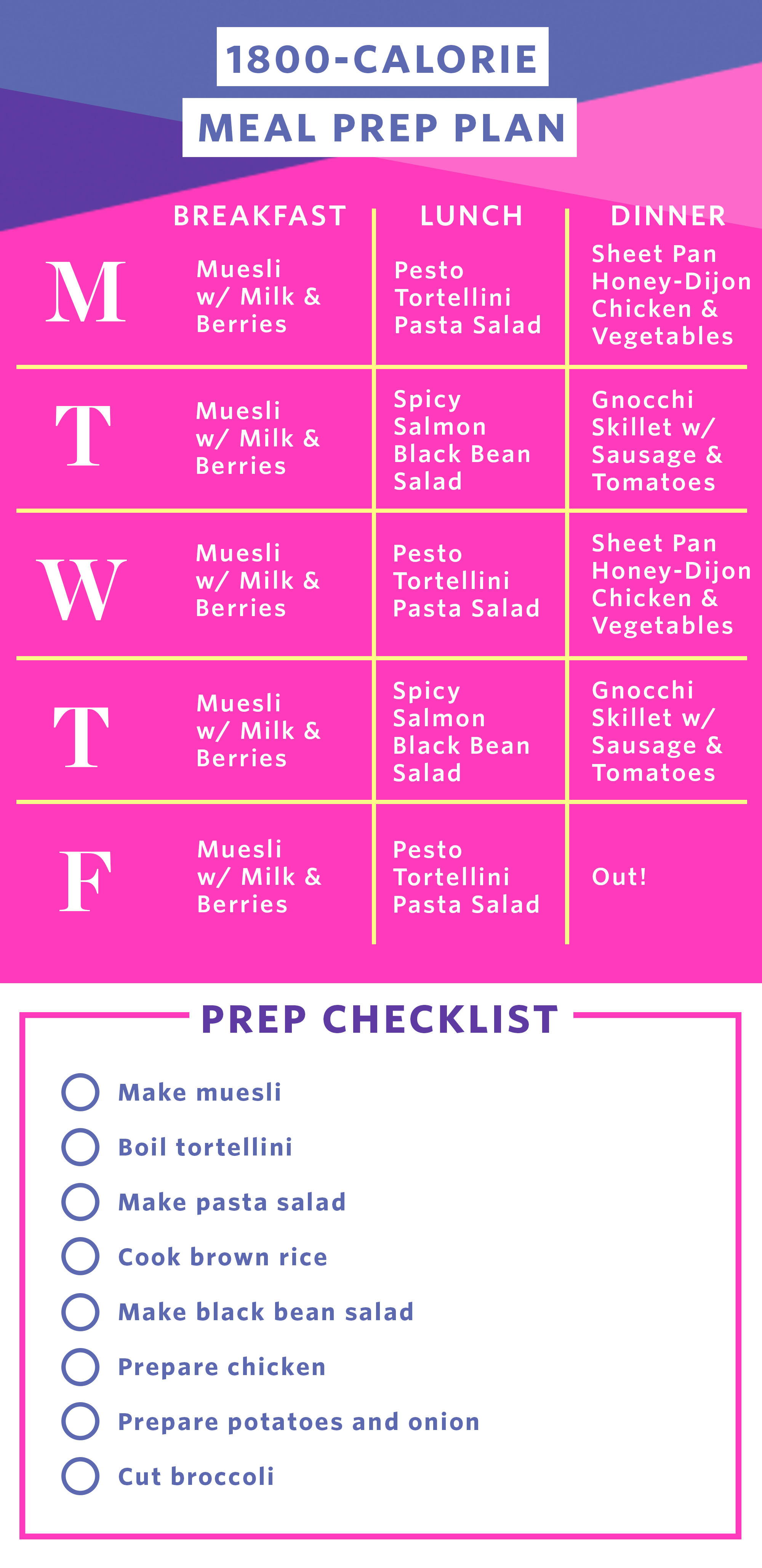
Credit: www.thekitchn.com
Meal Prep Tips
Meal prepping is a vital part of maintaining an 1800 calorie high protein diet. It saves time, ensures portion control, and helps stay on track with dietary goals. Here are some helpful meal prep tips to make your journey smoother and more efficient.
Planning Ahead
Start by planning your meals for the week. Decide what high-protein foods you want to include. Think about chicken, fish, beans, and eggs. Write down a list of ingredients you need. This will help you stay organized and avoid last-minute grocery runs.
Batch Cooking
Cook your meals in large quantities. This saves time and ensures you have meals ready. Roast a whole chicken, cook a big pot of quinoa, or prepare a large batch of roasted vegetables. Portion these out into individual containers for the week.
Storage Tips
Store your meals properly to keep them fresh. Use airtight containers to prevent spoilage. Label each container with the date and meal type. Keep your fridge organized with the oldest meals in front. This helps avoid wasting food and ensures you eat everything on time.
Balancing Macronutrients
Balancing macronutrients in a 1800 calorie meal plan is essential. This helps maintain energy levels and supports muscle growth. Focus on a high protein intake while managing carbs and fats. This balance ensures you get the best out of your diet.
Ideal Protein Intake
Protein plays a crucial role in muscle repair and growth. Aim for 25-30% of your daily calories from protein. This equals around 113-135 grams of protein per day. Include lean meats, fish, eggs, and plant-based proteins. These options provide essential amino acids.
Managing Carbs
Carbohydrates are the body’s main energy source. For a high protein diet, limit carbs to 40-45% of your daily calories. This equals around 180-202 grams of carbs per day. Choose whole grains, fruits, and vegetables. These provide fiber and essential nutrients. Avoid refined sugars and processed foods.
Incorporating Fats
Fats are necessary for hormone production and cell health. Aim for 25-30% of your daily calories from fats. This equals around 50-60 grams of fat per day. Include healthy fats like avocados, nuts, and olive oil. These support heart health and provide essential fatty acids. Avoid trans fats and limit saturated fats.
Balancing macronutrients in your 1800 calorie meal plan can be simple. Focus on protein, manage carbs, and incorporate healthy fats. This approach supports your overall health and fitness goals.
Exercise And Nutrition Synergy
Combining exercise with proper nutrition can yield significant benefits. For those on an 1800 calorie high protein meal plan, understanding the synergy between exercise and nutrition is crucial. This approach ensures optimal performance and recovery.
Pre-workout Nutrition
Eating the right food before exercising can boost energy levels. A balanced pre-workout meal should include protein and carbs. Protein helps muscle repair, while carbs provide quick energy. An example meal is a banana with Greek yogurt. This combination offers both protein and carbs.
Post-workout Meals
Refueling after exercise is just as important. Post-workout meals should focus on protein and carbs. Protein aids muscle recovery, and carbs replenish glycogen stores. A good option is grilled chicken with quinoa. This meal supports muscle repair and energy restoration.
Hydration Tips
Staying hydrated is vital for peak performance. Drink water before, during, and after workouts. Aim for at least eight glasses of water daily. Hydration supports muscle function and overall health. Consider adding electrolytes if you sweat a lot. This helps maintain the body’s balance.
Adjusting The Meal Plan
Adjusting the meal plan is crucial for maximizing the benefits of a 1800 calorie high protein diet. Personalization ensures the plan fits your lifestyle and goals. It also helps accommodate any dietary restrictions you may have. Monitoring progress allows you to make necessary tweaks. This ensures you stay on track and achieve desired results.
Personalizing For Goals
Tailor your 1800 calorie high protein meal plan to your specific goals. Want to build muscle? Increase protein intake. Aim for 1.6 to 2.2 grams of protein per kilogram of body weight. Looking to lose weight? Focus on lean protein sources. Include chicken, fish, and legumes. Balance your meals with vegetables and whole grains.
Adjusting For Dietary Restrictions
Adjust your meal plan to fit dietary restrictions. Lactose intolerant? Choose lactose-free dairy products. Avoid dairy altogether by using plant-based milk and yogurt. Gluten-free diet? Opt for gluten-free grains. Include quinoa, rice, and gluten-free oats. Vegetarians can get protein from beans, lentils, and tofu. Vegans should combine different plant proteins. Make sure you get all essential amino acids.
Monitoring Progress
Keep track of your progress to see what works best. Use a food diary or app. Record what you eat and how you feel. Notice changes in energy levels, muscle gain, or weight loss. Adjust your plan based on these observations. Consult a nutritionist if needed. They can provide expert advice and help fine-tune your meal plan.
Common Pitfalls To Avoid
Following an 1800 calorie meal plan high in protein can be challenging. Many people fall into common pitfalls that can derail their progress. Understanding these traps and knowing how to avoid them will help you stay on track.
Overeating Protein
Eating more protein than you need can cause issues. The body can only use a certain amount of protein for muscle growth. The rest is stored as fat or used for energy. This can lead to unwanted weight gain.
Here’s a table for your reference:
| Protein Source | Serving Size | Calories |
|---|---|---|
| Chicken Breast | 100 grams | 165 |
| Salmon | 100 grams | 208 |
| Eggs | 2 large | 140 |
Stick to your protein goals. Measure your servings. Avoid guessing.
Skipping Meals
Skipping meals is a bad habit. It can cause you to overeat later. This can lead to consuming more calories than planned.
Try these tips to avoid skipping meals:
- Plan your meals ahead of time.
- Set reminders to eat.
- Keep healthy snacks on hand.
Consistency is key. Missing meals can disrupt your protein intake and energy levels.
Ignoring Micronutrients
While protein is important, don’t ignore micronutrients. Vitamins and minerals are essential for overall health. Lack of micronutrients can lead to deficiencies.
Here are some micronutrients to include:
- Vitamin C (found in citrus fruits)
- Iron (found in spinach and red meat)
- Calcium (found in dairy products)
Balance your diet. Include a variety of foods. This ensures you get all needed nutrients.
Success Stories
Discovering the right meal plan can be life-changing. The 1800 Calorie High Protein Meal Plan has helped many individuals achieve their health goals. These success stories will inspire you on your journey.
Real-life Examples
John’s Transformation:
- Age: 35
- Weight Loss: 20 pounds
- Duration: 3 months
John followed the 1800 Calorie High Protein Meal Plan. He shared, “I felt more energetic and saw a significant change in my body.” His journey shows the power of a balanced diet.
Sarah’s Journey:
- Age: 28
- Muscle Gain: 10 pounds
- Duration: 4 months
Sarah aimed to build muscle. She said, “The high protein meals helped me recover faster after workouts.” Sarah’s success highlights the importance of protein for muscle growth.
Tips From Successful Individuals
Here are some tips from those who have thrived on the 1800 Calorie High Protein Meal Plan:
- Stay Consistent: John advises, “Stick to your meal plan even on weekends.”
- Plan Ahead: Sarah suggests, “Prepare meals in advance to avoid unhealthy choices.”
- Hydrate: Drink plenty of water throughout the day.
- Exercise: Combine your meal plan with regular physical activity.
- Track Progress: Use a journal to monitor your achievements and stay motivated.
These tips can guide you toward your health goals. Remember, everyone’s journey is unique.

Credit: www.pinterest.com
Frequently Asked Questions
What Foods Are High In Protein?
Foods high in protein include chicken, turkey, fish, eggs, beans, and nuts. Greek yogurt and cottage cheese are also excellent sources. Include these in your meal plan.
How To Create A 1800 Calorie High Protein Meal Plan?
To create a 1800 calorie high protein meal plan, focus on lean meats, legumes, and dairy. Balance with vegetables and healthy fats. Portion control is key.
Can I Lose Weight On A 1800 Calorie High Protein Diet?
Yes, you can lose weight on a 1800 calorie high protein diet. Protein helps you feel full longer. It supports muscle maintenance while reducing calorie intake.
What Are The Benefits Of A High Protein Diet?
A high protein diet supports muscle growth and repair. It helps you feel full, reducing overall calorie intake. It also boosts metabolism and aids in weight loss.
Conclusion
A high-protein 1800 calorie meal plan supports muscle growth and weight management. Stick to balanced meals. Include lean proteins, whole grains, and plenty of vegetables. Track your portions for best results. This meal plan can fit into a busy lifestyle.
Enjoy the benefits of better health and more energy. Eating well does not have to be complicated. Start your journey today and feel the difference.