

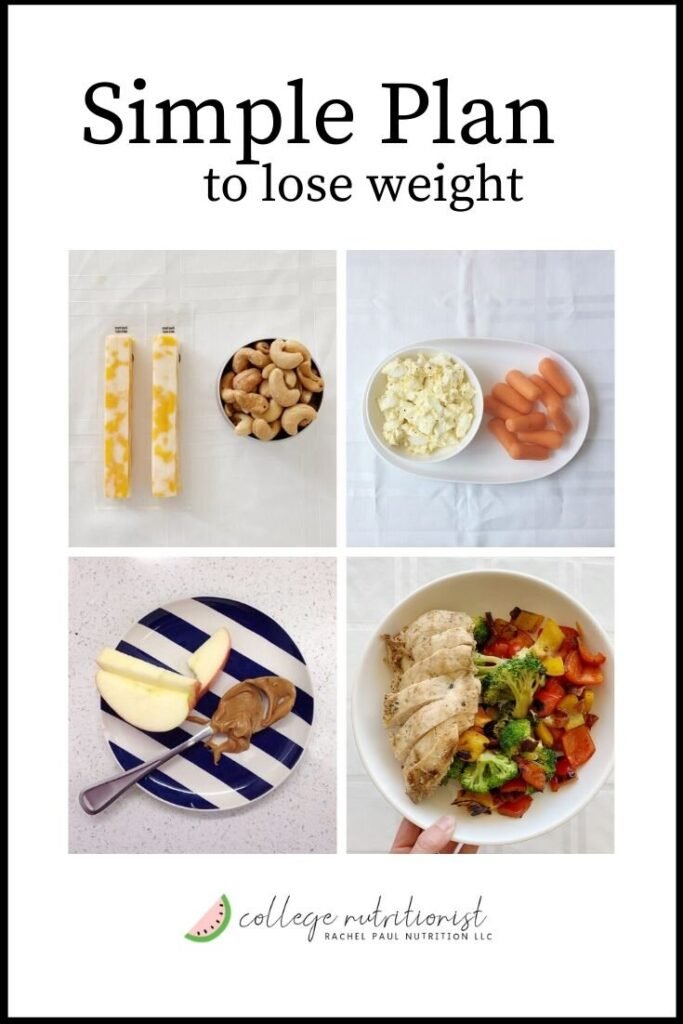
Weight loss can be challenging. A proper diet plan helps achieve goals faster.
A weight loss diet food plan is essential for anyone aiming to shed those extra pounds. It’s not just about eating less; it’s about eating right. The right food choices can boost metabolism, curb cravings, and provide essential nutrients. This guide will help you create a balanced, effective diet plan tailored to your needs.
Whether you’re new to dieting or a seasoned pro, understanding which foods work best for weight loss is crucial. Dive in to discover how you can start your journey towards a healthier, leaner you with the perfect diet plan.

Credit: www.pinterest.com
Introduction To Weight Loss Diet
Embarking on a weight loss journey can be challenging, but having a solid diet plan makes it manageable. Understanding the importance of a balanced diet and dispelling common myths can set you on the right path. This blog will guide you through the essentials.
Importance Of A Balanced Diet
A balanced diet is crucial for effective weight loss. It ensures you get the right nutrients without excess calories. This kind of diet includes:
- Proteins for muscle repair and growth
- Carbohydrates for energy
- Healthy fats for overall health
- Vitamins and minerals for bodily functions
Eating a variety of foods from all food groups helps maintain energy levels. It also prevents nutrient deficiencies. This balance keeps you healthy while losing weight.
Common Weight Loss Myths
There are many myths about weight loss that can mislead you. Here are some common ones:
| Myth | Reality |
|---|---|
| Skipping meals helps you lose weight | Skipping meals slows metabolism and leads to overeating later. |
| Carbs are bad for you | Healthy carbs are essential for energy and brain function. |
| All fats are harmful | Healthy fats are necessary for hormone production and health. |
| Diet foods are always healthy | Many diet foods are high in sugar and low in nutrients. |
Understanding these myths helps you make better choices. Focus on a balanced diet instead of restrictive eating patterns.

Credit: www.kobokofitness.com
Setting Realistic Goals
Setting realistic goals is key to a successful weight loss journey. It helps you stay focused and motivated. Unrealistic goals can lead to frustration and giving up. To make sure your diet plan works, you need to set both short-term and long-term goals. Tracking your progress is also crucial.
Short-term Vs Long-term Goals
Short-term goals are smaller milestones that you can achieve quickly. These might include drinking more water daily or eating more vegetables. They are easy to track and give you a sense of accomplishment.
Long-term goals take more time to achieve. They could be losing a certain amount of weight over several months. Long-term goals keep you focused on the bigger picture. Both types of goals are important for a balanced approach.
| Goal Type | Example | Time Frame |
|---|---|---|
| Short-term | Drink 8 glasses of water daily | 1 week |
| Long-term | Lose 20 pounds | 6 months |
Tracking Progress
Tracking your progress helps you stay on course. It also lets you see how far you’ve come. Use a journal or an app to record your daily food intake and exercise.
Here are some ways to track your progress:
- Keep a food diary
- Use a fitness app
- Weigh yourself weekly
- Take body measurements
Consistency is the key. Regular tracking makes it easier to adjust your plan if needed. It helps you identify what’s working and what isn’t.
Setting realistic goals and tracking progress are essential parts of any weight loss diet food plan. They help you stay motivated and focused.
Understanding Macronutrients
To achieve your weight loss goals, it’s important to understand macronutrients. Macronutrients are the nutrients your body needs in large amounts. They provide you with energy. These nutrients include proteins, carbohydrates, and fats. Balancing these macronutrients is key to a successful weight loss diet plan.
Proteins
Proteins are essential for building and repairing tissues. They also help you feel full. This makes it easier to stick to your diet. Good sources of protein include:
- Chicken breast
- Fish
- Tofu
- Beans
- Eggs
Aim to include a portion of protein in every meal. This helps maintain muscle mass while you lose weight.
Carbohydrates
Carbohydrates are your body’s main source of energy. Not all carbs are the same. Choose complex carbs. They digest slowly and keep you full longer. Good sources of complex carbs include:
- Whole grains
- Vegetables
- Fruits
- Legumes
Avoid simple carbs. These are found in sugary foods and drinks. They can cause energy spikes and crashes.
Fats
Fats are necessary for your body. They help absorb vitamins and support cell growth. Not all fats are bad. Choose healthy fats. These include:
- Avocado
- Olive oil
- Nuts
- Seeds
- Fatty fish
Avoid trans fats. These are found in fried foods and baked goods. They can lead to health problems.
Creating A Caloric Deficit
Creating a caloric deficit is essential for effective weight loss. This means consuming fewer calories than your body needs to maintain its current weight. The body will then use stored fat for energy, leading to weight loss. Let’s explore how to achieve this through proper calculations and portion control.
Calculating Daily Caloric Needs
First, determine your daily caloric needs. Use an online calculator or the Mifflin-St Jeor equation. This equation considers age, sex, weight, height, and activity level. For example, a 30-year-old woman who is 5’4″ and weighs 150 pounds with moderate activity might need around 2,000 calories per day.
To create a caloric deficit, subtract 500 to 1,000 calories from your daily needs. This should result in a weight loss of about 1 to 2 pounds per week. Don’t go below 1,200 calories per day for women or 1,500 for men without medical supervision.
Effective Portion Control
Portion control helps manage calorie intake. Start by using smaller plates and bowls. This simple trick can make portions appear larger. Measure your food with measuring cups or a food scale. This ensures you eat the right amounts. Pay attention to serving sizes listed on food labels. They help you understand how much you are eating.
Fill half your plate with vegetables. They’re low in calories and high in nutrients. Choose lean proteins and whole grains for the other half. Avoid second helpings. Eat slowly and savor each bite. This gives your body time to signal fullness. Drink water before meals. It can help reduce hunger and prevent overeating.
Healthy Food Choices
Choosing the right foods is vital for effective weight loss. Healthy food choices can help you stay full, energized, and satisfied. This section covers essential food options that will support your weight loss journey.
Whole Foods
Whole foods are unprocessed and natural. They include fruits, vegetables, whole grains, nuts, and seeds. These foods are rich in nutrients and fiber. They help you feel full longer. Whole foods also provide essential vitamins and minerals. Eating whole foods can reduce your calorie intake. Try adding more whole foods to your diet for better health.
Lean Proteins
Lean proteins are crucial for muscle building and repair. They include chicken, turkey, fish, tofu, and legumes. These proteins are low in fat and calories. They help keep you full and satisfied. Consuming lean proteins can boost your metabolism. Make lean proteins a part of your meals for effective weight loss.
Healthy Fats
Healthy fats are important for overall health. They include avocados, olive oil, nuts, and seeds. These fats provide energy and help absorb vitamins. Healthy fats can also reduce hunger and cravings. Incorporate healthy fats into your diet to support your weight loss goals.
Meal Planning And Preparation
Meal planning and preparation are key to a successful weight loss journey. By organizing your meals and prepping in advance, you can ensure you stick to your diet plan. This section will guide you through weekly meal plans, grocery shopping tips, and batch cooking.
Weekly Meal Plans
Creating a weekly meal plan helps you stay on track. It saves you time and reduces stress. Here is a simple table to help you get started:
| Day | Breakfast | Lunch | Dinner |
|---|---|---|---|
| Monday | Oatmeal with Berries | Grilled Chicken Salad | Quinoa with Vegetables |
| Tuesday | Smoothie with Spinach | Tuna Wrap | Stir-fried Tofu |
| Wednesday | Greek Yogurt with Nuts | Turkey Sandwich | Grilled Salmon |
| Thursday | Avocado Toast | Vegetable Soup | Chicken Breast with Broccoli |
| Friday | Egg Whites Omelette | Quinoa Salad | Beef Stir-fry |
| Saturday | Fruit Salad | Grilled Shrimp | Vegetable Curry |
| Sunday | Whole Grain Cereal | Chicken Caesar Salad | Baked Fish |
Grocery Shopping Tips
Grocery shopping can be overwhelming. Use these tips to make it easier:
- Create a list before you go shopping.
- Stick to the outer aisles of the store.
- Choose fresh produce over processed foods.
- Buy in bulk for items like grains and nuts.
- Read labels to avoid added sugars and fats.
Batch Cooking
Batch cooking saves time and ensures you always have healthy meals ready. Follow these steps:
- Pick a day of the week to cook.
- Choose recipes that store well.
- Cook large portions and divide them into containers.
- Label each container with the date and contents.
- Freeze meals that you won’t eat within a few days.
Batch cooking helps you avoid unhealthy choices. It also ensures you have portion-controlled meals.
Incorporating Exercise
Incorporating exercise into your weight loss diet food plan boosts results. Exercise helps burn calories and build muscle. It also improves overall health and well-being. Here are three types of exercises to include in your routine.
Cardio Workouts
Cardio workouts raise your heart rate. This helps burn fat and calories. Activities like running, cycling, and swimming are great choices. Aim for at least 150 minutes of moderate cardio each week. You can also try high-intensity interval training (HIIT). HIIT alternates between short bursts of intense activity and rest. It helps burn more calories in less time.
Strength Training
Strength training builds muscle mass. More muscle means a higher resting metabolism. This helps you burn more calories, even at rest. Incorporate exercises like lifting weights, using resistance bands, or bodyweight exercises. Focus on all major muscle groups. Aim for at least two strength training sessions per week. Allow your muscles to recover between sessions.
Flexibility Exercises
Flexibility exercises improve range of motion. They help prevent injuries and reduce muscle stiffness. Yoga and stretching are excellent choices. Try to include flexibility exercises in your routine at least three times a week. Spend a few minutes stretching after your cardio or strength training sessions. This helps cool down and relax your muscles.

Credit: www.healthline.com
Staying Motivated
Staying motivated on a weight loss journey can be tough. It’s important to keep your spirits high and your goals in sight. Finding ways to keep going is key. Let’s explore some effective strategies.
Building A Support System
A strong support system can make all the difference. Surround yourself with people who encourage and uplift you. Share your goals with friends and family. They can offer valuable advice and cheer you on. Joining a weight loss group can also help. You will find others with similar goals. Together, you can share tips and celebrate successes.
Rewarding Yourself
Rewards can keep you motivated. Set small, achievable goals. Treat yourself when you meet them. Choose non-food rewards that make you happy. Buy a new book or enjoy a spa day. This keeps you focused and gives you something to look forward to.
Overcoming Plateaus
Weight loss plateaus are common and can be frustrating. Change your routine to overcome them. Try new exercises or adjust your diet. Sometimes, your body needs a new challenge. Stay patient and persistent. Remember, progress is not always linear.
Avoiding Common Pitfalls
Embarking on a weight loss journey can be challenging. Many people face common pitfalls. Avoiding these can help you stay on track. Let’s explore three major pitfalls: emotional eating, skipping meals, and unrealistic expectations.
Emotional Eating
Emotional eating is a common issue. Many eat when stressed, sad, or bored. Food can be a comfort. But it can also derail your weight loss efforts. Recognize your triggers. Find healthy ways to cope with emotions. Exercise, read, or talk to a friend. These can help you avoid reaching for unhealthy snacks.
Skipping Meals
Skipping meals might seem like a good idea. But it can backfire. Your body needs regular fuel. Skipping meals can slow your metabolism. It can also make you overeat later. Eat balanced meals throughout the day. Include protein, healthy fats, and fiber. This keeps your energy levels stable.
Unrealistic Expectations
Having unrealistic expectations can lead to disappointment. Weight loss takes time. Setting small, achievable goals is key. Celebrate your progress, no matter how small. This keeps you motivated. Remember, slow and steady wins the race. Focus on making sustainable changes. This leads to long-term success.
Frequently Asked Questions
What Foods Help With Weight Loss?
Foods that help with weight loss include fruits, vegetables, lean proteins, and whole grains. These foods are low in calories and high in nutrients. They help you feel full longer and provide essential vitamins and minerals. Incorporating these into your diet can support weight loss efforts.
Can I Lose Weight By Eating More Protein?
Yes, eating more protein can aid in weight loss. Protein helps you feel full and reduces appetite. It also boosts metabolism and preserves muscle mass during weight loss. Include lean protein sources like chicken, fish, beans, and tofu in your diet.
Are Carbs Bad For Weight Loss?
Not all carbs are bad for weight loss. Whole grains, fruits, and vegetables are good sources of healthy carbs. They provide essential nutrients and fiber, which can help you feel full. Avoid refined carbs like white bread and sugary snacks, which can hinder weight loss.
How Does Fiber Help With Weight Loss?
Fiber helps with weight loss by promoting feelings of fullness and reducing appetite. It also aids digestion and prevents overeating. Include high-fiber foods like fruits, vegetables, beans, and whole grains in your diet for better weight management.
Conclusion
A weight loss diet food plan can help you achieve your goals. Focus on balanced meals with lean proteins, whole grains, and plenty of vegetables. Drink water and avoid sugary drinks. Make small, sustainable changes for long-term success. Listen to your body and adjust as needed.
Stay consistent and patient. Enjoy the journey to a healthier you.