

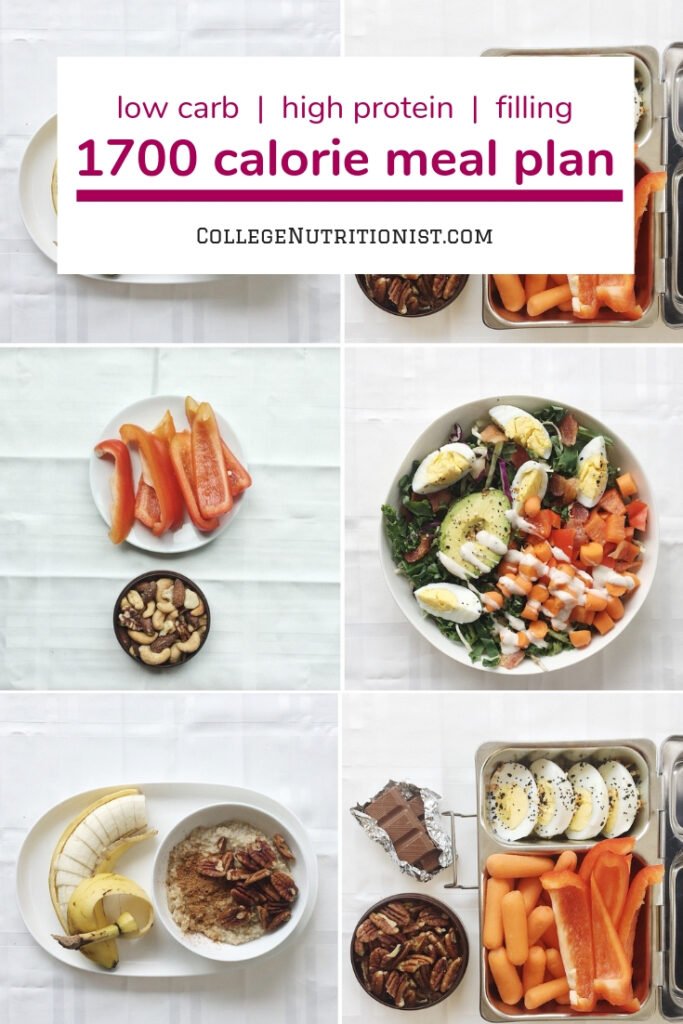
Maintaining a balanced diet is crucial for good health. A 1700 calorie meal plan with high protein can help you achieve your fitness goals.
Protein is essential for muscle growth and repair. It also keeps you feeling full longer, which can help with weight management. A well-structured meal plan ensures you get enough nutrients while staying within your calorie limit. This blog will guide you through a 1700 calorie high protein meal plan.
You’ll discover how to balance your meals with the right portions of protein, carbs, and fats. We will also discuss tips for meal prepping and how to make your diet enjoyable and sustainable. Let’s dive into this journey of healthy eating and better living!
Introduction To 1700 Calorie High Protein Meal Plan
Sticking to a 1700 calorie high protein meal plan can help you stay fit. This diet focuses on high protein foods. It helps in maintaining muscle mass and keeping you full. This approach balances your caloric intake while boosting your protein consumption. Perfect for those who want to lose weight and build muscle.
Why Choose A 1700 Calorie Diet?
A 1700 calorie diet is manageable for most people. It provides enough energy for daily activities. This plan promotes a healthy weight loss pace. It ensures you do not feel deprived. A well-structured 1700 calorie diet can be easily followed. It fits into busy lifestyles without much hassle.
Benefits Of High Protein Intake
High protein intake has many benefits. It helps in muscle repair and growth. Protein keeps you full for longer periods. This reduces overall calorie intake. It also boosts metabolism. A higher protein diet supports weight loss and improves body composition. It is essential for overall health and wellness.
Daily Caloric Breakdown
Planning a 1700 calorie meal plan with high protein can be challenging. To succeed, it’s crucial to understand the daily caloric breakdown. This ensures you get the right balance of nutrients. Let’s dive into how to distribute your calories for optimal health and high protein intake.
Macronutrient Distribution
Macronutrients are essential for energy and body functions. They include proteins, carbohydrates, and fats. Here’s how to distribute them in a 1700 calorie meal plan:
| Macronutrient | Calories | Grams |
|---|---|---|
| Proteins | 680 | 170 |
| Carbohydrates | 680 | 170 |
| Fats | 340 | 38 |
Proteins and carbohydrates should each take up 40% of your daily calories. Fats should make up 20% of your daily calories.
Balancing Calories For Optimal Health
Balancing calories is key to maintaining energy and health. Eating high protein helps with muscle repair and growth. Here’s a sample breakdown for a day:
- Breakfast: 400 calories, 30g protein
- Lunch: 500 calories, 40g protein
- Snack: 200 calories, 20g protein
- Dinner: 600 calories, 80g protein
This breakdown ensures you get enough protein throughout the day. It also helps balance your energy levels.
Remember, the goal is to keep your body fueled. High protein helps with muscle repair and keeps you full longer.
Essential High Protein Foods
Essential high protein foods are vital for those following a 1700 calorie meal plan. These foods help build muscle, keep you full longer, and boost metabolism. Including a variety of protein-rich foods in your diet ensures you get all the necessary nutrients. Here are some top protein sources to consider and tips on incorporating lean meats into your meals.
Top Protein Sources
Protein is found in many foods. Eggs are an excellent choice. One egg has about six grams of protein. Another great source is Greek yogurt. It offers around 10 grams of protein per 100 grams. Cottage cheese is also a high-protein option. It provides 11 grams of protein per 100 grams. Legumes, like beans and lentils, are protein-packed too. A cup of cooked lentils has 18 grams of protein. Nuts and seeds can also add protein to your diet. Almonds have six grams of protein per ounce. Don’t forget about tofu and tempeh. These are excellent plant-based proteins.
Incorporating Lean Meats
Lean meats are a fantastic way to boost your protein intake. Chicken breast is a top pick. It has about 31 grams of protein per 100 grams. Turkey breast is another lean meat option. It offers 29 grams of protein per 100 grams. Fish, like tuna and salmon, are both high in protein. Tuna has 30 grams of protein per 100 grams. Salmon provides 25 grams of protein per 100 grams. Lean beef can also be part of your high-protein diet. A 100-gram serving has 26 grams of protein. Remember to cook these meats in healthy ways. Grilling, baking, or broiling are good methods. Avoid frying to keep meals healthier.

Credit: www.pinterest.com
Meal Planning Tips
Creating a 1700 calorie high protein meal plan can be simple. With the right strategies, you can enjoy nutritious meals every day. Focus on meal prep and portion control for the best results. These tips will help you stay on track with your dietary goals.
Meal Prep Strategies
Effective meal prep saves time and ensures balanced meals. Here are some strategies:
- Plan Ahead: Write down your meals for the week. This helps you avoid last-minute unhealthy choices.
- Batch Cooking: Cook large portions of proteins like chicken, fish, or tofu. Store them in separate containers.
- Use Versatile Ingredients: Choose foods like quinoa, brown rice, and vegetables. They can be used in multiple recipes.
- Prep Snacks: Prepare high-protein snacks like boiled eggs, Greek yogurt, or nuts. Keep them accessible for quick bites.
- Invest in Storage: Use good-quality containers to keep your meals fresh. Label them with the date to track freshness.
Portion Control Techniques
Portion control is key to sticking to a 1700 calorie plan. Here are some methods:
- Use Smaller Plates: Smaller plates make portions look larger. This helps you feel satisfied with less food.
- Measure Portions: Use a food scale or measuring cups. This ensures you eat the right amount of each food group.
- Divide Your Plate: Fill half your plate with vegetables. Use the other half for protein and healthy carbs.
- Pre-Portion Snacks: Divide snacks into small bags or containers. This prevents overeating.
- Listen to Your Body: Eat slowly and stop when you feel full. Avoid the temptation to clear your plate.
Sample 1700 Calorie High Protein Meal Plan
Are you trying to eat healthier and build muscle? A 1700 calorie high protein meal plan could be the answer. This plan helps you stay full, supports muscle growth, and keeps your energy levels steady throughout the day. Below, you’ll find a sample meal plan with breakfast, lunch, dinner, and snack options.
Breakfast Options
Start your day with a protein-packed breakfast. Try a veggie omelette with three eggs, spinach, and tomatoes. Add a slice of whole-grain toast. Another option is Greek yogurt with a handful of berries and a tablespoon of chia seeds. Smoothies are also great. Blend a cup of spinach, a banana, a scoop of protein powder, and almond milk.
Lunch Ideas
For lunch, think lean proteins and vegetables. Grilled chicken breast with quinoa and steamed broccoli is a solid choice. Or, make a tuna salad with mixed greens, cherry tomatoes, and a light vinaigrette. A turkey wrap with whole-grain tortilla, lettuce, and avocado works well too. Pair it with a side of carrot sticks.
Dinner Recipes
Dinner can be simple and delicious. Bake a piece of salmon with a side of roasted sweet potatoes and asparagus. Another idea is a beef stir-fry with bell peppers, onions, and brown rice. You could also prepare a chicken and vegetable soup. Use lean chicken breast, carrots, celery, and low-sodium broth.
Snack Suggestions
Snacking can help you stay on track. Hard-boiled eggs are quick and easy. A handful of almonds or a piece of string cheese also work well. Cottage cheese with pineapple chunks makes a tasty treat. Don’t forget about hummus with veggie sticks, like celery or cucumber.
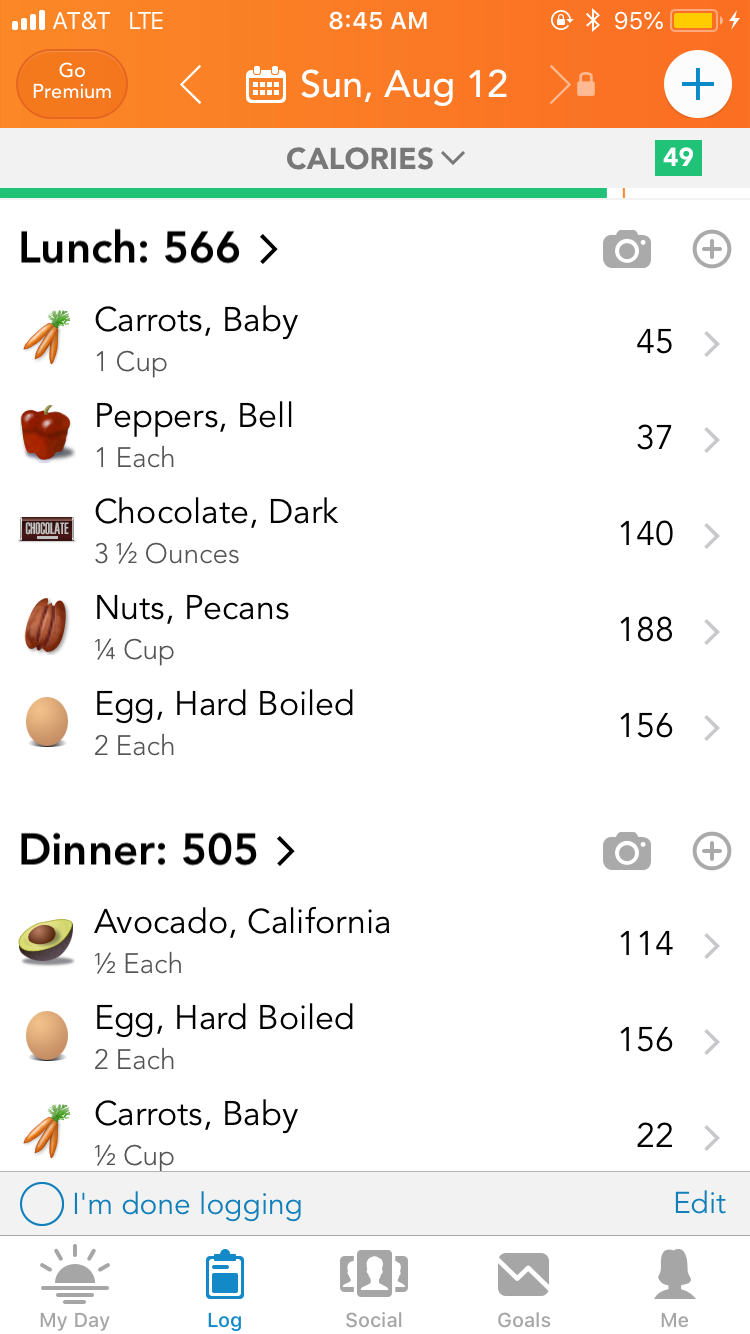
Credit: www.collegenutritionist.com
Adjusting The Meal Plan For Specific Goals
Adapting a 1700 calorie high protein meal plan can help you reach your specific goals. Whether you’re aiming for weight loss or muscle building, tweaking your meal plan can make a big difference. Here, we guide you on how to adjust the meal plan for your unique needs.
Weight Loss Adjustments
For weight loss, focus on reducing calories without sacrificing protein. Protein helps maintain muscle mass while losing fat. Here’s how to adjust:
- Include more vegetables for volume and nutrients.
- Choose lean protein sources like chicken, fish, and tofu.
- Avoid high-calorie, low-nutrient foods such as sugary snacks.
- Drink plenty of water to stay hydrated and feel full.
A sample day might look like this:
| Meal | Food |
|---|---|
| Breakfast | Greek yogurt with berries |
| Lunch | Grilled chicken salad with mixed greens and vinaigrette |
| Snack | Apple slices with almond butter |
| Dinner | Baked salmon with steamed broccoli and quinoa |
Muscle Building Tweaks
For muscle building, focus on increasing protein intake and slightly increasing calories. This supports muscle growth and repair. Follow these tips:
- Include a protein source in every meal.
- Add healthy fats like avocado and nuts for extra calories.
- Incorporate complex carbohydrates like sweet potatoes and brown rice.
- Consider a post-workout protein shake to boost recovery.
A sample day might look like this:
| Meal | Food |
|---|---|
| Breakfast | Oatmeal with protein powder and banana |
| Lunch | Turkey wrap with whole grain tortilla and veggies |
| Snack | Cottage cheese with pineapple chunks |
| Dinner | Beef stir-fry with mixed vegetables and brown rice |
Common Mistakes To Avoid
When following a 1700 calorie high-protein meal plan, many people make common mistakes. These errors can affect your health and progress. Let’s explore some key pitfalls to avoid.
Overeating Protein
Too much protein can strain your kidneys. Balance is key. While protein helps build muscle, it should not dominate your diet. Many think more protein means better results. But, excess protein can turn into fat. Stick to your daily protein target. Measure portions to avoid overeating.
Ignoring Other Nutrients
Focusing only on protein can lead to nutrient gaps. Your body needs a variety of vitamins and minerals. Include fruits, vegetables, and whole grains in your diet. These foods offer essential nutrients. A balanced diet supports overall health. Do not neglect carbs and fats. They provide energy and support bodily functions. Diversify your meals for complete nutrition.
Tracking Your Progress
Tracking your progress on a 1700 calorie high protein meal plan is crucial. It helps you stay on track and achieve your fitness goals. Consistent monitoring can reveal what works and what doesn’t. This way, you can make necessary adjustments to your diet.
Using Food Diaries
Food diaries are a simple yet effective way to track your meals. Write down everything you eat each day. Include portion sizes and the time of each meal. This helps you understand your eating habits. You can identify patterns and make healthier choices.
Keeping a food diary also makes you more mindful of your intake. You are less likely to overeat if you know you have to write it down. It’s a great way to stay accountable to yourself. Plus, reviewing your diary can highlight areas for improvement.
Apps For Monitoring Intake
Apps are a convenient tool for tracking your diet. Many apps are available for free. They help you log your meals and monitor your calorie intake. Some apps even provide nutritional information for various foods. This can help you ensure you’re getting enough protein.
Apps also offer features like barcode scanning. This makes logging packaged foods easier. You can set goals and track your progress over time. Notifications and reminders can help you stay on track. Using an app can make tracking your diet less tedious.
Both food diaries and apps have their benefits. Choose the method that works best for you. Consistency is key. Stay committed to tracking your progress. This will help you achieve your 1700 calorie high protein meal plan goals.
Conclusion And Encouragement
The journey to achieve your fitness goals can be challenging. Following a 1700 calorie high protein meal plan is a great step. This plan supports muscle growth and helps in weight management. Stay committed and enjoy the benefits of your hard work.
Staying Motivated
Consistency is key. Set small, achievable goals. Celebrate your progress. Keep a journal to track your meals and workouts. Surround yourself with supportive friends and family. Remember, every effort counts. Don’t let setbacks discourage you. Stay positive and keep pushing forward.
Long-term Benefits
Following a high protein diet has many benefits. It supports muscle growth and repair. It helps you feel full longer, reducing unnecessary snacking. Over time, you may notice increased energy levels. A balanced diet promotes overall health and wellness. Stick to your plan and enjoy these long-term benefits.

Credit: es.pinterest.com
Frequently Asked Questions
What Foods Are In A 1700 Calorie High Protein Meal Plan?
A 1700 calorie high protein meal plan includes lean meats, fish, eggs, beans, and dairy products. It may also feature protein-rich vegetables, nuts, and seeds.
How Does A High Protein Diet Help In Weight Loss?
A high protein diet helps in weight loss by increasing satiety and boosting metabolism. It also aids in preserving muscle mass during calorie restriction.
Can I Build Muscle On A 1700 Calorie High Protein Diet?
Yes, you can build muscle on a 1700 calorie high protein diet if you combine it with strength training exercises. Adequate protein intake supports muscle repair and growth.
What Are The Benefits Of A High Protein Meal Plan?
The benefits of a high protein meal plan include improved muscle mass, better satiety, enhanced metabolism, and overall better weight management. It also supports cellular repair.
Conclusion
A 1700 calorie high-protein meal plan can support your fitness goals. It helps you stay full longer and build muscle. Simple meals with high protein can keep you energized throughout the day. Balance your diet with vegetables, fruits, and whole grains for added nutrients.
Consistency is key. Stick to your plan and adjust as needed. Your health and goals matter. Enjoy your meals and take care of your body. Eating well can be both easy and rewarding.