

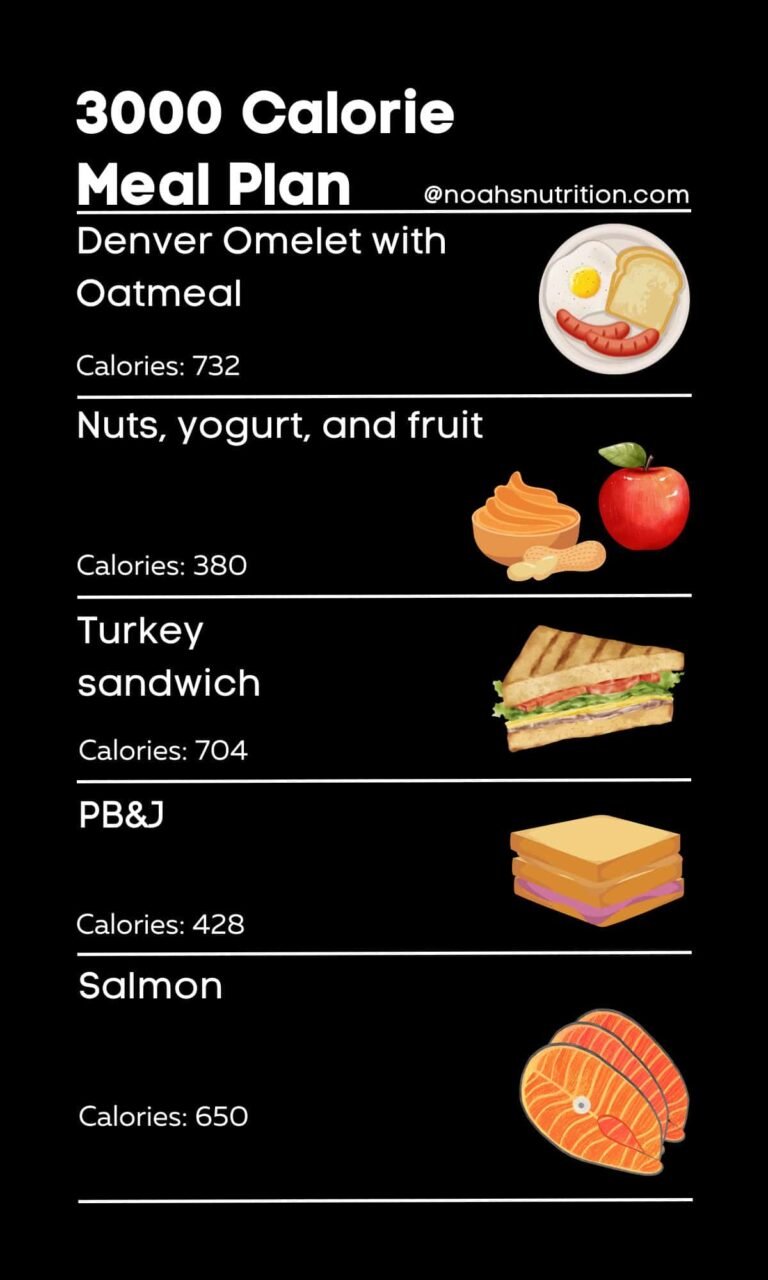
A 3000 calories diet plan can help you gain weight or build muscle. This plan provides ample energy and nutrients for active individuals or those with higher calorie needs.
Finding the right diet can be challenging. Whether you’re an athlete, bodybuilder, or someone looking to increase weight, a 3000 calories diet plan might be what you need. This balanced plan ensures you get enough calories from healthy sources. It includes a variety of foods to meet your energy and nutritional requirements.
By following a structured diet, you can achieve your fitness or health goals more effectively. This introduction will guide you through understanding and implementing a 3000 calories diet plan. Stay tuned to learn how to fuel your body properly.
Introduction To 3000 Calories Diet
A 3000 calories diet plan is designed to help individuals gain weight or build muscle. It provides enough energy for those with high activity levels. This diet includes a balanced intake of proteins, carbs, and fats.
Consuming 3000 calories daily might sound excessive. But for some, it’s essential. This diet supports muscle growth and energy replenishment.
Benefits Of High-calorie Diet
A high-calorie diet offers several advantages, especially for athletes and bodybuilders. Let’s explore its benefits:
- Increases Muscle Mass: More calories help build and repair muscles.
- Boosts Energy Levels: Extra calories provide sustained energy for workouts.
- Improves Recovery: High-calorie intake speeds up post-exercise recovery.
- Supports Overall Health: It ensures adequate nutrient intake for overall well-being.
Who Should Follow This Diet
Not everyone needs 3000 calories a day. This diet is best for:
- Athletes: They need more energy for intense training.
- Bodybuilders: To gain muscle mass and strength.
- Underweight Individuals: Helps in healthy weight gain.
- People with High Metabolism: They burn calories faster and need more fuel.
Below is a sample breakdown of a 3000 calorie diet:
| Meal | Food Items | Calories |
|---|---|---|
| Breakfast | Oatmeal with fruits and nuts | 600 |
| Lunch | Grilled chicken with quinoa salad | 800 |
| Snack | Smoothie with protein powder | 400 |
| Dinner | Salmon with sweet potato and veggies | 700 |
| Snack | Greek yogurt with honey | 500 |
Setting Your Goals
Setting your goals is the first step in any diet plan. It helps you stay focused and on track. A 3000 calories diet plan can be challenging. So, clear goals are vital for success. They give you a roadmap to follow.
Goals can be short-term or long-term. Short-term goals might be daily or weekly targets. Long-term goals could be monthly or yearly milestones. Both types of goals are important. They keep you motivated and accountable.
In this section, we will cover how to set effective goals for your 3000 calories diet plan. We will discuss determining your caloric needs and tracking your progress. These steps will help you achieve your diet plan goals.
Determining Your Caloric Needs
Before starting a 3000 calories diet, determine your caloric needs. This depends on factors like age, weight, height, and activity level. Everyone’s needs are different. Tools like online calculators can help estimate your needs.
Understand your Basal Metabolic Rate (BMR). This is the number of calories your body needs at rest. Add calories burned during physical activity to your BMR. This gives you your Total Daily Energy Expenditure (TDEE).
For weight gain, consume more calories than your TDEE. For weight maintenance, match your calorie intake to your TDEE. For weight loss, consume fewer calories than your TDEE. A 3000 calories diet plan should align with your specific goals.
Tracking Progress
Tracking progress is crucial for success. It helps you see what’s working and what needs adjustment. Use tools like food diaries or apps to log your daily intake. This keeps you accountable and aware of your eating habits.
Weigh yourself regularly. This helps you monitor changes and adjust your diet plan if needed. Take body measurements too. Sometimes, the scale doesn’t show the full picture. Measurements can reveal muscle gain or fat loss.
Set small, achievable milestones. Celebrate your progress along the way. This keeps you motivated and focused on your long-term goals. Remember, consistency is key. Track your progress, adjust as needed, and stay committed to your 3000 calories diet plan.
Macronutrient Breakdown
Understanding the macronutrient breakdown of a 3000 calorie diet is essential. It ensures that you get the right balance of nutrients. This balance helps in muscle growth, energy levels, and overall health. Let’s delve into the importance of proteins, the role of carbohydrates, and the benefits of healthy fats.
Importance Of Proteins
Proteins are the building blocks of your body. They help in muscle repair and growth. Consuming enough protein is crucial for those who are active. Aim to include lean meats, fish, and plant-based proteins in your diet. These sources provide essential amino acids. Your body cannot produce these on its own.
Proteins also help in maintaining a healthy immune system. They are vital for hormone production as well. Ensure that you get at least 20% of your daily calories from protein. This equates to about 150 grams of protein on a 3000 calorie diet.
Role Of Carbohydrates
Carbohydrates are your body’s main energy source. They fuel your workouts and daily activities. Including complex carbs in your diet is important. Whole grains, fruits, and vegetables are excellent sources. They provide sustained energy throughout the day.
Aim to get about 50% of your daily calories from carbohydrates. This means around 375 grams on a 3000 calorie diet. Carbs also play a role in brain function and digestion. They are crucial for overall well-being.
Healthy Fats
Healthy fats are essential for your body. They support cell growth and protect your organs. Fats also help in the absorption of vitamins. Including sources like avocados, nuts, and olive oil is beneficial.
Fats should make up about 30% of your daily calorie intake. This translates to about 100 grams of fat on a 3000 calorie diet. Healthy fats also aid in brain function and hormone production. They keep your skin and hair healthy too.
Meal Planning Tips
Creating a 3000 calorie diet plan requires careful meal planning. The key is to ensure the meals are balanced, nutrient-dense, and spread evenly throughout the day. Here are some meal planning tips to help you achieve your calorie goals effectively.
Choosing Nutrient-dense Foods
Choosing nutrient-dense foods is essential for a 3000 calorie diet. These foods provide vitamins, minerals, and other nutrients without excessive calories.
- Lean Proteins: Chicken, turkey, tofu, and fish are excellent choices.
- Whole Grains: Brown rice, quinoa, and oatmeal offer sustained energy.
- Healthy Fats: Avocados, nuts, seeds, and olive oil are nutrient-rich.
- Fruits and Vegetables: Fresh produce provides essential vitamins and fiber.
Incorporating these foods ensures you get the necessary nutrients while staying within your calorie limit.
Meal Prep Strategies
Effective meal prep is crucial for sticking to your 3000 calorie diet plan. Here are some strategies to help you stay on track:
- Plan Your Meals: Create a weekly menu to avoid last-minute unhealthy choices.
- Batch Cooking: Prepare large quantities of food and store them for the week.
- Portion Control: Use containers to divide meals into appropriate portions.
- Snacks Ready: Have healthy snacks like nuts, fruit, and yogurt available.
These strategies help you save time and ensure you meet your calorie and nutritional goals.
| Meal | Food Items | Calories |
|---|---|---|
| Breakfast | Oatmeal with berries and nuts | 600 |
| Lunch | Grilled chicken salad with quinoa | 700 |
| Snack | Greek yogurt with honey | 300 |
| Dinner | Salmon with sweet potatoes and broccoli | 800 |
| Snack | Protein shake with banana | 600 |
With these meal planning tips, you can create a balanced and effective 3000 calorie diet plan that supports your health and fitness goals.
Sample Meal Plan
Embarking on a 3000 calorie diet plan can be exciting. It’s essential to balance your meals. This plan ensures you get the right nutrients. Let’s explore a sample meal plan. This will help you understand how to distribute your calories throughout the day.
Breakfast Ideas
Start your day with a healthy breakfast. Here are some delicious ideas:
- Oatmeal with Fruits: Combine oats with berries and a drizzle of honey.
- Scrambled Eggs: Cook with spinach and tomatoes. Serve with whole grain toast.
- Smoothie Bowl: Blend spinach, banana, and almond milk. Top with nuts and seeds.
- Greek Yogurt Parfait: Layer yogurt with granola and mixed fruits.
Lunch Options
Lunch should be filling and nutritious. Here are some ideas to keep you energized:
- Grilled Chicken Salad: Mix chicken with greens, avocado, and a light dressing.
- Quinoa Bowl: Add black beans, corn, tomatoes, and a squeeze of lime.
- Turkey Sandwich: Use whole grain bread, lettuce, tomato, and a slice of cheese.
- Lentil Soup: Pair with a side of whole grain crackers.
Dinner Recipes
Dinner should be a balanced meal. Here are some tasty recipes:
- Baked Salmon: Serve with quinoa and steamed broccoli.
- Stir-Fry Vegetables: Add tofu and brown rice.
- Beef Tacos: Use whole wheat tortillas, lettuce, and salsa.
- Chicken Alfredo: Use whole grain pasta and a light cream sauce.
Snack Suggestions
Snacks help maintain energy levels. Here are some healthy options:
- Trail Mix: Combine nuts, seeds, and dried fruits.
- Hummus and Veggies: Pair with carrot sticks and cucumber slices.
- Apple Slices: Spread with peanut butter.
- Yogurt and Berries: A quick and refreshing snack.

Credit: wellresourced.com
Supplements For Muscle Gain
Building muscle takes dedication and the right nutrition. Sometimes, your diet alone may not be enough. This is where supplements come in handy. They help fill the gaps and support your muscle gain efforts. Below are some key supplements for muscle gain.
Protein Powders
Protein is vital for muscle growth. It helps repair and build muscle tissues. Protein powders offer a convenient way to increase your protein intake. They come in various forms like whey, casein, and plant-based options. Choose one that fits your dietary needs. Mix with water or milk for a quick protein boost.
Creatine
Creatine is another popular supplement. It helps produce energy during high-intensity workouts. This leads to improved performance and muscle growth. Most users take 3 to 5 grams daily. It is often mixed with water or a protein shake. Creatine is safe and well-researched. It can help you gain muscle mass more effectively.
Pre-workout Supplements
Pre-workout supplements give you an energy boost. They often contain caffeine and other performance-enhancing ingredients. These supplements help you train harder and longer. This can lead to better muscle gains. Take them 30 minutes before your workout for the best results. Always check the label for any ingredients you might be sensitive to.
Exercise And Diet Synergy
The synergy between exercise and diet is vital for a successful 3000 calories diet plan. Balancing your workouts with your nutritional intake ensures optimal muscle growth and recovery. This helps in achieving your fitness goals more efficiently. Understanding this synergy can transform your approach to fitness and nutrition.
Strength Training Routines
Strength training is essential for building muscle mass. It involves exercises like squats, deadlifts, and bench presses. These compound movements target multiple muscle groups. This maximizes calorie burn and muscle development. Incorporating strength training three to four times a week is beneficial. Consistency is key for noticeable results. Adjust your weights and repetitions based on your progress. Always focus on proper form to prevent injuries.
Importance Of Rest Days
Rest days are crucial for muscle recovery. They allow your body to repair and grow stronger. Skipping rest days can lead to burnout and injuries. Plan your rest days strategically within your workout routine. They help in preventing overtraining and maintaining long-term progress. Proper sleep and hydration also play a role in recovery. Ensure you get at least 7-8 hours of sleep each night.
Credit: hitmymacros.com
Common Challenges And Solutions
Starting a 3000 calorie diet plan can be exciting. But, you might face some challenges. It’s normal. Don’t worry. We will look at common issues and how to solve them.
Overcoming Plateaus
Hitting a plateau can be frustrating. Your body adapts to the new calorie intake. This means progress slows. Change up your workout routine. Add more weights or try different exercises. This can help your body break through the plateau.
Check your diet too. Ensure you’re eating enough protein, carbs, and fats. Sometimes, small adjustments can make a big difference. Stay positive. Plateaus are normal. With patience and effort, you can overcome them.
Dealing With Appetite Changes
Appetite changes are common on a 3000 calorie diet. Some days you might feel very hungry. Other days, not so much. Listen to your body. Eat when you’re hungry, but choose healthy options.
Drink plenty of water. Sometimes, thirst feels like hunger. Include fiber-rich foods in your diet. They keep you full longer. If you struggle to eat enough, try smaller, more frequent meals. It can make reaching your calorie goal easier.
Maintaining Long-term Success
Following a 3000 Calories Diet Plan can be challenging. Sustaining it long-term is key to achieving your fitness goals. This section will provide tips on adjusting your caloric intake and sustaining muscle growth.
Adjusting Caloric Intake
Your caloric needs change over time. Adjust your intake to stay on track. Regularly monitor your weight and body composition. Use a food diary or app to track calories. Make small adjustments as needed.
| Activity Level | Caloric Adjustment |
|---|---|
| Low Activity | Reduce calories by 200-300 |
| Moderate Activity | Maintain current calorie intake |
| High Activity | Increase calories by 200-300 |
Listen to your body. Adjust based on hunger and energy levels. Avoid drastic changes. Gradual adjustments help maintain long-term success.
Sustaining Muscle Growth
Muscle growth requires consistency. Follow a balanced diet with the right nutrients. Include protein, carbs, and healthy fats in every meal. Here’s a simple meal plan:
- Breakfast: Oatmeal with fruit and nuts.
- Lunch: Grilled chicken salad with quinoa.
- Dinner: Baked salmon with sweet potatoes and greens.
- Snacks: Greek yogurt, protein shakes, or almonds.
Combine your diet with a strong workout routine. Focus on strength training exercises. Lift weights at least 3-4 times a week. Track your progress and make necessary adjustments.
Rest is also vital. Muscles grow during recovery periods. Ensure you get 7-9 hours of sleep each night. Stay hydrated to support muscle function.

Credit: www.pinterest.com
Frequently Asked Questions
What Is A 3000 Calorie Diet Plan?
A 3000 calorie diet plan involves consuming 3000 calories daily. It is designed for weight gain or high energy needs.
Who Should Follow A 3000 Calorie Diet?
Individuals with high physical activity levels or those aiming to gain weight should follow a 3000 calorie diet.
What Foods Are Included In A 3000 Calorie Diet?
A 3000 calorie diet includes nutrient-dense foods like lean proteins, whole grains, healthy fats, fruits, and vegetables.
How To Balance Macronutrients In A 3000 Calorie Diet?
Balance macronutrients by including 45-65% carbs, 10-35% protein, and 20-35% fats in your daily intake.
Conclusion
A 3000 calories diet plan can help achieve weight gain goals. It provides energy and supports muscle growth. Remember to choose nutrient-rich foods. Balance your meals with proteins, carbs, and fats. Stay hydrated and exercise regularly. Listen to your body and adjust as needed.
Enjoy a variety of foods to keep the diet interesting. Always consult a healthcare professional before making big changes. Your journey towards a healthier you starts now. Keep focused and stay consistent. You got this!