

Welcoming a new baby is joyous yet challenging. New moms need proper nutrition.
Postpartum recovery is crucial for new mothers. A well-balanced meal plan can make a big difference. It helps with healing, energy levels, and overall well-being. Knowing what to eat post-birth can be overwhelming. This blog post will guide you through a simple, nutritious postpartum meal plan.
It includes key foods that support recovery and boost milk production. Eating right is essential for both mom and baby. Let’s explore how to create a meal plan that nurtures and restores.

Credit: se.pinterest.com
Importance Of Postpartum Nutrition
The importance of postpartum nutrition cannot be overstated. New mothers need a well-balanced diet to recover and support their newborn. Proper nutrition boosts energy levels and aids in healing. It also plays a crucial role in successful breastfeeding.
Benefits For Recovery
Postpartum recovery demands essential nutrients. These nutrients help heal tissues and muscles. Proteins and vitamins aid in repairing the body. Iron-rich foods prevent anemia and boost energy. Hydration is also key for overall recovery.
Impact On Breastfeeding
Good nutrition impacts breastfeeding quality. Nutrient-rich milk supports the baby’s growth. Healthy fats and proteins enhance milk production. Hydration helps maintain milk supply. Balanced meals ensure both mother and baby stay healthy.
Key Nutrients For New Mothers
New mothers need a balanced diet to recover and nourish their babies. Postpartum nutrition supports healing, energy levels, and milk production. Focusing on key nutrients helps meet these needs effectively.
Protein-rich Foods
Protein plays a crucial role in tissue repair and muscle recovery. It also helps in the production of breast milk. Include lean meats, eggs, and dairy products in your diet. Plant-based options like beans, lentils, and tofu are great as well. These foods provide the necessary protein without excess fat.
Essential Vitamins And Minerals
Vitamins and minerals boost energy, immune function, and overall health. Vitamin C aids in healing and strengthens the immune system. Citrus fruits, strawberries, and bell peppers are excellent sources. Iron is vital to prevent anemia. Red meat, spinach, and fortified cereals are rich in iron.
Calcium supports bone health for both mother and baby. Dairy products, leafy greens, and almonds are good sources. Omega-3 fatty acids promote brain health and mood stability. Fish like salmon, flaxseeds, and walnuts are rich in Omega-3s.
Hydration Strategies
Proper hydration is crucial for new mothers. It supports recovery, breast milk production, and overall well-being. Developing effective hydration strategies can make a significant difference in the postpartum period.
Water Intake
Maintaining adequate water intake is essential. Aim for at least eight 8-ounce glasses of water each day.
- Keep a water bottle handy.
- Drink a glass of water with each meal.
- Set reminders to hydrate regularly.
Breastfeeding mothers may need more fluids. Listen to your body and drink when thirsty.
Hydrating Foods
Incorporate hydrating foods into your diet. They provide extra fluids and essential nutrients.
| Food | Water Content | Benefits |
|---|---|---|
| Cucumber | 95% | Low in calories, high in vitamins |
| Watermelon | 92% | Rich in antioxidants and vitamins |
| Strawberries | 91% | High in vitamin C and fiber |
| Oranges | 86% | Boosts immune system with vitamin C |
Adding these foods to your diet helps maintain hydration levels. They also offer essential nutrients for recovery.
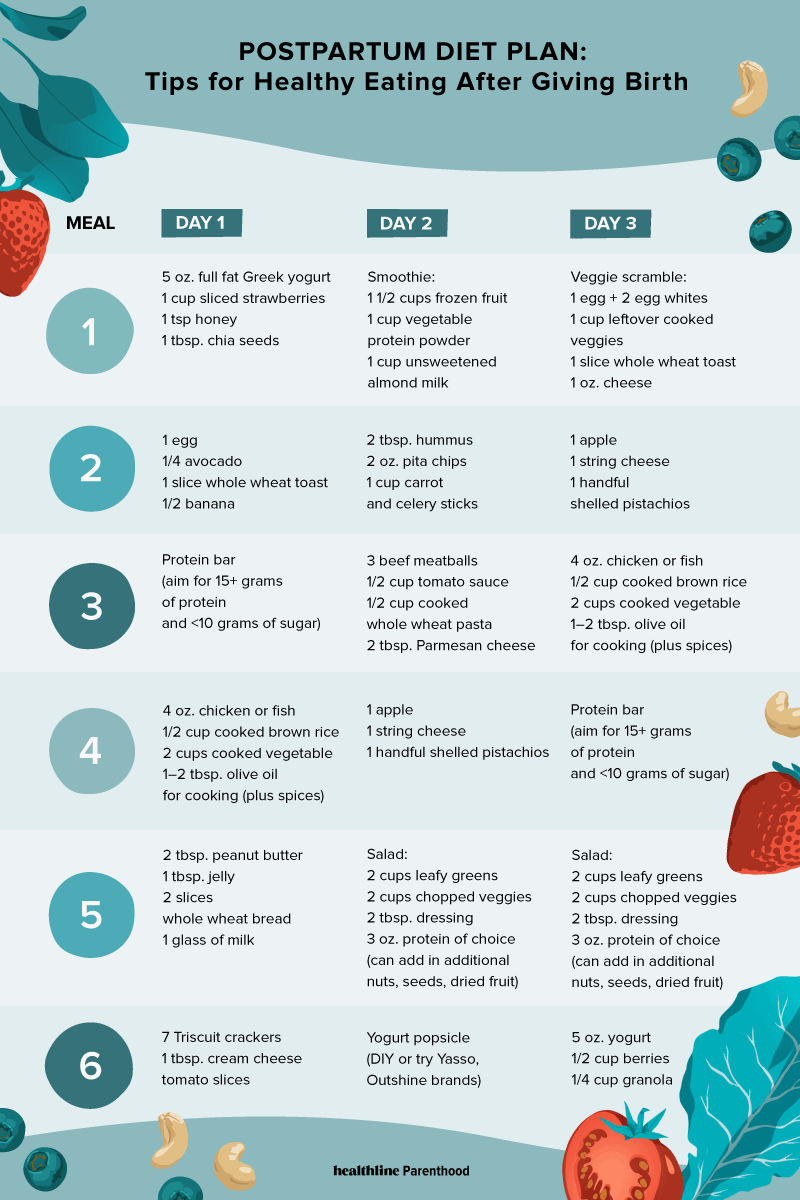
Credit: www.healthline.com
Meal Planning Tips
Meal planning during the postpartum period is crucial for new moms. It helps ensure they get the nutrition needed for recovery and energy. Here are some practical meal planning tips to make life easier during this time.
Easy-to-prepare Meals
Choose meals that are quick and simple to make. Sandwiches, salads, and smoothies are great options. These meals can be prepared in minutes and require minimal effort. Incorporate lean proteins, whole grains, and lots of veggies.
Consider recipes with few ingredients. Fewer ingredients mean less time in the kitchen. Look for dishes that use pantry staples. This reduces the need for frequent grocery trips.
Batch Cooking
Batch cooking can save a lot of time. Make larger quantities of soups, casseroles, or pasta dishes. Freeze individual portions for future meals. This way, you have ready-to-eat meals whenever needed.
Invest in good storage containers. Label them with the date and contents. This keeps your freezer organized. Aim to cook once a week. Dedicate a few hours to prepare multiple meals at once.
Batch cooking reduces stress and ensures you always have healthy options available. It’s a lifesaver for busy new moms.
Sample Postpartum Meal Plan
Creating a postpartum meal plan can help new mothers stay nourished and energized. This can support recovery, boost energy, and provide essential nutrients for breastfeeding. Here is a sample postpartum meal plan to guide you through this important period.
Breakfast Options
Start your day with a nutritious breakfast. Try oatmeal topped with fresh fruits and nuts. It provides fiber, vitamins, and healthy fats. Another option is a smoothie with spinach, banana, berries, and almond milk. Smoothies are quick to make and easy to digest. Whole grain toast with avocado and a boiled egg is also a great choice. It offers protein, healthy fats, and complex carbs.
Lunch And Dinner Ideas
For lunch, a quinoa salad with mixed greens, cherry tomatoes, and grilled chicken is an excellent option. It provides protein, fiber, and essential vitamins. Another idea is a lentil soup with carrots, celery, and spinach. Soups are easy on the stomach and can be made in advance.
Dinner can be a stir-fry with tofu, broccoli, bell peppers, and brown rice. This dish is packed with protein and vitamins. Alternatively, try baked salmon with sweet potatoes and steamed asparagus. Salmon is rich in omega-3 fatty acids, which are beneficial for both mom and baby.
Remember to drink plenty of water throughout the day. Staying hydrated is crucial, especially if you are breastfeeding.
Healthy Snacks
After childbirth, it’s important to stay nourished. Healthy snacks can help new mothers maintain their energy levels throughout the day. These snacks should be easy to prepare and packed with nutrients. Below, we’ll explore some quick energy boosters and nutrient-dense choices that are perfect for postpartum recovery.
Quick Energy Boosters
New mothers often need a quick pick-me-up. Here are some snacks that can provide a quick energy boost:
- Greek Yogurt with Honey: This combination offers protein and natural sugars.
- Banana with Almond Butter: Bananas provide potassium, and almond butter adds protein.
- Trail Mix: A mix of nuts and dried fruits can give you a quick energy boost.
- Apple Slices with Peanut Butter: Apples provide fiber, and peanut butter adds protein.
- Hard-Boiled Eggs: These are easy to prepare and rich in protein.
Nutrient-dense Choices
Nutrient-dense snacks are essential for postpartum recovery. They help replenish essential vitamins and minerals. Consider these options:
| Snack | Benefits |
|---|---|
| Hummus with Carrot Sticks | Rich in fiber and healthy fats. |
| Chia Pudding | High in omega-3 fatty acids and antioxidants. |
| Avocado Toast | Contains healthy fats and vitamins. |
| Cottage Cheese with Berries | Offers protein and antioxidants. |
| Edamame | High in protein and fiber. |
These snacks are not only nutritious but also easy to prepare. They can help new mothers stay energized and healthy.
Foods To Avoid
After childbirth, it’s crucial to focus on nutrition. A balanced diet helps in recovery and boosts energy. However, not all foods are beneficial. Some can cause discomfort or allergies in both mother and baby. Let’s explore the foods you should avoid in your postpartum meal plan.
Common Allergens
Common allergens can pose risks to your newborn. These include dairy, nuts, and shellfish. Breastfeeding mothers should be cautious. Allergens can pass through breast milk. Monitor your baby for any signs of allergies. Rash, fussiness, or digestive issues may indicate a problem.
High-sugar Foods
High-sugar foods can lead to energy crashes. They also contribute to unhealthy weight gain. Avoid candies, sugary drinks, and baked goods. Opt for natural sweeteners instead. Fresh fruits provide a healthier option. They offer vitamins and fiber without the sugar spike.
Supporting Mental Health
Postpartum is a delicate period for new mothers. Proper nutrition can play a vital role in supporting mental health. Eating the right foods can help reduce stress and provide comfort, making the postpartum journey smoother.
Stress-reducing Foods
Stress can negatively impact mental health. Including stress-reducing foods in a postpartum meal plan can make a significant difference.
- Oats: Rich in fiber and helps stabilize blood sugar levels.
- Blueberries: Packed with antioxidants and vitamin C, which combat stress.
- Salmon: High in omega-3 fatty acids, which improve mood and reduce anxiety.
- Spinach: Contains magnesium, which helps lower stress hormones.
- Nuts: Provide healthy fats and proteins that support brain health.
Comforting Meals
Comforting meals not only provide nourishment but also emotional support. These meals can be simple yet fulfilling, helping new mothers feel cared for.
- Chicken Soup: Warm, nourishing, and easy to digest.
- Mashed Potatoes: Soft texture and rich in potassium, supporting muscle function.
- Oatmeal with Fruits: A warm breakfast option, full of fiber and vitamins.
- Vegetable Stew: Packed with vitamins and minerals, offering a comforting feel.
- Herbal Teas: Chamomile or peppermint tea can calm the mind and body.
| Food | Benefits |
|---|---|
| Oats | Stabilizes blood sugar levels |
| Blueberries | Rich in antioxidants and vitamin C |
| Salmon | High in omega-3 fatty acids |
| Spinach | Contains magnesium |
| Nuts | Provides healthy fats and proteins |
Incorporating these foods into a postpartum meal plan can help support mental health. They provide essential nutrients and comfort, aiding in stress reduction and overall well-being.
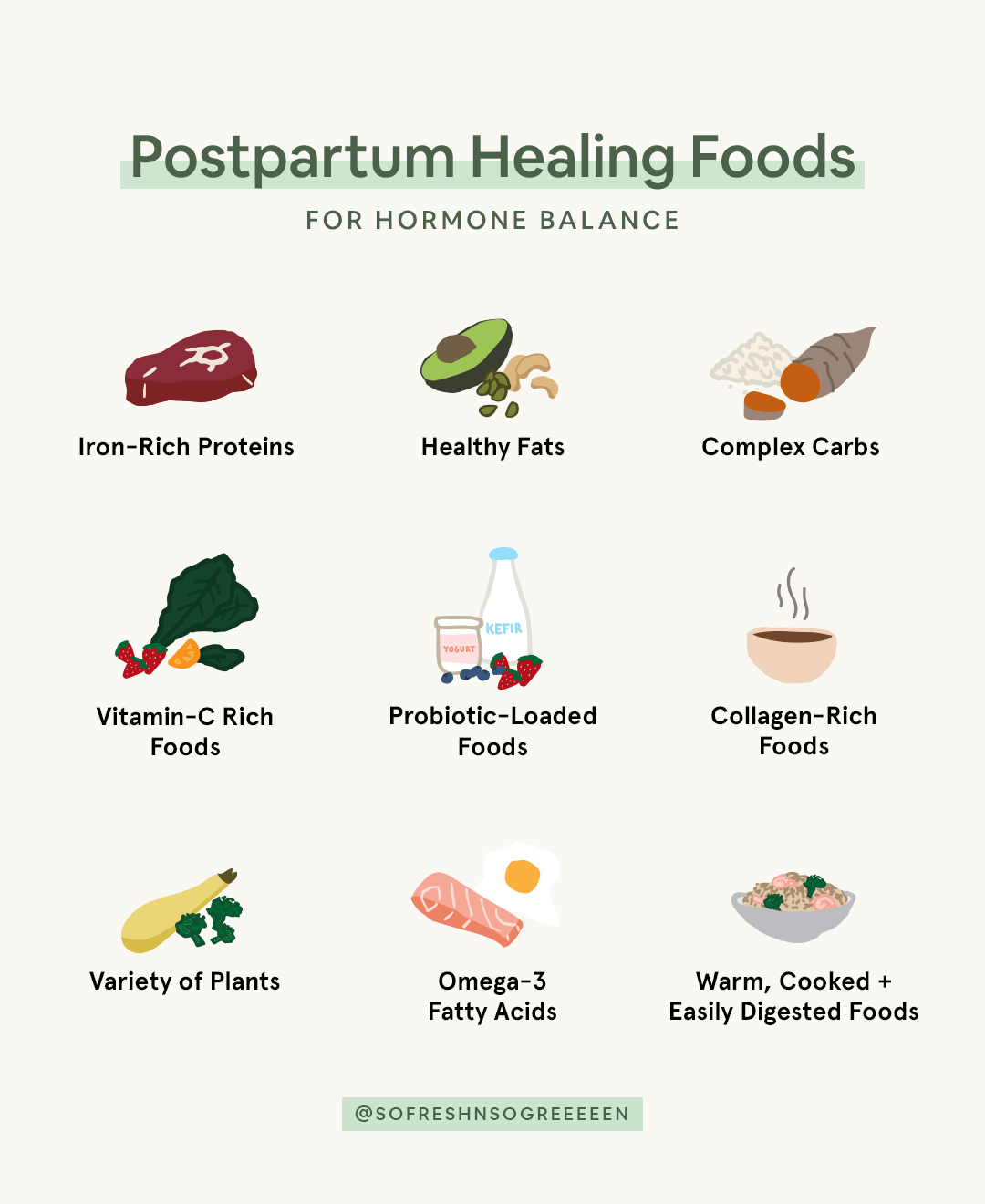
Credit: sofreshnsogreen.com
Frequently Asked Questions
What Is A Postpartum Meal Plan?
A postpartum meal plan is a diet plan designed to support new mothers. It focuses on nutritional needs to aid recovery, boost energy, and support breastfeeding.
Why Is A Postpartum Meal Plan Important?
A postpartum meal plan ensures new mothers get essential nutrients. It helps in quicker recovery, maintains energy levels, and supports breastfeeding.
What Foods Should Be Included In A Postpartum Meal Plan?
Include nutrient-dense foods like lean proteins, whole grains, fruits, vegetables, and healthy fats. These foods support recovery and provide energy.
How Can A Postpartum Meal Plan Aid Recovery?
A well-balanced postpartum meal plan provides essential nutrients. It helps in tissue repair, reduces inflammation, and boosts energy levels.
Conclusion
A well-planned postpartum meal plan supports new mothers. It provides essential nutrients and boosts recovery. Simple, balanced meals keep energy levels high. Hydration is also key for overall health. Healthy snacks can help with breastfeeding. Preparing meals ahead saves time and stress.
Loved ones can assist with cooking. Remember, self-care includes proper nutrition. Your body needs fuel to heal and nurture. Enjoy this special time with nutritious meals.