

Gaining weight can be as challenging as losing it. Meal prep helps streamline this process.
Meal prep for weight gain involves planning and preparing meals in advance. This method ensures you consume enough calories and nutrients. It saves time and makes it easier to stick to your goals. Whether you’re an athlete, underweight, or simply looking to add some healthy pounds, meal prep can be your best ally.
By focusing on nutrient-dense foods and balanced meals, you can achieve steady weight gain. This guide will show you how to create effective meal plans that cater to your needs. Get ready to learn the essentials of meal prep for weight gain and take control of your diet.

Credit: mealprepmanual.com
Introduction To Meal Prep For Weight Gain
Planning meals for weight gain helps you eat more calories and nutrients. It ensures a balanced diet with protein, carbs, and fats. Prepping meals saves time and supports your weight gain goals.
Gaining weight in a healthy way requires planning. Meal prep is crucial. It helps you stay on track and ensures you get the right nutrients. With meal prep, you can control what you eat and how much you eat. This is essential for weight gain.Importance Of Meal Prep
Meal prep saves time. You don’t have to cook every day. It also helps you avoid unhealthy choices. When you prep your meals, you know exactly what’s in your food. This helps you eat more calories. It also helps you get the nutrients your body needs.Benefits Of Gaining Weight
Gaining weight can improve your overall health. It can increase your energy levels. You will feel stronger. You may also improve your immune system. Gaining weight can also improve your appearance. It can help you build muscle. You will look and feel better. “`Setting Your Caloric Goals
Gaining weight can be challenging, but setting the right caloric goals is the first step. Understanding how many calories you need will help you plan your meals efficiently. Here, we’ll break down how to calculate your daily caloric needs and track your progress.
Calculating Daily Caloric Needs
First, you need to understand your Basal Metabolic Rate (BMR). This is the number of calories your body needs to function at rest. You can use the BMR calculator to find this number.
Next, multiply your BMR by your activity level to find your Total Daily Energy Expenditure (TDEE). Here is a simple table to help:
| Activity Level | Multiplier |
|---|---|
| Sedentary (little or no exercise) | 1.2 |
| Lightly active (light exercise/sports 1-3 days/week) | 1.375 |
| Moderately active (moderate exercise/sports 3-5 days/week) | 1.55 |
| Very active (hard exercise/sports 6-7 days a week) | 1.725 |
| Super active (very hard exercise/physical job) | 1.9 |
For example, if your BMR is 1500 calories and you’re moderately active, your TDEE is 1500 x 1.55 = 2325 calories.
Tracking Your Progress
It’s important to track your progress to ensure you are meeting your goals. Here are some tips:
- Use a food diary or app to log your meals.
- Weigh yourself weekly to monitor changes.
- Adjust your caloric intake based on your progress.
If you’re not gaining weight, add more calories. If you’re gaining too fast, reduce your intake slightly. Remember, consistency is key.
Choosing Nutrient-dense Foods
Gaining weight healthily involves more than just eating more food. Choosing nutrient-dense foods is key. These foods are rich in vitamins, minerals, and other nutrients. They help you gain weight without compromising your health. Let’s explore some high-calorie protein sources and healthy fats and carbohydrates.
High-calorie Protein Sources
Proteins are essential for muscle growth and repair. Here are some high-calorie options:
- Chicken Breast: A great source of lean protein.
- Salmon: Rich in protein and healthy fats.
- Eggs: Packed with protein and healthy fats.
- Greek Yogurt: High in protein and probiotics.
- Quinoa: Contains protein and all essential amino acids.
Healthy Fats And Carbohydrates
Fats and carbs are vital for energy. They help you gain weight in a healthy way.
| Healthy Fats | Healthy Carbohydrates |
|---|---|
| Avocados: High in healthy fats and fiber. | Sweet Potatoes: Rich in carbs and vitamins. |
| Nuts and Seeds: Full of fats and protein. | Oats: Great source of complex carbs and fiber. |
| Olive Oil: Adds healthy fats to any meal. | Brown Rice: Packed with carbs and fiber. |
| Nut Butters: Easy to add to snacks and meals. | Whole Grain Bread: Excellent source of carbs. |
Including these foods in your meal prep can help you achieve your weight gain goals. Focus on variety. Ensure you get a balance of proteins, fats, and carbs. This will make your diet more enjoyable and nutritious.
Meal Prep Strategies
Are you trying to gain weight? Meal prepping can help. With the right strategies, you can eat more calories. This can help you reach your weight gain goals. Here are some effective meal prep strategies.
Batch Cooking
Batch cooking is a great way to save time. Cook large amounts of food at once. Store them in the fridge or freezer. This way, you always have meals ready. Choose calorie-dense foods. Examples include pasta, rice, and potatoes. Cook them in bulk. Then add proteins like chicken, beef, or beans. Add healthy fats too. Use oils, nuts, or avocado.
Here is a simple batch cooking plan:
| Day | Meal | Ingredients |
|---|---|---|
| Monday | Lunch | Chicken, rice, broccoli |
| Wednesday | Dinner | Beef, potatoes, green beans |
| Friday | Lunch | Beans, quinoa, avocado |
Portion Control
Portion control is key to meal prep for weight gain. You need to eat enough calories. Use larger containers for meals. This helps you eat bigger portions. Add snacks between meals. Use snack-sized containers. Fill them with nuts, cheese, or dried fruit. These are high-calorie snacks. They are easy to carry.
Here is a portion control tip:
- Use a kitchen scale. Measure your food.
- Track your calorie intake. Use an app or journal.
- Adjust portions based on your weight goals.
Remember, meal prep for weight gain requires planning. Use these strategies to help you succeed.
Sample Meal Plans
Gaining weight in a healthy way requires careful planning. Meal prepping is a great strategy. It ensures you consume balanced, calorie-rich meals. Below, you will find sample meal plans. These will help you achieve your weight gain goals. Each section provides ideas for different meals of the day.
Breakfast Ideas
Start your day with a nutritious breakfast. Try oatmeal with nuts and dried fruit. Add a spoonful of honey for extra calories. Greek yogurt with granola and berries is another option. You can also make a smoothie. Use bananas, peanut butter, and whole milk. Scrambled eggs with cheese and avocado on whole grain toast is a hearty choice.
Lunch And Dinner Options
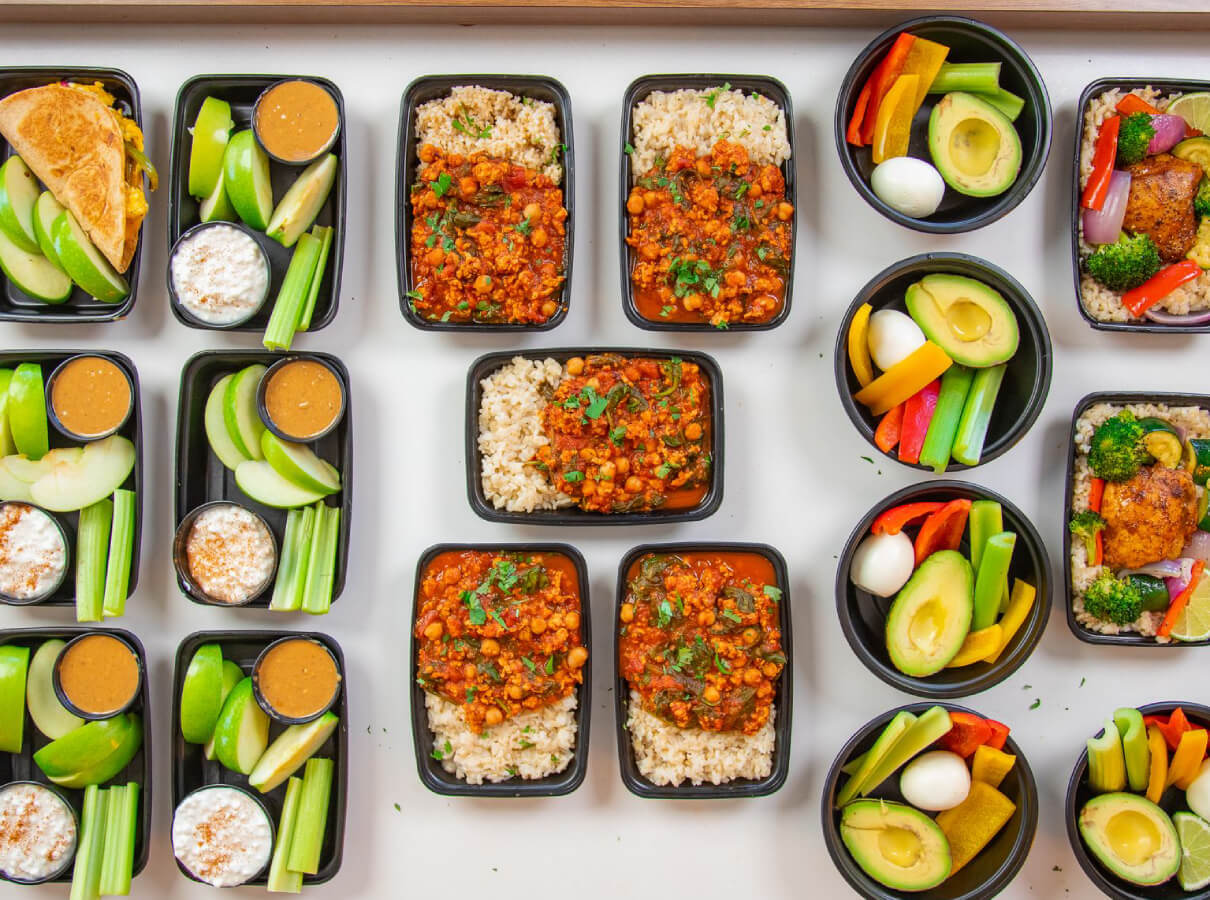
For lunch, a chicken and quinoa salad works well. Add avocado and olive oil dressing. Pasta with meat sauce is another filling option. Include a side of garlic bread. For dinner, try grilled salmon with sweet potatoes. Add a side of steamed broccoli. Another choice is beef stir-fry with brown rice. Include colorful veggies like bell peppers and snap peas. These meals provide the nutrients you need to gain weight.
Credit: fitmencook.com
Snack Options To Boost Caloric Intake
Struggling to gain weight? Adding snacks to your diet can help. Snack options can fill in gaps between meals and increase your daily caloric intake. Let’s explore some healthy and delicious snack options that can help you achieve your weight gain goals.
Healthy Snacks
Healthy snacks can provide you with the extra calories needed for weight gain. Here are some nutritious options:
- Nuts and Seeds: Almonds, walnuts, and chia seeds are calorie-dense.
- Greek Yogurt: High in protein and can be paired with fruits.
- Avocado Toast: Packed with healthy fats and easy to make.
- Hard-Boiled Eggs: Rich in protein and easy to carry around.
- Cheese and Crackers: Simple and provides a good mix of carbs and fats.
Smoothies And Shakes
Smoothies and shakes are perfect for adding extra calories. They are easy to make and can be consumed on the go. Here are some ideas:
| Ingredients | Calories |
|---|---|
| Peanut Butter Banana Smoothie: Banana, peanut butter, milk, honey. | ~ 400 |
| Protein Shake: Protein powder, milk, oats, berries. | ~ 350 |
| Green Smoothie: Spinach, avocado, Greek yogurt, apple juice. | ~ 300 |
| Chocolate Shake: Cocoa powder, banana, almond milk, protein powder. | ~ 450 |
Blend these ingredients together and enjoy a nutrient-packed drink. These smoothies and shakes can help you reach your caloric goals with ease.
Incorporating Supplements
Incorporating supplements into your meal prep can help you achieve weight gain goals. Supplements can provide additional calories, proteins, and nutrients. They support muscle growth and overall health. This section will cover two key types of supplements to consider.
Protein Powders
Protein powders are a popular supplement for weight gain. They offer a quick and easy way to increase protein intake. Whey, casein, and plant-based proteins are common options. Add them to shakes, smoothies, or even oatmeal. Protein supports muscle growth and repair. It’s vital for those aiming to gain weight and muscle mass.
Caloric Supplements
Caloric supplements are designed to boost calorie intake. They come in various forms like shakes, bars, and powders. These supplements provide extra calories without needing to eat large amounts of food. They contain a mix of proteins, fats, and carbohydrates. This balance helps in gaining weight healthily. Including these in your meal prep can make your diet more calorie-dense.
Staying Consistent
Staying consistent with meal prep for weight gain can be challenging. Consistency is key to achieving and maintaining your weight gain goals. It’s not just about eating more food; it’s about creating a sustainable habit that aligns with your lifestyle and goals.
Overcoming Plateaus
Hitting a plateau can be frustrating. Here are some tips to overcome it:
- Track your progress: Keep a food diary to monitor your intake.
- Adjust portions: Increase portion sizes gradually to avoid overwhelming your system.
- Mix it up: Change your meal plan every few weeks to keep your body guessing.
Maintaining Motivation
Maintaining motivation is crucial to staying consistent. Here are some strategies:
- Set small goals: Break your big goal into smaller, achievable milestones.
- Reward yourself: Celebrate your successes with non-food rewards.
- Stay positive: Focus on your progress, not perfection.
Remember, consistency is a marathon, not a sprint. Small, steady changes will lead to long-term success.
Monitoring Your Health
Gaining weight through meal prep can be effective, but it’s crucial to monitor your health. Keeping track of your progress and making necessary adjustments ensures you are on the right path. This section discusses the importance of regular check-ups and adjusting your plan for optimal results.
Regular Check-ups
Regular check-ups are vital for anyone on a weight gain journey. Visiting your healthcare provider helps you understand your current health status. Routine check-ups can detect any potential health issues early. This prevents setbacks and ensures you are gaining weight healthily.
During these visits, your doctor will monitor key indicators such as:
- Body weight
- Body mass index (BMI)
- Blood pressure
- Cholesterol levels
- Blood sugar levels
These indicators give a clear picture of your health. They help you stay on track with your weight gain goals.
Adjusting Your Plan
Adjusting your meal prep plan is essential for continuous progress. Your body’s needs change as you gain weight. Adjusting your plan ensures you are meeting these new needs. Here’s how you can adjust your plan effectively:
- Evaluate your calorie intake: Increase your calorie intake if your weight gain is slow. Decrease it if you are gaining too quickly.
- Review your macronutrients: Balance proteins, fats, and carbohydrates. Adjusting these helps in gaining lean muscle mass.
- Include varied foods: Add different types of foods to your diet. This ensures you get all necessary nutrients.
- Track your progress: Keep a food diary. Track what you eat and how your body responds.
Regular adjustments keep your meal prep plan effective. They ensure you are gaining weight in a healthy manner.
Credit: www.kingsbookstore.com
Frequently Asked Questions
What Is Meal Prep For Weight Gain?
Meal prep for weight gain involves planning and preparing nutrient-dense meals in advance. This helps ensure consistent calorie intake and supports muscle growth.
How Often Should I Meal Prep?
Meal prep can be done once or twice a week. This helps maintain a consistent eating schedule and saves time.
What Foods Are Best For Weight Gain?
Foods high in protein, healthy fats, and complex carbs are best. Examples include chicken, avocados, nuts, quinoa, and sweet potatoes.
Can Meal Prep Help Build Muscle?
Yes, meal prep ensures you consume enough calories and nutrients. This supports muscle growth and recovery after workouts.
Conclusion
Planning meals for weight gain can be simple and effective. Focus on high-calorie, nutritious foods. Prepare meals in advance to save time and stay on track. Consistency is key for seeing results. Mix proteins, carbs, and healthy fats in every meal.
Stay hydrated and get enough rest. Track your progress and adjust as needed. Meal prep helps you achieve your weight gain goals efficiently. Stick to your plan and enjoy the journey to a healthier you.