

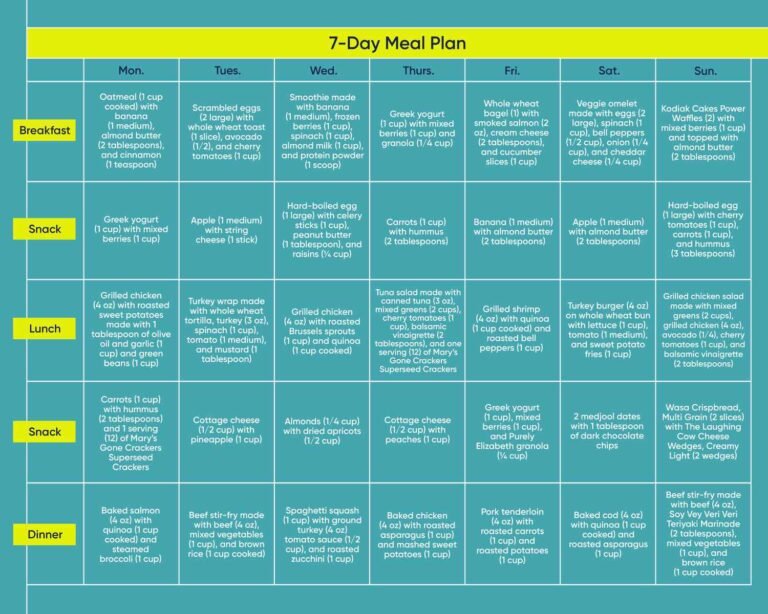
A dietitian meal plan offers a structured approach to eating healthy. It provides balance, variety, and nutrition tailored to your needs.
Eating well can be overwhelming with all the choices out there. A dietitian meal plan simplifies this process. It helps you make informed decisions about what to eat. This plan caters to your specific dietary needs and goals. Whether you want to lose weight, manage a condition, or just eat healthier, a dietitian meal plan can guide you.
By focusing on nutrient-rich foods, portion control, and balanced meals, you can improve your health and well-being. So, let’s explore how a dietitian meal plan can make a difference in your life.
Introduction To Dietitian Meal Plans
A dietitian meal plan is a personalized eating guide. It is created by a professional dietitian. This plan helps you eat the right foods. It meets your health needs and goals. Whether you want to lose weight, gain muscle, or manage a medical condition, a dietitian meal plan can help.
Importance Of Meal Planning
Meal planning is crucial for a healthy lifestyle. It ensures you get the right nutrients. It helps you avoid unhealthy food choices. It also saves time and money. With a well-planned meal, you know what to eat and when to eat it.
Here are some reasons why meal planning is important:
- Ensures balanced nutrition
- Prevents overeating
- Reduces food waste
- Saves time and money
Benefits Of A Dietitian
A dietitian brings many benefits to your meal planning. They have expertise in nutrition. They can tailor a meal plan to your specific needs. This ensures you get the right balance of nutrients.
Here are some benefits of working with a dietitian:
- Personalized nutrition advice
- Professional support and guidance
- Management of health conditions
- Improved eating habits
Working with a dietitian ensures that your meal plan is effective. It also ensures it is sustainable in the long run. This can lead to better health and a higher quality of life.
:max_bytes(150000):strip_icc()/Innovation_Issue_Nutrition_Analysis-2c16f9c2381a4086bc039eaf33f7f733.jpg)
Credit: www.shape.com
Customizing Your Meal Plan
Customizing your meal plan with a dietitian can make eating healthy easier. A personalized approach helps meet your specific needs and goals. It ensures you get the right nutrients for your body. This guide will help you understand how to create a meal plan tailored to you.
Assessing Your Health Goals
First, understand your health goals. Do you want to lose weight? Gain muscle? Improve overall health? A dietitian will ask about your goals. This helps create a plan that works for you. Clear goals make it easier to track progress.
Your lifestyle also affects your meal plan. Busy schedules need quick and easy meals. A dietitian considers your daily routine. This ensures your meal plan is practical.
Tailoring To Dietary Needs
Everyone has unique dietary needs. Some people need more protein. Others need fewer carbs. A dietitian can identify these needs. This helps create a balanced meal plan.
Allergies and intolerances are important too. Avoiding certain foods is crucial. A dietitian ensures your meal plan is safe. They find alternatives to keep your diet varied and enjoyable.
Your preferences matter. Enjoying your food is important. A dietitian includes your favorite foods in the meal plan. This makes it easier to stick to the plan.
Nutritional Components
Understanding the nutritional components of a dietitian meal plan is key to achieving a balanced and healthy diet. This section breaks down the essential macronutrients and micronutrients your body needs to function optimally.
Macronutrients Breakdown
Macronutrients include carbohydrates, proteins, and fats. Each plays a unique role in your body.
- Carbohydrates: They are your body’s main source of energy. Focus on whole grains, fruits, and vegetables.
- Proteins: These are essential for building and repairing tissues. Include lean meats, beans, and nuts.
- Fats: Important for brain health and energy. Opt for healthy fats from fish, avocados, and olive oil.
Essential Micronutrients
Micronutrients include vitamins and minerals. They support various bodily functions.
| Micronutrient | Sources | Benefits |
|---|---|---|
| Vitamin C | Citrus fruits, strawberries, bell peppers | Boosts immune system |
| Calcium | Dairy products, leafy greens | Strengthens bones and teeth |
| Iron | Red meat, lentils, spinach | Supports red blood cell production |
Ensure your meal plan includes a variety of foods. This way, you get all the essential nutrients your body needs.

Credit: nutritioapp.com
Planning Balanced Meals
Planning balanced meals is key to a healthy diet. A dietitian meal plan helps you get all the nutrients you need. It ensures your meals are diverse and balanced. This means including proteins, carbohydrates, fats, vitamins, and minerals in the right amounts.
Creating A Weekly Menu
Creating a weekly menu saves time and reduces stress. Start by making a list of your favorite healthy meals. Then, assign these meals to different days of the week. This way, you know what you need to buy and cook.
Make sure to include a mix of proteins, vegetables, and whole grains. For example, plan chicken with veggies on Monday, fish and salad on Tuesday, and so on. This approach keeps your diet varied and interesting.
Incorporating Variety
Incorporating variety in your meal plan is crucial. Eating the same foods every day can be boring. It can also lead to nutrient deficiencies. Try to include different types of fruits, vegetables, and proteins.
For instance, have spinach one day and broccoli the next. Switch between chicken, fish, and beans as protein sources. This ensures you get a range of nutrients and flavors. It also makes your meals more exciting.
Shopping And Preparation Tips
Creating a dietitian meal plan can seem challenging. Shopping and preparation tips can make it easier. These tips save time and reduce stress. They also help you stay on track with your meal plan.
Smart Grocery Shopping
Make a list before you shop. Write down all needed items. This prevents impulse buys. Stick to your list to save money.
Shop the perimeter of the store. This is where fresh foods are found. Produce, meats, and dairy are located here. Avoid the middle aisles. They often contain processed foods.
Buy in bulk if possible. Items like rice, beans, and oats store well. Use them in many recipes. This saves money and reduces trips to the store.
Meal Prep Strategies
Plan meals for the week. Write out what you will eat each day. This helps with grocery shopping. It also ensures you have healthy meals ready.
Cook in batches. Make large portions of soups, stews, or casseroles. Freeze them in single servings. This gives you quick meal options.
Prep ingredients ahead of time. Wash and chop vegetables. Cook grains and proteins. Store them in containers. This makes meal assembly fast and easy.
Use a slow cooker or Instant Pot. These appliances save time. They also make cooking simple. Just add ingredients and let them cook.
Keep healthy snacks on hand. Fresh fruit, nuts, and yogurt are good options. These prevent you from reaching for unhealthy snacks.
Overcoming Common Challenges
Creating a dietitian meal plan is the first step towards a healthier lifestyle. Yet, sticking to it can be hard. Many face common challenges that hinder their progress. Understanding these obstacles can help you stay on track.
Staying Motivated
Motivation often starts high but can fade over time. To keep going, set small, achievable goals. Celebrate each success, no matter how small. This creates positive reinforcement. Keep a journal to track your progress and feelings. Seeing improvements can boost your morale.
Another tip is to find a support system. Friends or family can offer encouragement. Join online communities with similar goals. Sharing experiences and tips can be motivating. Remember why you started. Remind yourself of the benefits of a healthy diet.
Handling Cravings
Cravings can derail your meal plan. They often come from stress or boredom. To manage cravings, keep healthy snacks on hand. Fruits, nuts, and yogurt are good options. These can satisfy hunger without ruining your plan.
Drink water regularly. Sometimes, thirst is mistaken for hunger. Distract yourself with activities. Go for a walk, read a book, or call a friend. Keeping busy can make cravings pass. Cravings are normal. It’s okay to indulge occasionally. Just be mindful of portions and frequency.
Monitoring Progress
Monitoring your progress is crucial when following a dietitian meal plan. Keeping track of what you eat and how you feel can help you stay on track. It also allows your dietitian to make necessary adjustments. Let’s explore how to do this effectively.
Tracking Your Intake
Tracking your intake involves recording everything you eat and drink. This can be done using a food diary or a mobile app. Here are some tips:
- Write down every meal, snack, and drink.
- Include portion sizes and ingredients.
- Note the time you ate.
- Record how you felt after eating.
This information helps identify any patterns or triggers. It also provides a clear picture of your eating habits.
Adjusting The Plan
Adjusting the meal plan is sometimes necessary. Your dietitian will review your food diary to see what is working and what is not. Adjustments may include:
- Changing portion sizes.
- Introducing new foods.
- Removing foods that cause discomfort.
- Altering meal times.
Regular check-ins with your dietitian ensure your meal plan remains effective. It also helps in achieving your health goals.
Success Stories
Success stories from dietitian meal plans inspire and motivate others. Many people have transformed their lives with guided meal planning. These real-life examples highlight the benefits of a structured diet. They also show the positive impact on health and well-being.
Real-life Examples
Meet Sarah, a busy mom of two. She struggled with weight gain for years. A dietitian helped her create a balanced meal plan. Within six months, Sarah lost 30 pounds. She felt more energetic and confident.
John, a 45-year-old office worker, faced health issues. His dietitian suggested meal plans tailored to his needs. After following the plan, his cholesterol levels improved. He now enjoys a healthier lifestyle.
Lessons Learned
Consistency is key. Sticking to the meal plan brings results. Both Sarah and John followed their plans diligently. Their success stories show the importance of commitment.
Personalization matters. A dietitian tailors meal plans to individual needs. This approach ensures the plan fits personal preferences and health goals.
Support is crucial. Having a dietitian for guidance and encouragement helps. Regular check-ins keep you on track. They provide motivation to continue.
Conclusion And Next Steps
You’ve followed your dietitian’s meal plan and seen great results. But what’s next? Sustaining your progress and seeking further help are crucial. Let’s explore how to maintain long-term success and where to find additional guidance.
Maintaining Long-term Success
Sticking to healthy habits is essential for ongoing success. Plan your meals ahead. This reduces the temptation to eat unhealthy foods. Keep a food journal. It helps track what you eat and spot patterns. Stay hydrated. Drinking water can improve digestion and keep you full.
Exercise regularly. Combine your healthy eating with physical activity. This strengthens your body and boosts your mood. Find a routine that fits your lifestyle. Remember, small steps lead to lasting changes. Celebrate your progress, no matter how small.
Seeking Further Guidance
Need more help? Consult your dietitian for additional support. They can adjust your meal plan as your needs change. Join a support group. Sharing your journey with others can provide motivation. Look for local or online communities focused on healthy eating.
Educational resources are also valuable. Read books or follow reliable blogs about nutrition. Stay informed about new research and tips. Your journey to health is ongoing. Keep learning and seeking advice from trusted sources.

Credit: wellresourced.com
Frequently Asked Questions
What Is A Dietitian Meal Plan?
A dietitian meal plan is a customized eating plan. It is created by a registered dietitian. It aims to meet individual health goals and dietary needs.
How Does A Dietitian Meal Plan Work?
A dietitian meal plan works by assessing your dietary needs. The dietitian then creates a balanced meal plan. It includes nutritious foods that fit your lifestyle.
Can A Dietitian Meal Plan Help With Weight Loss?
Yes, a dietitian meal plan can aid in weight loss. It focuses on balanced, portion-controlled meals. It helps you achieve sustainable weight loss.
Are Dietitian Meal Plans Suitable For Everyone?
Yes, dietitian meal plans can be tailored for everyone. They can address various health conditions and dietary preferences. This ensures individualized nutritional support.
Conclusion
A dietitian meal plan makes healthy eating easier and more effective. It provides structure, balance, and variety. Stick to the plan, and you’ll see improvements in your health. Remember to listen to your body and adjust as needed. Consistency is key.
Small changes lead to big results over time. Stay committed, and enjoy the journey to better health. Eating well does not have to be hard. With a dietitian meal plan, healthy choices become second nature. Start today and take the first step toward a healthier you.