

Intermittent fasting has gained immense popularity for its potential health benefits. But what exactly should you eat during your eating windows?
Understanding the right foods to include in your intermittent fasting routine can make a huge difference. It’s not just about when you eat, but also what you eat. Choosing nutrient-dense foods can enhance your fasting results and keep you feeling satisfied.
This guide will introduce you to the best foods to include in your intermittent fasting plan. From proteins to healthy fats, we will cover everything you need to know to make the most of your eating windows. Dive in and discover how to create a balanced and nutritious intermittent fasting food list.
Introduction To Intermittent Fasting
Intermittent fasting is a popular eating pattern. It involves cycles of eating and fasting. This approach has gained significant attention for its potential health benefits and ease of adoption. Let’s explore what intermittent fasting is and its benefits.
What Is Intermittent Fasting?
Intermittent fasting is not a diet. It’s an eating schedule. People alternate between periods of eating and fasting. There are various methods of intermittent fasting:
- 16/8 Method: Fast for 16 hours, eat during an 8-hour window.
- 5:2 Diet: Eat normally for 5 days, restrict calories for 2 days.
- Eat-Stop-Eat: Fast for 24 hours once or twice a week.
These methods offer flexibility. You can choose what fits your lifestyle best.
Benefits Of Intermittent Fasting
Intermittent fasting can have several benefits. Here are some key advantages:
- Weight Loss: Helps reduce calorie intake and burn fat.
- Improved Metabolism: Boosts metabolic rate, aiding weight management.
- Enhanced Brain Health: May improve brain function and protect against diseases.
- Longevity: Can increase lifespan by promoting cellular repair.
- Reduced Inflammation: Lowers markers of inflammation in the body.
These benefits make intermittent fasting an attractive option. It’s simple and effective.
Foods To Eat During Eating Windows
Intermittent fasting can be a great way to manage your health and weight. But what you eat during your eating windows is just as important. Choosing the right foods can keep you full and energized. Let’s explore some foods to include during these periods.
Nutrient-dense Foods
Nutrient-dense foods are packed with vitamins and minerals. Leafy greens like spinach and kale are excellent choices. They provide essential nutrients without many calories. Berries are another great option. They are full of antioxidants and low in sugar.
Whole grains like quinoa and brown rice are also beneficial. They offer fiber, which helps keep you full longer. Lean proteins such as chicken breast and tofu can help maintain muscle mass. Nuts and seeds, like almonds and chia seeds, are rich in healthy fats. These fats are crucial for overall health.
Hydrating Foods
Staying hydrated is vital during intermittent fasting. Water-rich foods can help with this. Cucumbers are an excellent choice. They are mostly water and very refreshing. Watermelon is another great option. It has high water content and natural sweetness.
Oranges and strawberries are also hydrating and full of vitamins. Soups and broths can be very hydrating. They also provide electrolytes. Yogurt and smoothies can offer hydration and nutrition. They are easy to digest and can be very satisfying.
High-protein Foods
Intermittent fasting can be an effective way to manage weight and improve health. Choosing the right foods is crucial. High-protein foods are essential as they help you feel full longer, build muscle, and maintain energy levels. In this section, we will explore two main sources of high-protein foods: lean meats and plant-based proteins.
Lean Meats
Lean meats are an excellent source of protein. They are low in fat and rich in essential nutrients. Here are some examples:
| Type of Lean Meat | Protein Content (per 100g) |
|---|---|
| Chicken Breast | 31g |
| Turkey Breast | 29g |
| Lean Beef | 26g |
| Pork Loin | 25g |
Include these lean meats in your diet. They are versatile and can be cooked in many ways. Grilling, baking, or steaming are healthy options. Always choose fresh, high-quality meats for the best results.
Plant-based Proteins
Plant-based proteins are great for those who prefer a vegetarian or vegan diet. They are rich in protein and other essential nutrients. Here are some popular options:
- Lentils: 9g of protein per 100g. They are easy to cook and can be added to soups, stews, and salads.
- Chickpeas: 19g of protein per 100g. These can be used in salads, curries, and homemade hummus.
- Tofu: 8g of protein per 100g. Tofu is versatile and can be grilled, stir-fried, or added to soups.
- Quinoa: 4g of protein per 100g. Quinoa is a complete protein and can be used in salads, bowls, and as a side dish.
Plant-based proteins are not only rich in protein but also in fiber and other nutrients. They are an excellent addition to any intermittent fasting diet. Ensure you diversify your protein sources for a balanced diet.

Credit: www.pinterest.com
Healthy Fats
Healthy fats are essential for a balanced diet, especially during intermittent fasting. They provide energy, support cell growth, and help absorb nutrients. Including healthy fats in your meals can make fasting easier and more effective. Here are some top sources of healthy fats to include in your intermittent fasting food list.
Avocados
Avocados are rich in healthy fats. They contain monounsaturated fats, which are good for your heart. These fats help lower bad cholesterol levels. Avocados also provide fiber, which helps you feel full. Add them to salads, smoothies, or eat them plain with a sprinkle of salt.
Nuts And Seeds
Nuts and seeds are excellent sources of healthy fats. Almonds, walnuts, and chia seeds are particularly good choices. They provide omega-3 fatty acids, which are beneficial for brain health. Nuts and seeds also contain protein and fiber. This combination helps keep hunger at bay. Enjoy them as snacks or add them to your meals for extra crunch and nutrition.
Complex Carbohydrates
Complex carbohydrates are important in an intermittent fasting diet. They provide steady energy and keep you feeling full longer. Foods rich in complex carbs are also packed with fiber, vitamins, and minerals. Including them in your meals can help maintain a balanced diet. Let’s explore some healthy options.
Whole Grains
Whole grains are a great source of complex carbohydrates. They digest slowly and keep your blood sugar stable. Examples include brown rice, quinoa, and whole wheat bread. These grains are rich in fiber and essential nutrients. They help you stay full and energized throughout the day.
Oats are another excellent choice. They are versatile and can be used in many recipes. From breakfast porridge to savory dishes, oats offer many options. Barley and bulgur are also worth adding to your diet. They provide texture and nutrition to soups and salads.
Vegetables
Vegetables are another excellent source of complex carbs. They are low in calories but high in nutrients. Sweet potatoes, for example, are packed with vitamins and fiber. They can be baked, mashed, or added to stews.
Other good choices include carrots, beets, and squash. These vegetables are delicious and nutritious. Leafy greens like spinach and kale also contain complex carbs. They add bulk to your meals without many calories.
Including a variety of vegetables in your diet ensures you get different nutrients. It also keeps your meals interesting and flavorful. Aim to fill half your plate with vegetables for a balanced meal.

Credit: infografolio.com
Fiber-rich Foods
Fiber-rich foods play a crucial role in intermittent fasting. They help you feel full longer. They also aid digestion and stabilize blood sugar levels. Including fiber-rich foods in your diet is a smart choice. Let’s explore two excellent sources of fiber: legumes and berries.
Legumes
Legumes are packed with fiber. They are also high in protein. Beans, lentils, and chickpeas are all great options. These foods help you stay full and provide essential nutrients. You can add them to salads, soups, or even snacks. They are versatile and easy to prepare.
Berries
Berries are another fantastic source of fiber. They are low in calories and high in vitamins. Blueberries, raspberries, and strawberries are popular choices. You can eat them fresh or frozen. Berries make a delicious addition to smoothies, yogurt, or oatmeal. They are sweet and nutritious, making them a perfect snack.
Beverages To Include
Intermittent fasting is a popular method to manage weight and improve health. Choosing the right beverages during fasting periods is crucial. Here, we’ll explore some of the best beverage options to keep you hydrated and satisfied.
Water
Water is essential during intermittent fasting. It keeps you hydrated and supports many bodily functions. Drinking enough water can help curb hunger pangs. Plain water is the best option. You can also try adding a slice of lemon or cucumber for flavor. These additions don’t break your fast.
| Type | Description |
|---|---|
| Plain Water | Zero calories, best for hydration. |
| Infused Water | Water with lemon, cucumber, or mint. Adds flavor without calories. |
Herbal Teas
Herbal teas are another excellent choice during fasting. They are naturally calorie-free and offer various health benefits. Choose teas that do not contain any sweeteners or additives. Popular options include peppermint tea, chamomile tea, and ginger tea. These can help with digestion and relaxation.
- Peppermint Tea: Soothes the stomach and aids digestion.
- Chamomile Tea: Calms the nerves and helps with sleep.
- Ginger Tea: Reduces inflammation and supports the immune system.
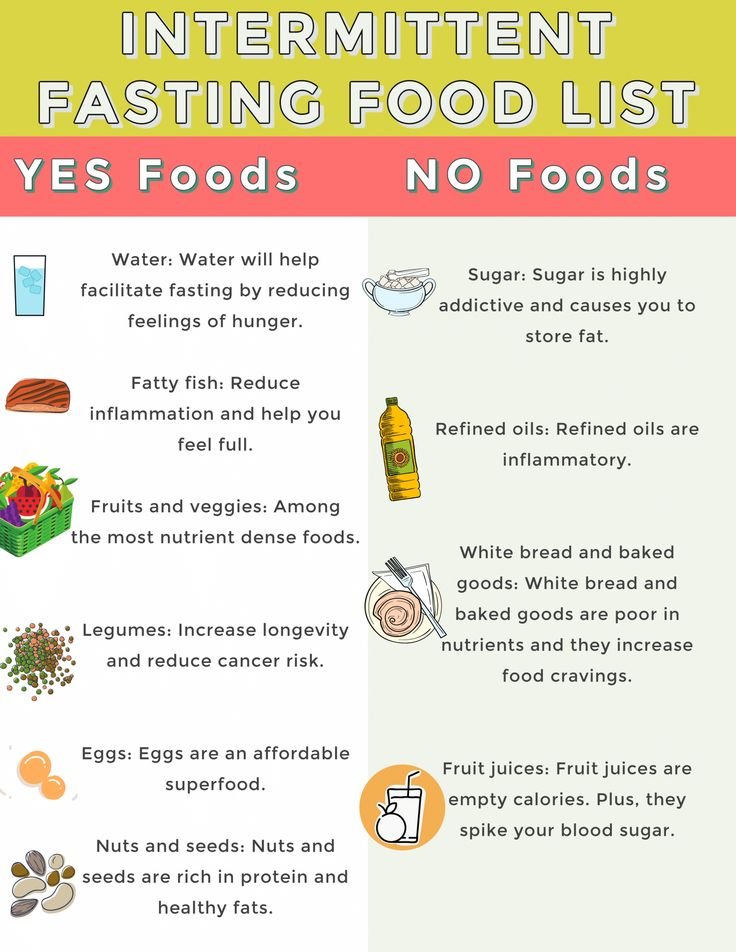
Foods To Avoid
Intermittent fasting can be a great way to boost your health. But to get the best results, you need to avoid certain foods. These foods can hinder your progress and make fasting harder. Here are some foods you should steer clear of during intermittent fasting.
Sugary Foods
Sugary foods can spike your blood sugar levels. This leads to energy crashes and cravings. Avoid sweets, candies, and pastries. They provide empty calories and no real nutrients. This makes it harder to stick to your fasting plan. Read food labels carefully. Many processed foods hide sugars under different names. Stay away from sugary drinks too. This includes soda, sweetened teas, and energy drinks.
Processed Foods
Processed foods are often packed with unhealthy ingredients. This includes trans fats, sodium, and artificial additives. They can cause inflammation and weight gain. Examples include chips, frozen dinners, and fast food. These foods are often low in nutrients. They also make you feel hungry sooner. Choose whole, natural foods instead. Fresh fruits, vegetables, and lean proteins are better options.
Sample Meal Plan
Intermittent fasting has become a popular method for weight loss and improved health. A key part of this lifestyle is knowing what to eat during your eating windows. Below is a sample meal plan that provides delicious and nutritious options for your intermittent fasting days.
Breakfast Options
Even if you skip breakfast, having a light meal when you break your fast is crucial. Here are some healthy options:
- Greek Yogurt with Berries: A cup of Greek yogurt topped with fresh berries.
- Avocado Toast: Whole grain toast with mashed avocado and a sprinkle of salt.
- Smoothie: Blend spinach, banana, and almond milk for a quick drink.
- Oatmeal: Cook oats with water or milk, add a handful of nuts.
Lunch And Dinner Options
For lunch and dinner, focus on balanced meals with protein, healthy fats, and vegetables. Here are some ideas:
| Meal | Description |
|---|---|
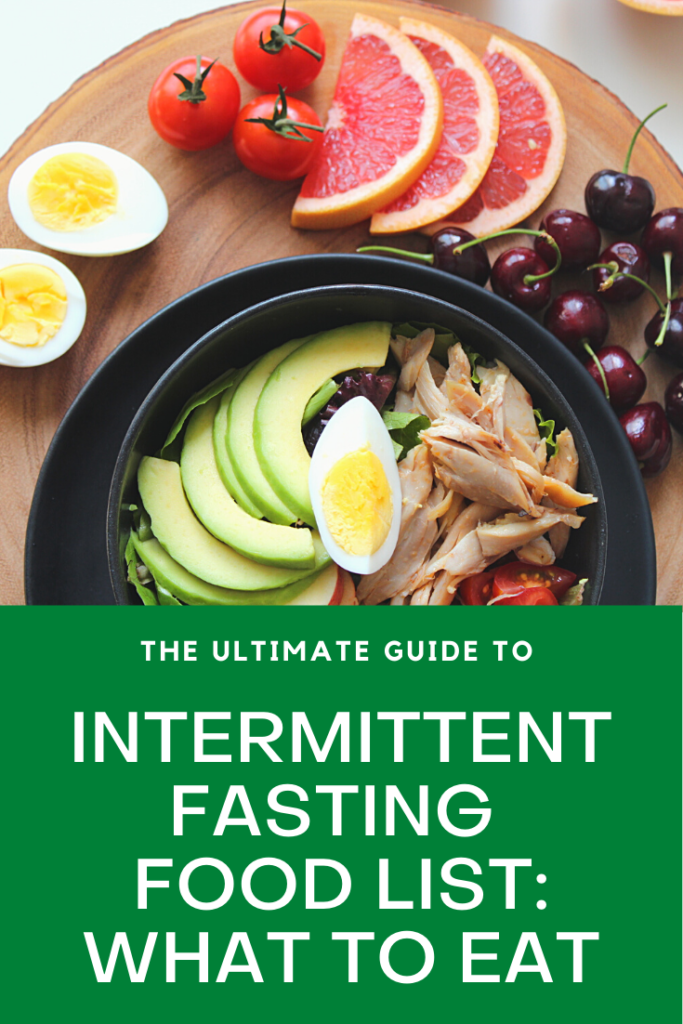
| Grilled Chicken Salad | Mixed greens, cherry tomatoes, grilled chicken, and a light vinaigrette. |
| Quinoa Bowl | Quinoa with black beans, corn, avocado, and a squeeze of lime. |
| Salmon and Veggies | Baked salmon with a side of steamed broccoli and carrots. |
| Stir-Fry | Stir-fried tofu with mixed vegetables and soy sauce. |
| Lentil Soup | Hearty lentil soup with carrots, celery, and onions. |
These meals can help you stay on track with your intermittent fasting. Enjoy a variety of foods to keep your meals interesting and nutritious.
Credit: missnutritionista.com
Frequently Asked Questions
What Foods Can I Eat During Intermittent Fasting?
During intermittent fasting, focus on whole foods. Eat lean proteins, vegetables, fruits, nuts, and healthy fats.
Can I Drink Coffee While Fasting?
Yes, you can drink black coffee during fasting. It has no calories and won’t break your fast.
Are Snacks Allowed In Intermittent Fasting?
Yes, but choose healthy snacks. Opt for nuts, fruits, or veggies to stay within your fasting goals.
What Should I Avoid During Intermittent Fasting?
Avoid sugary drinks, processed foods, and high-calorie snacks. These can disrupt your fasting and health goals.
Conclusion
Choosing the right foods is key for successful intermittent fasting. Stick to whole, nutritious foods. Balance your meals with proteins, healthy fats, and fiber. Stay hydrated with water, herbal teas, or black coffee. Listen to your body and adjust as needed.
Remember, consistency is important. With a balanced diet, intermittent fasting can be easier and more effective. Start today and enjoy the benefits of this eating pattern.