
A vegan pregnancy meal plan focuses on nutrition from plant-based foods. It supports the health of both mother and baby during this crucial time.
Pregnancy demands a balanced diet for the growing baby. A vegan diet can meet these needs with the right choices. It’s possible to get all essential nutrients from plant-based foods. This meal plan ensures you receive vital vitamins and minerals.
Eating a variety of fruits, vegetables, grains, and legumes helps maintain your health. It also supports the baby’s development. If you’re pregnant and vegan, this guide will help you plan your meals. Let’s explore how to nourish both you and your baby effectively.
:max_bytes(150000):strip_icc()/Vegetarian-Healthy-Preganancy-22C200_960px-019b9bc31d8041c49e99a765e14284c1.jpg)
Credit: www.eatingwell.com
Introduction To Vegan Pregnancy
Pregnancy is a beautiful and life-changing journey. For those following a vegan lifestyle, it can be equally rewarding. A vegan pregnancy meal plan focuses on plant-based foods, ensuring that both mother and baby get essential nutrients.
Benefits Of A Vegan Diet
A vegan diet offers numerous benefits during pregnancy. First, it is rich in vitamins and minerals. Fresh fruits, vegetables, grains, and legumes provide essential nutrients.
- High in Fiber: Helps in digestion and prevents constipation.
- Low in Saturated Fats: Promotes heart health.
- Rich in Antioxidants: Protects cells from damage.
Additionally, a vegan diet can help maintain healthy weight gain during pregnancy. Plant-based foods are often lower in calories but high in nutrients.
Common Concerns And Myths
There are many concerns and myths about vegan pregnancy. It is important to address these to ensure a smooth journey.
| Concern/Myth | Reality |
|---|---|
| Vegans don’t get enough protein | Plant-based proteins are abundant in beans, lentils, and tofu. |
| Calcium deficiency | Leafy greens, fortified plant milks, and almonds are rich in calcium. |
| Iron levels are too low | Spinach, chickpeas, and quinoa are excellent sources of iron. |
Proper planning and a varied diet can overcome these concerns. Consulting with a healthcare provider is also beneficial.

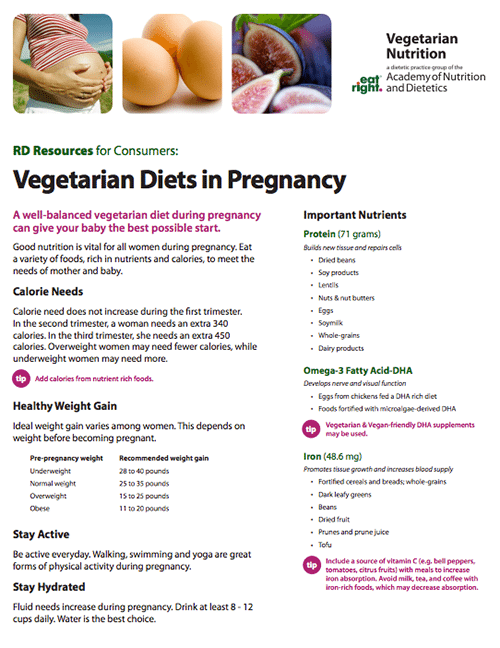
Credit: ru.pinterest.com
Essential Nutrients For Pregnant Vegans
A vegan pregnancy can be healthy and fulfilling. It’s important to focus on essential nutrients to support your baby’s development. Certain nutrients require special attention. This guide will help you understand the key nutrients needed and how to include them in your diet.
Protein Sources
Protein is vital for your baby’s growth. Pregnant women need more protein. Here are some great vegan protein sources:
- Beans and lentils
- Tofu and tempeh
- Quinoa
- Nuts and seeds
- Peanut butter
Iron And Vitamin B12
Iron helps in making extra blood for you and your baby. Vitamin B12 is crucial for your baby’s brain development. Here are some sources:
| Iron Sources | Vitamin B12 Sources |
|---|---|
| Spinach | Fortified cereals |
| Chickpeas | Fortified plant milks |
| Pumpkin seeds | Nutritional yeast |
Calcium And Vitamin D
Calcium is essential for your baby’s bones and teeth. Vitamin D helps your body absorb calcium. Ensure you include these:
- Fortified plant milks
- Fortified orange juice
- Broccoli
- Almonds
- Sunlight for Vitamin D
Omega-3 Fatty Acids
Omega-3 fatty acids are important for your baby’s brain and eyes. As a vegan, you can get these from:
- Flaxseeds
- Chia seeds
- Walnuts
- Hemp seeds
- Algal oil
Daily Meal Plan Ideas
Planning meals during pregnancy can feel challenging. A vegan diet provides all the nutrients needed for you and your baby. Below are some easy-to-follow daily meal plan ideas. These will ensure you get all the vitamins and minerals required for a healthy pregnancy.
Breakfast Options
Starting the day with a nutritious breakfast is important. Here are some ideas:
- Oatmeal with Fruits and Nuts: Cook oats in almond milk. Add sliced bananas, berries, and a handful of nuts.
- Smoothie Bowl: Blend spinach, frozen berries, banana, and flaxseeds with a cup of plant-based milk. Top with granola and chia seeds.
- Avocado Toast: Spread mashed avocado on whole-grain toast. Sprinkle with salt, pepper, and a splash of lemon juice.
Lunch Ideas
Keep your midday meals balanced and fulfilling with these options:
- Quinoa Salad: Mix cooked quinoa with chickpeas, cherry tomatoes, cucumber, and parsley. Dress with olive oil and lemon juice.
- Veggie Wrap: Fill a whole-wheat tortilla with hummus, spinach, grated carrots, and bell peppers. Add a sprinkle of nutritional yeast.
- Lentil Soup: Simmer red lentils, diced tomatoes, carrots, and celery in vegetable broth. Season with cumin and coriander.
Dinner Recipes
End your day with a hearty and satisfying dinner:
- Stuffed Bell Peppers: Fill bell peppers with a mixture of brown rice, black beans, corn, and salsa. Bake until tender.
- Tofu Stir-Fry: Sauté tofu with broccoli, bell peppers, and snap peas in soy sauce and ginger. Serve over brown rice.
- Eggplant Lasagna: Layer slices of roasted eggplant with marinara sauce, spinach, and vegan cheese. Bake until bubbly.
Snacks And Smoothies
Stay energized throughout the day with these snacks and smoothies:
- Trail Mix: Combine almonds, walnuts, dried cranberries, and dark chocolate chips.
- Hummus with Veggies: Dip baby carrots, cucumber slices, and bell pepper strips in homemade hummus.
- Green Smoothie: Blend kale, green apple, cucumber, and a splash of coconut water. Add a spoonful of hemp seeds.
Supplements For Vegan Pregnancy
Ensuring a healthy pregnancy while following a vegan diet involves careful planning. One essential aspect is taking the right supplements. A vegan diet can sometimes lack key nutrients needed for both mother and baby. Proper supplementation fills these gaps, supporting a healthy pregnancy.
Prenatal Vitamins
Prenatal vitamins are crucial for pregnant women, especially those on a vegan diet. These vitamins include essential nutrients like folic acid, iron, and calcium. Folic acid helps prevent birth defects. Iron supports the increase in blood volume during pregnancy. Calcium is vital for the development of the baby’s bones and teeth.
It’s important to choose a prenatal vitamin that includes vitamin B12. Vitamin B12 is often low in vegan diets. Omega-3 fatty acids, particularly DHA, are also important. They support brain development in the baby. Many vegan prenatal vitamins now include DHA from algae sources.
Individual Nutrient Supplements
Alongside prenatal vitamins, individual nutrient supplements may be necessary. These are specific nutrients that might not be sufficiently available in a vegan diet. Here is a table summarizing some key supplements:
| Supplement | Why It’s Important |
|---|---|
| Vitamin B12 | Essential for nerve function and red blood cell production. |
| Vitamin D | Supports bone health and immune function. |
| Iron | Prevents anemia and supports the increase in blood volume. |
| Calcium | Vital for the development of the baby’s bones and teeth. |
| Omega-3 DHA | Supports brain development in the baby. |
| Iodine | Essential for thyroid function and brain development. |
Taking these supplements ensures that both mother and baby receive the necessary nutrients. Always consult with a healthcare provider before starting any supplement. This ensures the safety and appropriateness for individual needs.
Managing Cravings And Aversions
Managing cravings and aversions during pregnancy can be challenging, especially on a vegan diet. Your body undergoes many changes, which can trigger unexpected food desires. Sometimes, you might feel repelled by foods you once loved. Knowing how to manage these cravings and aversions is key to a healthy vegan pregnancy.
Healthy Substitutes
Cravings for non-vegan foods can be tricky. Find plant-based alternatives. Craving cheese? Try cashew or almond cheese. Want a burger? Opt for a black bean or quinoa patty. These substitutes are not only delicious but also nutritious.
Sweet tooth acting up? Choose fresh fruits, dates, or dark chocolate. They satisfy your cravings without added sugars or unhealthy fats. Find what works for you and keep it handy. It makes resisting non-vegan options easier.
Dealing With Nausea
Nausea is common during pregnancy. Ginger tea can help. Sip it slowly throughout the day. Small, frequent meals can also ease nausea. Avoid large meals that can overwhelm your stomach.
Keep bland snacks like crackers or toast nearby. They are easy on the stomach. Hydration is crucial. Drink water, but in small sips. Staying hydrated helps manage nausea and keeps you feeling better.
Hydration And Fluid Intake
Maintaining proper hydration is vital during pregnancy, especially on a vegan diet. Water supports digestion, nutrient absorption, and overall well-being. Vegan diets, rich in fiber, may increase water needs. Here’s how to stay hydrated.
Importance Of Water
Water is crucial for your body’s functions. Pregnant women need more water for blood volume and amniotic fluid. Aim for at least 8-10 cups of water daily. Water helps transport nutrients to your baby. It also prevents dehydration, which can cause complications.
Herbal Teas And Safe Beverages
Herbal teas can be a good alternative to water. Choose pregnancy-safe herbs like ginger and peppermint. These teas can help with nausea and digestion. Avoid high-caffeine teas, which can affect hydration.
Fresh fruit juices, smoothies, and coconut water are also hydrating. These drinks provide essential vitamins and minerals. Ensure they are low in sugar to avoid extra calories.
Exercise And Physical Activity
Exercise and physical activity play an important role during pregnancy. They help maintain overall health and well-being for both mother and baby. For those following a vegan pregnancy meal plan, staying active is essential. It ensures proper nutrient absorption and supports a healthy pregnancy journey.
Safe Exercises
Pregnant women should focus on low-impact exercises. Walking is a great option. It is gentle on the joints and easy to do. Swimming is another excellent choice. It provides a full-body workout without stress on the body. Yoga is beneficial too. It enhances flexibility and reduces stress. Always consult a healthcare provider before starting any new exercise routine.
Benefits For Mother And Baby
Exercise offers numerous benefits for both mother and baby. For mothers, it helps manage weight gain. It also reduces the risk of gestational diabetes. Physical activity can improve mood and energy levels. It also eases common pregnancy discomforts like back pain.
For the baby, regular exercise by the mother can lead to better birth outcomes. It may result in a healthier birth weight. Exercise can also support the baby’s brain development. Staying active during pregnancy promotes overall health for both mother and child. It ensures a smoother pregnancy experience.
Tips For Meal Planning And Preparation
Planning and preparing meals can make a vegan pregnancy much easier. With a few simple tips, you can ensure you always have delicious and nutritious meals ready. This not only saves time but also helps maintain a balanced diet.
Grocery Shopping Tips
Start by making a list of all the ingredients you need. Stick to the list to avoid buying unnecessary items. Shop the perimeter of the store where fresh produce is located. Choose a variety of fruits, vegetables, grains, and plant-based proteins. Look for seasonal produce; it’s often fresher and more affordable. Read labels carefully to avoid hidden animal products. Bring your own bags to reduce waste and stay eco-friendly.
Batch Cooking And Meal Prep
Batch cooking can save you a lot of time. Cook large quantities of staple foods like grains and beans. Store them in the fridge or freezer for quick meals. Prepare fresh vegetables in advance. Chop, slice, and store them in airtight containers. This makes it easy to toss together a salad or stir-fry. Plan your meals for the week to avoid last-minute stress. Use storage containers to keep prepped meals organized. Label them with dates to ensure freshness.
Seeking Professional Guidance
Seeking professional guidance during a vegan pregnancy is essential. It ensures both you and your baby get the necessary nutrients. A well-planned vegan diet can support a healthy pregnancy. But it requires careful planning and expertise.
Consulting A Dietitian
Consulting a dietitian can provide personalized nutrition advice. A dietitian can help you create a balanced meal plan. They understand the specific needs of a vegan pregnancy. This guidance ensures you get enough protein, iron, calcium, and vitamins.
Dietitians can suggest plant-based sources for essential nutrients. They can also recommend supplements if needed. Seeking their expertise can prevent nutrient deficiencies. It can also help manage common pregnancy issues like nausea and fatigue.
Regular Check-ups And Monitoring
Regular check-ups are crucial during a vegan pregnancy. Your healthcare provider will monitor your health and baby’s growth. They can run tests to ensure you are getting enough nutrients. Regular monitoring helps detect any potential issues early.
These check-ups provide peace of mind. They ensure both you and your baby are thriving. Your healthcare provider can adjust your meal plan based on your needs. This ongoing support is vital for a healthy vegan pregnancy.
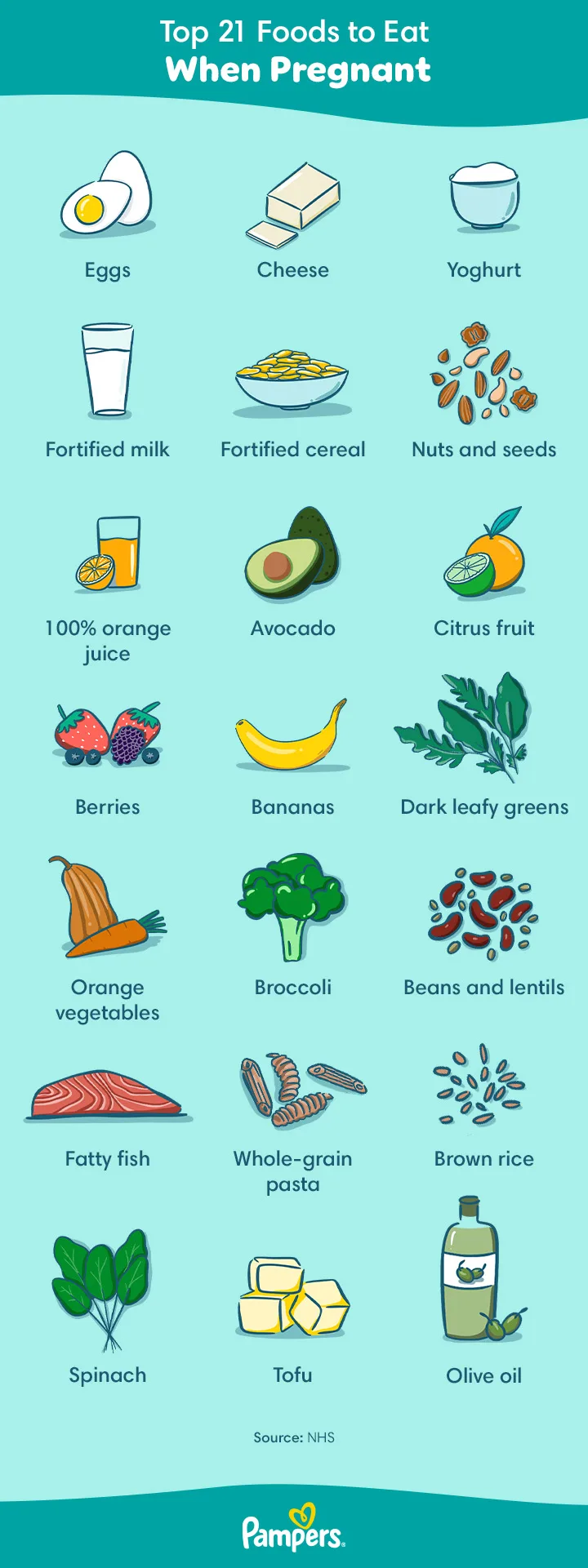
Credit: www.pampers.co.uk
Conclusion And Encouragement
Creating a vegan pregnancy meal plan can feel overwhelming. But with the right mindset and support, it is achievable. Here are some final thoughts to help you on your journey.
Positive Affirmations
Staying positive is key. Remind yourself daily that you are doing your best for your baby. Here are some affirmations to keep you motivated:
- I am providing my baby with the best nutrition.
- My body knows how to nourish my child.
- Every meal I prepare is a step towards a healthy pregnancy.
- I am strong and capable of making the right choices.
Write these affirmations down. Place them where you can see them every day. They will remind you of your strength and dedication.
Resources And Support Groups
You are not alone. Many resources are available to help you on your vegan pregnancy journey. Here are some options:
- Online forums and communities – Connect with other vegan moms.
- Books and e-books – Find guides written by nutrition experts.
- Nutritionists and dietitians – Seek professional advice tailored to your needs.
- Local support groups – Join groups in your area for in-person support.
Finding the right support system is crucial. They can provide advice, share recipes, and offer encouragement.
Remember, every step you take is a step towards a healthy pregnancy. Stay positive, seek support, and trust in your ability to nourish your baby.
Frequently Asked Questions
Is A Vegan Diet Safe During Pregnancy?
Yes, a well-planned vegan diet can be safe during pregnancy. It provides all necessary nutrients. Ensure you include a variety of foods.
What Nutrients Are Important In A Vegan Pregnancy?
Key nutrients include protein, iron, calcium, vitamin B12, and omega-3 fatty acids. These are vital for both mother and baby.
How Can Vegans Get Enough Protein While Pregnant?
Incorporate beans, lentils, tofu, tempeh, nuts, and seeds. These are excellent protein sources for a vegan pregnancy diet.
What Are Good Sources Of Iron For Vegan Pregnant Women?
Include dark leafy greens, lentils, chickpeas, and fortified cereals. Pair them with vitamin C-rich foods for better absorption.
Conclusion
A vegan pregnancy meal plan supports both mother and baby. It ensures balanced nutrition, aiding in healthy development. Focus on whole foods like fruits, vegetables, grains, and legumes. Stay hydrated and include essential vitamins and minerals. Listen to your body and adjust as needed.
Consulting a healthcare professional can provide personalized guidance. Embrace this journey with confidence, knowing you are nurturing life with every meal.