

Being underweight affects millions of people who struggle to gain weight despite their best efforts. This guide is designed for anyone with an underweight BMI (below 18.5), athletes looking to build muscle mass, people recovering from illness, or anyone who simply wants to add healthy pounds to their frame.
Many people assume that gaining weight when underweight is as simple as eating more junk food, but that approach can harm your health and leave you feeling sluggish. The key lies in understanding how to create a strategic, nutritious approach that builds both muscle and overall body mass.
We’ll walk you through the essential steps to healthy weight gain, starting with how to recognize when you’re truly underweight and need professional guidance. You’ll learn how to design a weight gain diet plan that includes calorie dense foods and appetite stimulant foods that actually nourish your body. We’ll also cover the role of muscle building exercises for weight gain and how to avoid the common mistakes that keep people stuck at low weights.
Whether you’re looking to transform from skinny to muscle or simply reach a healthier weight range, this comprehensive approach will give you the tools to gain weight safely and sustainably.
Understanding When You’re Underweight and Need to Gain Weight

Recognizing Underweight Using BMI Measurements
Understanding whether you need healthy weight gain starts with accurately assessing your current weight status. Underweight can be defined as having a body mass index (BMI) of less than 18.5 or weight that falls 15 to 20% below the typical weight for a person’s age. This standardized measurement system provides a reliable foundation for determining if weight gain is necessary.
BMI is a measurement that can show if you’re a healthy weight, requiring your height and weight for calculation. To determine your BMI, divide your weight in kilograms by your height in meters squared. For example, if you weigh 50 kg and are 1.7 meters tall, your BMI would be calculated as 50 ÷ (1.7 × 1.7) = 17.3, which falls into the underweight BMI category.
When your BMI falls below 18.5, it indicates that your body may not be receiving adequate nutrition to support optimal health and bodily functions. This measurement serves as an important starting point for anyone wondering how to gain weight when underweight, as it provides objective data rather than relying solely on subjective assessments of appearance.
Identifying Common Reasons for Being Underweight
Now that we have covered how to identify underweight status, it’s essential to understand the various factors that can contribute to this condition. Common reasons for being underweight include recovering from an illness, losing weight as you age, or athletes wanting to gain weight as muscle. Each of these situations presents unique challenges that may require different approaches to healthy weight gain.
Recovery from illness often leaves individuals with depleted energy stores and reduced muscle mass. During illness, the body’s metabolic demands increase while appetite typically decreases, creating a perfect storm for unwanted weight loss. The recovery process requires careful attention to rebuilding both strength and weight through proper nutrition.
Age-related weight loss is another significant factor, particularly among older adults who may experience changes in appetite, taste perception, or digestive function. As we age, maintaining adequate caloric intake becomes increasingly challenging, making intentional weight gain strategies necessary for optimal health.
Athletes seeking to gain weight as muscle face a different challenge entirely. These individuals typically have very active metabolisms and high caloric requirements. Their goal isn’t simply to increase overall body weight but to specifically build lean muscle mass while maintaining their athletic performance capabilities.
Knowing When to Consult Healthcare Professionals
With this in mind, recognizing when professional guidance is necessary becomes crucial for safe and effective weight management. It is best to see your healthcare professional if you lost weight unexpectedly or without changing your diet or exercise routine. Sudden, unexplained weight loss can indicate underlying health conditions that require medical evaluation and treatment.
Being underweight can lead to health problems such as a weak immune system and bone fractures due to missing out on essential vitamins and minerals. These complications underscore the importance of addressing underweight status promptly and appropriately. A weakened immune system makes individuals more susceptible to infections and illnesses, while inadequate bone density increases fracture risk and can lead to long-term skeletal problems.
Additionally, you should consult a GP if you use the control of food to cope with feelings and other situations, as this could indicate an underlying health condition. Disordered eating patterns or emotional relationships with food require specialized professional support and cannot be adequately addressed through general weight gain strategies alone.
Your healthcare team or a dietitian can help you gain weight healthily and create a personalized plan. Professional guidance ensures that weight gain occurs in a medically sound manner, taking into account individual health status, medication interactions, and specific nutritional needs. These experts can develop comprehensive weight gain diet plans that address not only caloric requirements but also the quality and timing of nutrient intake for optimal results.
Creating a Strategic Eating Plan for Healthy Weight Gain
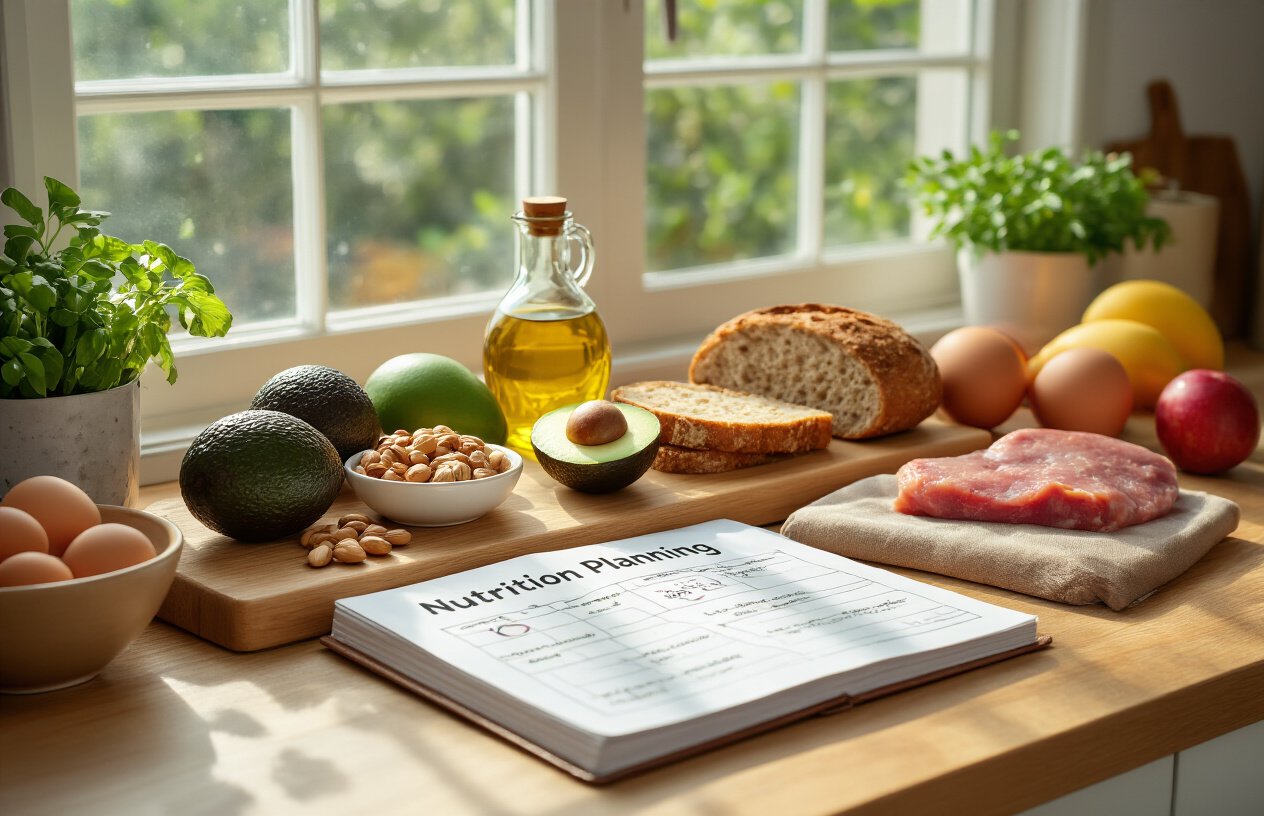
Eating Smaller, More Frequent Meals Throughout the Day
Transitioning from understanding your underweight status, the foundation of any successful healthy weight gain strategy begins with restructuring your eating patterns. Rather than relying on three large meals that can overwhelm your digestive system and leave you feeling uncomfortably full, implementing a pattern of smaller, more frequent meals creates sustainable momentum for weight gain.
Eating every 2-3 hours throughout the day serves multiple physiological purposes that directly support your weight gain goals. This approach prevents your metabolism from entering periods of fasting, which can actually work against weight gain efforts. When you consistently fuel your body with regular nutrient intake, you maintain steady blood sugar levels and avoid the energy crashes that often lead to missed meals or poor food choices.
The practical implementation involves consuming 5-7 smaller portions daily instead of the traditional three-meal structure. This might include breakfast, mid-morning snack, lunch, afternoon snack, dinner, and potentially an evening snack. Each eating occasion should contain a balance of macronutrients, ensuring you’re not just adding empty calories but providing your body with the building blocks it needs for healthy tissue development.
For individuals with naturally small appetites or those who experience early satiety, this frequent eating pattern proves particularly beneficial. Large meals can trigger feelings of fullness that persist for hours, actually reducing overall daily caloric intake. Smaller portions allow your appetite to recover between eating sessions, enabling you to consume more total calories throughout the day.
Adding 300-500 Extra Calories Daily for Gradual Weight Gain
Now that we’ve established the importance of meal frequency, the next critical component involves calculating and implementing an appropriate caloric surplus. Adding 300-500 extra calories daily above your maintenance requirements creates the optimal environment for steady, healthy weight gain without overwhelming your system.
This caloric range translates to approximately 0.5-1 pound of weight gain per week, which represents the ideal pace for building healthy tissue rather than simply accumulating excess fat. The gradual approach allows your body to adapt to increased food intake while supporting the development of lean muscle mass alongside necessary fat stores.
To determine your baseline caloric needs, consider factors including your current weight, height, age, gender, and activity level. Online calculators can provide estimates, but working with a healthcare provider or registered dietitian ensures more personalized accuracy. Once you establish your maintenance calories, consistently adding the extra 300-500 calories becomes your daily target.
The distribution of these additional calories across your frequent meals prevents any single eating session from becoming overwhelming. Rather than adding one large meal, integrate the extra calories throughout your 5-7 daily eating occasions. This might mean adding 50-100 extra calories to each meal and snack, making the increases feel manageable and sustainable.
Choosing Nutrient-Dense, High-Calorie Foods
With your eating frequency and caloric targets established, the selection of nutrient-dense, high-calorie foods becomes paramount for achieving healthy weight gain. Unlike empty calories from processed foods that provide energy without essential nutrients, focusing on calorie-dense whole foods ensures your body receives vitamins, minerals, healthy fats, and quality proteins necessary for optimal function.
Healthy fats represent the most efficient source of concentrated calories, providing 9 calories per gram compared to 4 calories per gram from carbohydrates and proteins. Incorporating sources like avocados, nuts, seeds, olive oil, and fatty fish not only boosts caloric density but also provides essential fatty acids crucial for hormone production and cellular function.
Quality protein sources support muscle development while contributing to overall caloric intake. Options like lean meats, eggs, dairy products, legumes, and protein-rich grains provide the amino acids necessary for building and repairing tissues. Combining proteins with healthy fats, such as nuts with yogurt or salmon with avocado, creates meals that are both nutritionally complete and calorically substantial.
Complex carbohydrates from sources like oats, quinoa, sweet potatoes, and whole grain breads provide sustained energy while contributing to overall caloric goals. These foods often contain additional nutrients like B vitamins and fiber that support digestive health and overall wellbeing during your weight gain journey.
The key lies in maximizing nutritional value while achieving caloric density, ensuring every calorie contributes to your health rather than simply adding numbers to your daily intake.
Smart Food Choices and Meal Enhancement Techniques
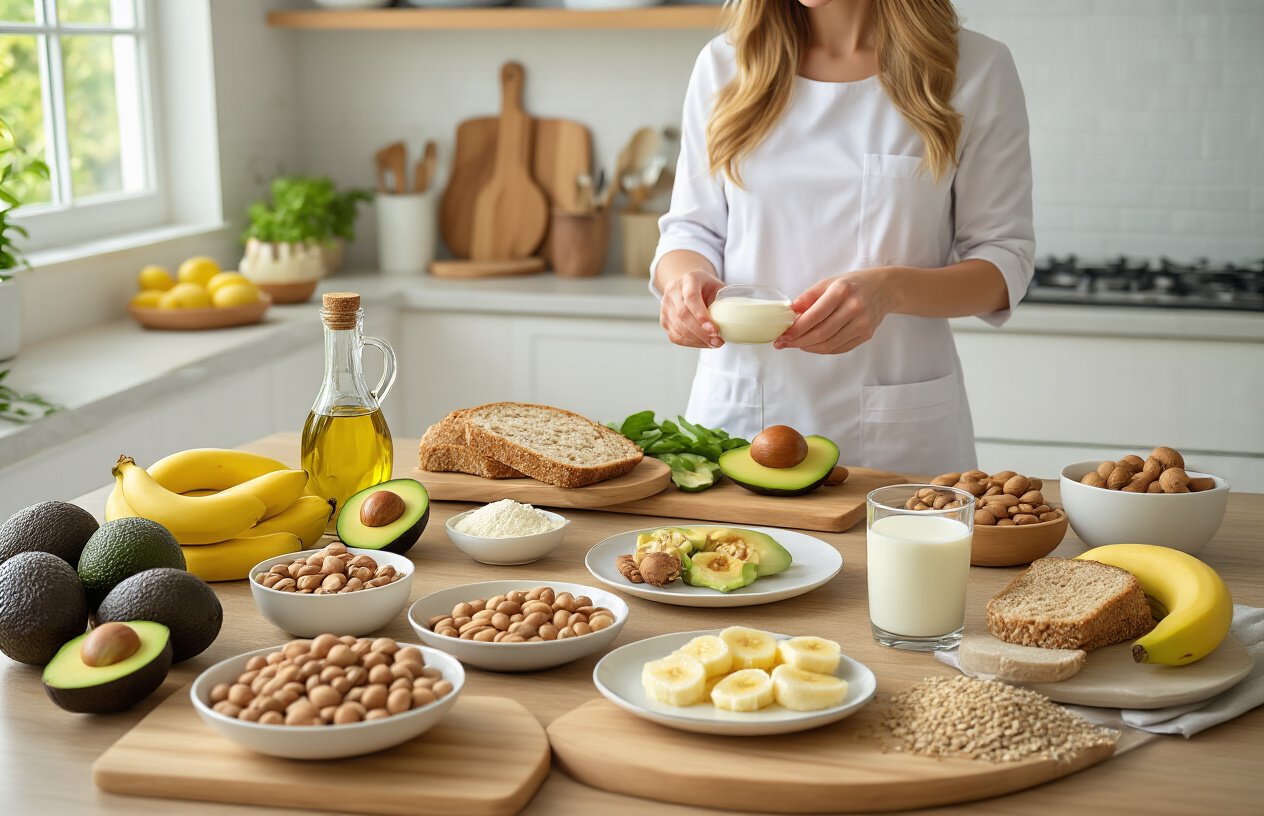
Adding Healthy Calories with Cheese, Nuts, and Seeds
Now that we have covered the foundational eating strategies, incorporating calorie dense foods through cheese, nuts, and seeds becomes essential for effective healthy weight gain. These nutrient-packed additions offer concentrated calories while providing vital proteins, healthy fats, and minerals your body needs during weight restoration.
Cheese represents one of the most versatile calorie-dense additions to your weight gain diet plan. A single ounce of cheddar cheese contains approximately 113 calories and 7 grams of protein, making it an excellent choice for those working to increase their underweight BMI. Consider adding shredded cheese to scrambled eggs, melting it over vegetables, or incorporating cream cheese into smoothies for extra richness. Full-fat varieties like brie, gouda, or aged cheddar provide more calories per serving than their low-fat counterparts.
Nuts serve as portable powerhouses for healthy weight gain foods, offering between 160-200 calories per ounce depending on the variety. Almonds, walnuts, pecans, and cashews not only boost caloric intake but also provide essential fatty acids and protein. Create trail mixes combining different nuts, add chopped nuts to oatmeal or yogurt, or simply keep small portions readily available for snacking throughout the day.
Seeds complement nuts perfectly in your weight gain meal plan. Sunflower seeds, pumpkin seeds, chia seeds, and flaxseeds offer concentrated nutrition and calories. Two tablespoons of sunflower seeds provide around 100 calories, while the same amount of chia seeds delivers 120 calories plus omega-3 fatty acids. Sprinkle seeds over salads, blend them into smoothies, or incorporate them into homemade energy balls.
Incorporating Protein-Rich Foods Like Beans, Fish, and Lean Meat
With this foundation established, focusing on high-quality protein sources becomes crucial for healthy muscle development during your skinny to muscle transformation journey. Protein-rich foods support not only weight gain but also ensure that the additional weight includes lean muscle mass rather than just fat.
Beans and legumes offer excellent plant-based protein while contributing substantial calories to your daily intake. One cup of cooked black beans provides approximately 245 calories and 15 grams of protein. Lentils, chickpeas, kidney beans, and split peas can be incorporated into soups, stews, salads, or served as side dishes. These appetite stimulant foods also provide fiber and complex carbohydrates, supporting sustained energy levels throughout the day.
Fish selections should emphasize fatty varieties that provide both protein and healthy omega-3 fatty acids. Salmon, mackerel, sardines, and tuna offer between 150-250 calories per 3.5-ounce serving while delivering high-quality protein. These fish support muscle building exercises for weight gain by providing the amino acids necessary for muscle protein synthesis. Prepare fish by grilling, baking, or pan-searing with olive oil to maximize caloric density.
Lean meats including chicken thighs, lean beef, turkey, and pork provide concentrated protein sources essential for healthy weight gain. Choose cuts with slightly higher fat content when possible, as they contribute more calories per serving. Chicken thighs contain more calories than breasts, while lean ground beef (85/15 ratio) offers more energy density than extra-lean varieties. Prepare meats using cooking methods that preserve or add calories, such as roasting with olive oil or incorporating into casseroles with additional ingredients.
Enhancing Meals with Extras Like Nut Butter and Milk Powder
Previously, we’ve established the importance of strategic food choices, and now we’ll explore how simple meal enhancements can significantly boost your caloric intake without requiring major dietary overhauls. These additions seamlessly integrate into existing meals while providing concentrated nutrition.
Nut butters represent one of the most effective meal enhancers for those following a weight gain diet plan. Two tablespoons of peanut butter contribute approximately 190 calories and 8 grams of protein. Almond butter, cashew butter, and tahini offer similar caloric density with varying flavor profiles. Spread nut butters on whole grain toast, blend into smoothies, stir into oatmeal, or use as dips for apple slices or celery. For maximum benefit, choose natural varieties without added sugars or oils.
Milk powder serves as an invisible calorie booster that easily incorporates into various foods and beverages. Adding two tablespoons of nonfat dry milk powder to regular milk increases the protein content by 6 grams while adding approximately 60 calories. Stir milk powder into soups, casseroles, mashed potatoes, or hot cereals. This enhancement technique proves particularly valuable for individuals who struggle to consume large volumes of food, as it increases nutritional density without significantly affecting taste or texture.
Additional meal enhancers include olive oil, avocado, and dried fruits. A tablespoon of olive oil adds 120 calories and can be drizzled over vegetables, added to pasta, or used in salad dressings. Half an avocado provides 160 calories and can be added to sandwiches, smoothies, or eaten as a side dish. Dried fruits like dates, raisins, or dried cranberries offer concentrated calories and natural sweetness, perfect for adding to cereals, trail mixes, or baked goods.
These enhancement techniques allow for gradual caloric increases while maintaining meal palatability and digestibility, supporting consistent progress toward healthy weight restoration goals.
Optimizing Your Beverage Strategy for Weight Gain
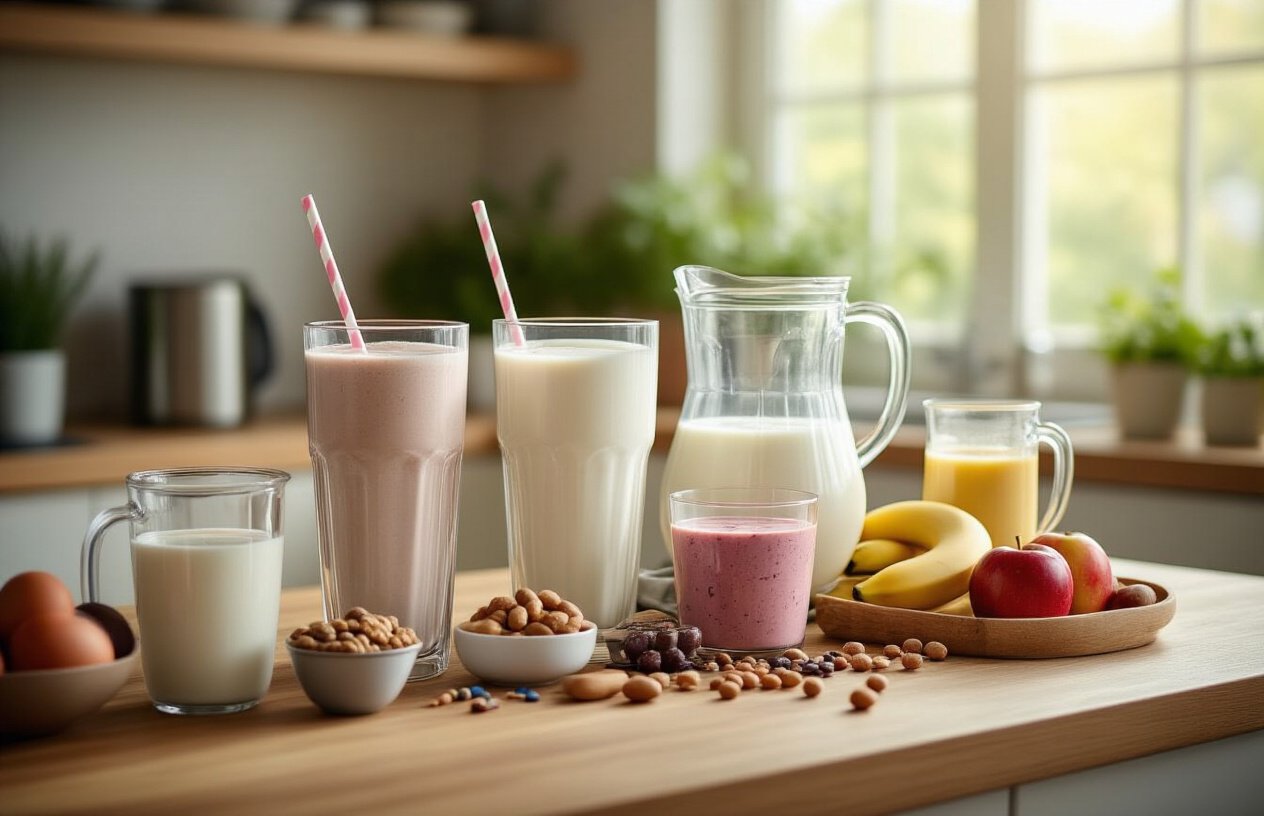
Including High-Calorie Smoothies and Nutritious Shakes
High-calorie smoothies and nutritious shakes represent one of the most effective strategies for those following a weight gain diet plan. These liquid calories provide an efficient way to increase your daily caloric intake without feeling overly full, making them particularly valuable for individuals with naturally small appetites who struggle with healthy weight gain.
The key to creating effective weight-gain smoothies lies in combining multiple calorie-dense ingredients that work synergistically. Start with a base of whole milk or full-fat Greek yogurt, which provides both protein and healthy fats essential for muscle building. Add nutrient-rich ingredients like rolled oats, which contribute complex carbohydrates and fiber while creating a more satisfying texture.
For maximum caloric impact, incorporate healthy fats such as almond butter, peanut butter, or tahini. These additions can easily add 200-400 calories per smoothie while providing essential fatty acids and protein. Avocado serves as another excellent base ingredient, offering healthy monounsaturated fats and creating a creamy texture without adding sugar.
Fresh or frozen fruits not only enhance flavor but also provide essential vitamins, minerals, and natural sugars. Bananas work particularly well as they’re naturally sweet and calorie-dense, while berries add antioxidants. Consider adding a handful of spinach or kale for additional micronutrients without significantly altering the taste.
Protein powder can transform your smoothie into a complete meal replacement, supporting muscle building exercises for weight gain. Choose high-quality whey or plant-based protein powders and aim for 20-30 grams of protein per serving.
Here’s a sample high-calorie smoothie recipe:
- 1 cup whole milk (150 calories)
- 1 large banana (105 calories)
- 2 tablespoons almond butter (190 calories)
- 1/4 cup rolled oats (75 calories)
- 1 scoop protein powder (120 calories)
- 1 tablespoon honey (65 calories)
This combination provides approximately 705 calories and can be easily customized based on taste preferences and nutritional needs.
Timing Your Drinks to Avoid Interfering with Meals
Previously, we’ve established the importance of strategic meal planning, and with this in mind, beverage timing becomes crucial for maximizing your healthy weight gain efforts. Poor timing of liquid intake can significantly impact your ability to consume adequate calories from solid foods, potentially sabotaging your weight gain meal plan.
The golden rule for beverage timing is to avoid drinking large quantities of liquids 30 minutes before and during meals. Liquids can create a false sense of fullness, reducing your capacity for calorie-dense foods that should form the foundation of your diet. Water and other low-calorie beverages are particularly problematic in this regard, as they occupy stomach space without contributing meaningful calories.
Instead, consume your high-calorie smoothies and shakes strategically between meals. Ideal timing windows include mid-morning (between breakfast and lunch), mid-afternoon (between lunch and dinner), and before bedtime. These intervals allow your stomach to empty from previous meals while providing sustained energy and nutrition.
The post-workout window presents another excellent opportunity for liquid calories, particularly protein-rich shakes that support muscle building exercises for weight gain. Consuming a high-calorie shake within 30-60 minutes after exercise can enhance recovery and promote muscle protein synthesis.
For those with particularly small appetites, consider splitting larger smoothies into smaller portions consumed throughout the day rather than attempting to drink large volumes at once. This approach helps maintain consistent caloric intake without overwhelming your digestive system.
Evening consumption deserves special attention. A moderate-sized shake consumed 1-2 hours before bedtime can provide sustained nutrition during the overnight fasting period without interfering with sleep quality. Opt for slower-digesting proteins like casein or milk-based smoothies for optimal overnight muscle recovery.
Avoiding Empty-Calorie Beverages Like Diet Sodas
Now that we have covered optimal beverage choices and timing, it’s equally important to understand which drinks can sabotage your healthy weight gain goals. Empty-calorie beverages represent one of the most common mistakes in weight gain strategies, particularly diet sodas and artificially sweetened drinks.
Diet sodas and zero-calorie beverages provide no nutritional value while potentially interfering with your appetite and digestion. These drinks can create artificial fullness, reducing your desire for calorie-dense foods essential for your weight gain diet plan. Additionally, artificial sweeteners may disrupt gut bacteria and potentially affect glucose metabolism, both factors that can impact your body’s ability to process and utilize nutrients effectively.
Regular sodas, while containing calories, offer predominantly simple sugars without beneficial nutrients. These empty calories can contribute to weight gain, but not the healthy kind you’re seeking. The rapid blood sugar spikes from high-sugar beverages can also interfere with appetite regulation, making it harder to maintain consistent eating patterns throughout the day.
Energy drinks present similar concerns, often combining artificial stimulants with excessive sugar content. While they may temporarily boost energy levels, they can disrupt sleep patterns and create energy crashes that negatively impact your overall eating schedule and exercise performance.
Instead of these counterproductive choices, focus your beverage strategy on drinks that contribute meaningful nutrition. Whole milk provides high-quality protein, healthy fats, and essential nutrients. Fresh fruit juices offer vitamins and natural sugars, though they should be consumed in moderation due to their concentrated sugar content.
Herbal teas can support digestion and hydration without interfering with appetite, while coconut water provides natural electrolytes and calories. For those seeking caffeine, consider adding milk or cream to coffee, transforming it from an appetite suppressant into a modest calorie contributor.
The key principle is ensuring every beverage choice either supports your caloric goals or, at minimum, doesn’t interfere with them. By eliminating empty-calorie beverages and strategically incorporating nutrient-dense liquid options, you create a comprehensive beverage strategy that accelerates your healthy weight gain journey while supporting overall nutritional wellness.
Building Muscle and Appetite Through Exercise

Using Strength Training to Increase Muscle Mass
Now that we’ve covered the nutritional foundations for healthy weight gain, it’s crucial to understand how strength training serves as a cornerstone for building quality muscle mass rather than simply accumulating fat. When you’re underweight, your primary goal should be adding lean muscle tissue, which creates a more sustainable and healthy approach to weight gain.
Strength training stimulates muscle protein synthesis, creating the demand for additional calories that supports your weight gain efforts. Focus on compound movements that work multiple muscle groups simultaneously, such as squats, deadlifts, bench presses, and rows. These exercises not only build muscle efficiently but also increase your overall energy expenditure, naturally boosting your appetite.
For optimal muscle building exercises for weight gain, implement a progressive overload approach where you gradually increase weight, repetitions, or training volume over time. This consistent challenge forces your muscles to adapt and grow, contributing to your skinny to muscle transformation journey. Aim for 3-4 strength training sessions per week, allowing adequate recovery time between sessions for muscle repair and growth.
The hormonal response to strength training also plays a vital role in healthy weight gain. Heavy lifting stimulates the release of growth hormone and testosterone, both crucial for muscle development and appetite regulation. This natural hormonal boost supports your body’s ability to utilize the increased calories from your weight gain diet plan more effectively.
Incorporating Yoga for Muscle Building and Appetite Stimulation
Previously, we’ve focused on traditional strength training, but yoga offers unique benefits for underweight individuals seeking sustainable weight gain. While yoga may not build muscle mass as rapidly as heavy lifting, it provides complementary benefits that support your overall transformation goals.
Power yoga and vinyasa styles incorporate bodyweight resistance that helps build functional strength and muscle endurance. Poses like warrior sequences, arm balances, and inversions create muscular tension that stimulates growth while improving flexibility and body awareness. This enhanced mind-body connection often translates to better appetite recognition and more mindful eating habits.
The stress-reducing effects of yoga cannot be overlooked in your weight gain journey. Chronic stress elevates cortisol levels, which can suppress appetite and interfere with muscle building. Regular yoga practice helps regulate cortisol production, creating a more favorable environment for both appetite stimulation and muscle development.
Additionally, yoga’s focus on deep breathing and relaxation activates the parasympathetic nervous system, often called the “rest and digest” mode. This physiological state enhances digestion and nutrient absorption, making your calorie dense foods more effective for weight gain.
Understanding How Exercise Can Boost Your Hunger
With this in mind, next, we’ll explore how strategic exercise timing and intensity can significantly influence your appetite patterns. Exercise-induced appetite enhancement occurs through multiple physiological mechanisms that directly support your healthy weight gain goals.
Moderate to intense physical activity increases the production of ghrelin, often called the “hunger hormone,” which signals your brain that it’s time to eat. This natural appetite stimulant effect typically peaks 1-3 hours post-exercise, creating an optimal window for consuming your weight gain meal plan components.
Exercise also improves insulin sensitivity, allowing your body to better utilize carbohydrates and store nutrients more efficiently. This enhanced metabolic flexibility means that the healthy weight gain foods you consume are more likely to support muscle building rather than excessive fat storage.
The increased metabolic demand from regular exercise creates a larger energy deficit that must be filled through nutrition. This physiological requirement naturally drives appetite increases, making it easier to consume the additional calories needed for weight gain when underweight. Your body becomes more receptive to food intake as it recognizes the need to fuel recovery and adaptation processes.
Temperature regulation during and after exercise also influences hunger signals. As your body works to return to baseline temperature following physical activity, metabolic processes accelerate, creating an increased demand for energy that manifests as enhanced appetite.
Avoiding Common Weight Gain Mistakes
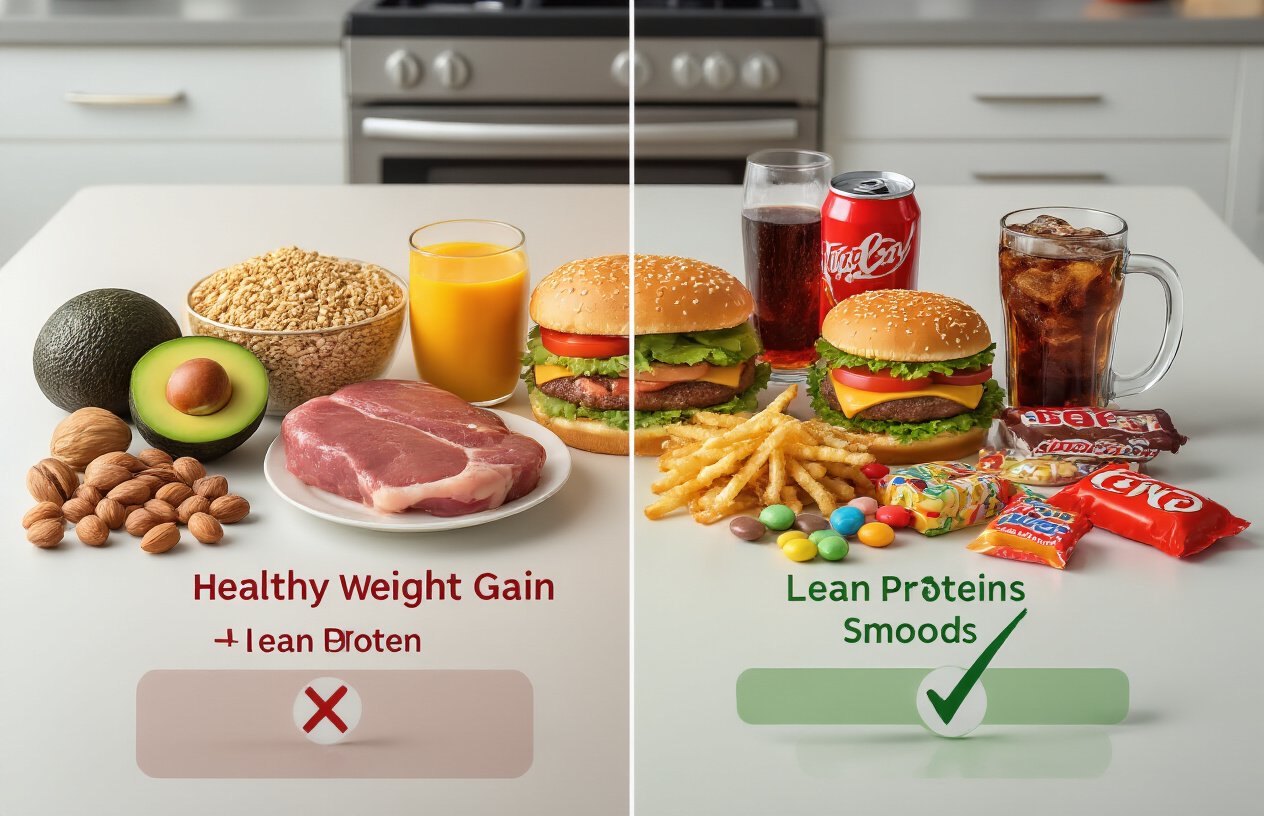
Steering Clear of Sugary, Nutrient-Poor Foods
When pursuing healthy weight gain, the temptation to consume high-calorie junk foods can be overwhelming. However, relying on sugary, nutrient-poor options represents one of the most counterproductive approaches for underweight individuals seeking sustainable weight gain. While these foods may provide immediate calories, they fail to deliver the essential nutrients your body requires for optimal health and proper weight distribution.
Processed foods high in refined sugars create rapid spikes in blood glucose levels, followed by crashes that can actually suppress appetite and disrupt your carefully planned weight gain diet plan. Foods like candy, pastries, sugary cereals, and processed snacks may seem like easy calorie sources, but they often replace opportunities to consume calorie dense foods that provide protein, healthy fats, vitamins, and minerals essential for muscle building and overall health.
The challenge with nutrient-poor foods extends beyond their lack of nutritional value. These items can create a false sense of fullness without providing the building blocks necessary for healthy tissue development. When you’re working to transition from an underweight BMI to a healthier range, every calorie should contribute to your long-term wellness goals rather than simply adding empty energy to your daily intake.
Instead of reaching for sugary options, focus on naturally sweet alternatives that offer nutritional density. Dried fruits, smoothies made with whole fruits, or homemade energy balls containing nuts, seeds, and natural sweeteners provide both calories and essential nutrients that support your healthy weight gain journey.
Maintaining a Balanced Diet from All Food Groups
Now that we’ve addressed the importance of avoiding empty calories, maintaining nutritional balance becomes crucial for sustainable weight gain. A well-rounded approach to increasing body weight requires incorporating foods from all major food groups, ensuring your body receives comprehensive nutrition while adding healthy mass.
Protein sources should form the foundation of your weight gain meal plan, with options including lean meats, fish, eggs, dairy products, legumes, and plant-based proteins. These foods support muscle development and provide the amino acids necessary for tissue repair and growth. Aim to include protein at every meal and snack to optimize muscle building exercises for weight gain.
Complex carbohydrates serve as your body’s primary energy source and should comprise a significant portion of your increased caloric intake. Whole grains, starchy vegetables, fruits, and legumes provide sustained energy while delivering fiber, vitamins, and minerals. These healthy weight gain foods help fuel your daily activities and exercise routines without causing the energy crashes associated with simple sugars.
Healthy fats represent the most calorie-dense macronutrient and play essential roles in hormone production, nutrient absorption, and cellular function. Incorporate sources like avocados, nuts, seeds, olive oil, and fatty fish to boost your caloric intake while supporting overall health. These appetite stimulant foods can help increase your desire for food while providing concentrated nutrition.
Vegetables and fruits, while typically lower in calories, provide essential micronutrients, antioxidants, and fiber that support digestion and overall health during your skinny to muscle transformation. Focus on more calorie-dense options like bananas, grapes, and starchy vegetables while ensuring adequate intake of leafy greens and colorful produce.
Preventing Drinks from Filling You Up Before Meals
With this balanced approach in mind, managing your beverage consumption becomes critical for maximizing meal intake. One of the most overlooked mistakes in weight gain strategies involves consuming large quantities of low-calorie beverages that create premature satiety and reduce appetite for nutrient-dense meals.
Water, while essential for hydration, can significantly impact your ability to consume adequate calories if consumed in large quantities immediately before or during meals. The gastric distension caused by excessive fluid intake can trigger satiety signals, making it difficult to finish calorie-dense meals that are crucial for weight gain success.
Timing your fluid intake strategically can dramatically improve your meal consumption. Consider drinking fluids 30-60 minutes before meals rather than during eating periods. This approach ensures adequate hydration while preserving stomach capacity for solid foods that contribute more substantially to your weight gain goals.
When you do consume beverages, prioritize options that contribute calories and nutrients rather than empty volume. Smoothies, protein shakes, milk-based drinks, and natural fruit juices can serve dual purposes by providing hydration and supporting your increased caloric needs. These beverages complement rather than compete with your solid food intake.
Additionally, be mindful of carbonated beverages, which can create artificial feelings of fullness through gas expansion in the stomach. While occasional consumption may be acceptable, regular intake of carbonated drinks can consistently interfere with your ability to consume adequate portions during meals, ultimately hindering your progress toward achieving a healthy weight range.

Healthy weight gain when you’re underweight requires a strategic, patient approach that combines smart nutrition choices with consistent lifestyle changes. By eating more frequently throughout the day, choosing nutrient-dense high-calorie foods, and enhancing meals with extras like nuts, cheese, and healthy oils, you can gradually add pounds while nourishing your body. Remember that strength training and exercise can boost both muscle mass and appetite, making your weight gain efforts more effective and sustainable.
The journey to reach a healthy weight isn’t just about eating more—it’s about eating better and building lasting habits. If you’ve lost weight unexpectedly or struggle to gain weight despite your efforts, consulting with a healthcare professional or dietitian can provide personalized guidance tailored to your specific needs. With the right plan, patience, and consistency, you can achieve your weight goals while supporting your overall health and well-being.