

Are you tired of endless cardio sessions that leave you exhausted but don’t deliver the weight loss results you want? What if there was a smarter way to burn fat and reshape your body without spending hours on the treadmill?
Strength training might be the game-changer you’ve been missing. By building muscle, you boost your metabolism, helping your body burn calories even when you’re resting. Plus, it tones your body, so you look leaner and stronger—not just lighter on the scale.
Ready to discover how lifting weights can help you lose weight more effectively and keep it off? Keep reading to unlock simple tips and powerful benefits that can transform your fitness journey.
:max_bytes(150000):strip_icc()/strength-training-559688685-be06711861df43618b50000b4f414f04.jpg)
Credit: www.eatingwell.com
Benefits Of Strength Training
Strength training offers many benefits beyond building muscle. It plays a key role in weight loss and overall health. This type of exercise shapes your body by reducing fat and increasing lean muscle. It also supports long-term weight management.
Here are some important benefits of strength training that help you lose weight effectively and stay fit.
Boosting Metabolism
Muscle tissue burns more calories than fat, even when resting. Strength training builds muscle, which raises your resting metabolic rate. A higher metabolism means your body uses more energy daily. This boost helps you burn extra calories without extra effort.
Calorie Burn During And After Workouts
You burn calories while lifting weights, similar to cardio exercises. The calorie burn continues after your workout. Your body works to repair and build muscle tissue. This process, called excess post-exercise oxygen consumption (EPOC), keeps your metabolism elevated for hours.
Enhancing Body Composition
Strength training changes your body shape by reducing fat and increasing muscle. Even if your weight stays the same, your body looks leaner and toned. A better body composition improves your confidence and physical health.
Preserving Muscle Mass
During weight loss, muscle loss is common with diet or cardio alone. Strength training protects your muscle while you lose fat. Maintaining muscle keeps your strength and supports a healthy metabolism. This helps you avoid weakness and maintain an active lifestyle.
Effective Strength Exercises
Effective strength exercises target multiple muscle groups and boost metabolism. These workouts help burn calories during and after your session. Focusing on key movements can improve fat loss and muscle tone. Choose exercises that engage large muscles for the best results.
Squats And Lunges
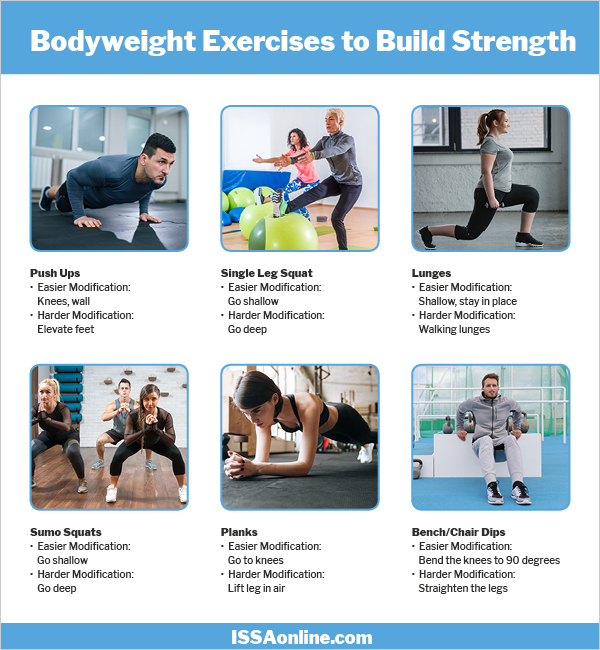
Squats and lunges work the legs, glutes, and core. They build strength and burn calories efficiently. These exercises improve balance and coordination. Use body weight or add dumbbells for more resistance.
Push-ups And Pull-ups
Push-ups strengthen the chest, shoulders, and triceps. Pull-ups target the back and biceps. Both exercises use your body weight for resistance. They improve upper body strength and muscle definition.
Deadlifts And Rows
Deadlifts engage the hamstrings, glutes, back, and core. Rows focus on the upper and middle back muscles. These moves build strong posture and increase calorie burn. Proper form is key to avoid injury.
Compound Movements For Fat Loss
Compound exercises work several muscle groups at once. They boost metabolism more than isolation exercises. Examples include squats, deadlifts, and push-ups. These movements burn more calories and save workout time.
Combining Strength With Cardio
Combining strength training with cardio offers a powerful approach to weight loss. Strength exercises build muscle, which raises your metabolism. Cardio workouts burn calories and improve heart health. Together, they create a balanced fitness plan that helps you lose fat and keep muscle. This combination also boosts endurance and overall fitness.
Maximizing Fat Burn
Strength training increases muscle mass, which burns calories even at rest. Cardio burns many calories during exercise. Mixing both types of workouts helps burn more fat overall. High-intensity interval training (HIIT) blends strength and cardio for fast fat loss. Short bursts of cardio combined with weight exercises keep your heart rate up and muscles working hard.
Balancing Workouts
Balance strength and cardio to avoid overtraining. Alternate days between lifting weights and doing cardio sessions. Rest days are important for muscle recovery and growth. Focus on quality, not just quantity, in each workout. Listen to your body and adjust intensity as needed to prevent injury. A balanced plan improves results and keeps you motivated.
Designing A Weekly Routine
Create a weekly schedule that includes 3 strength sessions and 2 to 3 cardio workouts. Start strength training with full-body exercises like squats, push-ups, and lunges. For cardio, choose activities you enjoy, such as walking, cycling, or swimming. Gradually increase workout time and intensity. This routine helps you stay consistent and reach weight loss goals.
Credit: www.issaonline.com
Starting Your Strength Training
Starting strength training can feel challenging but is very rewarding. Building muscle helps burn fat and shapes your body. Begin with the right steps to stay safe and see results. Focus on learning proper form and increasing effort slowly. Avoid injuries by paying attention to how your body feels. This approach sets a strong foundation for your weight loss journey.
Beginning With Proper Form
Good form is key to effective workouts. It protects your joints and muscles from harm. Start with light weights or bodyweight exercises. Watch videos or ask a trainer to learn correct movements. Practice each exercise slowly to build muscle memory. Proper form makes each rep count and prevents bad habits.
Gradual Progression
Increase your workout intensity step by step. Add more weight or do more repetitions over time. This helps your muscles grow and avoid plateaus. Avoid rushing or lifting too heavy too soon. Give your body time to adapt and recover. Progress feels good and keeps you motivated.
Avoiding Common Injuries
Injuries slow down progress and cause pain. Warm up before each session with light cardio and stretching. Do not ignore discomfort or sharp pain during exercises. Rest if you feel sore or tired. Use proper equipment and maintain good posture. Listening to your body helps you stay healthy and consistent.
Nutrition For Muscle Growth And Fat Loss
Nutrition plays a crucial role in muscle growth and fat loss. Proper eating supports your workouts and helps your body recover. Eating the right foods fuels muscle repair and promotes fat burning. Without good nutrition, strength training results can slow down.
Focus on balanced meals that provide enough energy and nutrients. The right diet boosts your strength and speeds up fat loss. Here are key nutrition tips to help you reach your goals.
Protein Intake Guidelines
Protein is essential for building and repairing muscles. Aim to consume 1.2 to 2.0 grams of protein per kilogram of body weight daily. Spread your protein intake evenly across meals. Good sources include lean meats, fish, eggs, dairy, beans, and legumes. Protein helps reduce muscle loss during weight loss and improves recovery after workouts.
Balancing Macronutrients
Balance your intake of carbohydrates, proteins, and fats. Carbohydrates provide energy for intense strength training sessions. Choose whole grains, fruits, and vegetables. Healthy fats support hormone production and overall health. Include sources like nuts, seeds, olive oil, and avocados. Adjust your macronutrient ratio based on your energy needs and progress. A typical balance could be 40% carbs, 30% protein, and 30% fats.
Hydration And Recovery
Staying hydrated is vital for muscle function and recovery. Drink water before, during, and after exercise. Proper hydration helps prevent cramps and fatigue. Include fluids with electrolytes if training intensely or sweating a lot. After workouts, rest and eat nutrient-rich meals to support muscle repair. Good sleep also plays a key role in recovery and fat loss.
Credit: www.flexclub.fit
Tracking Progress And Staying Motivated
Tracking progress and staying motivated are key parts of any strength training program for weight loss. Seeing results keeps you energized and committed to your workouts. It also helps you adjust your plan to reach your goals more effectively.
Regular tracking shows how your body changes over time. Motivation grows as you notice improvements in strength, shape, and endurance. Without tracking, it is easy to lose focus or give up too soon.
Measuring Body Composition
Body composition tells you how much fat and muscle you have. Use tools like skinfold calipers or body fat scales. These methods show muscle gain and fat loss better than weight alone.
Track your measurements every few weeks. Note changes in waist, hips, arms, and legs. These numbers help you see progress beyond the scale. Photos can also provide visual proof of your transformation.
Setting Realistic Goals
Set clear and achievable goals for your strength training. Aim for small steps like adding more weight or increasing reps. Celebrate each milestone to keep motivation high.
Realistic goals prevent frustration and burnout. Focus on steady improvements instead of quick fixes. Write down your goals and review them regularly to stay on track.
Overcoming Plateaus
Plateaus happen when progress slows or stops. Change your routine by adding new exercises or increasing intensity. This challenges your muscles in new ways.
Track your workouts to spot plateaus early. Vary your sets, reps, or weights to push past the stall. Staying patient and consistent helps you break through barriers.
Strength Training Myths Debunked
Strength training carries many false ideas that stop people from trying it. These myths can confuse and discourage those wanting to lose weight. Clearing up these wrong beliefs helps you understand the real benefits of strength training. This section breaks down common myths to show how strength training truly aids weight loss.
Muscle Gain Vs Fat Loss
Many think lifting weights only makes muscles bulky. In reality, muscle gain and fat loss are different processes. Strength training builds muscle while burning fat at the same time. Muscle weighs more than fat but takes up less space. This means your body looks leaner and firmer even if the scale does not change much. Focus on how your clothes fit and body shape instead of just weight.
Women And Weightlifting
Some women avoid weightlifting because they fear becoming too muscular. Women have less testosterone than men, so it is hard to gain large muscles naturally. Strength training helps women tone their bodies and burn fat efficiently. It also improves bone health and boosts metabolism. Weightlifting is safe and effective for women of all ages wanting to lose weight.
Cardio Vs Strength For Weight Loss
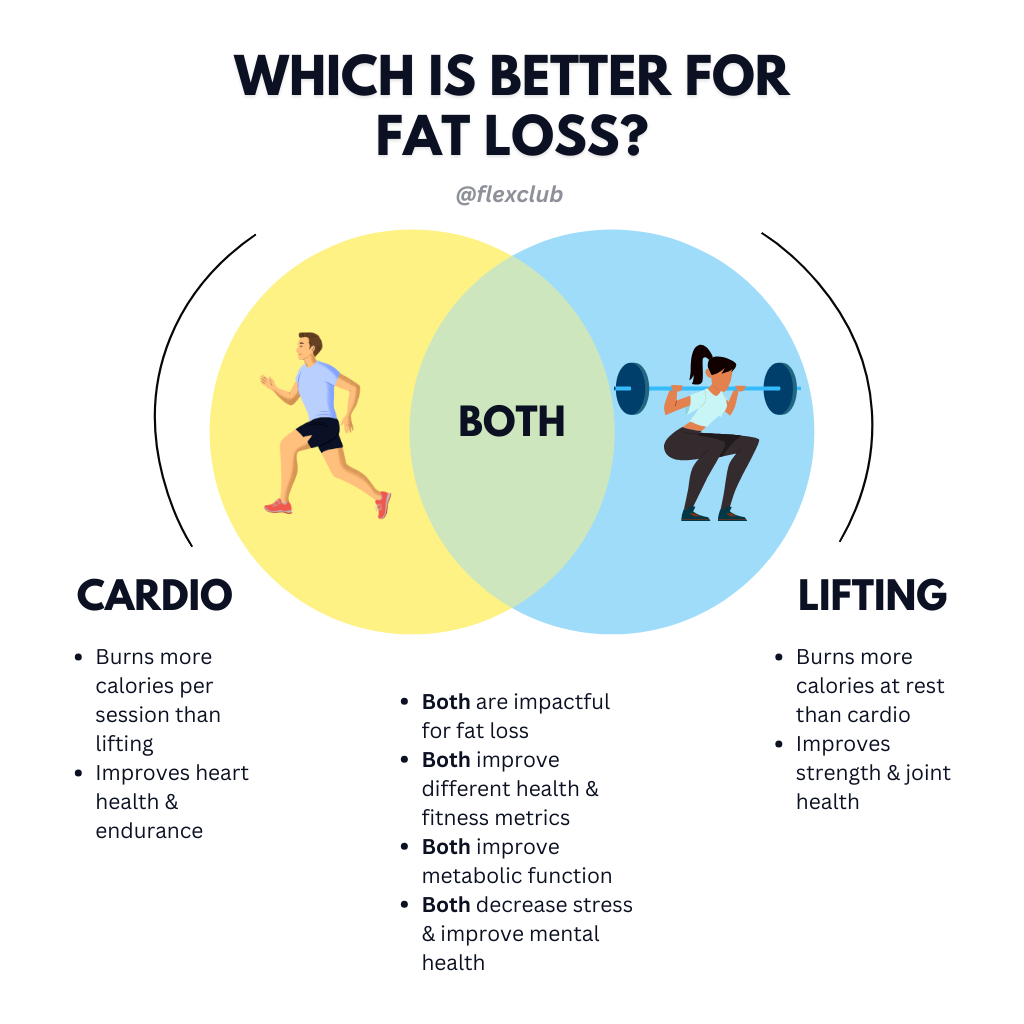
Cardio is often seen as the best way to lose weight, but strength training is just as important. Cardio burns calories during exercise. Strength training burns calories during and after workouts by building muscle. More muscle means higher resting metabolism. Combining both cardio and strength workouts gives the best results. Strength training also prevents muscle loss, which can happen with cardio alone.
Additional Health Benefits
Strength training offers more than just weight loss benefits. It improves overall health in powerful ways. Building muscle supports many body functions beyond burning calories. These benefits help you feel stronger and healthier every day.
Bone Density Improvement
Strength training stresses your bones, making them stronger. This helps increase bone density. Stronger bones reduce the risk of fractures and osteoporosis. It is especially important as you age. Weight-bearing exercises stimulate bone growth and repair. This keeps your skeleton healthy and resilient.
Enhanced Mental Health
Exercise boosts brain function and mood. Strength training reduces symptoms of anxiety and depression. It releases endorphins, the body’s natural mood lifters. Regular workouts improve sleep quality and reduce stress. Feeling stronger physically can build confidence and self-esteem.
Long-term Weight Management
Muscle burns more calories than fat, even at rest. Strength training raises your resting metabolic rate. This helps keep your weight stable over time. Muscle also improves your body shape and tone. Maintaining muscle mass makes it easier to avoid weight gain. It supports a healthy lifestyle beyond temporary diets.
Conclusion
Strength training helps burn fat and build muscle at the same time. It raises your metabolism, so you burn calories even when resting. This type of exercise shapes a leaner, stronger body. Combining strength training with good food and cardio works best.
Start slow, focus on form, and increase effort step by step. Keep exercises simple and use moves that target many muscles. Stay consistent, and you will see better health and weight results. Strength training is a smart choice for lasting weight loss.