

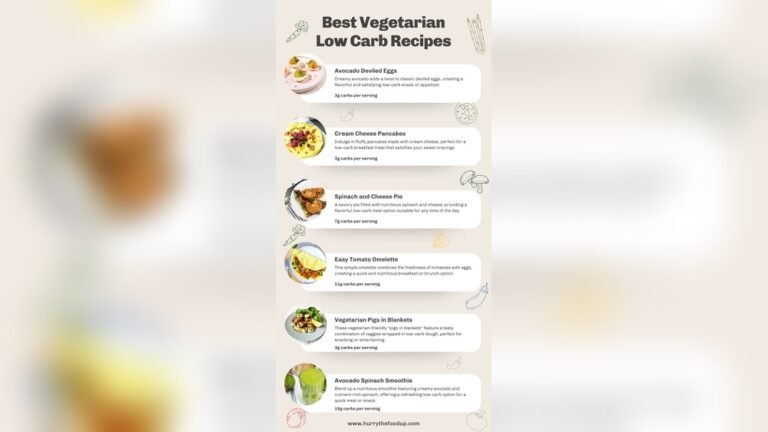
Are you looking to cut down on carbs but want to stick to a vegetarian lifestyle? Finding tasty and satisfying low carb diet options as a vegetarian can feel tricky.
You might worry about missing out on flavor or struggling to get enough nutrients. But what if you could enjoy meals that keep your carb intake low, boost your energy, and still fit perfectly with your veggie preferences? This guide is made just for you.
Keep reading to discover simple, delicious ideas that make your low carb diet veg-friendly and easy to follow every day.
Credit: stepawayfromthecarbs.com
Benefits Of Low Carb Diets
Low carb diets offer many benefits, especially for those who prefer vegetarian choices. These diets reduce carbohydrate intake and emphasize vegetables, nuts, and healthy fats. Many people find that cutting carbs helps improve their overall health and well-being.
Eating fewer carbs often leads to better control over hunger and cravings. This can make it easier to stick to a healthy eating plan. The benefits go beyond just weight loss and include improvements in blood sugar and mental clarity.
Impact On Weight Loss
Low carb diets help the body burn stored fat for energy. This process supports steady weight loss without feeling hungry. Vegetables and plant-based proteins keep meals filling and nutritious. Many people notice a drop in belly fat within weeks.
Improved Blood Sugar Levels
Reducing carbs lowers blood sugar spikes after meals. This helps maintain steady energy throughout the day. It also reduces the risk of type 2 diabetes. Eating low carb vegetables adds fiber, which supports healthy digestion and blood sugar control.
Enhanced Energy And Focus
Stable blood sugar levels support better energy and mental focus. Low carb diets reduce the crashes that come from high sugar intake. Vegetables provide essential vitamins that nourish the brain. Many people report clearer thinking and less fatigue.
Credit: www.shelikesfood.com
Key Principles Of Low Carb Vegetarian Eating
Low carb vegetarian eating focuses on reducing carbohydrates while getting enough nutrients from plants. It balances vegetables, proteins, and fats to support energy and health. This approach helps control blood sugar and supports weight management. Understanding the key principles makes it easier to plan meals that are both tasty and nutritious.
Choosing The Right Vegetables
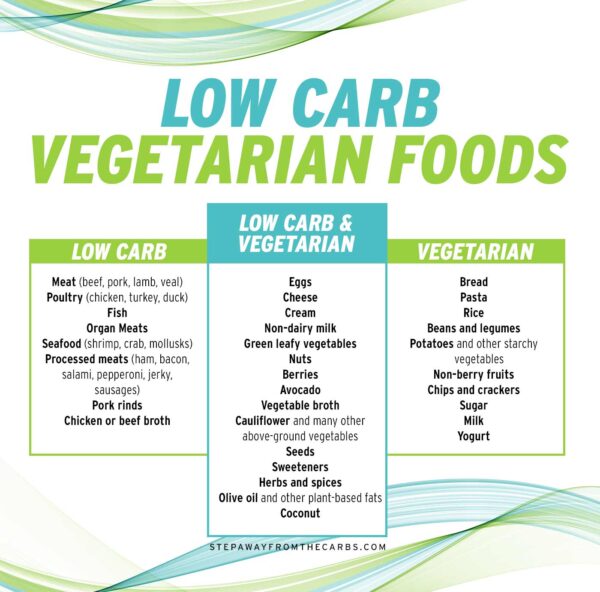
Select vegetables low in carbs and high in fiber. Leafy greens like spinach, kale, and lettuce are excellent choices. Cruciferous vegetables such as broccoli and cauliflower work well too. Avoid starchy vegetables like potatoes and corn. These can raise carb intake quickly. Fresh, colorful veggies add vitamins and minerals without many carbs.
Incorporating Plant-based Proteins
Protein keeps you full and supports muscle health. Include sources like tofu, tempeh, and seitan. Legumes such as lentils and chickpeas offer protein but watch portion sizes. Nuts and seeds also provide protein and healthy fats. Choose whole, unprocessed options for the best nutrition.
Healthy Fats To Include
Fats provide energy and help absorb vitamins. Use olive oil, avocado, and coconut oil in cooking. Nuts like almonds and walnuts add good fats and crunch. Seeds such as chia and flax are rich in omega-3s. Avoid trans fats and limit processed oils for better health.
Foods To Avoid On A Low Carb Veg Diet
Choosing the right foods is key on a low carb veg diet. Some vegetables and fruits contain more carbs than you might expect. Eating these can slow down your progress or cause unwanted spikes in blood sugar. Avoiding certain processed foods is also important. They often have hidden sugars and unhealthy ingredients. Grains and legumes can add extra carbs, so limiting them helps maintain low carb intake.
High-carb Vegetables And Fruits
Some vegetables have more starch or sugar. Potatoes, corn, and peas are high in carbs. Sweet potatoes and winter squash also contain many carbs. Fruits like bananas, grapes, and mangoes are sugary and raise carb counts. Keep these foods out or eat them very rarely.
Processed And Sugary Foods
Processed foods often have added sugars and fillers. Snacks, sweets, and sugary drinks increase carbs quickly. Avoid packaged foods with long ingredient lists. Look for hidden sugars like corn syrup or maltose.
Grains And Legumes To Limit
Grains such as rice, wheat, and oats add many carbs. Bread, pasta, and cereals made from these grains should be limited. Beans, lentils, and chickpeas have more carbs than most vegetables. Eat them in small portions to control carb intake.
Meal Planning Tips
Planning meals for a low carb vegetarian diet can feel tricky. Choosing the right foods helps keep energy high and hunger low. Smart meal planning makes it easier to stick to your diet every day. Focus on variety and balance to enjoy tasty, healthy meals.
Balancing Macronutrients
Include protein, healthy fats, and low carb vegetables in each meal. Protein helps build muscles and keeps you full longer. Good vegetarian protein sources are tofu, tempeh, and legumes. Healthy fats like avocado, nuts, and olive oil add flavor and energy. Vegetables like spinach, broccoli, and zucchini provide fiber and vitamins.
Sample Meal Ideas
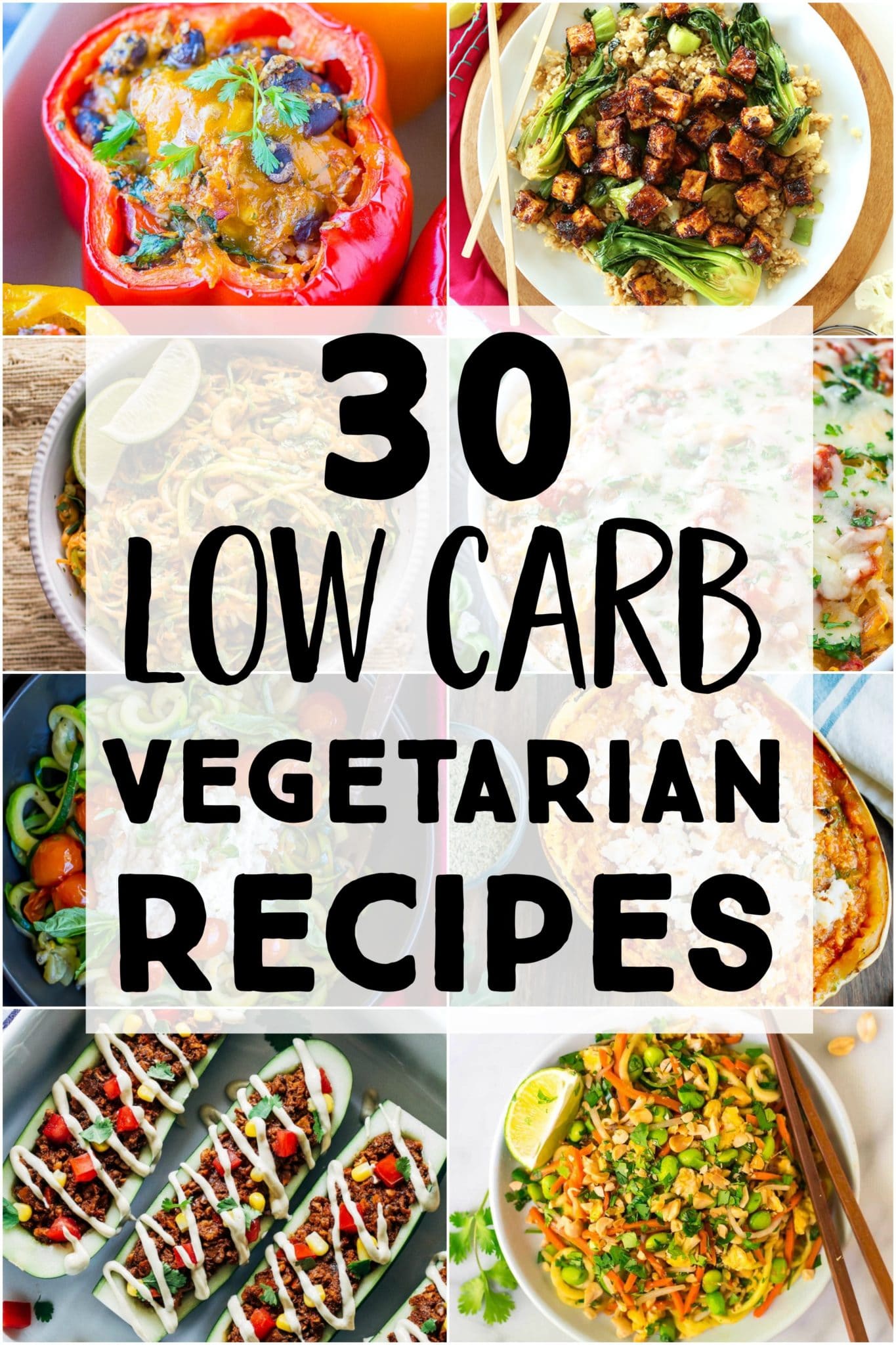
Try a tofu stir-fry with broccoli and bell peppers cooked in olive oil. A salad with mixed greens, avocado, nuts, and a boiled egg offers good fats and protein. For dinner, roasted vegetables with paneer and a side of sautéed spinach works well. Keep meals colorful to get many nutrients.
Snacks And Quick Bites
Keep snacks simple and low carb to avoid hunger between meals. Nuts and seeds provide fats and protein. Cheese slices or Greek yogurt are easy and filling. Veggie sticks with hummus make a crunchy, healthy snack. Prepare snacks ahead to avoid grabbing high carb options.
Common Challenges And Solutions
Starting a low carb vegetarian diet can bring some challenges. These may slow progress or cause frustration. Knowing common problems and how to solve them helps keep the diet on track.
Simple strategies can ease the transition. This section covers key issues faced by many and offers easy solutions. It helps maintain a healthy, balanced, and satisfying low carb veg diet.
Dealing With Carb Cravings
Cravings for bread, pasta, or sweets often appear at first. They come from habits and blood sugar changes. Drinking water or herbal tea helps reduce hunger. Eating more fiber-rich vegetables keeps you full longer. Small portions of nuts or seeds can curb sudden urges. Keeping busy also distracts from cravings.
Ensuring Adequate Protein Intake
Vegetarian diets sometimes lack enough protein. This is vital for muscles and energy. Include eggs, dairy, tofu, and tempeh in meals. Legumes like lentils and chickpeas add good protein too. Combine different protein sources to get all amino acids. Protein snacks like Greek yogurt keep levels steady throughout the day.
Maintaining Nutrient Balance
Low carb veg diets might miss some vitamins and minerals. Iron, vitamin B12, and omega-3 are common concerns. Add leafy greens, nuts, and seeds to meals. Use fortified plant milks or supplements if needed. Regular blood tests can track nutrient levels. Variety in food choices ensures a balanced intake.

Credit: runningonrealfood.com
Tracking Progress And Staying Motivated
Tracking your progress helps keep your low carb diet on track. It shows how far you have come. It also keeps motivation high. Small wins build confidence. They push you to continue eating healthy and staying active. Consistent monitoring makes it easier to notice patterns and adjust habits.
Staying motivated can be tough. Seeing results, even small ones, makes a big difference. Celebrate every step forward. Focus on what you can control. Set clear and simple goals. These habits support long-term success on a low carb vegetarian diet.
Using Food Journals
Food journals help you record what you eat each day. Writing down meals and snacks makes you aware of carb intake. It also helps spot hidden carbs in foods. Journals create a habit of mindful eating. You see progress and areas to improve clearly. They act as a daily reminder to stick to your plan.
Setting Realistic Goals
Set simple and clear goals for your diet. Start with small changes like reducing carb portions. Avoid aiming for big results too fast. Realistic goals prevent frustration and burnout. Break big goals into smaller steps. Achieving these steps keeps motivation high and builds success.
Celebrating Milestones
Celebrate even small wins on your low carb journey. Each milestone shows your effort and progress. Rewards can be non-food related like a walk or new book. Recognizing achievements keeps you positive. It encourages you to keep going strong. Every milestone is a step closer to your goal.
Conclusion
A low carb diet with vegetables can support healthy living. It helps reduce sugar and calorie intake while adding fiber and nutrients. Eating fresh veggies keeps meals tasty and varied. You can enjoy simple recipes that fit your lifestyle. Small changes make a big difference over time.
Choose colorful vegetables to keep your diet balanced and fun. Stay consistent, and your body will thank you. This way, healthy eating becomes easier and more enjoyable each day.