


Are you struggling to find a simple way to lose weight and feel more energetic? A low carb diet schedule could be the key to transforming your health without complicated rules.
Imagine having a clear, easy-to-follow plan that helps you cut carbs, boost your metabolism, and still enjoy delicious meals every day. You’ll discover how to create a low carb diet schedule that fits your lifestyle and keeps you motivated. Keep reading, and you’ll find practical tips that make healthy eating feel natural and achievable.
Your journey to a better you starts here.
Credit: www.mct2d.org
Benefits Of Low Carb Diet
The low carb diet offers many benefits beyond just cutting carbs. It changes how your body uses energy. This can help improve your health in several ways. Many people find it easier to stick to this diet. The benefits often show up quickly and keep improving over time.
Understanding these benefits can help you decide if a low carb diet suits your lifestyle. Below are some key advantages that many people experience.
Weight Loss Advantages
Low carb diets reduce hunger and help control appetite. This leads to eating fewer calories naturally. Your body burns stored fat for energy instead of carbs. This process helps you lose weight faster and more steadily. Many find it easier to keep weight off long term.
Improved Energy Levels
Cutting carbs stabilizes blood sugar and prevents energy crashes. Your body uses fat for fuel, which provides steady energy. This helps avoid feeling tired or sluggish during the day. Many report clearer thinking and better focus.
Blood Sugar Control
Lowering carb intake reduces blood sugar spikes after meals. This improves insulin sensitivity and helps manage diabetes. A low carb diet supports balanced blood sugar levels throughout the day. It may reduce the need for medication in some people.
Types Of Low Carb Diets
Low carb diets help reduce the amount of carbohydrates in your daily meals. They focus more on proteins and fats. Different types of low carb diets suit different needs and lifestyles. Understanding the main types can help you choose the best one for you.
Ketogenic Diet
The ketogenic diet is very low in carbs and high in fat. It forces the body to burn fat for energy instead of carbs. This process is called ketosis. People use it to lose weight and improve energy levels. It limits carb intake to about 20-50 grams per day. Foods like meat, fish, eggs, cheese, and oils are common here.
Atkins Diet
The Atkins diet starts with very low carb intake. It then allows more carbs gradually. This plan has four phases, starting with strict carb limits. It focuses on protein and fat intake too. The goal is to control hunger and lose weight. Vegetables, meats, and nuts are typical foods allowed.
Paleo Diet
The paleo diet focuses on eating like early humans. It avoids processed foods and sugars. This diet includes meats, fish, fruits, and vegetables. It allows natural fats like nuts and seeds. Carbs come mainly from fruits and vegetables. The paleo diet promotes whole, fresh foods with no additives.
Planning Your Low Carb Schedule
Planning your low carb diet schedule helps keep your meals organized and balanced. It supports steady energy levels throughout the day. A well-planned schedule reduces cravings and keeps you on track. You can enjoy a variety of foods without feeling rushed or hungry.
Setting Meal Times
Choose specific times for your meals each day. Eating at regular times helps control hunger and prevents overeating. Aim for three main meals and plan them about four to six hours apart. This rhythm helps your body adjust to burning fat for energy.
Balancing Macronutrients
Include the right mix of proteins, fats, and carbs in each meal. Protein supports muscle health and keeps you full longer. Healthy fats provide energy and help absorb vitamins. Keep carbs low, focusing on vegetables and small portions of fruits.
Incorporating Snacks
Choose low carb snacks to maintain energy between meals. Nuts, cheese, and boiled eggs are good options. Snacks stop sudden hunger and prevent overeating later. Keep snack portions small and nutritious to stay within your carb limits.
Sample Low Carb Meal Plans
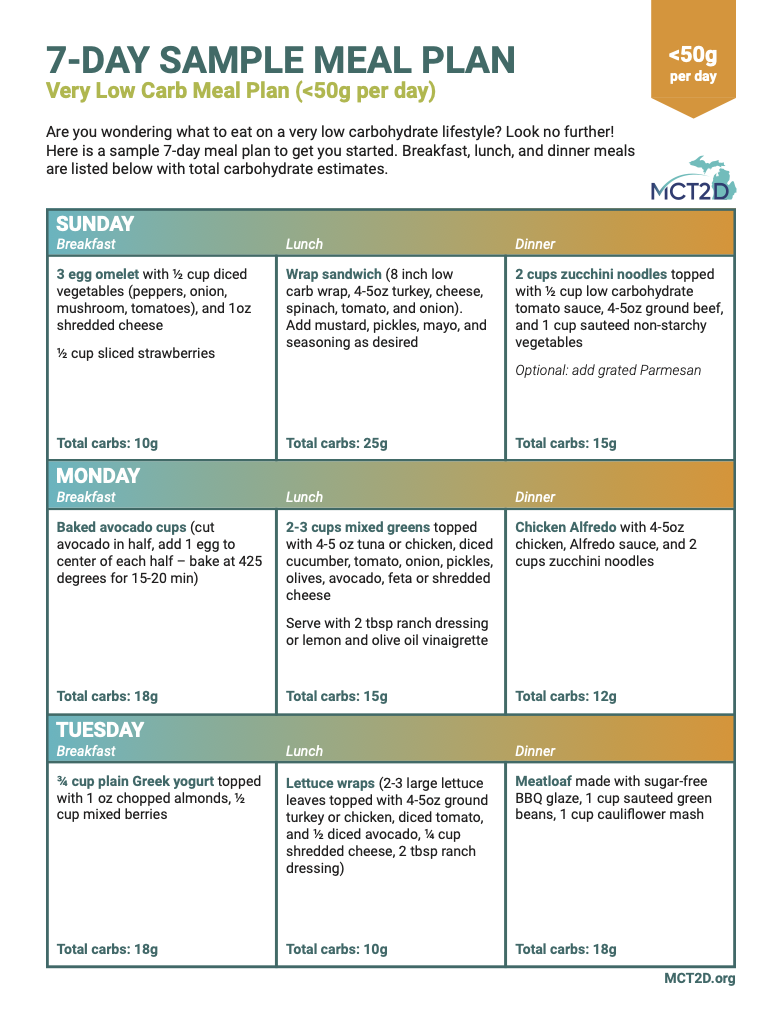
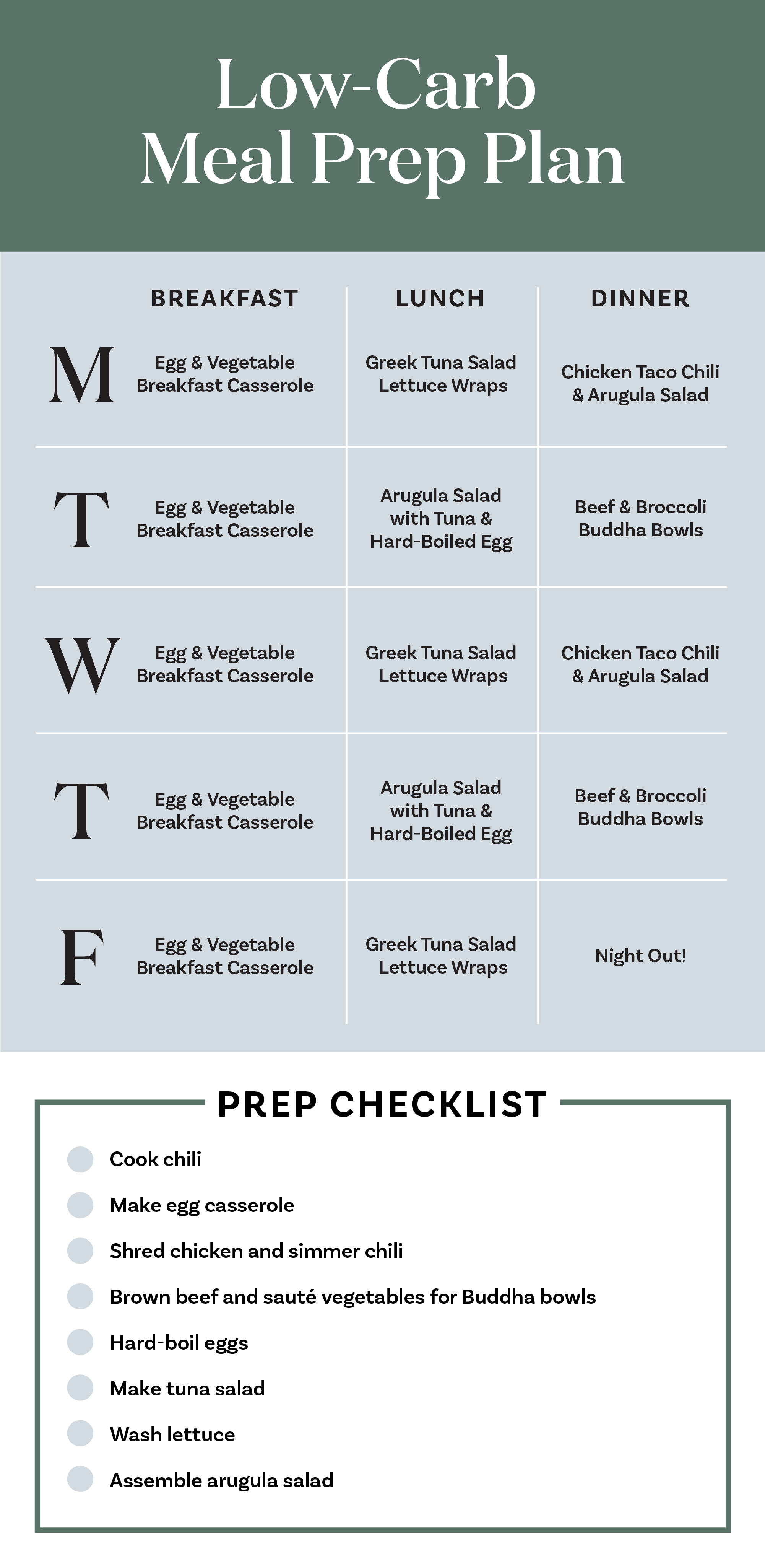
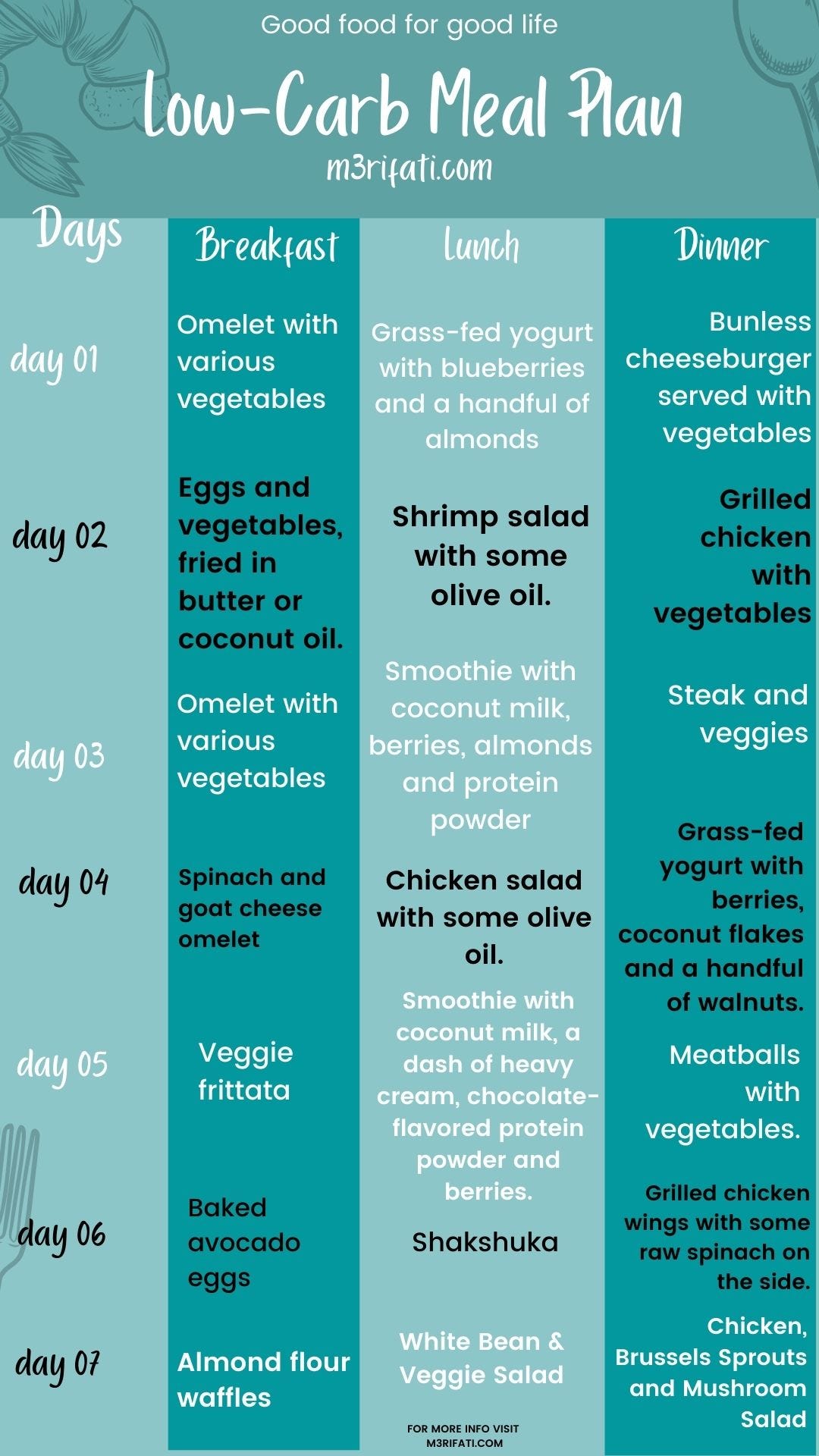
Sample low carb meal plans help you stay on track with your diet. They show what to eat each day. This makes meal prep easier. You get variety without counting every carb. These plans balance proteins, fats, and veggies. They keep meals tasty and filling. Here are some examples to guide your low carb journey.
7-day Weight Loss Plan
Start your week with a clear meal plan. Day 1: Scrambled eggs with spinach for breakfast. Grilled chicken salad for lunch. Salmon and broccoli for dinner.
Day 2: Greek yogurt with nuts in the morning. Tuna lettuce wraps at noon. Beef stir-fry with peppers in the evening.
Day 3: Omelet with mushrooms and cheese. Turkey and avocado salad. Zucchini noodles with meatballs.
Day 4: Cottage cheese and berries. Chicken Caesar salad. Pork chops with green beans.
Day 5: Smoothie with almond milk and spinach. Egg salad lettuce cups. Grilled shrimp with asparagus.
Day 6: Boiled eggs and cucumber slices. BLT salad. Beef and cauliflower rice stir-fry.
Day 7: Chia pudding with coconut milk. Salmon salad. Roasted chicken with mixed veggies.
Quick Breakfast Ideas
Egg muffins baked with veggies save time. Greek yogurt topped with nuts and seeds works well. Cottage cheese with sliced tomatoes makes a fresh choice. Hard-boiled eggs and avocado slices are simple. Smoothies with low carb fruits and spinach are refreshing. These quick breakfasts fuel your day with little effort.
Dinner Recipes
Grilled salmon with lemon and dill pairs well with steamed broccoli. Stir-fried beef with bell peppers and soy sauce is flavorful. Baked chicken thighs with garlic and herbs fill your plate. Zucchini noodles tossed in pesto with cherry tomatoes delight the palate. Cauliflower fried rice with shrimp offers a low carb twist. These dinners are easy to make and satisfying.
Tips For Staying On Track
Staying on track with a low carb diet can be challenging. Small steps help keep the focus strong. Simple habits make the journey easier. These tips support daily choices and boost success.
Meal Prep Strategies
Preparing meals ahead saves time and stress. Plan your meals for the week. Cook in batches and store portions. Use simple recipes with low carb ingredients. Keep snacks ready to avoid unhealthy choices.
Handling Cravings
Cravings are normal and can be managed. Drink water to help reduce hunger. Choose healthy low carb snacks like nuts or cheese. Distract yourself with a short walk or hobby. Remember, cravings usually pass quickly.
Tracking Progress
Tracking helps stay motivated and see results. Write down daily meals and snacks. Note energy levels and mood changes. Use simple apps or a notebook to record data. Celebrate small wins to keep the momentum going.
Common Mistakes To Avoid
Starting a low carb diet schedule can be tough. Many people make simple mistakes that slow progress or cause discomfort. Avoiding these common errors helps you stay on track and feel better.
Overeating Protein
Some think eating more protein is always good. Too much protein can turn into sugar in the body. This may stop you from staying in fat-burning mode. Keep protein in balance with other foods.
Neglecting Fiber Intake
Low carb diets often cut out fiber-rich foods. Lack of fiber can cause constipation and upset digestion. Choose low carb vegetables and nuts to keep fiber levels healthy. This supports digestion and helps you feel full longer.
Ignoring Hydration
Water is very important on a low carb diet. The body loses more water and salt when carbs are low. Not drinking enough water can cause headaches and tiredness. Drink plenty of water every day to stay hydrated and feel good.
Adjusting The Diet For Your Lifestyle
Adapting a low carb diet to fit your daily routine makes it easier to follow long term. Everyone has different schedules, activities, and food preferences. Adjusting the diet means finding ways to enjoy meals without stress.
This section covers how to balance exercise with low carb eating. It also shares tips for dining out and packing meals for travel. These ideas help keep your diet flexible and practical.
Exercise And Low Carb
Exercise affects your energy needs on a low carb diet. Choose foods with healthy fats and proteins before workouts. This fuels your body without spiking blood sugar.
After exercise, eat a balanced meal with vegetables and protein. It helps muscle recovery and keeps energy steady. Adjust carb intake slightly if you do high-intensity training.
Eating Out Tips
Restaurants often serve carb-heavy meals. Look for dishes with grilled meat, fish, or salad. Ask to replace bread or fries with extra vegetables.
Check menus online to plan ahead. Carry small snacks like nuts or cheese in case options are limited. Stay firm on your choices to avoid hidden sugars.
Travel-friendly Meals
Pack simple, low carb foods for trips. Hard-boiled eggs, sliced veggies, and jerky are easy and portable. Choose nuts and seeds for quick snacks.
Find grocery stores at your destination for fresh produce. Avoid fast food and convenience stores that sell high carb items. Planning ahead keeps your diet consistent on the go.
Credit: www.thekitchn.com
Credit: medium.com
Conclusion
A low carb diet schedule helps control your meals and cravings. It supports steady energy and aids weight management. Sticking to simple, balanced meals makes the plan easier. Planning ahead reduces stress and keeps you on track. Small changes add up to lasting results.
Keep your focus, listen to your body, and stay consistent. This approach can improve how you feel every day. Start with clear steps and enjoy the benefits over time.