

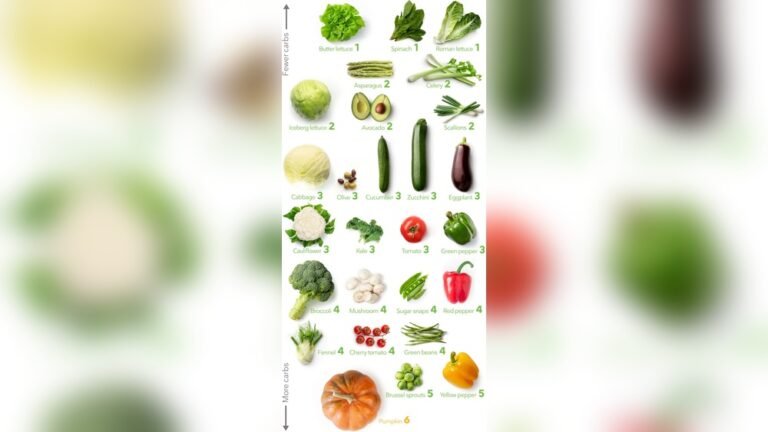
Are you trying to cut carbs but don’t want to give up delicious veggies? Finding the right low carb vegetables can make your meals tasty and satisfying without messing up your diet.
Imagine having a list that helps you pick the best veggies that keep your carb count low and your energy high. You’ll discover exactly which veggies fit perfectly into your low carb lifestyle, making your meal planning simple and enjoyable.
Keep reading, and unlock the secret to eating well without sacrificing flavor.
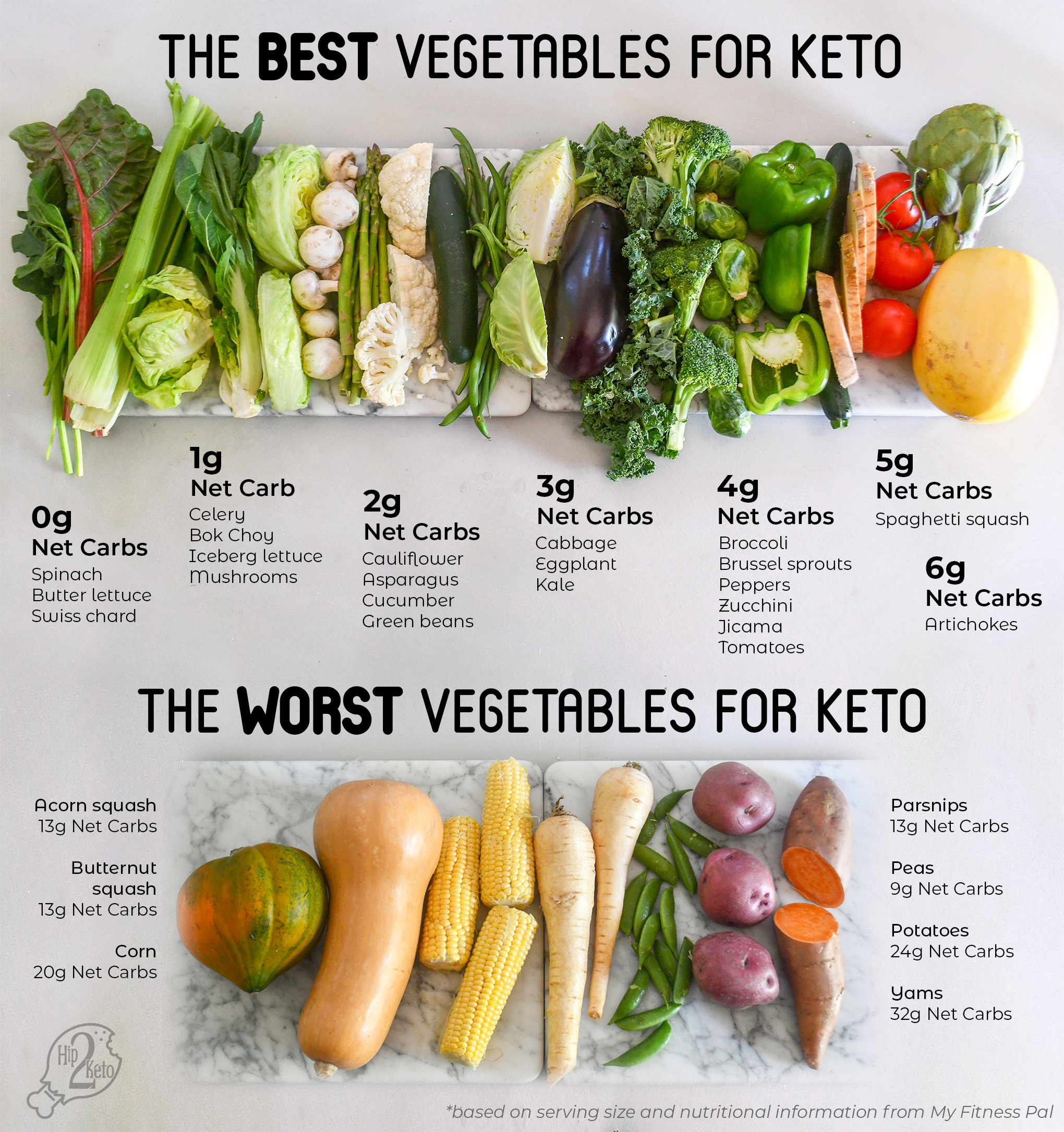
Credit: hip2keto.com
Benefits Of Low Carb Veggies
Low carb vegetables offer many health advantages. They support weight control and help keep blood sugar steady. These veggies are full of nutrients but low in calories and carbs.
Eating low carb veggies can improve digestion and boost energy. They also lower the risk of chronic diseases. Including these vegetables in meals makes diets more balanced and tasty.
Improved Blood Sugar Control
Low carb vegetables have little impact on blood sugar levels. This helps prevent spikes and crashes. People with diabetes or insulin resistance benefit from eating these veggies regularly.
Supports Weight Loss
These vegetables are low in calories but fill you up. They reduce hunger and prevent overeating. This helps create a calorie deficit needed for weight loss.
Rich In Fiber
Fiber in low carb veggies improves digestion and gut health. It helps keep bowel movements regular. Fiber also feeds good gut bacteria, which supports the immune system.
High In Vitamins And Minerals
Low carb veggies provide essential vitamins and minerals. These nutrients help the body function well and stay healthy. Common vitamins include A, C, and K, plus minerals like potassium and magnesium.
Antioxidant Properties
Many low carb vegetables contain antioxidants. These protect the body from damage caused by harmful molecules. Antioxidants reduce inflammation and support overall health.
Leafy Greens To Try
Leafy greens are a staple in any low carb diet. They are low in carbohydrates but rich in vitamins and minerals. These greens add freshness and crunch to meals without adding many carbs.
Here are some leafy greens to try. Each one offers unique flavors and nutrients that support your low carb lifestyle.
Spinach
Spinach is mild and tender. It works well raw in salads or cooked in dishes. This green is high in iron and vitamin K. Spinach has very few carbs, making it perfect for low carb eating.
Kale
Kale has a stronger taste and firm texture. It can be eaten raw or sautéed. Kale contains fiber, vitamins A and C. It helps keep your meals healthy and filling without many carbs.
Romaine Lettuce
Romaine lettuce is crisp and refreshing. It is great for salads and wraps. This green provides vitamin A and folate. Romaine has a low carb count and adds crunch to your meals.
Crunchy Low Carb Choices
Crunchy vegetables add a fresh and satisfying texture to any low carb meal or snack. They are perfect for dipping, snacking, or adding to salads. These veggies keep your meals interesting without adding many carbs.
Here are some crunchy low carb choices that you can enjoy daily. They are easy to find and easy to prepare.
Cucumbers
Cucumbers are mostly water, making them very low in carbs. They have a crisp texture and a mild flavor. You can slice them for salads or eat them raw with a pinch of salt. Cucumbers also help keep you hydrated.
Celery
Celery is a classic crunchy vegetable with very few carbs. It is perfect for snacks and pairs well with dips like cream cheese or peanut butter. Celery sticks add a fresh crunch to any dish.
Bell Peppers
Bell peppers come in bright colors and have a sweet, crunchy bite. They contain low carbs and lots of vitamins. Slice them for a snack or add them to stir-fries and salads for extra crunch and flavor.
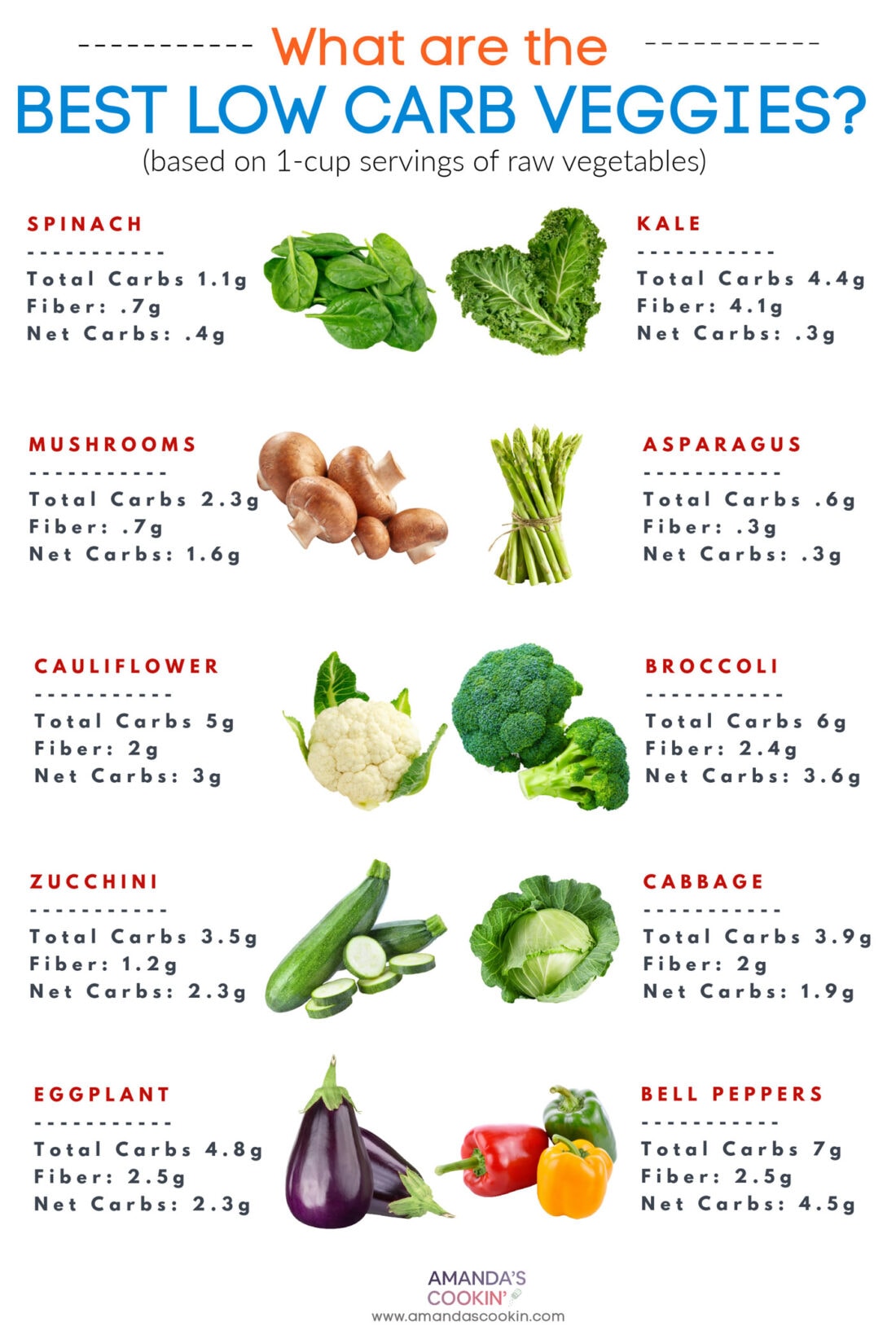
Credit: amandascookin.com
Flavorful Low Carb Roots
Root vegetables often get overlooked in low carb diets. Yet, some roots offer great flavors without many carbs. These flavorful low carb roots add variety and taste to meals. They fit perfectly in salads, soups, and roasted dishes.
Low carb roots bring texture and nutrients without spiking blood sugar. They are easy to cook and delicious. Let’s explore some tasty low carb root vegetables.
Radishes
Radishes are crisp and peppery. They contain very few carbs, about 2 grams per 100 grams. Radishes can be eaten raw or cooked. They add a fresh crunch to salads. Roasting radishes softens their flavor and sweetness.
Turnips
Turnips have a mild, slightly sweet taste. They contain about 4 grams of net carbs per 100 grams. Turnips can replace potatoes in many dishes. Boil, mash, or roast turnips for a low carb side. Their subtle flavor pairs well with herbs and spices.
Rutabaga
Rutabaga is a larger root with a sweet, earthy flavor. It has about 6 grams of net carbs per 100 grams. Rutabaga works well in stews and casseroles. It can be mashed or roasted like potatoes. This root adds a unique taste and texture to meals.
Low Carb Vegetables For Cooking
Low carb vegetables are perfect for cooking healthy meals. They add flavor and texture without many carbs. These veggies fit well in many dishes. They help keep meals light and nutritious. Cooking with low carb vegetables supports weight control and overall health.
Zucchini
Zucchini is a versatile vegetable. It cooks quickly and tastes mild. You can grill, roast, or sauté it. Zucchini noodles are a popular low carb pasta substitute. It contains fiber, vitamins, and antioxidants. This vegetable helps fill you up without adding many carbs.
Cauliflower
Cauliflower is a low carb staple. It can be mashed, roasted, or steamed. Cauliflower rice is a great carb alternative. It absorbs flavors well and has a mild taste. Rich in vitamin C and fiber, it supports digestion and immunity. Cauliflower blends easily into many recipes.
Asparagus
Asparagus is a low carb vegetable with a distinct flavor. It cooks fast by steaming, roasting, or grilling. Rich in vitamins A, C, and K, asparagus boosts health. It adds crunch and freshness to meals. This veggie is perfect for adding variety and nutrients to your plate.
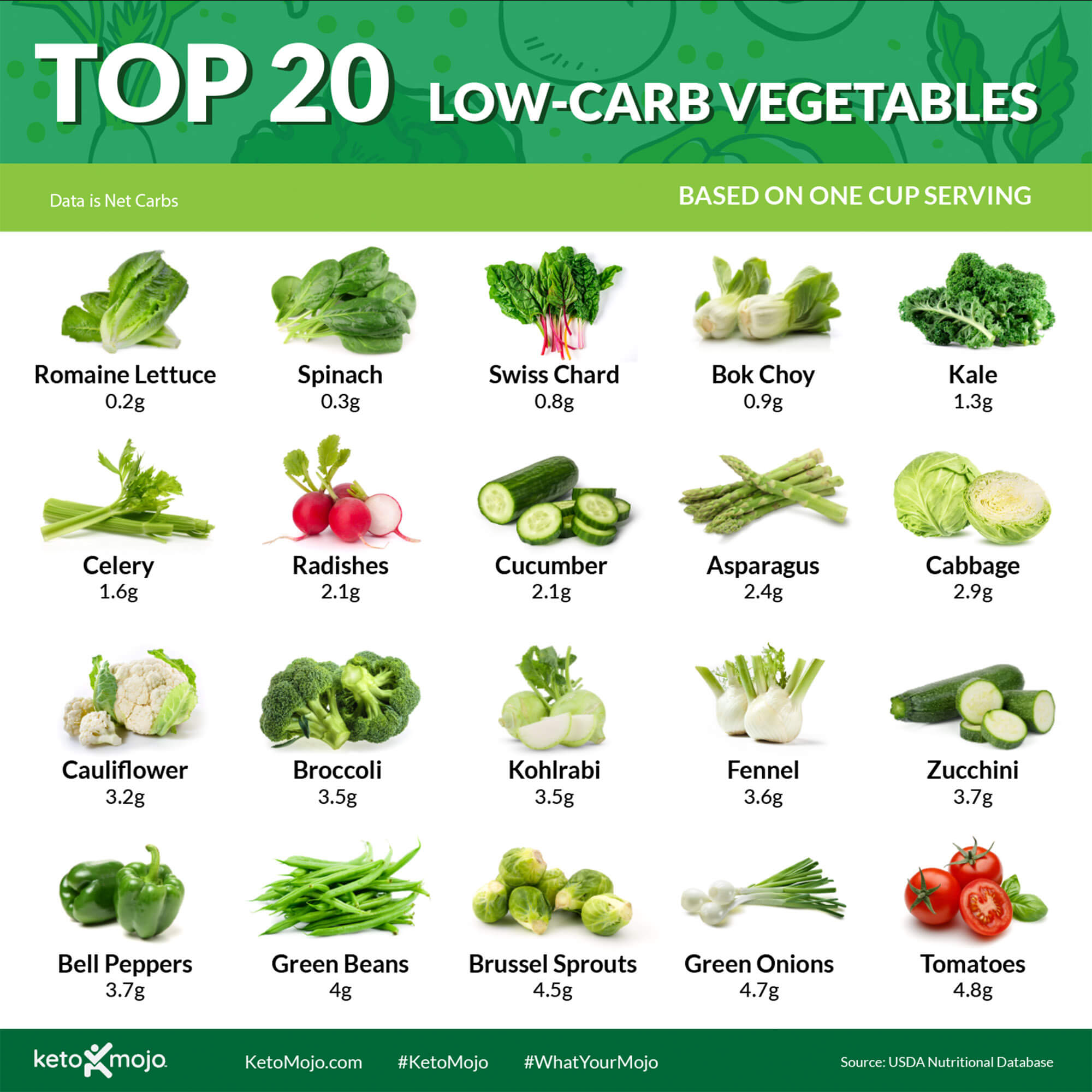
Credit: keto-mojo.com
Incorporating Veggies Into Meals
Adding low carb vegetables to meals boosts flavor and nutrition. Veggies fill dishes with vitamins and fiber without many carbs. They keep meals light but satisfying. Easy ways exist to include them in daily cooking.
Salads And Wraps
Salads offer a fresh, crunchy way to enjoy low carb veggies. Mix leafy greens like spinach or kale with cucumbers and bell peppers. Use avocado for creaminess and healthy fats. Wraps made with lettuce leaves or low carb tortillas hold colorful veggies well. Add grilled chicken or tofu for protein. Dress lightly with olive oil and lemon juice for taste.
Stir-fries And Roasts
Stir-fries cook veggies quickly, keeping them crisp and tasty. Use broccoli, zucchini, and snap peas. Stir-fry with garlic and ginger for extra flavor. Roasting brings out natural sweetness in veggies like cauliflower or Brussels sprouts. Toss them with olive oil and herbs before roasting. Both methods create warm, filling meals with few carbs.
Soups And Stews
Soups and stews combine veggies into comforting dishes. Use low carb options like celery, spinach, and mushrooms. Simmer slowly to blend flavors well. Add meat or beans for protein and richness. These dishes are easy to digest and perfect for cooler days. Serve hot for a nourishing meal full of nutrients.
Tips For Buying And Storing
Choosing and storing low carb vegetables properly helps keep them fresh and tasty. It also reduces waste and saves money. Knowing what to check and how to store these veggies makes a big difference. Follow these tips to enjoy your low carb veggies longer.
Check For Freshness And Quality
Pick vegetables that look firm and bright. Avoid those with soft spots or wrinkles. Fresh veggies have a strong color and no bad smell. This means they have more nutrients and better taste.
Choose Seasonal And Local Veggies
Seasonal vegetables usually cost less and taste better. Local produce spends less time in transport. This keeps them fresher and healthier. Buy from farmers’ markets or local stores for the best pick.
Store In Proper Containers
Use airtight containers or bags to keep moisture out. Some vegetables need paper towels to absorb extra wetness. This stops mold and rotting. Store leafy greens in damp cloths to keep them crisp.
Keep Vegetables At The Right Temperature
Most low carb veggies last longer in the fridge. Root vegetables like onions and garlic do better in a cool, dark place. Avoid storing tomatoes and cucumbers in cold spots. This keeps their flavor and texture intact.
Conclusion
Choosing low carb veggies can help you eat healthy and feel good. These vegetables give you vitamins and fiber without many carbs. You can enjoy them in salads, stir-fries, or as snacks. Eating them often supports weight control and steady energy.
Keep this list handy to plan your meals easily. Small changes in your diet can lead to big health benefits. Start adding these veggies today for a simple, tasty way to stay fit.