


If you’re dealing with prediabetes, you might feel overwhelmed by all the diet advice out there. But what if a simple change in your eating habits could help you take control of your blood sugar and protect your health?
A low carb diet could be the key. Imagine feeling more energetic, reducing your risk of diabetes, and enjoying tasty meals without constant worry. This article will show you how a low carb diet works for prediabetes and how it can fit into your life.
Keep reading—you’re closer to making a change that really matters.

Credit: www.lark.com
Prediabetes And Its Risks
Prediabetes is a warning sign for your health. It means your blood sugar levels are higher than normal but not high enough to be diabetes. Understanding the risks of prediabetes helps you take control early.
Many people do not realize they have prediabetes. Without changes, it often leads to type 2 diabetes. This can cause serious health problems. Knowing what prediabetes means and its risks can guide better choices.
What Prediabetes Means
Prediabetes means your body struggles to manage blood sugar. Your pancreas may not produce enough insulin. Or your cells resist insulin’s effects. This causes sugar to build up in your blood.
Blood sugar levels are higher than normal but not in diabetes range. It shows your body is heading towards diabetes. Early signs like this offer a chance to slow or stop the process.
Health Complications Linked To Prediabetes
Prediabetes increases risks for heart disease and stroke. High blood sugar harms blood vessels and nerves. This leads to poor circulation and damage to vital organs.
It also raises the chance of developing type 2 diabetes. Diabetes causes problems like kidney failure, blindness, and infections. Prediabetes is a critical stage to prevent these outcomes.
Why Early Action Matters
Taking action early can reverse prediabetes. Small changes in diet and exercise improve blood sugar control. This lowers the risk of developing diabetes and heart disease.
Early control helps protect your body from long-term damage. It gives you a chance to live a healthier, longer life. Prediabetes is a call to act now, not later.
:max_bytes(150000):strip_icc()/VWH-JessicaOlah-DietforPrediabetes-Standard-0834f1eab8884c08890c446ff0ab3c52.jpg)
Credit: www.verywellhealth.com
Basics Of A Low Carb Diet
A low carb diet focuses on reducing carbohydrate intake to help control blood sugar levels. This diet is useful for people with prediabetes. It helps the body use fat for energy instead of sugar. This change can improve insulin sensitivity and lower blood sugar. Understanding the basics of a low carb diet helps in making better food choices and managing prediabetes effectively.
How Low Carb Diet Works
The body usually uses carbohydrates for energy. When carbs are limited, the body switches to burning fat. This process lowers blood sugar spikes after meals. It also reduces insulin demand. For people with prediabetes, this helps keep blood sugar more stable. The diet encourages the body to use stored fat, which can improve weight control too.
Types Of Low Carb Diets
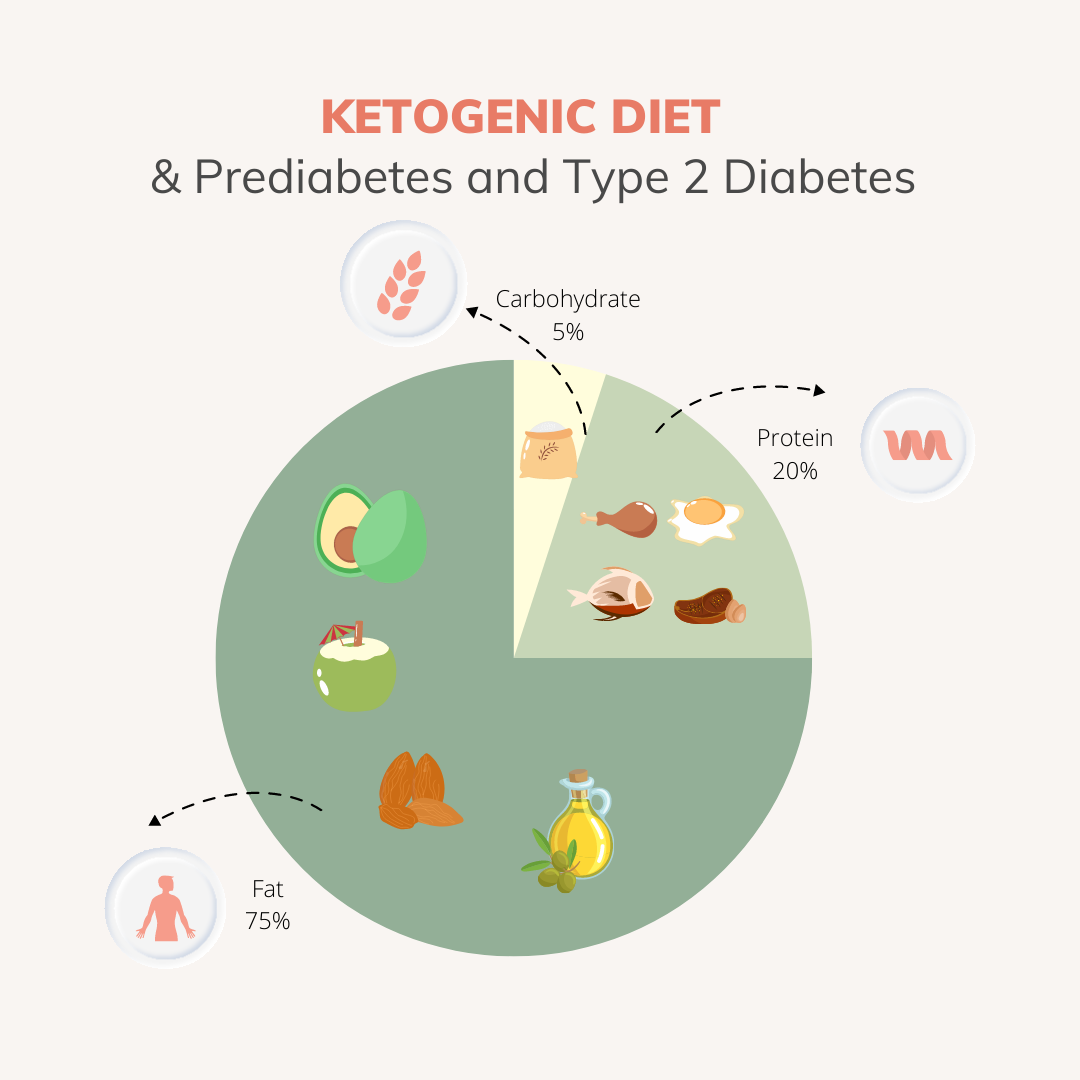
Several low carb diets exist, each with different carb limits. The ketogenic diet is very low in carbs, usually under 20 grams per day. The Atkins diet starts low in carbs and gradually increases them. The Paleo diet focuses on whole foods and limits processed carbs. Choose a type that fits your lifestyle and health needs. Consult a healthcare provider before starting.
Foods To Embrace And Avoid
Focus on foods rich in protein and healthy fats. Include lean meats, fish, eggs, nuts, and seeds. Vegetables like spinach, broccoli, and cauliflower are good choices. Avoid sugary foods, bread, pasta, and rice. Cut back on starchy vegetables and most fruits. Reading food labels helps avoid hidden carbs. Drinking plenty of water supports the diet and overall health.
Low Carb Diet Benefits For Prediabetes
A low carb diet offers clear benefits for people with prediabetes. It helps manage blood sugar levels and supports overall health. This diet focuses on reducing carbohydrate intake, which can improve how your body uses insulin. Simple changes in food choices may lead to better control over blood sugar and weight.
Blood Sugar Control
Eating fewer carbs reduces blood sugar spikes after meals. This keeps glucose levels more stable throughout the day. Stable blood sugar lowers the risk of developing type 2 diabetes. Controlling blood sugar also reduces feelings of fatigue and hunger.
Weight Management
Low carb diets help reduce body fat by limiting sugars and starches. Losing even a small amount of weight can improve health for people with prediabetes. This diet often leads to eating more protein and healthy fats. These nutrients increase fullness and help control appetite.
Improved Insulin Sensitivity
Lowering carb intake makes the body respond better to insulin. Improved insulin sensitivity means cells use sugar more efficiently. This reduces the strain on the pancreas. Better insulin function helps prevent blood sugar from rising too high.
Planning Your Low Carb Meals
Planning your low carb meals is key for managing prediabetes effectively. Careful meal planning helps keep blood sugar stable. It also supports weight control and boosts energy. Choosing the right foods and preparing meals ahead saves time and reduces stress. A clear plan keeps you on track and makes healthy eating easier. Focus on balanced meals with protein, healthy fats, and low carb vegetables.
Meal Ideas And Recipes
Try grilled chicken with steamed broccoli and olive oil. Omelets with spinach and cheese work well for breakfast. A salad with mixed greens, avocado, and salmon offers good fats. Cauliflower rice with stir-fried vegetables is a tasty side. Keep recipes simple and use fresh ingredients. Avoid heavy sauces and sugary dressings.
Smart Snacking Options
Choose nuts like almonds or walnuts for quick snacks. Cheese slices or Greek yogurt provide protein and fat. Raw veggies with hummus add fiber and crunch. Hard-boiled eggs are easy and filling. Keep snacks small to avoid blood sugar spikes. Prepare portions in advance to prevent overeating.
Meal Prep Tips
Cook large batches of proteins like chicken or beef. Chop vegetables and store them in airtight containers. Use mason jars for layered salads to grab and go. Portion meals into containers for easy reheating. Plan your shopping list to include low carb staples. Batch cooking saves time and encourages healthy choices.
Lifestyle Changes To Support Your Diet
Making lifestyle changes helps support a low carb diet for prediabetes. These changes improve your body’s ability to manage blood sugar. Small daily habits add up to big health benefits. Focus on exercise, stress, and sleep to boost your diet’s effect.
Incorporating Regular Exercise
Exercise helps lower blood sugar and increase insulin sensitivity. Aim for at least 30 minutes of activity most days. Walking, cycling, or swimming are good choices. Consistency is key. Find activities you enjoy to stay active long-term.
Managing Stress Levels
Stress raises blood sugar and makes it harder to control prediabetes. Use simple ways to relax, like deep breathing or meditation. Take breaks during the day to clear your mind. Keep your routine calm and steady to reduce stress.
Importance Of Sleep
Good sleep supports blood sugar balance and overall health. Try to get 7 to 8 hours each night. Keep a regular sleep schedule. Avoid screens and heavy meals before bedtime. Rested bodies handle sugar better and feel more energetic.
Monitoring Progress And Staying Motivated
Monitoring progress and staying motivated are key parts of managing prediabetes with a low carb diet. Tracking changes helps you see what works and keeps you focused. Small wins build confidence and push you to continue. This section explains how to track your health and handle challenges.
Tracking Blood Sugar And Weight
Check your blood sugar regularly to see how your body reacts. Record the numbers in a journal or app. Note the time and what you ate. Weigh yourself once or twice a week. Avoid daily weighing to prevent stress. Tracking helps spot patterns and guides your food choices.
Setting Realistic Goals
Set small, clear goals that you can reach. For example, reduce carb intake step by step. Aim for steady weight loss, like one to two pounds a week. Celebrate each success to stay encouraged. Realistic goals prevent burnout and keep you moving forward.
Overcoming Common Challenges
Cravings and social events can make low carb hard. Plan meals ahead to avoid bad choices. Drink water to reduce hunger. Find low carb snacks for busy times. Talk to friends about your diet to get support. Remember, setbacks happen. Keep trying and learn from them.
When To Seek Professional Guidance
Starting a low carb diet for prediabetes can bring many benefits. Still, it is important to know when to get help from a healthcare expert. This ensures your plan is safe and works well for your body.
Some changes in diet may affect your blood sugar and medication needs. Professional guidance helps avoid risks and improves your health results.
Working With Healthcare Providers
Talk to your doctor before starting a low carb diet. They can check your current health status and give advice. Regular check-ups help track your blood sugar and overall health. Nurses, dietitians, and diabetes educators also provide valuable support.
Adjusting Medication If Needed
A low carb diet can lower blood sugar levels fast. This may require changes in your diabetes medicine. Only a doctor can safely adjust your doses. Watch for signs of low blood sugar and report them right away.
Personalized Nutrition Advice
Each person’s body reacts differently to diet changes. A dietitian can create a meal plan just for you. This plan fits your tastes, lifestyle, and health goals. Personalized advice increases your chance of success and safety.
Credit: kwiketo.com
Conclusion
A low carb diet can help manage prediabetes well. It supports steady blood sugar levels and reduces cravings. Eating fewer carbs often leads to better energy and weight control. Small changes in meals make a big difference over time. Staying consistent is key to seeing results.
Talk to a doctor before changing your diet. This approach may improve health and prevent diabetes. Simple steps today can protect your future well-being. Keep it easy and stick with the plan.