


Are you tired of complicated diet plans that leave you feeling hungry and frustrated? A low carb diet program might be exactly what you need to take control of your health and lose weight without sacrificing taste or energy.
Imagine enjoying satisfying meals that help you shed pounds, boost your energy, and improve your well-being—all without constant hunger or cravings. You’ll discover how low carb diets work, simple programs to follow, and tips to make the process easier. Keep reading to find the key to a healthier, happier you.
Credit: medium.com
Benefits Of Low Carb Diets
Low carb diets have gained popularity for good reasons. They help many people feel better and achieve health goals. Cutting carbs changes how your body uses energy. This shift brings several benefits that can improve daily life and overall health.
Weight Loss Advantages
Low carb diets reduce hunger and cravings. Eating fewer carbs lowers insulin levels, helping your body burn fat. Many people lose weight faster and keep it off. This diet can be easier to follow than strict calorie counting.
Improved Blood Sugar Control
Reducing carbs helps stabilize blood sugar levels. This is important for people with diabetes or insulin resistance. Low carb eating can lower the risk of blood sugar spikes. It supports better long-term health and reduces complications.
Enhanced Energy Levels
Low carb diets provide steady energy throughout the day. They prevent crashes caused by sugar highs and lows. Your body learns to burn fat for fuel, which lasts longer. Many experience clearer focus and less fatigue.
Credit: www.mct2d.org
Popular Low Carb Diet Plans
Low carb diet plans are popular for their focus on reducing carbohydrate intake. These diets help control blood sugar and promote weight loss. Many people find success with these plans because they emphasize whole foods and healthy fats. Here are three popular low carb diet plans that many follow.
Ketogenic Diet
The ketogenic diet is very low in carbs and high in fat. It forces the body to burn fat for energy instead of sugar. This process is called ketosis. Many use this diet for quick weight loss and better energy levels. Foods like meat, cheese, and oils are staples on this plan.
Atkins Diet
The Atkins diet starts with very low carbs and increases them slowly. It has four phases to help people adjust and maintain weight loss. Protein and healthy fats are important in this plan. It allows some fruits and vegetables after the first phase.
Paleo Diet
The Paleo diet focuses on eating like early humans did. It avoids processed foods and grains. Instead, it includes meat, fish, nuts, and fresh vegetables. Many choose this plan to eat natural and simple foods. It can be low carb depending on food choices.
How To Choose The Right Plan
Choosing the right low carb diet plan can feel confusing. Many options exist, each with different rules and foods. Picking a plan that fits your needs helps you stick to it. This section explains key steps to find the best plan for you.
Assessing Personal Goals
Start by knowing your goals. Do you want to lose weight, gain energy, or control blood sugar? Clear goals guide your choice. Some plans focus on weight loss. Others help manage health conditions. Choose a plan that matches what you want to achieve.
Considering Lifestyle Factors
Think about your daily routine. How much time can you spend cooking? Do you eat out often? Some plans need more meal prep. Others allow quick and easy foods. Also, consider your food likes and dislikes. Pick a plan you can follow easily without stress.
Consulting With Healthcare Professionals
Talk to a doctor or dietitian before starting. They know your health history and needs. Professionals can suggest safe plans for you. They help avoid health risks. Getting advice ensures your diet supports your overall health goals.
Meal Planning And Recipes
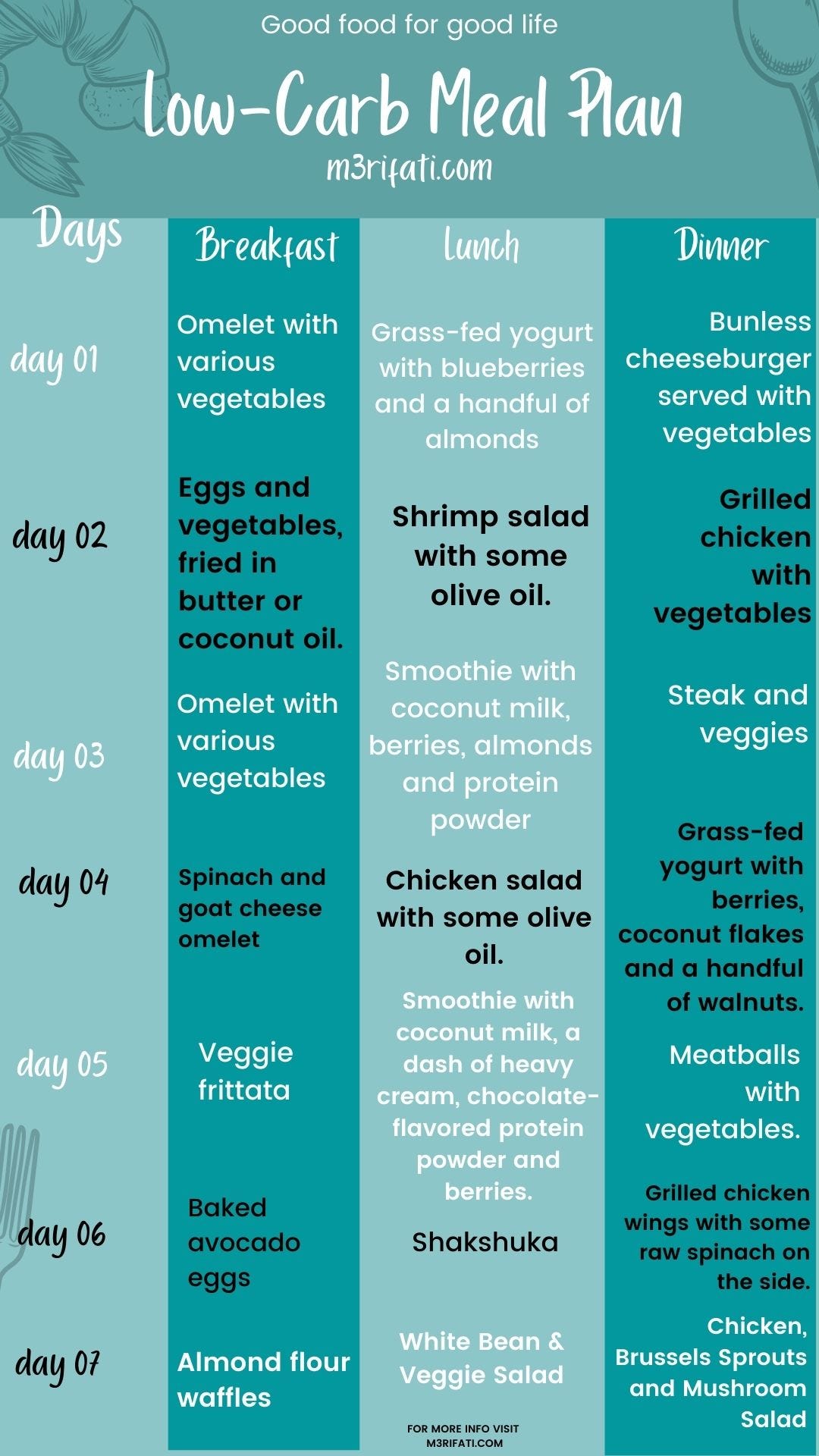
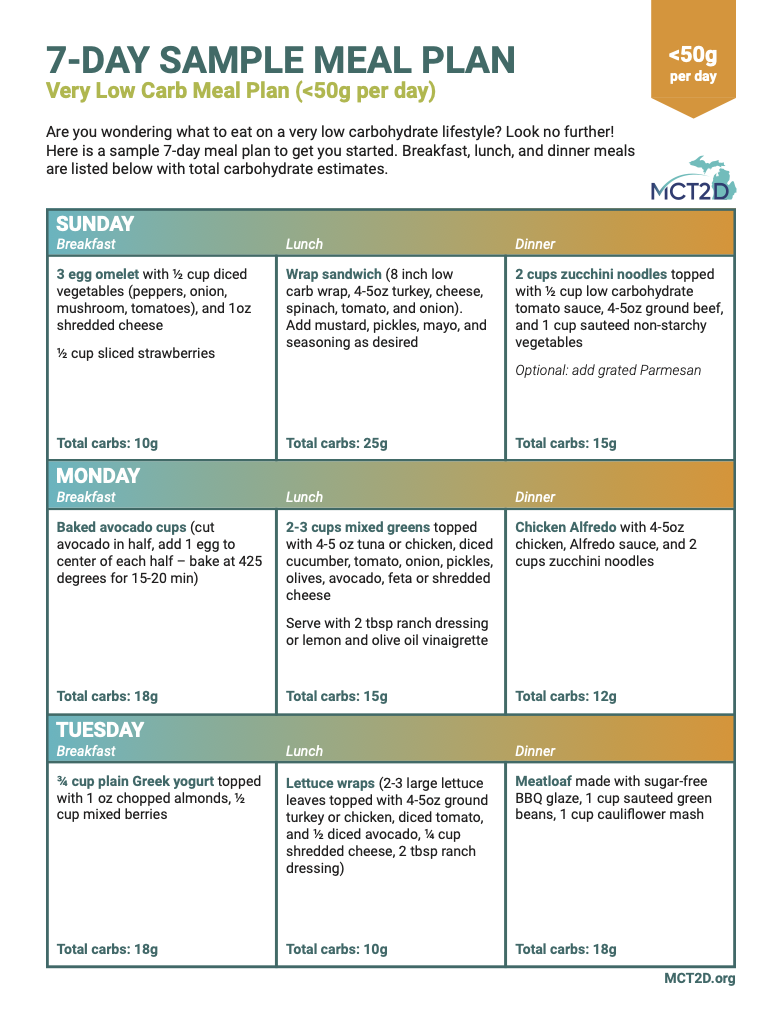
Meal planning is key to success on a low carb diet. It helps you stay on track and avoid high-carb temptations. Having a list of easy recipes makes daily cooking simple and stress-free.
Choosing the right meals can keep you full and satisfied. Focus on fresh ingredients, healthy fats, and lean proteins. Variety keeps your diet interesting and enjoyable.
Easy Low Carb Breakfasts
Start your day with low carb breakfast options. Scrambled eggs with spinach and cheese are quick and tasty. Greek yogurt with nuts and seeds offers a creamy, crunchy mix. Avocado slices on whole grain toast add healthy fats and fiber.
Delicious Lunch And Dinner Ideas
Lunch and dinner can be rich and flavorful without carbs. Grilled chicken salad with olive oil dressing is light and filling. Stir-fried vegetables with shrimp make a colorful, nutrient-packed meal. Zucchini noodles with tomato sauce offer a pasta feel without the carbs.
Snacks And Desserts
Low carb snacks keep hunger away between meals. Cheese sticks, boiled eggs, or nuts are easy to carry and eat. For dessert, try berries with whipped cream or sugar-free gelatin. These treats satisfy cravings without breaking your diet.
Common Challenges And Solutions
Starting a low carb diet can bring many benefits. It can also bring some challenges. Knowing common problems helps you stay on track. Simple solutions make the journey easier. Below are key challenges and ways to overcome them.
Dealing With Carb Cravings
Cravings for bread, pasta, or sweets often hit hard. Your body misses its usual energy source. Drinking water helps reduce hunger and cravings. Eating more protein and healthy fats keeps you full longer. Try chewing gum or having a crunchy vegetable snack. These tricks distract your mind and calm cravings.
Managing Social Situations
Parties and dinners can be tricky on a low carb plan. Many foods served have hidden carbs. Plan ahead by eating a small, low carb meal before events. Choose dishes with vegetables, meat, or cheese. Politely say no to high carb items. Bringing your own low carb dish can also help.
Staying Motivated
Motivation may fade after a few weeks. Tracking your progress shows how far you have come. Celebrate small wins like more energy or weight loss. Join support groups or find a diet buddy. Remind yourself why you started. Keep your goals clear and simple.
Tracking Progress And Results
Tracking progress is key in low carb diet programs. It helps you see real changes. You stay motivated and on the right track. Small wins build up to big results. You learn what works best for your body. This section shows ways to track your journey effectively.
Monitoring Weight And Measurements
Weigh yourself regularly to check your progress. Use the same scale and time each day. Record your weight to spot trends over time. Take body measurements like waist, hips, and chest. Measurements show fat loss even when weight stays steady. This gives a clearer picture of body changes.
Using Food Journals
Write down everything you eat and drink daily. Note portion sizes and carb amounts. Food journals increase awareness of eating habits. They help identify hidden carbs or overeating. Reviewing journals shows what foods help or hurt progress. This tool supports better choices and accountability.
Adjusting The Plan As Needed
Use your tracked data to make changes in your diet. If weight loss stalls, check carb intake and portions. Adjust meal plans to include more vegetables or protein. Listen to your body and energy levels. Flexible plans fit your lifestyle and improve results. Small tweaks keep the diet effective and sustainable.

Credit: kompanionapp.com
Conclusion
Low carb diet programs can help control weight and improve health. They focus on eating fewer sugars and starches. Many people find these plans easy to follow. You can enjoy tasty foods like meat, fish, and vegetables. It is important to choose a plan that fits your lifestyle.
Always listen to your body and adjust as needed. Small changes can lead to big results over time. Staying consistent matters more than perfection. Try to keep a balanced approach for lasting success.