

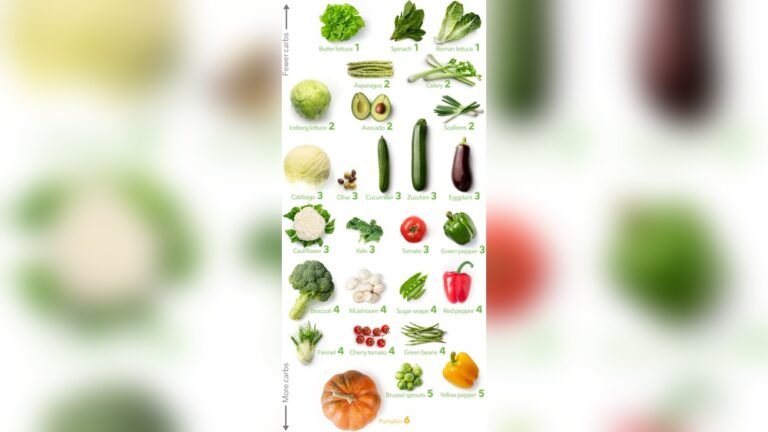
If you’re trying to cut down on carbs but don’t want to give up on tasty, nutritious veggies, you’re in the right place. Choosing the right low-carb vegetables can make your meals more satisfying without spiking your carb intake.
Imagine enjoying crunchy cucumbers, fresh spinach, or vibrant bell peppers that fuel your body and keep your diet on track. You’ll discover a simple list of the best low-carb vegetables that fit perfectly into your lifestyle. Stick with me, and you’ll find easy ways to enjoy these veggies every day—no complicated diets, just smart choices that work for you.
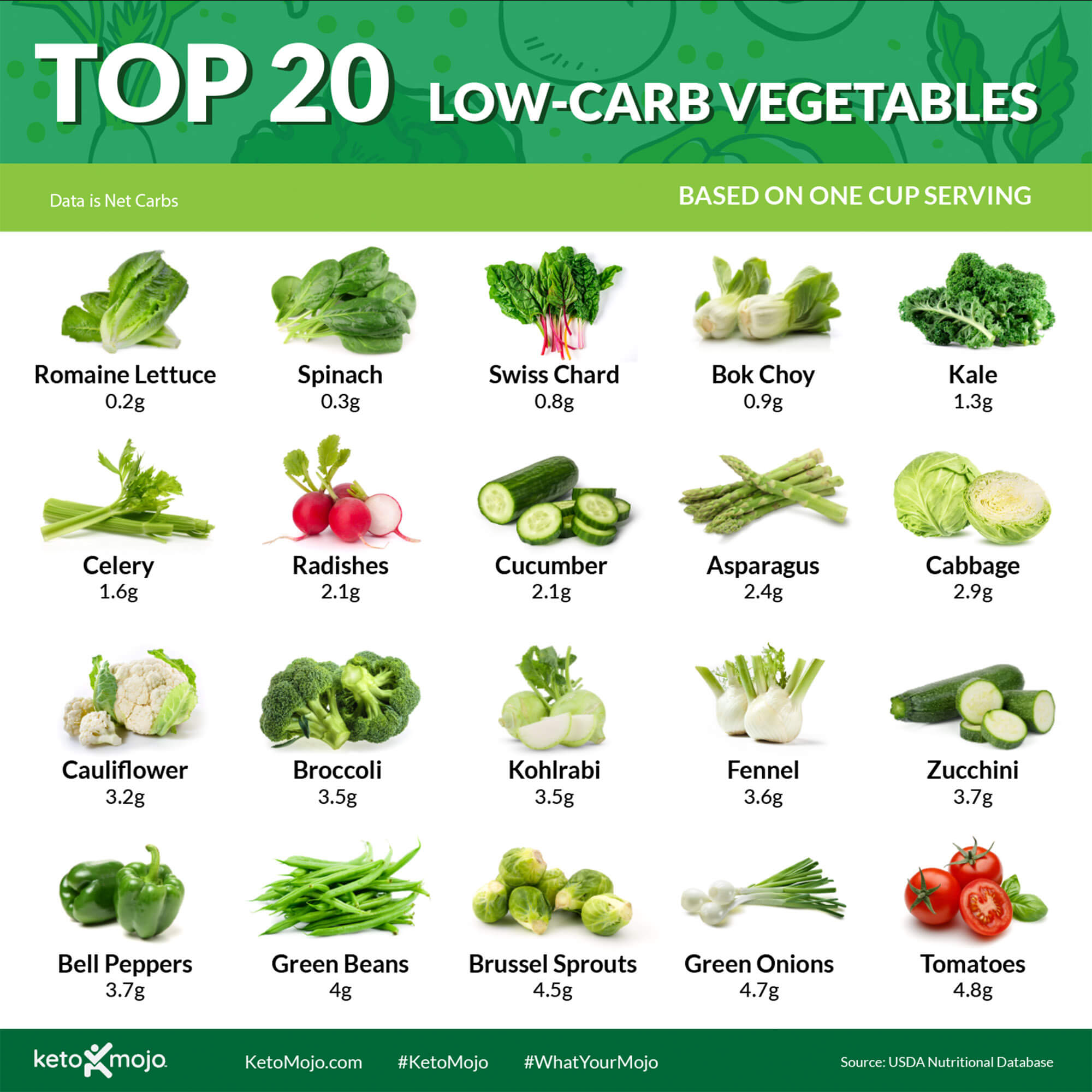
Credit: keto-mojo.com
Top Low Carb Vegetables
Choosing the right vegetables is key for a low carb diet. Vegetables with fewer carbs support weight control and steady energy. Many vegetables provide fiber, vitamins, and minerals without adding many carbs.
This section highlights top low carb vegetables. These options fit well into low carb meal plans. They add flavor and nutrition without extra carbohydrates.
Leafy Greens
Leafy greens are excellent low carb choices. Spinach, kale, and lettuce have very few carbs. They contain antioxidants and fiber. These greens work well in salads or cooked dishes. Swiss chard and arugula are tasty options too.
Cruciferous Veggies
Broccoli, cauliflower, and Brussels sprouts belong to this group. These veggies are low in carbs and rich in vitamins. Cauliflower is popular as a rice or mash substitute. Brussels sprouts add crunch and flavor to meals.
Nightshade Options
Bell peppers and eggplants fit in this category. Bell peppers are colorful and low in carbs. They add sweetness and crunch to dishes. Eggplants have a meaty texture and absorb flavors well. Tomatoes also count but should be eaten moderately.
Other Popular Choices
Cucumbers, zucchini, and celery are popular low carb vegetables. Cucumbers are refreshing and hydrating. Zucchini is versatile for grilling or spiralizing into noodles. Celery offers crunch and pairs well with dips. Mushrooms and green beans also make great low carb sides.
Carb Content In Vegetables
Understanding the carb content in vegetables helps manage your daily carbohydrate intake. Vegetables vary widely in their carb amounts, affecting diet choices. Knowing which veggies are low or high in carbs guides healthier eating habits.
Low Vs High Carb Veggies
Low carb vegetables contain fewer than 5 grams of net carbs per cup. Examples include spinach, cucumbers, and broccoli. High carb vegetables have more than 10 grams per serving. Potatoes, corn, and peas fall into this group. Choosing low carb veggies supports weight control and stable blood sugar.
Impact Of Cooking On Carbs
Cooking changes the texture and volume of vegetables but does not increase carbs. Boiling or steaming may reduce water content, making carbs more concentrated. For example, cooked spinach has more carbs per cup than raw spinach. Keep portion sizes in mind to avoid eating extra carbs unintentionally.
Reading Nutritional Labels
Nutritional labels provide exact carb counts for packaged vegetables. Look for “net carbs,” which subtract fiber from total carbs. Fiber does not affect blood sugar and can be ignored in carb counts. Labels also list serving size, helping to measure carb intake accurately. Always compare labels to choose the best low carb options.
Benefits Of Low Carb Vegetables
Low carb vegetables offer many health benefits that support overall well-being. These vegetables provide essential nutrients without adding many carbohydrates. Choosing low carb vegetables helps maintain balanced blood sugar levels and boosts energy. They are excellent for people who want to eat healthy while managing their carb intake. Including these vegetables in your diet can improve digestion, promote heart health, and enhance weight control.
High Fiber And Nutrients
Low carb vegetables are rich in fiber, which aids digestion. Fiber helps keep you full longer and supports gut health. These vegetables also contain important vitamins and minerals. Nutrients like vitamin C, potassium, and folate are abundant. Eating them regularly strengthens the immune system and promotes healthy skin.
Low Calorie Count
Most low carb vegetables have very few calories. This allows you to eat larger portions without gaining weight. Low calorie foods support a healthy metabolism and reduce the risk of chronic diseases. You can enjoy these vegetables raw, cooked, or in salads for a light meal. Their low calorie content makes them ideal for any diet plan.
Supports Weight Management
Low carb vegetables help control hunger and reduce overeating. They provide volume and satisfaction without excess calories. Including these vegetables in meals helps regulate appetite and maintain a healthy weight. Their low carb nature prevents blood sugar spikes that cause cravings. This makes weight management easier and more sustainable over time.
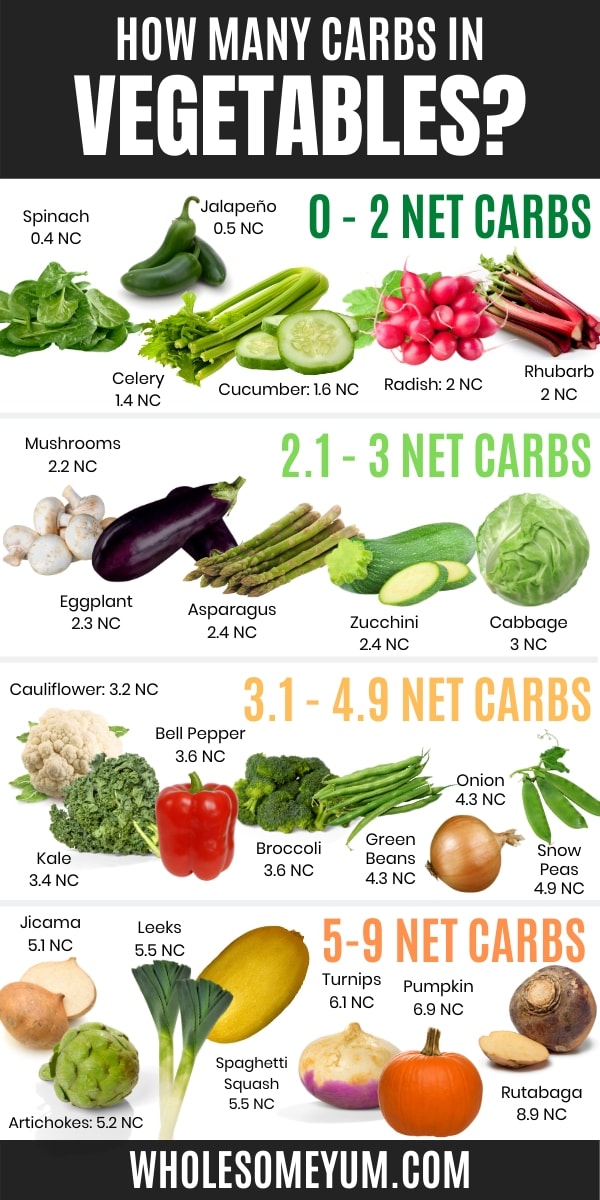
Credit: www.wholesomeyum.com
Vegetables To Limit On Low Carb Diets
Choosing the right vegetables is key for a low carb diet. Some vegetables contain more carbohydrates and can slow down your progress. Knowing which vegetables to limit helps keep carb intake low and steady. Focus on vegetables that support your goals and avoid those that add too many carbs.
Starchy Vegetables To Avoid
Starchy vegetables have high carbohydrate content. Potatoes, corn, and yams are examples to avoid. These veggies can quickly increase your daily carb count. They often cause blood sugar spikes and reduce fat burning. Sweet potatoes and parsnips also fall into this category. Keep these off your plate to maintain ketosis or low carb benefits.
Moderation Tips For Higher Carb Veggies
Some vegetables have moderate carbs but offer good nutrients. Peas, beets, and carrots belong here. Eat these in small portions rather than large servings. Measure your intake to stay within carb limits. Pairing them with low carb veggies balances your meals. Cooking methods like steaming or roasting help preserve nutrients without adding carbs.
Incorporating Low Carb Veggies
Incorporating low carb vegetables into your daily meals can boost nutrition without adding many carbs. These veggies provide fiber, vitamins, and minerals. They help keep you full and support weight management. Using them creatively makes your diet varied and enjoyable.
Meal Ideas And Recipes
Start your day with a spinach and mushroom omelet. For lunch, try a crisp cucumber and bell pepper salad with olive oil. Dinner can include roasted broccoli and zucchini with garlic and herbs. Soups made from cabbage or kale also work well. Stir-fries with green beans and eggplant offer tasty, low carb options.
Pairing With Proteins
Low carb vegetables pair well with chicken, beef, fish, or tofu. Grilled chicken served with steamed asparagus and a side of sautéed spinach is simple and healthy. Fish with roasted Brussels sprouts makes a balanced meal. Tofu stir-fried with cabbage and mushrooms adds flavor and nutrition. These combos keep meals filling and low in carbs.
Snack Options
Crunchy celery sticks with cream cheese make a quick snack. Sliced cucumbers or bell peppers dipped in hummus satisfy hunger between meals. Radishes with a pinch of salt offer a fresh, low carb bite. Small bowls of olives or cherry tomatoes can curb cravings. These snacks are easy to prepare and perfect for a low carb diet.
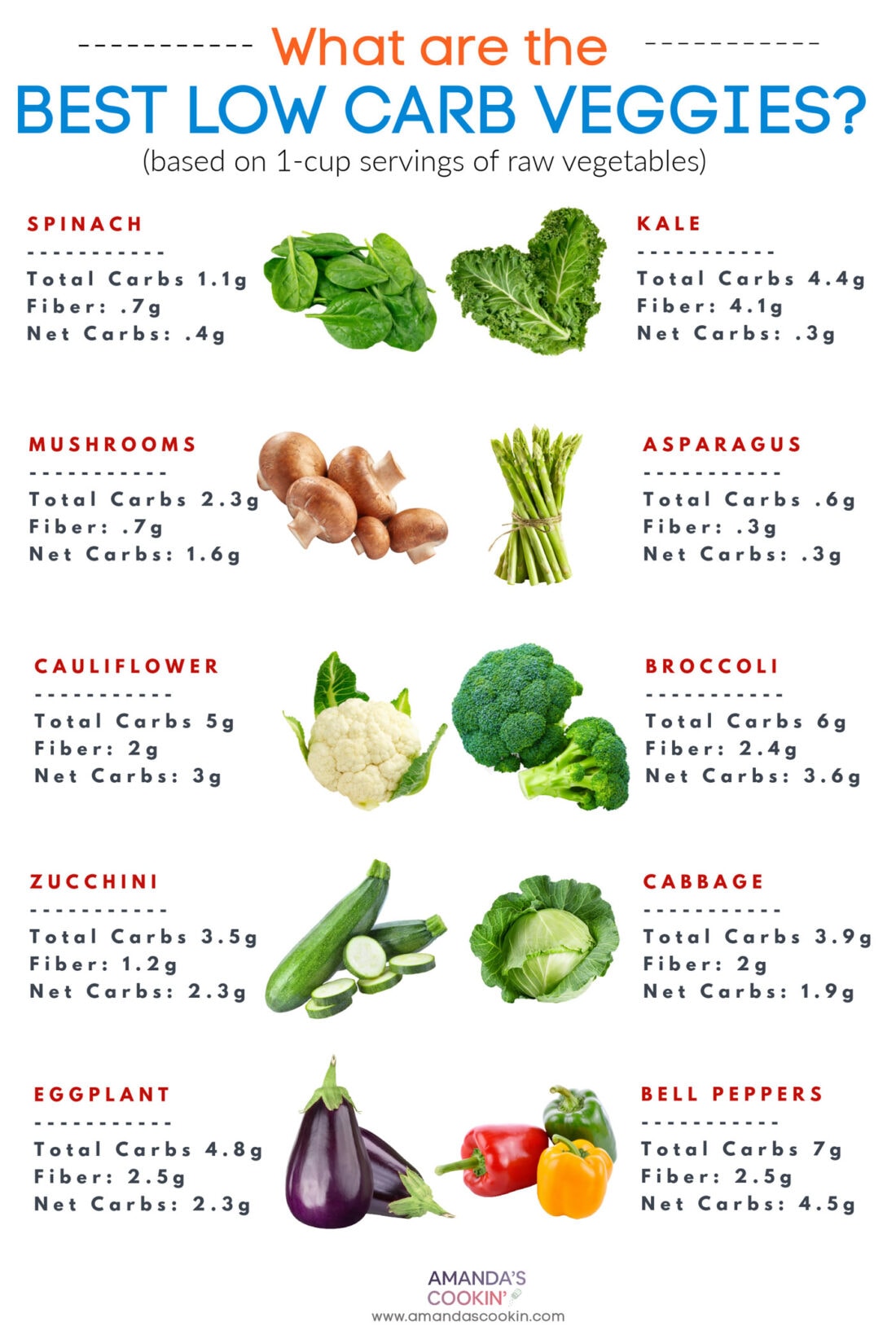
Credit: amandascookin.com
Conclusion
Choosing low carb vegetables can help you eat healthy every day. They add fiber, vitamins, and minerals to your meals. Vegetables like broccoli, spinach, and bell peppers keep carbs low but nutrition high. Avoid starchy vegetables like corn and peas for better results.
Remember to check nutrition labels for exact carb counts. Enjoy a variety of these vegetables to keep your diet balanced and tasty. Eating low carb does not mean boring food. Simple changes make a big difference for your health and energy.