

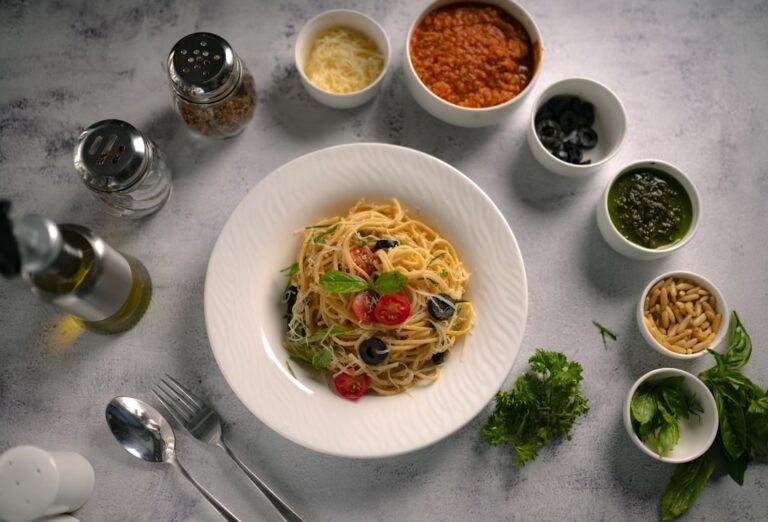
When you think of the Mediterranean diet, images of sun-drenched coastlines, vibrant markets, and the aroma of fresh ingredients likely come to mind. This diet, rooted in the culinary traditions of countries bordering the Mediterranean Sea, emphasizes whole foods, healthy fats, and a variety of flavors. Among the many delightful offerings of this diet, pasta dishes stand out as a beloved staple.
You may find that Mediterranean pasta dishes are not only delicious but also embody the essence of a balanced lifestyle. They are often simple yet packed with flavor, making them an ideal choice for anyone looking to embrace healthier eating habits. Pasta in the Mediterranean diet is not just about the noodles; it’s about the quality of ingredients and the way they come together to create a harmonious meal.
You can enjoy pasta dishes that are rich in vegetables, lean proteins, and healthy fats, all while savoring the unique tastes that define this vibrant cuisine. As you explore Mediterranean pasta dishes, you’ll discover how they can be both satisfying and nourishing, allowing you to indulge without compromising your health.
Key Takeaways
- The Mediterranean diet emphasizes whole grains, fruits, vegetables, and healthy fats, making it a popular and nutritious choice for pasta dishes.
- Benefits of the Mediterranean diet include improved heart health, weight management, and reduced risk of chronic diseases such as diabetes and cancer.
- Classic Mediterranean pasta dishes often feature fresh tomatoes, garlic, olives, and olive oil, creating a flavorful and healthy meal.
- Common ingredients in Mediterranean diet pasta dishes include whole wheat pasta, lean proteins such as chicken and fish, and plenty of colorful vegetables.
- Healthier pasta options for the Mediterranean diet include whole grain, chickpea, or lentil-based pasta, providing more fiber and protein than traditional white pasta.
Benefits of the Mediterranean Diet
The Mediterranean diet is celebrated for its numerous health benefits, which extend far beyond just weight management. One of the most significant advantages is its potential to reduce the risk of chronic diseases. By incorporating a variety of fruits, vegetables, whole grains, and healthy fats into your meals, you can support heart health and lower cholesterol levels.
The emphasis on plant-based foods means you’re also consuming a wealth of antioxidants and nutrients that can help combat inflammation and promote overall well-being. Another key benefit of the Mediterranean diet is its focus on mindful eating and social connections. Meals are often enjoyed with family and friends, fostering a sense of community and encouraging you to savor each bite.
This approach not only enhances your dining experience but also promotes healthier eating habits. By taking the time to enjoy your food and share it with others, you may find that you develop a more positive relationship with what you eat, leading to long-term lifestyle changes.
Classic Mediterranean Pasta Dishes
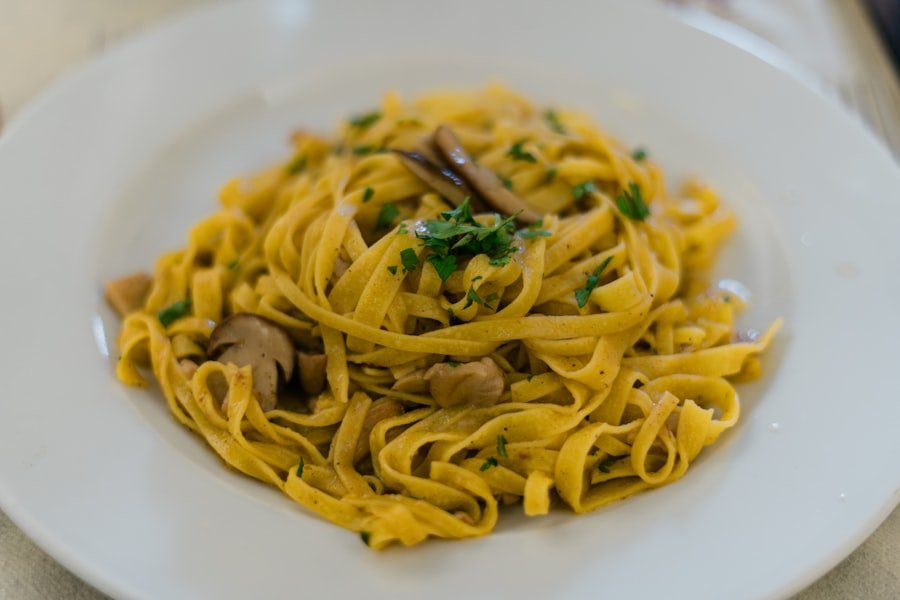
As you delve into the world of Mediterranean pasta dishes, you’ll encounter a variety of classic recipes that have stood the test of time. One such dish is Spaghetti Aglio e Olio, a simple yet flavorful combination of spaghetti tossed with garlic, olive oil, and red pepper flakes. This dish exemplifies the Mediterranean philosophy of using high-quality ingredients to create something extraordinary from minimal components.
You can easily prepare it in under 30 minutes, making it a perfect weeknight meal. Another iconic dish is Pasta Puttanesca, which features a robust sauce made from tomatoes, olives, capers, and anchovies. The bold flavors come together to create a satisfying meal that is both hearty and refreshing.
As you explore these classic dishes, you’ll appreciate how they reflect the diverse culinary influences found throughout the Mediterranean region. Each recipe tells a story and invites you to experience the rich cultural heritage that shapes these beloved meals.
Ingredients commonly used in Mediterranean Diet Pasta Dishes
| Ingredient | Health Benefits |
|---|---|
| Olive Oil | Rich in monounsaturated fats and antioxidants |
| Tomatoes | High in vitamins C and K, and lycopene |
| Garlic | Contains allicin, which has medicinal properties |
| Basil | Rich in vitamin K and antioxidants |
| Whole Wheat Pasta | High in fiber and nutrients |
The beauty of Mediterranean pasta dishes lies in their reliance on fresh, wholesome ingredients. You’ll often find staples such as tomatoes, garlic, onions, and bell peppers forming the base of many sauces. These ingredients not only provide essential nutrients but also contribute to the vibrant colors and flavors that characterize Mediterranean cuisine.
When preparing your pasta dishes, consider using seasonal produce to enhance freshness and taste. In addition to vegetables, you’ll frequently encounter legumes like chickpeas and lentils in Mediterranean pasta recipes. These ingredients add protein and fiber while keeping your meals satisfying and nutritious.
Olive oil is another cornerstone of this diet; it serves as both a cooking medium and a dressing that elevates the flavors of your dishes. By incorporating these key ingredients into your pasta meals, you can create delicious dishes that align with the principles of the Mediterranean diet.
Healthier Pasta Options for the Mediterranean Diet
As you embrace the Mediterranean diet, you might be looking for ways to make your pasta dishes even healthier. One option is to choose whole grain or legume-based pasta instead of traditional white pasta. Whole grain varieties offer more fiber and nutrients, while legume-based options provide additional protein and are often gluten-free.
These alternatives can enhance the nutritional profile of your meals without sacrificing taste or texture. Another approach is to increase the proportion of vegetables in your pasta dishes. By adding sautéed greens like spinach or kale or incorporating roasted vegetables such as zucchini or eggplant, you can boost the fiber content while adding vibrant colors and flavors.
You might also consider using spiralized vegetables as a base for your pasta dishes; zucchini noodles or spaghetti squash can serve as a light and refreshing alternative that aligns perfectly with Mediterranean principles.
Seafood Pasta Dishes in the Mediterranean Diet
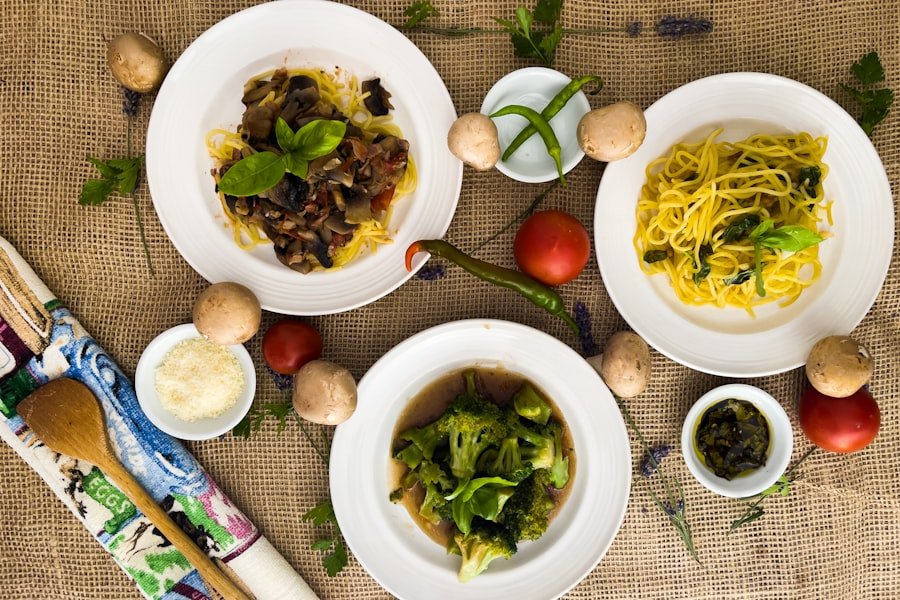
Seafood plays a prominent role in many Mediterranean diets, offering a wealth of flavors and health benefits. When it comes to pasta dishes, seafood can elevate your meal to new heights. One popular option is Linguine alle Vongole, which features linguine tossed with fresh clams, garlic, white wine, and parsley.
The briny flavor of the clams pairs beautifully with the pasta, creating a dish that is both elegant and satisfying. Another delightful seafood option is Shrimp Scampi with Pasta. This dish combines succulent shrimp sautéed in garlic butter with a splash of lemon juice over your choice of pasta.
The result is a light yet indulgent meal that showcases the freshness of seafood while adhering to Mediterranean dietary principles. As you explore seafood pasta dishes, you’ll discover how they can provide essential omega-3 fatty acids while adding depth and richness to your culinary repertoire.
Vegetarian and Vegan Mediterranean Diet Pasta Dishes
If you’re looking for vegetarian or vegan options within the Mediterranean diet framework, you’re in luck! The abundance of plant-based ingredients allows for endless creativity in pasta dishes. One classic vegetarian option is Pasta Primavera, which features an array of colorful vegetables sautéed in olive oil and tossed with pasta.
You can customize this dish based on seasonal produce or personal preferences, making it a versatile choice for any occasion. For those following a vegan lifestyle, consider preparing a hearty Lentil Bolognese sauce to serve over your favorite pasta. This rich sauce combines lentils with tomatoes, carrots, celery, and herbs for a satisfying meal that mimics traditional meat sauces without compromising flavor or texture.
By exploring these vegetarian and vegan options, you’ll find that Mediterranean pasta dishes can be both nourishing and delicious while aligning with your dietary choices.
Mediterranean Diet Pasta Dishes with Olive Oil
Olive oil is often referred to as liquid gold in Mediterranean cuisine for good reason; it’s not only delicious but also packed with health benefits. When preparing pasta dishes within this diet framework, using high-quality extra virgin olive oil can enhance flavors while providing heart-healthy fats. You might drizzle olive oil over cooked pasta before adding sauces or use it as a base for sautéing vegetables.
One delightful way to incorporate olive oil into your pasta dishes is by creating an olive oil-based sauce with garlic and fresh herbs. This simple yet flavorful combination can elevate even the most basic pasta dish into something extraordinary. As you experiment with different types of olive oil—ranging from fruity to peppery—you’ll discover how this ingredient can transform your meals while adhering to the principles of the Mediterranean diet.
Mediterranean Diet Pasta Dishes with Fresh Herbs
Fresh herbs are an essential component of Mediterranean cooking, adding brightness and depth to your pasta dishes. You may find yourself reaching for herbs like basil, parsley, oregano, or thyme as you prepare your meals. These herbs not only enhance flavor but also provide additional nutrients and antioxidants that contribute to overall health.
Consider making a simple pesto sauce using fresh basil, garlic, pine nuts, Parmesan cheese (or nutritional yeast for a vegan option), and olive oil blended together until smooth. Toss this vibrant sauce with your favorite pasta for a quick yet flavorful meal that embodies the essence of Mediterranean cuisine. By incorporating fresh herbs into your cooking routine, you’ll elevate your pasta dishes while enjoying their myriad health benefits.
Tips for Making Authentic Mediterranean Diet Pasta Dishes
Creating authentic Mediterranean pasta dishes requires attention to detail and an appreciation for quality ingredients. Start by selecting high-quality pasta made from durum wheat or whole grains; this will provide better texture and flavor compared to lower-quality options. Cooking your pasta al dente—firm to the bite—ensures it retains its structure when combined with sauces.
When preparing sauces, focus on using fresh ingredients whenever possible. Ripe tomatoes in summer or seasonal vegetables will yield better flavor than canned or out-of-season produce. Don’t hesitate to experiment with different combinations of herbs and spices; this will allow you to personalize your dishes while staying true to Mediterranean traditions.
Lastly, remember that simplicity is key—often, less is more when it comes to creating delicious meals that celebrate the essence of this vibrant cuisine.
Conclusion and Recipe Recommendations
In conclusion, embracing Mediterranean diet pasta dishes offers a delightful way to enjoy flavorful meals while prioritizing health and well-being. With their emphasis on fresh ingredients, healthy fats, and vibrant flavors, these dishes can easily become staples in your culinary repertoire. Whether you’re indulging in classic recipes or experimenting with vegetarian or seafood options, there’s something for everyone within this diverse cuisine.
As you embark on your journey through Mediterranean cooking, consider trying recipes like Spaghetti Aglio e Olio for a quick weeknight dinner or Linguine alle Vongole for a special occasion. Don’t forget about hearty vegetarian options like Pasta Primavera or Lentil Bolognese that showcase the versatility of plant-based ingredients. With each dish you prepare, you’ll not only nourish your body but also connect with the rich cultural heritage that defines Mediterranean cuisine.