

The Mediterranean diet is more than just a way of eating; it’s a lifestyle that emphasizes the importance of fresh, wholesome ingredients and a balanced approach to nutrition. Originating from the countries bordering the Mediterranean Sea, this diet is characterized by its rich flavors, vibrant colors, and a strong emphasis on plant-based foods. You may find that it encourages not only a healthier way of eating but also a more enjoyable and communal approach to meals.
By focusing on whole grains, healthy fats, lean proteins, and, most importantly, an abundance of vegetables, the Mediterranean diet has gained recognition for its numerous health benefits. As you delve into this dietary pattern, you will discover that it promotes not only physical health but also mental well-being. The Mediterranean lifestyle encourages you to savor your food, enjoy meals with family and friends, and engage in regular physical activity.
This holistic approach can lead to improved heart health, weight management, and a reduced risk of chronic diseases. By embracing the Mediterranean diet, you are not just adopting a new way of eating; you are committing to a healthier, more fulfilling lifestyle.
Key Takeaways
- The Mediterranean Diet emphasizes whole foods, including plenty of vegetables, and is associated with numerous health benefits.
- Vegetables are a crucial component of the Mediterranean Diet, providing essential nutrients, fiber, and antioxidants.
- Nutrient-rich vegetables such as leafy greens, tomatoes, bell peppers, and eggplants should be included in your Mediterranean Diet for optimal health.
- Cooking techniques like steaming, roasting, and sautéing help retain the nutrients in vegetables, making them more beneficial for your health.
- Incorporating a variety of seasonal vegetables into your meals not only adds diversity to your diet but also ensures you get a wide range of nutrients throughout the year.
The Importance of Vegetables in the Mediterranean Diet
Vegetables play a pivotal role in the Mediterranean diet, serving as the foundation for many meals. They are not merely side dishes; they are often the star of the plate. You will find that this diet encourages you to fill your plate with a colorful array of vegetables, which not only enhances the visual appeal of your meals but also maximizes their nutritional value.
The emphasis on vegetables means that you are consuming a wide variety of vitamins, minerals, and antioxidants that are essential for maintaining good health. Incorporating vegetables into your daily meals can help you achieve a balanced intake of nutrients while keeping your calorie count in check. The high fiber content found in vegetables aids digestion and promotes satiety, making it easier for you to maintain a healthy weight.
Additionally, the diverse range of flavors and textures that vegetables offer can elevate your culinary experience, making healthy eating enjoyable rather than restrictive. By prioritizing vegetables in your diet, you are setting the stage for a healthier lifestyle.
Nutrient-Rich Vegetables to Include in Your Diet
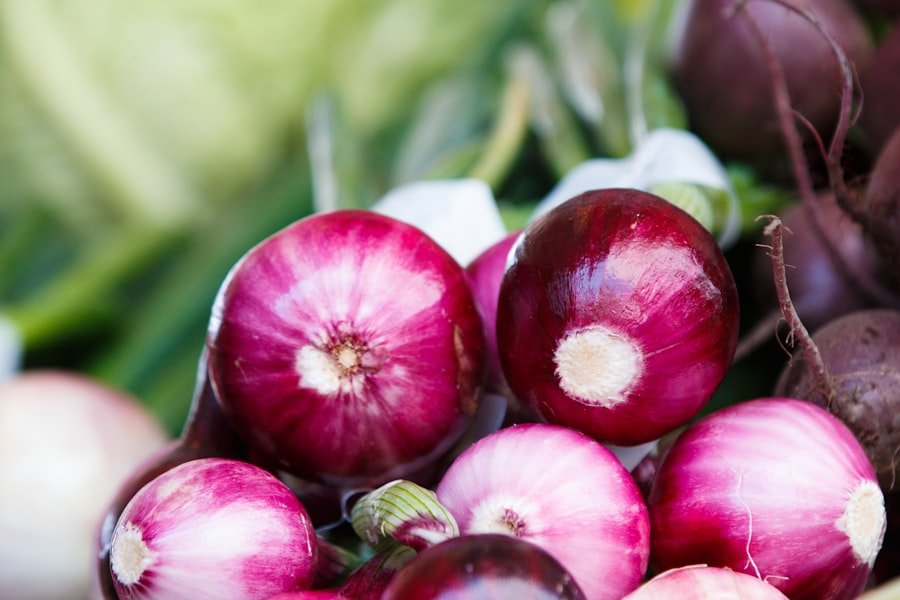
When it comes to selecting vegetables for your Mediterranean diet, variety is key. You should aim to include a wide range of nutrient-rich options that provide essential vitamins and minerals. Leafy greens such as spinach, kale, and Swiss chard are excellent choices, as they are packed with iron, calcium, and vitamins A and These greens can be easily incorporated into salads, smoothies, or sautéed as a side dish.
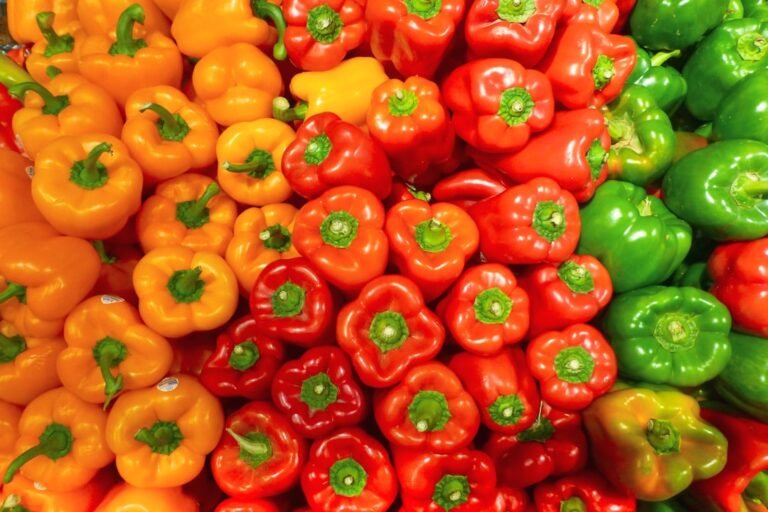
Other nutrient-dense vegetables to consider are bell peppers, tomatoes, zucchini, and eggplant. Bell peppers are rich in vitamin C and antioxidants, while tomatoes provide lycopene, which has been linked to heart health. Zucchini and eggplant are versatile vegetables that can be grilled, roasted, or used in stews.
By including these nutrient-rich options in your meals, you will not only enhance the flavor but also boost the overall health benefits of your diet.
Cooking Techniques to Retain Nutrients in Vegetables
| Vegetable | Cooking Technique | Nutrient Retention |
|---|---|---|
| Broccoli | Steaming | Retains most nutrients |
| Spinach | Sauteing | Retains some nutrients |
| Carrots | Boiling | Retains moderate nutrients |
| Bell Peppers | Grilling | Retains high nutrients |
How you prepare your vegetables can significantly impact their nutritional value. To maximize the benefits of the vegetables you include in your Mediterranean diet, consider using cooking techniques that preserve their nutrients. Steaming is one of the best methods for retaining vitamins and minerals while ensuring that your vegetables remain tender yet crisp.
This technique allows you to cook vegetables quickly without submerging them in water, which can lead to nutrient loss. Another effective method is roasting. When you roast vegetables at high temperatures, they caramelize and develop rich flavors while retaining their nutrients.
Tossing them with a drizzle of olive oil and herbs before roasting can enhance their taste even further. Additionally, incorporating raw vegetables into your meals through salads or crudités can provide maximum nutrient retention while adding crunch and freshness to your dishes. By being mindful of your cooking techniques, you can ensure that you are getting the most out of your vegetable intake.
Incorporating a Variety of Vegetables in Your Meals
To truly embrace the Mediterranean diet, it’s essential to incorporate a diverse range of vegetables into your meals. This not only keeps your meals interesting but also ensures that you are receiving a broad spectrum of nutrients. You might consider creating colorful salads that feature a mix of leafy greens, cherry tomatoes, cucumbers, and radishes for a refreshing side dish or main course.
Experimenting with different combinations can lead to delightful discoveries. Another way to include variety is by preparing vegetable-based dishes such as ratatouille or stuffed peppers. These dishes allow you to showcase seasonal produce while providing a hearty meal option.
You can also explore international recipes that highlight vegetables in unique ways—think Mediterranean-inspired pasta dishes with roasted vegetables or grain bowls topped with sautéed greens and chickpeas. By being creative with your vegetable choices and preparations, you will find that eating healthy can be both satisfying and enjoyable.
Benefits of Eating Seasonal Vegetables
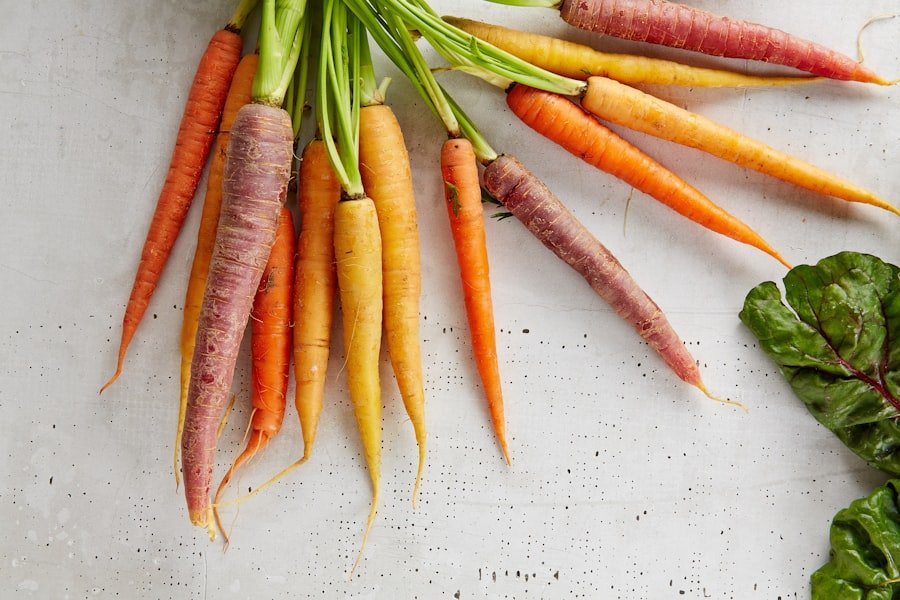
Eating seasonal vegetables is an integral part of the Mediterranean diet that offers numerous benefits. When you choose vegetables that are in season, you are likely to enjoy them at their peak flavor and nutritional value. Seasonal produce is often harvested at its ripest stage, which means it contains higher levels of vitamins and minerals compared to out-of-season options that may have been picked prematurely.
Moreover, consuming seasonal vegetables supports local farmers and reduces your carbon footprint by minimizing transportation emissions associated with importing out-of-season produce. You may find that shopping at local farmers’ markets or joining a community-supported agriculture (CSA) program allows you to access fresh seasonal vegetables while fostering a connection with your local food system. Embracing seasonal eating not only enhances your culinary experience but also contributes positively to your community and the environment.
How to Source Fresh and Local Vegetables
Finding fresh and local vegetables is essential for fully embracing the Mediterranean diet. You might start by exploring farmers’ markets in your area where local growers sell their produce directly to consumers. These markets often feature a wide variety of seasonal vegetables that are harvested within days of being sold, ensuring maximum freshness and flavor.
Additionally, consider joining a community-supported agriculture (CSA) program where you can receive regular deliveries of fresh produce from local farms. This not only supports local agriculture but also encourages you to try new vegetables that you may not typically purchase at the grocery store. If you’re unable to access farmers’ markets or CSAs, look for grocery stores that prioritize sourcing local produce.
By making an effort to source fresh and local vegetables, you will enhance the quality of your meals while supporting sustainable practices.
Tips for Meal Planning with Mediterranean Diet Veggies
Meal planning is an effective strategy for incorporating more vegetables into your Mediterranean diet while saving time during busy weeks. Start by setting aside some time each week to plan your meals around seasonal vegetables available in your area. Create a shopping list based on your meal plan to ensure you have all the necessary ingredients on hand.
When planning your meals, consider batch cooking certain vegetable-based dishes that can be enjoyed throughout the week. For example, preparing a large pot of vegetable soup or a grain salad loaded with roasted veggies can provide quick lunch options or side dishes for dinner. Additionally, don’t hesitate to repurpose leftovers; roasted vegetables from one meal can easily be added to omelets or grain bowls later in the week.
By being organized and intentional about your meal planning, you will find it easier to incorporate more vegetables into your daily routine.
Creating Flavorful and Satisfying Vegetable-Based Dishes
One common misconception about eating more vegetables is that they must be bland or unexciting. However, when prepared thoughtfully, vegetable-based dishes can be incredibly flavorful and satisfying. You might experiment with various herbs and spices commonly used in Mediterranean cuisine—such as oregano, basil, garlic, and lemon—to elevate the taste of your vegetable dishes.
Consider creating hearty vegetable stews or ratatouille that combine multiple types of vegetables simmered together with aromatic spices for a comforting meal. Grilling or roasting vegetables can also bring out their natural sweetness while adding depth of flavor. Don’t shy away from incorporating legumes like chickpeas or lentils into your vegetable dishes; they add protein and texture while making meals more filling.
With creativity and experimentation in the kitchen, you can transform simple vegetables into delicious culinary masterpieces.
Pairing Vegetables with Other Mediterranean Diet Foods for Maximum Health Benefits
To maximize the health benefits of your meals within the Mediterranean diet framework, consider how you pair your vegetables with other food groups. For instance, combining leafy greens with healthy fats like olive oil or avocado enhances nutrient absorption—particularly fat-soluble vitamins such as A, D, E, and K found in many vegetables. Additionally, pairing vegetables with whole grains like quinoa or brown rice provides a balanced meal rich in fiber and protein.
You might also explore adding lean proteins such as grilled chicken or fish alongside roasted vegetables for a well-rounded dish that satisfies both hunger and nutritional needs. By thoughtfully pairing your vegetables with other components of the Mediterranean diet, you will create meals that are not only delicious but also nutritionally complete.
Embracing the Mediterranean Diet Lifestyle for Long-Term Health
Embracing the Mediterranean diet is about more than just changing what’s on your plate; it’s about adopting a holistic lifestyle that prioritizes health and well-being through mindful eating practices. By focusing on fresh vegetables as a cornerstone of this dietary pattern, you are setting yourself up for long-term health benefits that extend beyond mere weight management. As you incorporate more seasonal produce into your meals and experiment with diverse cooking techniques and flavor combinations, you will likely find joy in the process of preparing and enjoying food.
The Mediterranean diet encourages connection—whether it’s sharing meals with loved ones or supporting local farmers—and fosters an appreciation for the simple pleasures in life. By committing to this lifestyle change, you are investing in your health today while paving the way for a vibrant future filled with delicious food experiences.