

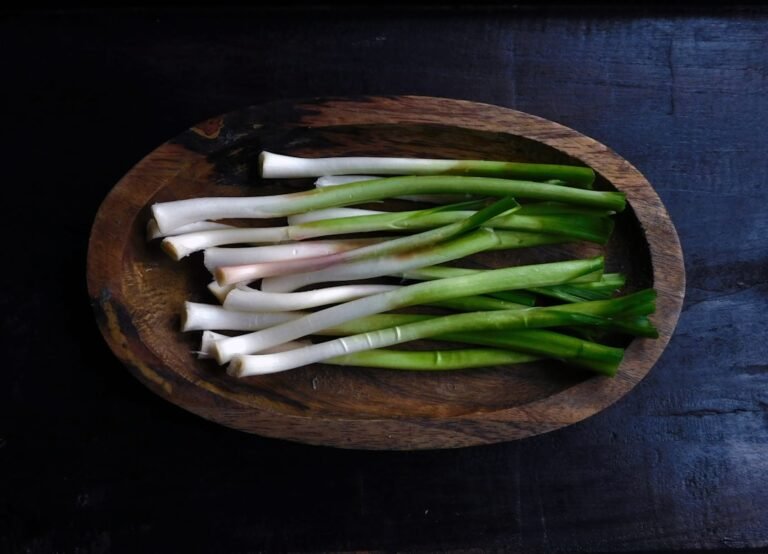
The Mediterranean diet is more than just a way of eating; it’s a lifestyle that has been celebrated for centuries. Originating from the countries bordering the Mediterranean Sea, this diet emphasizes fresh, wholesome ingredients and a balanced approach to nutrition. You may find that it encourages not only a focus on food but also on the social aspects of dining, promoting shared meals and a slower pace of life.
This diet is rooted in the traditional eating habits of countries like Italy, Greece, and Spain, where people have long enjoyed a variety of foods that are both delicious and nutritious. As you explore the Mediterranean diet, you will discover that it is characterized by an abundance of fruits, vegetables, whole grains, legumes, nuts, and healthy fats, particularly olive oil. This way of eating is not just about what you eat but also how you eat.
It encourages mindfulness and appreciation for food, fostering a deeper connection to what nourishes your body. By adopting this diet, you may find yourself not only improving your health but also enhancing your overall quality of life.
Key Takeaways
- The Mediterranean Diet is a way of eating based on the traditional foods and drinks of the countries surrounding the Mediterranean Sea.
- Key components of the Mediterranean Diet include plenty of fruits, vegetables, whole grains, and healthy fats, along with moderate amounts of fish and seafood, and limited red meat consumption.
- Benefits of the Mediterranean Diet include reduced risk of heart disease, lower levels of inflammation, improved weight management, and better brain health.
- Tips for incorporating more fruits and vegetables into the Mediterranean Diet include adding them to every meal, snacking on them, and experimenting with different cooking methods.
- Tips for including whole grains in the Mediterranean Diet include choosing whole grain breads and pastas, trying new whole grains like quinoa and farro, and using whole grain flours in baking.
Key Components of the Mediterranean Diet
At the heart of the Mediterranean diet lies a diverse array of food groups that work together to create a balanced and satisfying way of eating. You will notice that fruits and vegetables take center stage, providing essential vitamins, minerals, and antioxidants. These colorful foods are not only visually appealing but also contribute to your overall well-being.
Incorporating a variety of produce into your meals can help ensure that you receive a wide range of nutrients. Whole grains are another cornerstone of this diet. Foods like whole grain bread, brown rice, and quinoa are rich in fiber and can help keep you feeling full longer.
You may find that these grains provide sustained energy throughout the day, making them an excellent choice for anyone looking to maintain a healthy lifestyle. Additionally, legumes such as beans and lentils are packed with protein and fiber, making them a fantastic alternative to meat in many dishes.
Benefits of the Mediterranean Diet
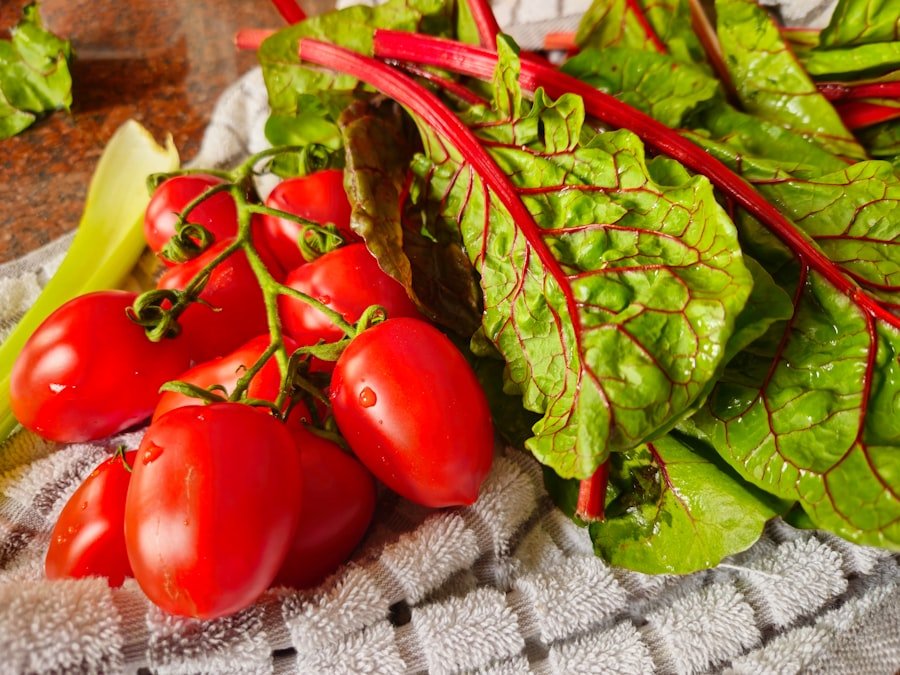
The benefits of the Mediterranean diet extend far beyond just weight management; research has shown that it can significantly reduce the risk of chronic diseases. By embracing this way of eating, you may lower your chances of developing heart disease, diabetes, and certain types of cancer. The emphasis on healthy fats, particularly from sources like olive oil and nuts, can help improve cholesterol levels and promote heart health.
Moreover, the Mediterranean diet is associated with improved cognitive function and a lower risk of neurodegenerative diseases such as Alzheimer’s. The abundance of antioxidants found in fruits and vegetables plays a crucial role in protecting your brain from oxidative stress. As you adopt this diet, you may notice not only physical improvements but also enhanced mental clarity and focus.
Tips for Incorporating More Fruits and Vegetables
| Tip | Benefits |
|---|---|
| Include a variety of colors | Provides a range of nutrients and antioxidants |
| Try new recipes | Keeps meals interesting and diverse |
| Keep fruits and vegetables visible | Encourages snacking on healthy options |
| Plan meals in advance | Ensures fruits and vegetables are included in daily diet |
To fully embrace the Mediterranean diet, it’s essential to increase your intake of fruits and vegetables. One effective strategy is to make these foods the star of your meals rather than just side dishes. You might consider starting your day with a smoothie packed with spinach, berries, and banana or adding a colorful salad topped with nuts and seeds to your lunch routine.
By making fruits and vegetables the focal point of your meals, you can easily increase your consumption. Another helpful tip is to keep fresh produce visible and accessible in your kitchen. When you have fruits and vegetables readily available, you are more likely to reach for them as snacks or incorporate them into your meals.
Experimenting with different cooking methods can also make these foods more appealing; try roasting vegetables to bring out their natural sweetness or grilling fruits for a delicious dessert option.
Tips for Including Whole Grains
Incorporating whole grains into your diet can be both simple and enjoyable. Start by swapping out refined grains for whole grain alternatives in your favorite recipes. For instance, you might replace white rice with quinoa or use whole grain pasta instead of regular pasta.
These small changes can make a significant difference in your overall nutrient intake. You can also explore new whole grain options that you may not have tried before. Grains like farro, barley, and bulgur are not only nutritious but also add unique flavors and textures to your meals.
Consider using these grains as a base for salads or grain bowls, topped with plenty of vegetables and a drizzle of olive oil for a satisfying dish.
Tips for Choosing Healthy Fats
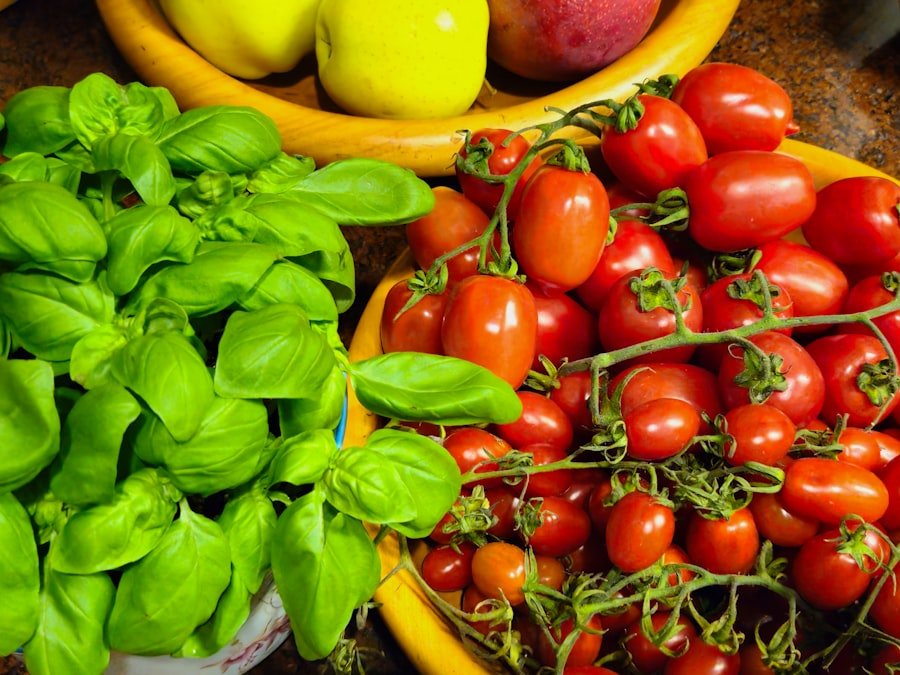
Healthy fats are an integral part of the Mediterranean diet, and learning how to choose the right ones can enhance both flavor and nutrition in your meals. Olive oil is the primary source of fat in this diet; it’s rich in monounsaturated fats that can help reduce inflammation and improve heart health. When cooking or dressing salads, opt for extra virgin olive oil for its superior flavor and health benefits.
In addition to olive oil, consider incorporating other sources of healthy fats into your diet. Avocados, nuts, and seeds are excellent choices that provide essential fatty acids along with fiber and protein. You might enjoy adding sliced avocado to your toast or snacking on a handful of almonds throughout the day.
By focusing on these healthy fats, you can create satisfying meals that support your overall health.
Tips for Adding More Fish and Seafood
Fish and seafood are key components of the Mediterranean diet, offering high-quality protein along with omega-3 fatty acids that are beneficial for heart health. To increase your intake of these nutritious foods, aim to include fish in your meals at least twice a week. You might start by trying different types of fish such as salmon, sardines, or mackerel, each offering unique flavors and health benefits.
When preparing fish or seafood, consider grilling or baking rather than frying to keep meals light and healthy. You could also experiment with various herbs and spices to enhance the flavor without adding extra calories. For example, marinating fish in lemon juice and herbs before grilling can create a delicious dish that aligns perfectly with Mediterranean principles.
Tips for Reducing Red Meat Consumption
While red meat can be part of a balanced diet in moderation, the Mediterranean diet encourages limiting its consumption in favor of leaner protein sources like fish and legumes. To reduce your red meat intake, consider designating specific days for meatless meals or opting for plant-based proteins instead. You might find that dishes featuring lentils or chickpeas can be just as satisfying as traditional meat-based meals.
When you do choose to include red meat in your diet, focus on quality over quantity. Select lean cuts and practice portion control by keeping servings small while filling your plate with plenty of vegetables and whole grains. This approach allows you to enjoy red meat occasionally while still adhering to the principles of the Mediterranean diet.
Tips for Using Herbs and Spices
Herbs and spices play a vital role in the Mediterranean diet by adding flavor without relying on excessive salt or unhealthy additives. You can enhance your meals by experimenting with fresh herbs like basil, parsley, oregano, and rosemary. These ingredients not only elevate the taste but also provide additional health benefits due to their antioxidant properties.
To incorporate more herbs and spices into your cooking, consider creating homemade dressings or marinades using olive oil combined with various herbs. You might also try seasoning roasted vegetables or grilled fish with a blend of spices to create depth in flavor. By embracing these natural flavor enhancers, you can make every meal more enjoyable while staying true to the Mediterranean way.
Tips for Enjoying Regular Physical Activity
Physical activity is an essential component of the Mediterranean lifestyle that complements the dietary aspects beautifully. Engaging in regular exercise not only supports physical health but also enhances mental well-being. You might find joy in activities such as walking, cycling, or dancing—common pastimes in Mediterranean cultures that promote social interaction as well.
To make physical activity a regular part of your routine, consider setting achievable goals that fit into your lifestyle. Whether it’s taking a daily walk after dinner or joining a local sports team, finding activities you enjoy will make it easier to stay active consistently. Remember that movement doesn’t have to be intense; even gentle activities like yoga or stretching can contribute positively to your overall health.
Embracing the Mediterranean Diet for a Healthier Lifestyle
Embracing the Mediterranean diet offers you an opportunity to transform not just your eating habits but also your overall lifestyle. By focusing on fresh ingredients, healthy fats, and regular physical activity, you can cultivate a nourishing environment for both body and mind. This way of life encourages mindfulness around food choices while fostering connections with others through shared meals.
As you embark on this journey toward adopting the Mediterranean diet, remember that it’s about balance rather than perfection. Allow yourself to enjoy the process of discovering new flavors and recipes while prioritizing healthful choices. By making small changes over time, you can create lasting habits that lead to improved well-being and a more vibrant life overall.