

What does obesity really mean for you and your health? It’s more than just a number on the scale or a clothing size.
Obesity is a condition where your body stores too much fat, which can silently affect your well-being in many ways. Understanding what obesity means can help you recognize the risks, the causes, and what you can do to take control of your health.
If you’ve ever wondered why obesity happens or how it might impact your life, keep reading—this article breaks it down in simple terms and gives you the clear facts you need to know.
Defining Obesity
Understanding obesity begins with a clear definition. It is more than just carrying extra weight. Obesity involves an excess amount of body fat that may harm health. Defining obesity helps identify who is at risk and guides treatment options. Various methods exist to measure and define obesity. Each method has its strengths and weaknesses.
Body Mass Index
Body Mass Index, or BMI, is the most common way to define obesity. It calculates weight in kilograms divided by height in meters squared (kg/m2). A BMI of 30 or higher usually indicates obesity. This measure is easy to use and widely accepted in healthcare. It helps screen large groups quickly. BMI gives a general idea of weight status.
Excess Body Fat
Obesity means having too much fat stored in the body. Excess fat affects how the body works and can cause health problems. Measuring body fat directly is more accurate than BMI. Methods like skinfold tests and body scans estimate fat percentage. High body fat increases risks for heart disease, diabetes, and other illnesses. Fat distribution also matters, as belly fat is more harmful.
Limitations Of Bmi
BMI does not measure body fat directly. It cannot tell muscle from fat. Athletes with high muscle mass may have a high BMI but low body fat. BMI also does not consider age, sex, or ethnicity differences. It may misclassify older adults or certain ethnic groups. For a full picture, doctors use BMI along with other assessments. Understanding these limits helps avoid wrong assumptions about health.
Credit: medlineplus.gov
Causes Of Obesity
Obesity develops from many different causes. These causes often work together. Understanding them helps to see why obesity happens and how to address it. Some causes are inside the body, while others come from outside.
Genetic Factors
Genes can influence body weight and fat storage. Some people inherit a tendency to gain weight easily. Genetics affect metabolism and how the body uses energy. This can make weight control harder for some.
Diet And Nutrition
Eating too many high-calorie foods leads to weight gain. Foods high in sugar and fat add extra calories. A poor diet with few fruits and vegetables can cause obesity. Portion sizes also matter for how much energy is eaten.
Physical Activity Levels
Low physical activity causes the body to burn fewer calories. Sitting or lying down for long times reduces energy use. Exercise helps balance calorie intake and output. Less activity can lead to fat buildup and weight gain.
Hormonal And Psychological Influences
Hormones control hunger and fat storage in the body. Imbalances can increase appetite or slow metabolism. Stress, anxiety, and depression may lead to overeating. Emotional eating often causes extra calorie intake.
Cultural And Environmental Factors
Culture shapes eating habits and food choices. Some environments make unhealthy food easy to get. Lack of safe places to exercise limits physical activity. Marketing and social norms also affect lifestyle choices.
Medications And Sleep Patterns
Certain medicines can cause weight gain as a side effect. Some drugs affect appetite or how the body stores fat. Poor sleep can disrupt hormones related to hunger. Not sleeping enough often leads to eating more.
Health Risks Linked To Obesity
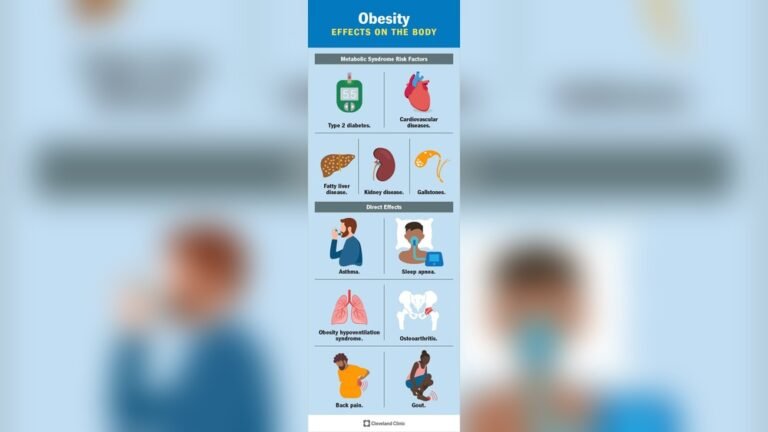
Obesity poses serious threats to overall health. It affects many body systems and raises the chance of several diseases. Understanding these risks can motivate healthier choices. Awareness helps in managing or preventing complications linked to obesity.
Cardiovascular Diseases
Obesity significantly raises the risk of heart disease. Excess fat strains the heart and blood vessels. This can cause high blood pressure and abnormal cholesterol levels. These factors increase the chance of heart attacks and strokes. Maintaining a healthy weight helps protect the heart.
Diabetes And Metabolic Disorders
Obesity is a leading cause of type 2 diabetes. Extra body fat affects how the body uses insulin. This leads to insulin resistance and high blood sugar levels. Metabolic disorders like high cholesterol and fatty liver disease also become more common. Weight control improves insulin sensitivity and lowers risks.
Cancer Risks
Excess body fat is linked to several cancers. These include breast, colon, and kidney cancers. Fat tissue produces hormones that may promote cancer growth. Inflammation caused by obesity also plays a role. Losing weight reduces the chance of developing these cancers.
Joint And Mobility Issues
Carrying extra weight stresses joints, especially knees and hips. This leads to pain and arthritis over time. Obesity reduces mobility and limits daily activities. Maintaining a healthy weight eases joint pressure and improves movement. Physical activity supports joint health and function.
Obesity Versus Overweight
Understanding the difference between obesity and overweight is important for health awareness. Both terms relate to excess body weight, but they have distinct meanings. Overweight means having more body weight than is healthy for a given height. Obesity means carrying an unhealthy amount of excess fat. This distinction helps guide health care decisions and personal lifestyle changes.
Classification By Health Organizations
Health organizations use the Body Mass Index (BMI) to classify overweight and obesity. BMI is a number calculated from height and weight. A BMI between 25 and 29.9 indicates overweight. A BMI of 30 or higher defines obesity. These categories help doctors assess health risks and provide treatment advice. Different organizations may have slight variations in their BMI cutoffs. Still, the general framework remains consistent worldwide.
Impact Differences
Overweight and obesity affect health in different ways. Overweight may increase the risk of developing health problems. Obesity usually causes a higher risk of serious diseases like diabetes and heart disease. The extra fat in obesity can strain the body’s organs. It can lead to chronic inflammation and metabolic issues. Understanding these impact differences helps prioritize early intervention and care.
Preventing And Managing Obesity
Preventing and managing obesity requires a clear plan focusing on daily habits. Small changes in diet, exercise, and lifestyle can make a big difference. Understanding key areas helps control weight and improve overall health.
Balanced Diet Choices
Eating a variety of fruits and vegetables adds vitamins and fiber. Choose whole grains over refined ones to keep energy steady. Limit sugary drinks and high-fat foods that add empty calories. Portion control plays a major role in preventing weight gain. Drinking water instead of soda helps reduce calorie intake.
Increasing Physical Activity
Regular exercise boosts metabolism and burns calories. Aim for at least 30 minutes of moderate activity most days. Walking, cycling, or swimming are easy ways to stay active. Physical activity also improves mood and heart health. Sitting less during the day helps maintain a healthy weight.
Addressing Sleep And Medication Effects
Poor sleep can disrupt hormones that control hunger and fullness. Aim for 7 to 9 hours of quality sleep each night. Some medications may cause weight gain as a side effect. Talk with a healthcare provider about alternatives if weight increases. Managing sleep and medication can support weight control efforts.
Role Of Genetics In Treatment
Genes influence how the body stores fat and uses energy. Some people have a higher risk of obesity due to family history. Genetic factors may affect hunger and how the body responds to food. Treatment plans may need to be personalized based on genetics. Understanding genetics helps create realistic and effective strategies.

Credit: en.wikipedia.org

Credit: mexicobariatriccenter.com
Conclusion
Obesity means having too much body fat that harms health. It results from many causes like diet, activity, and genes. This condition raises risks for heart disease, diabetes, and more. Understanding obesity helps in making better health choices daily. Small changes in eating and moving more can improve wellbeing.
Staying informed supports healthier lives for everyone.