

Have you ever wondered why the obesity rate in America keeps climbing year after year? This isn’t just a number—it affects your health, your family, and your community.
Understanding where obesity stands today, especially in places like Austin, Texas, can help you see the bigger picture and what it means for your daily life. From the states struggling the most to the surprising factors behind these trends, this article will give you clear, easy-to-understand insights.
Keep reading to discover how this growing issue might be closer to you than you think—and what steps you can take to protect your health and well-being.
Current Obesity Rates
The obesity rate in America remains a critical health concern. It affects millions of adults across the nation. Tracking current obesity rates helps identify trends and target areas for improvement.
Understanding obesity rates at national, state, and city levels reveals where interventions are most needed. The data highlights differences and similarities across regions. This section breaks down the current obesity statistics in detail.
National Statistics
Over 40% of American adults are classified as obese. This rate has steadily increased over the past decades. Obesity contributes to many chronic diseases, including diabetes and heart conditions. The Centers for Disease Control and Prevention (CDC) tracks these numbers closely. It shows that obesity is a nationwide challenge affecting all age groups.
State-by-state Breakdown
Obesity rates vary widely between states. West Virginia consistently has the highest adult obesity rate. Mississippi and Louisiana also rank near the top. Arkansas and Alabama frequently appear in the top five states with the highest obesity. Some states have rates below 25%, showing a clear regional divide. Southern states tend to have higher obesity rates than northern states.
City-level Hotspots
Certain cities show particularly high obesity rates. McAllen, Texas, ranks as one of the cities with the highest obesity prevalence. Factors include limited access to healthy food and fewer opportunities for physical activity. Urban areas with lower income often face more obesity challenges. Identifying city hotspots helps focus local health programs and resources.
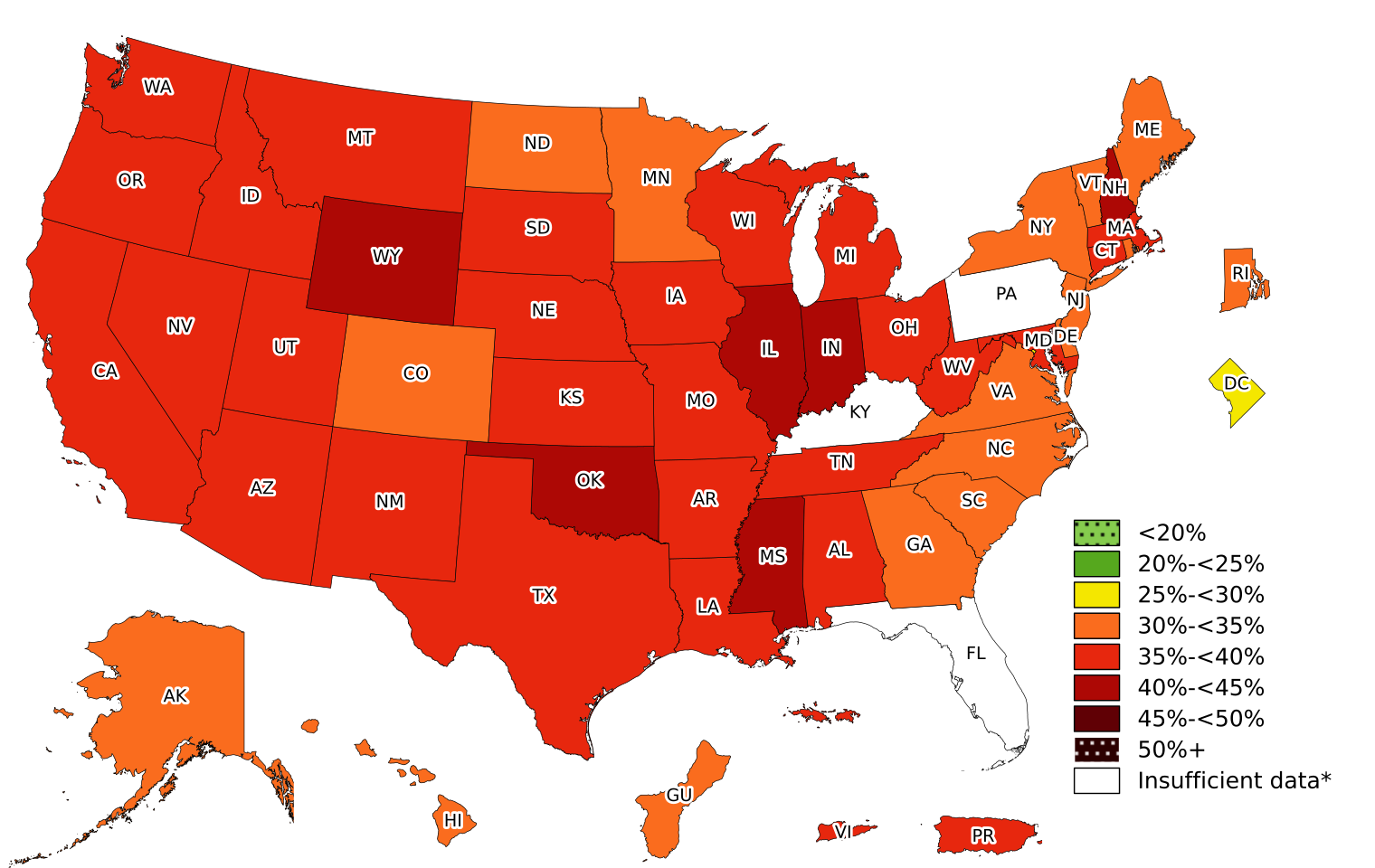
Credit: www.cdc.gov
Regional Patterns
Obesity rates in America vary widely by region. Different areas show distinct patterns influenced by lifestyle, economy, and culture. Understanding these regional trends helps to identify where health challenges are greatest. It also guides efforts to reduce obesity and improve public health across the country.
Southern States Trends
The Southern states have the highest obesity rates in the U.S. West Virginia, Mississippi, and Louisiana often top the list. Many Southern states face economic challenges that limit access to healthy food. Physical inactivity is also more common in this region. These factors contribute to the growing obesity problem in the South.
Midwest Obesity Levels
The Midwest shows moderate to high obesity rates. States like Indiana, Ohio, and Missouri rank above the national average. The region’s cold winters can reduce outdoor activity. Diets rich in processed and high-calorie foods add to the problem. These trends create a persistent health risk in the Midwest.
Urban Vs Rural Differences
Obesity rates differ between urban and rural areas. Rural regions usually have higher obesity levels. Limited access to gyms, parks, and fresh food affects rural residents. Urban areas often offer more opportunities for physical activity. They also provide better access to healthier food options. These differences shape the obesity landscape across America.
Demographic Factors
Demographic factors play a crucial role in shaping the obesity rate in America. These factors include gender, race, ethnicity, and age. Each group shows different trends and risks related to obesity. Understanding these differences helps target public health efforts effectively.
Gender Differences
Men and women show distinct obesity patterns in the U.S. Women generally have higher obesity rates than men. Hormonal changes, pregnancy, and lifestyle choices contribute to this difference. Men often have more muscle mass, which affects body weight measurements. Social and economic factors also influence these gender disparities.
Racial And Ethnic Variations
Obesity rates vary widely among racial and ethnic groups. Non-Hispanic Black adults have the highest obesity rates. Hispanic adults follow closely behind. Non-Hispanic White and Asian adults tend to have lower obesity rates. Cultural food habits, access to healthcare, and economic status affect these variations.
Age Group Impact
Obesity affects all age groups but increases with age. Adults aged 40 to 59 have higher obesity rates than younger adults. Older adults face risks from reduced metabolism and activity levels. Childhood obesity is rising, raising concerns for future health problems. Early intervention is key to reducing obesity across all ages.

Credit: www.statista.com
Causes Behind The Rise
The obesity rate in America has surged over recent decades. Understanding the causes helps address this serious health issue. Multiple factors contribute to this rise. These factors affect many people across all ages and communities.
Changes in diet, activity levels, and daily habits play major roles. These causes often overlap and reinforce each other. Each one adds pressure on the body, leading to weight gain. Let’s explore the main causes behind the rise in obesity.
Diet And Portion Sizes
Diets high in calories and low in nutrients are common. Fast food, sugary drinks, and processed snacks dominate many meals. Portion sizes have grown much larger than before. People often eat more than their bodies need. This excess calorie intake leads to weight gain over time.
Many foods contain hidden sugars and fats. These ingredients increase hunger and reduce energy. People may eat out of habit, not hunger. This poor diet pattern is a key driver of obesity.
Physical Inactivity
Physical activity has declined in daily life. Many jobs require sitting for long hours. Fewer people exercise regularly or engage in sports. Without enough movement, the body burns fewer calories. This imbalance causes weight to build up.
Exercise helps maintain healthy body weight and metabolism. Lack of physical activity weakens muscles and slows fat burning. It also affects mood and energy, making activity harder. Physical inactivity is a major factor in rising obesity rates.
Sedentary Lifestyle
Modern life encourages sitting and screen time. People spend hours watching TV, using computers, or on phones. This sedentary behavior burns very few calories. It often replaces time that could be spent moving or exercising.
Sitting for long periods affects metabolism and fat storage. It also increases risks for other health problems linked to obesity. Sedentary lifestyles are common in many homes and workplaces. This pattern makes obesity more likely and harder to reverse.
Health Consequences
The high obesity rate in America brings serious health consequences. Many people face increased risks of diseases and health problems. These issues affect not only individuals but also the healthcare system and economy.
Heart Disease And Diabetes
Obesity greatly raises the chance of heart disease. Extra weight forces the heart to work harder. This can lead to high blood pressure and clogged arteries. Diabetes is also common among people with obesity. Excess fat causes the body to resist insulin, raising blood sugar levels. Both heart disease and diabetes can reduce life quality and lead to early death.
Mental Health Effects
Obesity impacts mental health in many ways. People with obesity often face low self-esteem and depression. Social stigma and discrimination increase stress and anxiety. These mental challenges can make it harder to adopt healthy habits. Mental health support is crucial in obesity care.
Economic Burden
The cost of obesity is very high for the economy. Medical expenses for obesity-related illnesses drain healthcare resources. Lost workdays and lower productivity affect businesses. Families also bear financial stress due to medical bills. Tackling obesity can reduce these economic pressures.
Successful Interventions
Efforts to reduce obesity rates in America show promising results. Successful interventions target multiple areas of daily life. They involve communities, governments, schools, and workplaces. These strategies help people adopt healthier habits. They also create environments that support weight management. Below are some key types of interventions that have made a difference.
Community Programs
Community programs bring people together for healthy living. They often include fitness classes, nutrition workshops, and support groups. Local parks and recreation centers provide safe spaces for exercise. Farmers markets offer fresh fruits and vegetables at affordable prices. These programs raise awareness and encourage active lifestyles. They make healthy choices easier and more accessible for everyone.
Policy Measures
Policy measures shape the environment to promote better health. Governments have introduced taxes on sugary drinks to reduce consumption. Labeling laws require clear nutrition information on packaged foods. Zoning laws limit fast food outlets near schools. Funding supports active transportation like bike lanes and sidewalks. These policies help reduce risk factors linked to obesity across the population.
School And Workplace Initiatives
Schools and workplaces are vital for reaching many people daily. Schools provide balanced meals and include physical education in their curriculum. They teach children about nutrition and the importance of exercise. Workplaces offer wellness programs with fitness challenges and healthy snacks. Flexible breaks encourage employees to move more throughout the day. These initiatives create healthier habits early and reinforce them in adulthood.
Individual Strategies
Fighting the obesity rate in America starts at the individual level. Small steps can lead to big health improvements. Everyone can adopt strategies that fit their lifestyle. These changes help control weight and improve overall well-being.
Healthy Eating Habits
Choosing nutritious foods is vital. Eat more fruits, vegetables, and whole grains. Avoid sugary drinks and fast food. Portion control helps reduce calorie intake. Planning meals can prevent unhealthy snacking. Drinking water instead of soda supports weight loss. Simple swaps make a big difference over time.
Increased Physical Activity
Moving the body burns calories and builds muscle. Aim for at least 30 minutes of exercise daily. Walking, cycling, or swimming are good options. Find activities that feel fun and easy. Regular exercise improves heart health and mood. Even small bursts of movement add up. Staying active helps maintain a healthy weight.
Behavioral Changes
Changing habits can support lasting weight loss. Track food and activity to stay aware. Set realistic goals and celebrate progress. Avoid stress eating by finding healthy outlets. Get enough sleep to regulate appetite hormones. Seek support from friends or groups. Mindful eating helps recognize true hunger and fullness.
Future Outlook
The future outlook of obesity rates in America presents a complex picture. Trends suggest the problem may grow without effective actions. Yet, new ideas and technology offer hope for change.
Projected Trends
Obesity rates in the U.S. are expected to rise in coming years. More adults and children could become overweight. This increase may lead to more health problems like diabetes and heart disease. Some regions show faster growth than others. States with high current rates might face bigger challenges.
Innovative Solutions
Communities and health experts work on new ways to fight obesity. Programs focus on better nutrition and more exercise. Schools and workplaces promote healthier choices. Local governments try to improve parks and sidewalks. Small changes in daily habits can make a big difference over time.
Role Of Technology
Technology plays a growing role in managing obesity. Apps help people track food and activity easily. Wearable devices motivate users to move more each day. Online support groups offer advice and encouragement. Advances in medical technology improve treatments for obesity-related issues.

Credit: www.statista.com
Conclusion
The obesity rate in America remains a serious health challenge. Many states like West Virginia and Mississippi show particularly high numbers. Poor diet and less physical activity play big roles. Communities and leaders need to work together for change. Small steps like healthier eating and more exercise help a lot.
Everyone benefits from a healthier lifestyle and stronger future. The fight against obesity is ongoing and requires effort from all. Awareness and action can reduce obesity’s impact across the nation.