
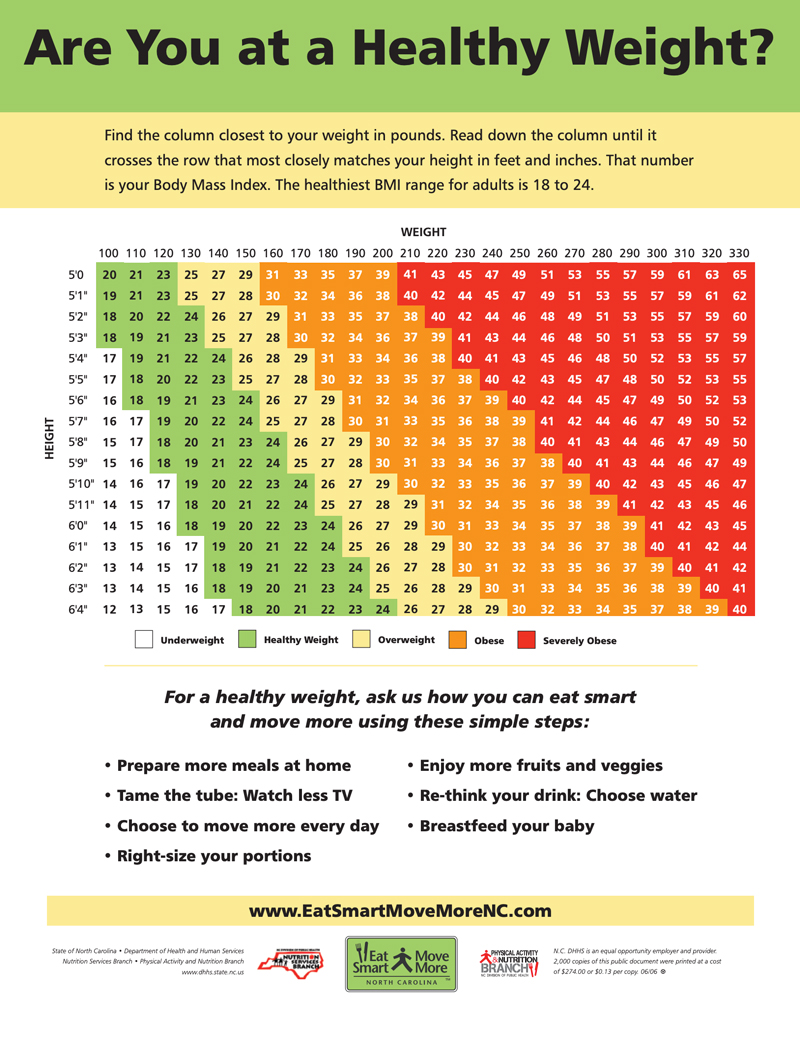
Are you wondering where your weight stands on the scale and what it means for your health? Understanding the “Obese Weight Chart” can give you clear insight into whether your weight falls into a healthy range or if it signals a potential health risk.
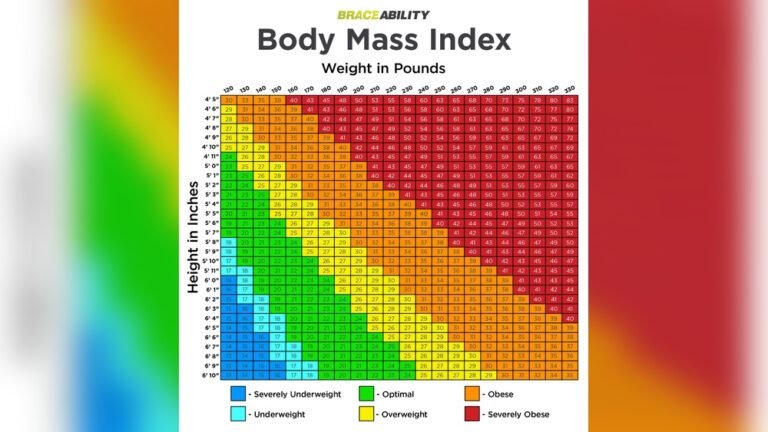
This chart uses your height and weight to categorize your body mass index (BMI), helping you see if you’re overweight or obese. But it’s not just about numbers—knowing your place on this chart empowers you to take control of your well-being.
Keep reading to discover how to find your BMI, why it matters, and what other factors you should consider beyond the chart to truly understand your health. Your journey to clarity starts here.
Bmi Categories
BMI categories help classify body weight based on height and weight. They provide a simple way to assess if a person is underweight, normal weight, overweight, or obese. This classification guides health decisions and lifestyle changes. Understanding these categories is key to using the obese weight chart effectively.
Underweight To Normal
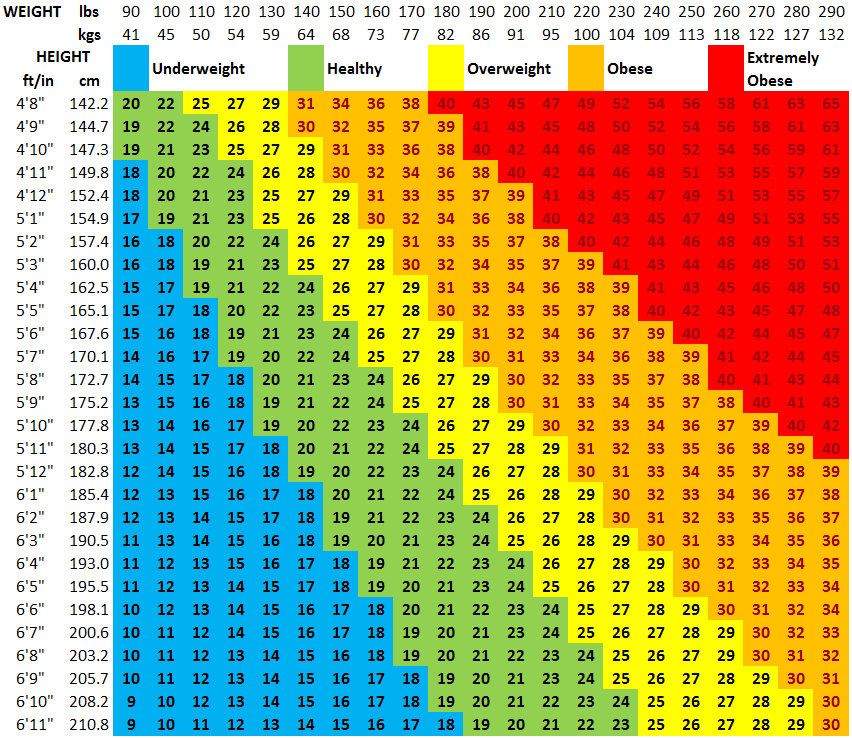
Underweight means a BMI less than 18.5. It may indicate malnutrition or health issues. Normal weight ranges from a BMI of 18.5 to 24.9. This range is linked to lower health risks. Staying in this category promotes overall well-being.
Overweight Range
The overweight category covers a BMI between 25 and 29.9. People in this range face higher risks for heart disease and diabetes. It signals the need for lifestyle adjustments. Weight control can prevent further health problems.
Obese Classification
Obesity starts at a BMI of 30 or higher. This category divides into three classes: Class 1 (30-34.9), Class 2 (35-39.9), and Class 3 (40+). Obesity greatly increases the risk of chronic diseases. Managing weight in this range is critical for health improvement.
Credit: www.cancer.org
Calculating Your Obese Weight Range
Calculating your obese weight range helps understand if your weight poses health risks. It relies mainly on Body Mass Index (BMI), a simple number from your height and weight. Knowing this range guides better health decisions and lifestyle changes.
Using Online Bmi Calculators
Online BMI calculators make finding your BMI quick and easy. Enter your height and weight, and the tool shows your BMI instantly. These calculators also categorize your BMI, indicating if you are underweight, normal, overweight, or obese.
Most websites offer free BMI calculators that do not require personal information. They provide a clear number and category, helping you know your weight status.
Considering Height And Weight
Your height and weight are the key factors in calculating BMI. BMI is the ratio of weight in kilograms to height in meters squared. Taller people can weigh more without being obese compared to shorter people.
Weight alone does not determine obesity; it must be compared to height. This comparison helps avoid misleading conclusions about body size and health.
Example Weight Ranges
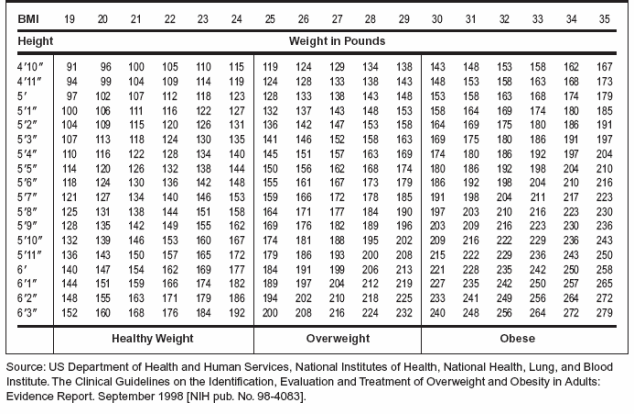
For an adult 5 feet 5 inches tall, the obese weight starts at about 190 pounds. At 6 feet tall, obesity begins at around 221 pounds. These values vary slightly depending on exact height.
Using BMI categories:
- Normal weight BMI: 18.5–24.9
- Overweight BMI: 25–29.9
- Obese BMI: 30 and above
These ranges help you see where your weight fits and if it may be a health concern.
Limits Of Bmi
BMI is a common tool to check if a person is obese. It uses height and weight to calculate a number. This number shows if someone is underweight, normal, overweight, or obese. BMI is easy to use but it has limits. It does not tell the whole story about a person’s health or body. People with the same BMI can look very different. Understanding these limits helps to use BMI better.
Muscle Mass Impact
BMI does not separate muscle from fat. Muscular people may have a high BMI but low fat. This can make them look overweight or obese on the chart. Athletes often fall into this category. Their weight comes from strong muscles, not fat. BMI can mislabel them as unhealthy, even if they are fit.
Body Composition Factors
Body composition means the amount of fat, muscle, and bone in the body. BMI does not measure this. Two people with the same BMI can have different body fat percentages. Fat around the belly is more risky than fat in other areas. BMI cannot show where fat is stored. This can affect health risks but is not seen in BMI results.
Alternative Measurements
Other tools give a clearer picture of health than BMI alone. Waist circumference measures belly fat directly. Waist-to-hip ratio compares waist size to hip size. Body fat percentage uses special tools to find fat levels. These methods help understand weight and health better. They work well with BMI to give a full view.
Credit: www.houstonweightloss.com
Ethnic And Age Variations
Understanding obesity requires attention to ethnic and age variations. Body Mass Index (BMI) standards do not apply equally to all groups. Different ethnicities and age groups show varied health risks at different BMI levels. Recognizing these differences helps in better assessing obesity and related health issues.
Lower Bmi Thresholds For Some Ethnicities
Some ethnic groups face health risks at lower BMI levels. For example, Asians often develop obesity-related diseases at lower BMI than others. Health experts suggest using lower BMI cutoffs for these populations. This adjustment helps identify risks earlier and guide treatment. It acknowledges that body fat distribution varies by ethnicity.
Bmi For Children And Teens
Children and teens have growing bodies, so BMI uses a different method. BMI-for-age percentiles compare a child’s BMI to others of the same age and sex. This approach accounts for growth spurts and body changes during development. It helps identify overweight or obesity risk in young people accurately. Regular monitoring supports healthier growth and development.
Age-related Changes
As people age, body composition changes naturally. Muscle mass tends to decrease while fat increases, even if weight stays stable. Older adults might have a higher body fat percentage at the same BMI as younger adults. This shift affects health risk assessments and obesity definitions. Health providers consider age when evaluating BMI and related health concerns.
Additional Health Metrics
Tracking obesity involves more than just weight and BMI. Other health metrics offer deeper insight into your body’s condition. These numbers help show risks and guide better health choices. Understanding these metrics gives a clearer health picture beyond the obese weight chart.
Waist Circumference Importance
Waist size shows fat around the belly, a key health risk. A large waist raises chances of heart disease and diabetes. Measuring waist circumference helps identify hidden risks not seen in BMI. Keep waist size within healthy limits to lower health problems.
Body Fat Percentage
Body fat percentage measures fat versus lean mass. This metric shows if weight is muscle or fat. High body fat can harm heart and metabolism health. Use body fat tests for a better look at obesity and fitness. Lowering fat percentage improves overall health.
Physical Fitness Levels
Fitness levels show how well your body performs daily activities. Good fitness helps control weight and reduces disease risk. Strength, endurance, and flexibility tests reveal fitness status. Improving fitness supports weight loss and long-term health.
Setting Healthy Weight Goals
Setting healthy weight goals is a key step for anyone managing obesity. Clear goals guide your progress and keep you motivated. They also help you focus on long-term health, not just numbers on a scale.
Setting realistic and safe weight targets reduces the risk of frustration and injury. It makes the journey manageable and sustainable.
Consulting Healthcare Professionals
Talk to your doctor or a registered dietitian before starting any weight plan. They assess your health status and medical history. This helps create a safe, effective plan tailored to you.
Healthcare experts track your progress and adjust goals as needed. They offer advice on physical activity and nutrition based on your body’s needs.
Personalized Weight Targets
Personal weight goals consider your height, age, and body type. They often use BMI as a starting point but adjust for muscle mass and other factors.
Small, gradual weight loss targets are easier to maintain. Aiming to lose 1-2 pounds per week is a common, healthy guideline.
Lifestyle And Nutrition Tips
Focus on balanced meals with plenty of fruits, vegetables, and whole grains. Avoid crash diets that cut out entire food groups.
Regular physical activity supports weight loss and improves overall health. Find activities you enjoy to stay consistent.
Stay hydrated and get enough sleep. Both play a big role in weight management and energy levels.
Credit: www.eatsmartmovemorenc.com
Conclusion
Tracking your weight using an obese weight chart helps understand health risks. It shows how weight relates to height clearly. Remember, BMI is a simple tool, not a full health check. Body composition and ethnicity may affect your ideal weight range.
Use the chart as a guide, not a strict rule. Talk to a healthcare professional for personalized advice. Staying informed helps you make better health choices every day.