

Want to know if your weight is in a healthy range without complicated tests? Measuring your BMI online is the easiest way to get a quick snapshot of your body’s health.
By simply entering your height and weight, you can discover your Body Mass Index and understand what it means for you. Whether you’re aiming to maintain your current fitness or planning a lifestyle change, knowing your BMI helps you make smarter choices.
Keep reading to learn how to measure your BMI online quickly, accurately, and why it matters for your well-being.
What Is Bmi
Body Mass Index, or BMI, is a simple way to understand your body weight in relation to your height. It helps identify if you are underweight, normal weight, overweight, or obese. Measuring BMI online is quick and easy, providing instant results without any complex tools.
Bmi Basics
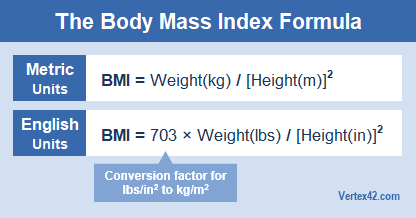
BMI is a number calculated from your weight and height. The formula divides your weight in kilograms by your height in meters squared. For those using pounds and inches, a different formula applies but gives the same type of result. This number places you into a category that shows your weight status.
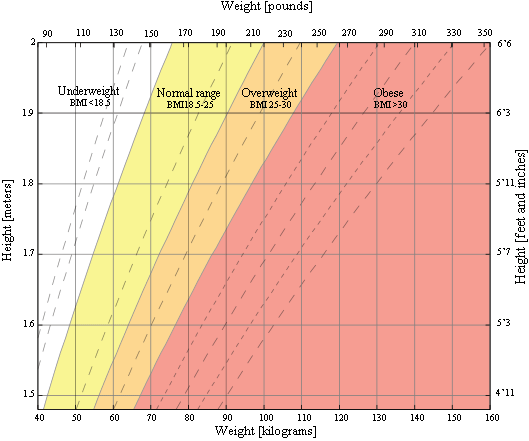
BMI categories include underweight, normal weight, overweight, and obesity. These categories help people understand their health risks related to weight. It is a useful tool for adults and teens but interpreted differently for children.
Why Bmi Matters
BMI helps spot health risks linked to weight. Being overweight or obese raises the chance of heart disease, diabetes, and other illnesses. Underweight people may face issues like weak bones or malnutrition.
Doctors use BMI as a quick screening tool. It is not a perfect measure but offers a good starting point. Muscle mass and body composition can affect BMI results. Therefore, discussing BMI with a healthcare provider is important for a full health picture.
Credit: www.vertex42.com
Manual Bmi Calculation
Manual BMI calculation is a simple way to understand your body mass index. It uses your weight and height to find a number. This number helps estimate if your weight is healthy for your height. You can do this calculation without any special tools.
Gather Weight And Height
Start by measuring your current weight. Use a scale for the most accurate result. Next, measure your height. Stand straight against a wall and use a ruler or tape measure. Write down both numbers clearly before moving on.
Convert Units Correctly
BMI calculation needs weight in pounds and height in inches. If your weight is in kilograms, multiply by 2.2046 to get pounds. If your height is in centimeters, divide by 2.54 to get inches. Correct units are very important for an accurate BMI.
Apply The Bmi Formula
Use this formula: BMI = (weight in pounds ÷ height in inches ÷ height in inches) × 703.
First, divide your weight by your height squared. Then multiply the result by 703. The final number is your BMI. This number tells you if your weight is underweight, normal, overweight, or obese.
Using Online Bmi Calculators
Using online BMI calculators offers a quick way to estimate your body mass index. These tools help assess whether your weight falls within a healthy range. Easy to access and use, they provide instant results without complex math. Understanding how to use these calculators ensures accurate and helpful feedback for your health.
Find A Reliable Calculator
Choose an online calculator from trusted health websites. Look for tools provided by medical organizations or government health agencies. Avoid unknown sites that may give incorrect results. Reliable calculators often update their data to match current health guidelines.
Input Required Details
Enter your height and weight accurately for precise results. Some calculators also ask for age and gender to improve accuracy. Use the correct units, like pounds or kilograms and inches or centimeters. Double-check your entries before submitting the form.
Interpreting Your Results
The calculator shows a BMI number and a category label. Categories include underweight, normal, overweight, and obese. This number helps indicate possible health risks linked to weight. Remember, BMI is a screening tool, not a full health diagnosis. Consult a healthcare provider for detailed advice.
Electronic Bmi Measurement Tools
Electronic BMI measurement tools offer quick and simple ways to check your body mass index. These devices use technology to calculate BMI without manual math. They provide faster results and often include extra health data.
Many tools are portable and user-friendly. You can use them at home or in clinics. They help track your health progress over time with easy-to-read displays.
Digital Body Fat Analyzers
Digital body fat analyzers use sensors to measure body fat and BMI. They send a small electric current through the body. The device calculates body fat based on resistance to the current.
These analyzers often show BMI, body fat percentage, and muscle mass. They give a fuller picture of your health than BMI alone. Most models have memory to store past readings.
They are popular for home use due to their accuracy and convenience. Some come with smartphone apps to track changes over time. They help users stay motivated by showing detailed health metrics.
Handheld Bmi Devices
Handheld BMI devices are compact tools for quick BMI checks. They require entering height and weight or using built-in sensors. The device then calculates and displays your BMI instantly.
These devices are easy to carry and use anywhere. They suit people who want fast, on-the-go BMI measurements. Some models connect to apps for tracking results and setting goals.
Handheld BMI devices are cost-effective and simple. They help users maintain awareness of their health status regularly. These tools reduce the need for complicated calculations or visits to a clinic.
Bmi For Adults Vs Children
BMI, or Body Mass Index, helps assess body weight in relation to height. It is a simple tool used for adults and children. The calculation method remains the same, but the meaning of BMI values differs. Understanding these differences is important for accurate health assessments. Age and sex also affect how BMI results are viewed. This section explains these key points.
Differences In Interpretation
Adults have fixed BMI categories to define weight status. These include underweight, normal, overweight, and obese. Children’s BMI is compared against growth charts. Their BMI is shown as a percentile among peers of the same age and sex. A child’s BMI percentile helps identify if they are underweight, healthy weight, or overweight. This approach accounts for natural growth changes. Children grow at different rates, so direct BMI numbers are less useful.
Age And Sex Considerations
Age affects BMI because body composition changes over time. Children’s bodies develop muscle and fat differently than adults. Boys and girls also grow differently during childhood and puberty. BMI calculators for children adjust results based on age and sex. This gives a clearer picture of their health status. For adults, sex differences are less dramatic but still matter. Men often have more muscle mass, which can affect BMI readings.
Credit: www.calculator.net
Limitations Of Bmi
Body Mass Index (BMI) is a simple way to estimate if a person has a healthy weight. It uses height and weight to give a number. This number helps categorize weight status, like underweight or overweight. Despite its popularity, BMI has limits that affect its accuracy and usefulness. Understanding these limits can help you use BMI wisely and know when to seek more detailed health advice.
Bmi And Body Fat
BMI does not measure body fat directly. Two people with the same BMI can have very different fat amounts. It cannot tell where fat is stored in the body. Belly fat is more harmful than fat in other areas, but BMI does not show this. This can lead to wrong health assumptions for some people.
Impact Of Muscle Mass
Muscle weighs more than fat. People with high muscle mass can have a high BMI but low body fat. Athletes and bodybuilders often fall into this category. BMI may label them as overweight or obese wrongly. This shows BMI does not separate muscle from fat well.
When To Consult A Doctor
Use BMI as a quick check, not a full health test. If your BMI is very high or low, talk to a doctor. Also see a doctor if you have health problems or symptoms. A healthcare provider can do more tests for body fat, muscle, and health risks. They give better advice based on your full health picture.
Tracking Bmi For Health
Tracking your BMI helps you understand your health better. It shows if your weight is healthy for your height.
Regularly checking your BMI helps you notice changes early. This can guide you to make healthy choices.
Regular Monitoring Tips
Check your BMI at the same time each week or month. Use the same scale and measure your height accurately.
Record your BMI results to see trends over time. This helps you stay motivated and aware of your health.
Use a reliable online BMI calculator for quick and easy checks. Many free tools are available on health websites.
Using Bmi To Guide Lifestyle
BMI can help you decide if you need to change your diet or activity. It is a simple way to see if you are underweight, healthy, overweight, or obese.
Adjust your meals to include more fruits, vegetables, and whole grains if your BMI is high. Increase physical activity to improve your score.
Consult a healthcare provider to understand your BMI and get advice. They can help you create a plan that fits your needs.

Credit: www.amazon.sa
Conclusion
Measuring BMI online is quick and easy for everyone. Enter your height and weight to see your result instantly. This simple step helps you understand your body better. Remember, BMI is a guide, not a full health report. Talk to a doctor for a complete health check.
Use reliable calculators from trusted sources to get accurate numbers. Stay aware of your health by checking your BMI regularly. Small changes can make a big difference over time. Keep track and take charge of your well-being today.