

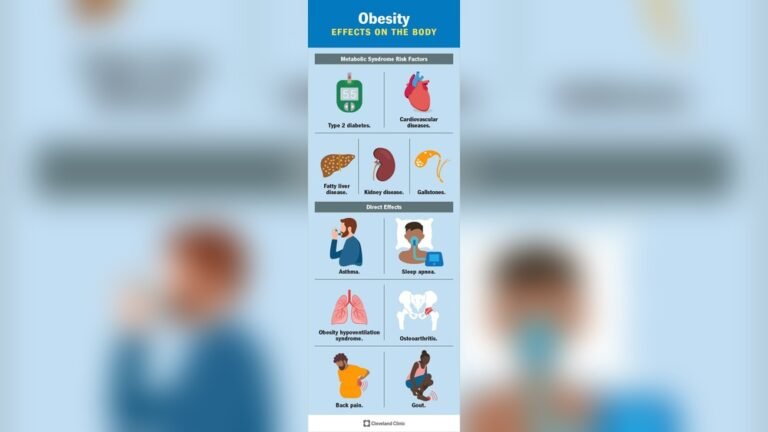
Have you ever wondered how carrying extra weight might be quietly affecting your health every day? Obesity is more than just a number on the scale—it can impact your heart, lungs, joints, and even your mood in ways you might not expect.
Understanding these effects is crucial because they can shape the quality of your life now and in the future. You’ll discover the hidden risks obesity poses to your body and mind, and why taking action today can make all the difference.
Keep reading to learn how obesity affects your health and what steps you can take to protect yourself.

Credit: www.healthline.com
Heart And Metabolic Risks
Obesity significantly increases heart and metabolic risks. Excess body fat affects how the heart and blood vessels work. This leads to serious health problems. Understanding these risks helps in managing and preventing complications.
Heart Disease And Hypertension
Obesity raises the chance of heart disease. Extra fat makes the heart work harder. This can cause the heart to enlarge and weaken.
High blood pressure, or hypertension, is common in people with obesity. Excess weight pushes up blood pressure by increasing resistance in blood vessels. This strains the heart and can damage arteries.
Obesity also increases bad cholesterol levels and lowers good cholesterol. This imbalance clogs arteries and causes atherosclerosis. Narrowed arteries reduce blood flow to the heart, risking heart attacks.
Stroke And Cerebrovascular Issues
Stroke risk rises with obesity. High blood pressure and clogged arteries increase this danger. Blocked or burst blood vessels in the brain cause strokes.
Obesity can lead to poor blood sugar control and diabetes. These conditions damage blood vessels and raise stroke risk further. Brain damage from stroke can cause disability or death.
People with obesity may also develop small vessel disease in the brain. This causes memory problems and difficulties with thinking skills. Controlling weight helps protect brain health.

Credit: www.medicalnewstoday.com
Breathing Problems
Obesity has a serious impact on breathing. Excess weight puts pressure on the lungs and airways. This pressure makes it harder to breathe properly. Breathing problems caused by obesity can reduce oxygen levels in the body. This affects overall health and daily activities. Two common breathing issues linked to obesity are sleep apnea and asthma.
Sleep Apnea
Sleep apnea is a common condition in people with obesity. It causes repeated pauses in breathing during sleep. Excess fat around the neck narrows the airway. This narrowing blocks airflow and leads to snoring or gasping. Sleep apnea reduces sleep quality and causes daytime tiredness. It also raises the risk of high blood pressure and heart problems. Treating obesity can help reduce sleep apnea symptoms.
Asthma And Other Respiratory Issues
Obesity worsens asthma symptoms and increases the risk of developing asthma. Extra weight inflames the airways and makes breathing difficult. People with obesity may feel shortness of breath during exercise or daily tasks. Other respiratory issues like reduced lung volume and poor lung function are common. These problems limit physical activity and lower life quality. Losing weight often improves breathing and lung health.
Joint And Bone Strain
Obesity puts extra pressure on joints and bones. This strain causes pain and limits movement. Over time, this stress can damage the body’s support system. The wear and tear on joints and bones lead to serious health problems.
Osteoarthritis
Osteoarthritis occurs when cartilage wears down. Excess weight speeds up this process. Joints like knees, hips, and lower back suffer most. The cartilage cushions bones and helps smooth movement. Losing this cushion causes pain and stiffness. People with obesity often feel joint discomfort daily. This condition reduces mobility and lowers life quality.
Muscle Loss And Fracture Risk
Obesity may cause muscle loss over time. Weak muscles cannot support bones well. This weakness increases the chance of falls and fractures. Bone density can also decrease with excess weight. Fragile bones break more easily from minor accidents. Fractures lead to long recovery times and disability. Strong muscles and healthy bones are vital for daily activities.
Cancer Risks
Obesity raises the risk of developing many types of cancer. Excess body fat changes the body’s environment, encouraging cancer growth. Fat tissue produces hormones and inflammatory substances that can harm cells. These changes affect several organs and systems, increasing cancer risk.
Hormonal And Digestive Cancers
Obesity increases the chance of cancers linked to hormones. Breast cancer risk rises, especially after menopause. Excess fat raises estrogen levels, which can fuel tumor growth. Endometrial cancer, affecting the uterus lining, also occurs more often in obese women.
Digestive system cancers show a strong link to obesity. Colorectal cancer risk is higher due to inflammation and insulin resistance. Pancreatic cancer risk also grows with increasing body weight. Fat tissue disrupts normal digestion and hormone balance, creating a cancer-friendly environment.
Gallbladder And Kidney Cancer
Gallbladder cancer risk increases with obesity. Gallstones, common in obese individuals, can cause chronic inflammation. This inflammation may lead to cancer in the gallbladder.
Kidney cancer is another type linked to excess weight. Fat around the kidneys can affect their function and cause harmful changes. Obesity-related high blood pressure and insulin resistance contribute to kidney cancer risk.
Mental Health Effects
Obesity affects more than just the body. It also impacts mental health in many ways. People with obesity often face emotional struggles. These challenges can influence their daily lives and well-being. Understanding these mental health effects is important for overall health care.
Depression And Mood Disorders
Obesity is linked to higher rates of depression. The body’s physical changes can affect brain chemistry. This may lead to feelings of sadness and low energy. People with obesity sometimes experience mood swings. These mood disorders can reduce motivation and increase isolation.
Stress from weight-related health problems can worsen depression. Struggling with self-image also plays a role. Depression and obesity often create a cycle that is hard to break.
Social Impact And Quality Of Life
Obesity can lead to social stigma and discrimination. Negative attitudes from others affect self-esteem. Many people with obesity feel embarrassed or ashamed. These feelings reduce their willingness to engage socially.
Quality of life may decline due to social isolation. Avoiding social situations can increase loneliness. This adds to emotional distress and mental health struggles. Support from family and friends is crucial to improve life quality.
Other Health Concerns
Obesity affects more than just weight and appearance. It can cause serious health problems beyond heart disease and diabetes. These additional concerns impact vital organs and life stages. Understanding these risks helps highlight the broad effects of obesity on health.
Liver Disease And Gallstones
Excess fat can build up in the liver, causing fatty liver disease. This condition can lead to inflammation and liver damage. People with obesity also have higher chances of developing gallstones. Gallstones form when bile contains too much cholesterol. These issues can cause pain and require medical treatment.
Kidney Disease
Obesity increases the risk of kidney disease. Extra weight strains the kidneys and reduces their function. This can lead to chronic kidney disease over time. Kidney disease may cause fatigue, swelling, and other health problems. Managing weight can help protect kidney health.
Fertility And Pregnancy Complications
Obesity affects fertility in both men and women. It can disrupt hormone levels and reduce chances of conception. During pregnancy, obesity raises the risk of complications. These include gestational diabetes, high blood pressure, and preeclampsia. Babies born to mothers with obesity may face health challenges too.
Impact On Pancreas And Digestion
The pancreas plays a vital role in digestion and blood sugar regulation. Obesity puts extra strain on this organ, affecting its normal functions. This strain can lead to serious health problems related to digestion and metabolism.
Digestive processes slow down in people with obesity. Excess fat around the abdomen can press on the stomach and intestines. This pressure disrupts the movement of food through the digestive tract. It may cause symptoms like bloating, indigestion, and acid reflux.
Effects Of Obesity On Pancreatic Function
The pancreas produces insulin, which controls blood sugar levels. Obesity often causes insulin resistance. This means the body’s cells do not respond well to insulin. The pancreas then works harder to keep blood sugar balanced. Over time, this can lead to pancreatic exhaustion and type 2 diabetes.
Obesity And Pancreatitis Risk
Obesity increases the risk of pancreatitis, an inflammation of the pancreas. Fat deposits can cause the pancreas to become swollen and damaged. Pancreatitis causes severe abdominal pain and digestive issues. It can become a chronic condition if obesity is not managed.
Impact On Digestive Enzymes
The pancreas also releases enzymes that break down food. Obesity can reduce enzyme production and efficiency. Poor enzyme activity leads to incomplete digestion. Nutrients are not absorbed properly, causing malnutrition despite eating enough food.
Obesity And Gut Health
Obesity changes the balance of bacteria in the gut. This imbalance affects digestion and immune function. It may increase inflammation and worsen digestive problems. Maintaining a healthy weight supports better gut flora and digestion.
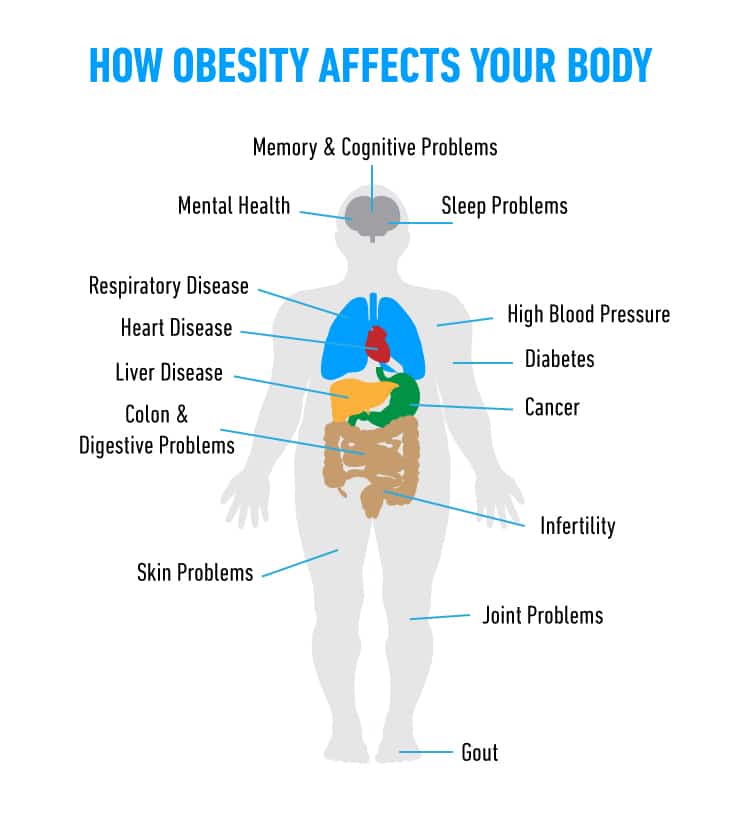
Credit: www.medicalmex.com
Conclusion
Obesity affects many parts of the body and harms overall health. It raises risks for heart disease, stroke, and breathing problems. Joint pain and arthritis often occur due to extra weight. Obesity also links to several types of cancer and mental health issues.
It can cause liver and kidney problems, affecting daily life. Understanding these effects helps motivate healthier choices. Small changes in diet and activity can improve wellbeing. Staying informed is key to managing health risks effectively.