

Are you curious about what your Body Mass Index (BMI) really means and how to calculate it quickly and accurately? Knowing your BMI gives you a simple snapshot of your body’s health and can help you understand if you’re in a healthy weight range.
But did you know that just a few numbers—your weight and height—can unlock important insights about your well-being? You’ll learn the easy steps to calculate your BMI, what the numbers mean for your health, and why BMI is just the starting point for understanding your body better.
Keep reading to take control of your health with a tool that fits right in your pocket.
Credit: www.calculatorsoup.com
Bmi Formula
Body Mass Index (BMI) helps estimate body fat using height and weight. The BMI formula is simple. It provides a quick way to assess if a person is underweight, normal, overweight, or obese. Different units require different calculations. Understanding these formulas allows accurate BMI calculation regardless of the measurement system.
Metric Units Calculation
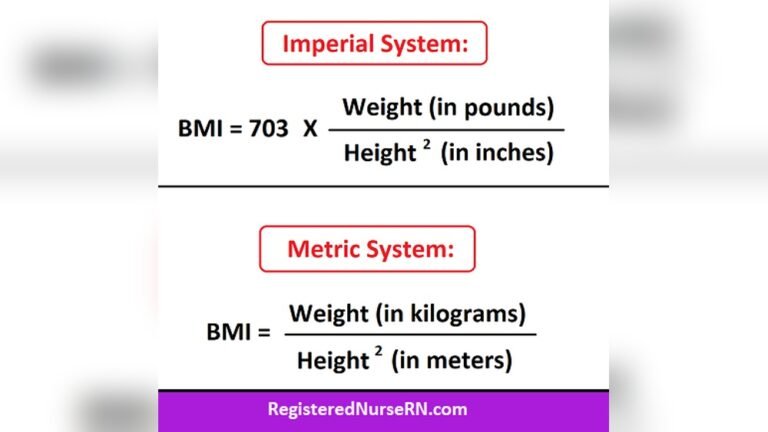
To calculate BMI using metric units, divide weight in kilograms by height in meters squared. The formula looks like this:
Measure weight in kilograms and height in meters. Square the height value before dividing. For example, a person weighing 70 kg and 1.75 m tall has a BMI of:
This method is widely used internationally because of its simplicity and accuracy.
Imperial Units Calculation
In the imperial system, use pounds for weight and inches for height. The formula is:
BMI = 703 × weight (lbs) / [height (in)]²
Multiply weight in pounds by 703. Then divide by height in inches squared. For example, if someone weighs 154 lbs and is 69 inches tall, the BMI is:
703 × 154 / (69 × 69) = 22.74
This formula adjusts for the different unit sizes and provides an accurate BMI result.

Credit: www.usz.ch
Step-by-step Calculation
Calculating your Body Mass Index (BMI) helps you understand your body weight relative to your height. It is a simple way to check if you are underweight, normal weight, overweight, or obese. Follow these easy steps to calculate your BMI correctly.
Converting Weight And Height
First, measure your weight in kilograms (kg). If you have pounds, divide by 2.2046 to convert to kilograms. Next, measure your height in meters (m). If you use inches, multiply by 0.0254 to get meters. Using metric units makes the calculation accurate.
Squaring Height
Take your height in meters and multiply it by itself. This means height × height. For example, if your height is 1.7 meters, then 1.7 × 1.7 equals 2.89. This squared height number is needed for the next step.
Performing The Division
Divide your weight in kilograms by the squared height value. For example, if you weigh 70 kg and your squared height is 2.89, then 70 ÷ 2.89 equals about 24.22. This result is your BMI number.
Example Calculation
Understanding BMI calculation becomes easier with a clear example. This section shows a simple step-by-step method. It helps you see how numbers work in the formula. You can learn how to calculate BMI yourself.
What You Need For The Calculation
To calculate BMI, you need two measurements: weight and height. Weight should be in kilograms. Height should be in meters. If you have pounds and inches, convert them first. This makes the calculation accurate and simple.
Step 1: Measure Weight And Height
For example, a person weighs 70 kilograms. Their height is 1.75 meters. These numbers will go into the BMI formula. Make sure the measurements are correct to get a true result.
Step 2: Apply The Bmi Formula
The BMI formula is weight divided by height squared. That means you multiply height by itself. Then divide weight by that number. For our example:
Step 3: Interpret The Result
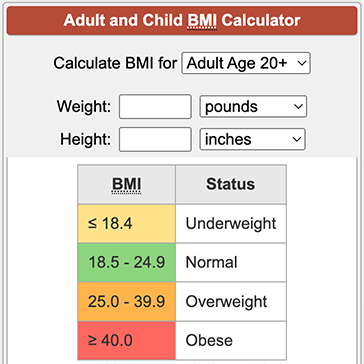
A BMI of 22.9 falls into the normal weight range. BMI categories help understand health risks. Below 18.5 means underweight. Between 18.5 and 24.9 means normal weight. Between 25 and 29.9 means overweight. Over 30 indicates obesity. This result shows a healthy body mass index.
Interpreting Bmi Results
Understanding your BMI result is important for knowing your general health status. BMI, or Body Mass Index, gives a quick estimate of body fat based on height and weight. It helps identify if a person falls into a healthy weight range or faces potential health risks.
Interpreting BMI results is simple but requires knowing the categories and what they mean. These categories help classify people into groups that reflect their risk of health problems linked to weight.
Bmi Categories
BMI results fall into several main categories. Each category shows a different level of body fat and related health risk. They include:
- Underweight: BMI less than 18.5
- Normal weight: BMI 18.5 to 24.9
- Overweight: BMI 25 to 29.9
- Obesity: BMI 30 or higher
These categories give a general guide to weight status. They are widely used by doctors and health professionals worldwide.
Health Implications
BMI results can point to possible health issues. Being underweight can lead to weak immunity and nutrient deficiencies. Normal weight usually means lower risk of weight-related diseases.
Overweight and obesity increase the chance of heart disease, diabetes, and high blood pressure. They can also affect joint health and breathing. BMI alone does not measure muscle or fat distribution, but it helps spot risks early.
For a better health picture, doctors may use other measures like waist size or body fat tests.
Limitations Of Bmi
Body Mass Index (BMI) is a quick way to estimate if a person has a healthy weight. It uses height and weight to give a number. This number helps show if someone is underweight, normal, overweight, or obese. BMI is simple and useful for many people. Still, it has limits. It does not measure fat directly or show where fat is located. Some people may get a wrong idea about their health from BMI alone.
These limits are clear in certain groups of people. Their body types or conditions make BMI less accurate. Knowing these limits helps avoid mistakes in health decisions.
Athletes And Muscle Mass
Athletes often have more muscle than average people. Muscle weighs more than fat. This means athletes can have a high BMI but low body fat. BMI may label them as overweight or obese even if they are very fit. This can cause confusion about their health.
For athletes, other measures like body fat percentage give a better health picture. BMI does not separate muscle from fat. It only uses weight and height.
Pregnant Women
Pregnancy changes a woman’s body weight and shape. The extra weight is healthy and needed for the baby. BMI does not adjust for pregnancy. It may show a high number that is normal during this time. Using BMI alone during pregnancy can mislead about health risks.
Doctors use other tools to check a pregnant woman’s health. They consider weight gain and overall condition instead of BMI alone.
Other Special Populations
Some groups have body types that BMI does not fit well. Older adults may lose muscle but keep fat. Their BMI might look healthy while fat is high. Children and teens grow in different ways. BMI charts for adults do not apply to them.
People with certain medical conditions can also have misleading BMI results. For these groups, doctors use other tests. Waist size, body fat scans, and health checks help more.

Credit: www.gastroclinix.com
Beyond Bmi Measurements
BMI is a quick way to estimate body fat using height and weight. It is useful but not perfect. BMI does not show where fat is stored or how much muscle you have. Some people with high muscle may have a high BMI but low fat. Others may have a normal BMI but still carry unhealthy fat around the belly.
To get a clearer picture of health, other measurements help beyond BMI. These include waist circumference, waist-to-hip ratio, and direct body fat measurement. These methods focus more on fat distribution and total body fat. This information gives better insight into risks for diseases like diabetes and heart problems.
Waist Circumference
Waist circumference measures the distance around your belly. It shows how much fat is stored in the abdomen. Fat in this area is linked to higher health risks. Men with a waist over 40 inches and women over 35 inches may face more health problems. This simple tape measure test helps find risk that BMI might miss.
Waist-to-hip Ratio
The waist-to-hip ratio compares waist size to hip size. It shows fat distribution on the body. A higher ratio means more fat around the waist than hips. This pattern raises the chance of heart disease and diabetes. Ratios above 0.90 for men and 0.85 for women are considered risky. This method adds detail to BMI results.
Direct Body Fat Measurement
Direct body fat measurement gives the most accurate fat amount. Methods include DEXA scans, skinfold calipers, and bioelectrical impedance. These tools separate fat from muscle and bone. They help find “hidden” fat not seen by BMI. Though less common, these tests are valuable for detailed health checks.
New Approaches To Obesity
New approaches to obesity focus on more accurate and detailed assessments. Traditional BMI calculation has limits. It cannot distinguish muscle from fat. This often leads to wrong conclusions about health risks. Scientists and doctors now suggest methods that better reflect true body fat and its effects.
These new strategies aim to improve diagnosis and treatment. They consider different stages of obesity and updated medical guidelines. Understanding these changes can help people manage their health more effectively.
Clinical Vs Pre-clinical Obesity
Obesity is no longer seen as a single condition. It has two main categories: clinical and pre-clinical obesity. Clinical obesity means a person already has diseases linked to excess fat. These could include diabetes or heart problems. Pre-clinical obesity refers to people at risk. They have high body fat but no diseases yet.
This distinction helps doctors decide on the right treatments. Early intervention in pre-clinical obesity may prevent serious illness. It also highlights the need for regular health checks beyond just BMI numbers.
Updated Medical Guidelines
Medical experts now recommend using more measurements. Waist circumference or waist-to-hip ratio show where fat is stored. Fat around the belly is more harmful than fat in other areas. Direct body fat measurement tools, like DEXA scans, provide better accuracy.
These updated guidelines aim to reduce misdiagnosis. They offer a clearer picture of health risks. New BMI formulas are also being tested to improve obesity assessment. These changes encourage a more personalized approach to health care.
Tools And Resources
Understanding your Body Mass Index (BMI) can be easier with the right tools and resources. These aids help you calculate and interpret your BMI correctly. They also guide you toward healthier lifestyle choices.
Using reliable tools ensures accurate results. Resources provide valuable information about BMI and its impact on health. Explore the options below to find what fits your needs best.
Online Bmi Calculators
Online BMI calculators are quick and simple to use. Enter your height and weight, and the tool computes your BMI instantly. Many websites offer free calculators accessible on any device.
These calculators often explain what your BMI number means. Some even provide advice on maintaining or achieving a healthy weight. They are a great starting point for tracking your health.
Professional Health Assessments
Healthcare professionals use advanced methods to assess body composition. These include measuring waist size, body fat percentage, and muscle mass. Such assessments give a clearer picture than BMI alone.
Doctors and dietitians can offer personalized advice based on these evaluations. They help identify health risks and create tailored plans. Regular check-ups support long-term health management.
Recommended Reading
Books and articles provide deeper insight into BMI and health. Trusted sources explain the science behind BMI and its limits. They also discuss how to use BMI alongside other health markers.
Reading helps you understand the link between weight, nutrition, and disease risk. Choose materials written in clear, simple language for easy comprehension. This knowledge empowers better health decisions.
Conclusion
BMI calculation offers a quick way to check body weight health. It uses height and weight to find a simple number. This number helps identify if weight is too low, normal, or high. Keep in mind, BMI does not separate muscle from fat.
For better health insights, combine BMI with waist measurements or body fat tests. Always discuss your results with a healthcare provider for the best advice. Understanding BMI is a good first step toward managing your health well.