

Are you tired of strict diets and exhausting workouts that leave you feeling deprived? What if you could lose stubborn fat without harsh restrictions or invasive procedures?
Nonrestrictive fat loss techniques offer exactly that—smart, gentle methods designed to help your body shed fat while fitting seamlessly into your lifestyle. Whether you’re looking to sculpt specific areas or boost your overall confidence, these approaches focus on sustainable habits and innovative treatments that work with your body, not against it.
Keep reading to discover how you can unlock effective fat loss without the stress, so you can finally enjoy the journey toward a healthier, happier you.

Credit: www.amazon.com
Non-invasive Fat Removal Methods
Non-invasive fat removal methods offer ways to reduce fat without surgery. These techniques target fat cells gently. They cause minimal discomfort and have short recovery times. Many people choose them for body contouring and shaping. These methods work best on stubborn fat areas. They are not meant for major weight loss but for improving body lines.
Each method uses different technology like cooling, heat, or sound waves. The body naturally removes the destroyed fat cells. Results appear gradually over weeks or months. Consulting a professional helps find the right option for each person.
Fat Freezing With Coolsculpting
CoolSculpting uses controlled cooling to freeze fat cells. The cold causes fat cells to die without harming skin. Over time, the body clears these dead cells naturally. It works well on areas like the abdomen, thighs, and chin. Sessions usually last about one hour. Many people see results after a few treatments.
Laser Lipolysis Techniques
Laser lipolysis melts fat cells using laser energy. The heat destroys fat while protecting nearby tissue. The body then removes the melted fat cells slowly. This method suits body contouring on the belly and love handles. Treatments are quick and often painless. Multiple sessions improve the overall effect.
Radiofrequency Fat Reduction
Radiofrequency sends heat deep into fat layers. This heat breaks down fat cells without cutting the skin. It also tightens the skin by stimulating collagen. Large areas like the abdomen respond well to this treatment. It is safe and requires no downtime. Several treatments may be needed for best results.
Ultrasound Fat Targeting
Ultrasound fat targeting uses sound waves to destroy fat cells. The energy liquefies fat, making removal easier for the body. This method reaches deeper fat layers than some other techniques. It works well on stubborn fat pockets. Sessions are short and recovery is fast.
Injection Lipolysis For Chin Fat
Injection lipolysis uses special injections to break down fat cells. It is commonly used to reduce fat under the chin. The treatment targets the submental area to improve the jawline. Results appear gradually as the body clears fat. Multiple injections may be needed for a smooth contour.
Choosing The Right Treatment
Choosing the right nonrestrictive fat loss treatment is key for effective results. Each method targets fat differently. Understanding these differences helps you make a smart choice. Consider your goals, body type, and lifestyle before deciding. Careful selection leads to better satisfaction and safety.
Purpose Of Treatments
Each fat loss technique serves a specific purpose. Some focus on freezing fat cells, like CoolSculpting. Others use heat or sound waves to break down fat. Some treatments target small areas, others large zones. Knowing the purpose helps match the treatment to your needs. Treatments aim to contour, not replace weight loss.
Number Of Sessions Needed
Most nonrestrictive fat loss methods require multiple sessions. Results build gradually over weeks or months. The number of sessions depends on the treatment type. It also varies by the size of the area treated. Setting realistic expectations about sessions avoids disappointment. Consistency is important for noticeable fat reduction.
Professional Consultations
Consulting a trained professional is essential before treatment. Experts evaluate your body and medical history. They suggest the safest and most effective option. A consultation clarifies what results you can expect. It also helps avoid risks and side effects. Trusting professionals improves your treatment experience and outcome.
Nutrition Tips For Fat Loss
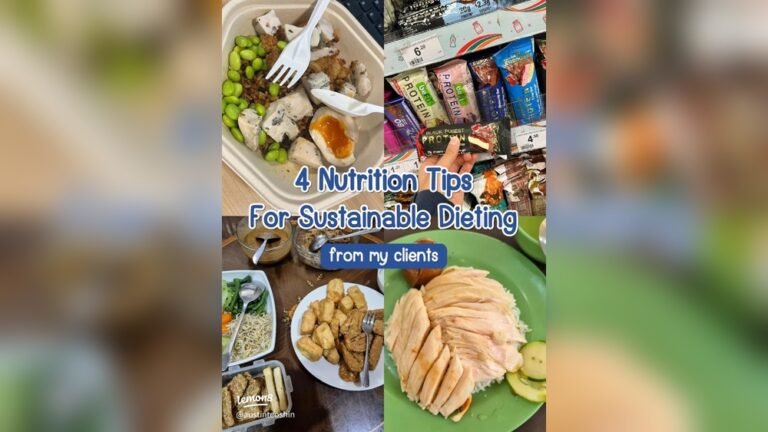
Nutrition plays a crucial role in fat loss without strict restrictions. Small changes in eating habits improve fat burning and overall health. Focus on quality foods and proper hydration to support your goals.
Balanced Meal Composition
Each meal should include protein, healthy fats, and fiber-rich carbohydrates. Protein helps build muscle and keeps you full longer. Healthy fats support brain function and hormone balance. Fiber slows digestion and controls blood sugar. Avoid high sugar and processed foods. Eating balanced meals stabilizes energy and reduces cravings.
Importance Of Hydration
Water is essential for fat metabolism and overall health. Drinking enough water boosts energy and curbs hunger. Aim for at least eight glasses a day. Drinking water before meals may reduce calorie intake. Avoid sugary drinks and excessive caffeine. Staying hydrated helps your body burn fat more efficiently.

Credit: www.scribd.com
Core Principles For Sustainable Weight Control
Achieving lasting weight control depends on core principles that promote steady progress. Sustainable fat loss does not rely on strict rules or quick fixes. Instead, it centers on simple, healthy choices that fit everyday life. Understanding these principles helps maintain weight loss without feeling deprived or overwhelmed.
Focusing On Simplicity
Simplicity makes fat loss easier to maintain. Choose foods that are natural and minimally processed. Avoid complicated diets that require tracking every calorie or nutrient. Small, consistent changes in eating and activity create lasting results. Simple routines reduce stress and increase the chance of success.
Developing Healthy Habits
Healthy habits support steady fat loss over time. Drink enough water and get regular sleep. Include balanced meals with protein, vegetables, and whole grains. Move your body daily with activities you enjoy. Habits build a strong foundation for weight control and overall wellness.
Common Pitfalls To Avoid
Many people slip into habits that hinder fat loss. Avoid skipping meals, which can slow metabolism and increase hunger. Do not rely on fad diets or extreme restrictions. Watch out for emotional eating or mindless snacking. Recognizing these pitfalls helps keep your plan on track.
Cultural Approaches To Weight Loss
Cultural traditions shape how people approach weight loss across the world. These approaches focus on balance, respect for food, and lifestyle habits. They promote healthy fat loss without strict dieting or restriction. Learning from different cultures can inspire gentle, sustainable weight loss methods.
Japanese Diet Essentials
The Japanese diet emphasizes fresh, seasonal foods. It includes lots of fish, vegetables, rice, and soy products. Meals are small but varied, offering many nutrients in each bite. This diet limits processed foods and sugar, which helps reduce fat naturally.
Eating soup and green tea daily supports digestion and metabolism. The Japanese also practice “hara hachi bu,” eating until 80% full. This habit prevents overeating and encourages mindful eating. The focus is on quality, not quantity, which aids in fat loss.
Mindful Eating And Portion Control
Many cultures promote eating slowly and paying attention to hunger signals. Mindful eating helps people enjoy food and avoid overeating. It trains the brain to recognize fullness before consuming too many calories.
Portion control is key in nonrestrictive fat loss techniques. Using smaller plates and serving sizes helps manage intake naturally. This approach reduces fat without feeling deprived or stressed. It encourages a healthy relationship with food and body awareness.

Credit: www.eng.cam.ac.uk
Exercise Strategies For Fat Burning
Exercise plays a vital role in burning fat effectively without strict dieting. Choosing the right exercise strategies helps the body use stored fat as energy. This section explains simple ways to enhance fat burning through exercise. Follow these tips to make workouts more efficient and enjoyable.
Maximizing Fat Utilization
Fat burns best during moderate-intensity exercise. Activities like brisk walking, cycling, or swimming increase fat use. Exercising for 30 to 60 minutes helps the body tap into fat stores. Avoid very high intensity, which relies more on carbohydrates than fat. Consistency matters; regular workouts improve fat metabolism over time. Adding short, low-intensity warm-ups and cool-downs keeps fat burning steady. Staying hydrated supports fat breakdown during exercise.
Targeting Key Muscle Groups
Focus on large muscle groups to boost fat loss. Legs, back, and core muscles use more energy than smaller muscles. Exercises like squats, lunges, and rows engage multiple muscles at once. This increases calorie burn and fat reduction. Strength training builds muscle, which raises resting metabolism. More muscle means the body burns more fat even at rest. Mix cardio and resistance training for balanced fat loss results.
Conclusion
Nonrestrictive fat loss techniques help reduce fat without strict dieting. These methods focus on shaping your body gently and safely. Consistency and patience play big roles in seeing results. Choose treatments that fit your lifestyle and needs. Always talk to a professional before starting any procedure.
Small, steady changes lead to lasting fat loss and better health. This approach supports your body naturally, avoiding harsh restrictions. Keep a balanced diet and stay active for best outcomes. Nonrestrictive techniques offer a simple path to a healthier you.