

You’re tired of searching “how to lose weight fast” and finding either extreme crash diets or vague advice that doesn’t work. This guide is for anyone who wants practical, science-backed strategies to lose weight quickly while building habits that actually stick.
Losing weight fast doesn’t have to mean sacrificing your health or setting yourself up for failure. The key is combining effective weight loss strategies with realistic expectations that work for your lifestyle.
We’ll walk through setting weight loss goals that motivate rather than overwhelm you, creating a healthy eating pattern you can maintain long-term, and mastering portion control without feeling deprived. You’ll also discover how to track your progress effectively and prepare your environment for success – because sustainable weight loss methods work best when your surroundings support your goals, not sabotage them.
Set Realistic Weight Loss Goals and Expectations

Aim for 1-2 pounds per week for sustainable results
When you’re eager to see results, it’s natural to want dramatic weight loss quickly. However, aiming for 1-2 pounds per week is the sweet spot for sustainable, long-term success. This rate of weight loss allows your body to adjust gradually while preserving muscle mass and maintaining your metabolic health.
To achieve this steady progress, you’ll need to create a caloric deficit of about 500 to 750 calories more than you consume each day. This approach ensures you’re losing fat rather than precious muscle tissue, which is crucial for maintaining your strength and independence as you age.
The beauty of this gradual approach lies in its sustainability. When you lose weight too quickly, your body often responds by slowing down your metabolism and increasing hunger hormones like ghrelin. This biological response makes it significantly harder to maintain your weight loss over time. By contrast, losing 1-2 pounds weekly gives your hormones—including insulin, leptin, and cortisol—time to adjust to your new weight.
Remember that weight loss isn’t linear. You might lose more some weeks and less others, and that’s completely normal. Focus on the overall trend rather than daily fluctuations on the scale.
Choose a comfortable target weight based on your history
Your target weight should be realistic and based on your personal history rather than societal expectations or arbitrary numbers. Consider what weight you’ve been able to maintain comfortably in the past without extreme measures or constant struggle.
A practical starting point is to aim for losing just 5% of your current weight. If you weigh 180 pounds, that’s only 9 pounds—a manageable goal that can significantly improve your health. Even this modest amount of weight loss can lower your risk of heart disease and type 2 diabetes.
Instead of fixating on a specific number on the scale, focus on body composition goals. As medical experts emphasize, weight alone isn’t the best indicator of health. Your fat mass, muscle mass, and muscle quality are better reflections of your overall well-being. This shift in perspective helps you set more meaningful targets that support long-term health rather than just aesthetic goals.
Consider setting both action goals and outcome goals. An action goal might be “Walk for 30 minutes daily,” while an outcome goal could be “Lose 10 pounds.” Action goals tell you exactly what to do, while outcome goals give you something to work toward. Both types work together to keep you motivated and on track.
Avoid quick-fix diets and sudden weight loss methods
The allure of rapid weight loss through fad diets, extreme restrictions, or “miracle” solutions can be overwhelming, especially when you’re motivated to change. However, these quick-fix approaches often backfire and can actually harm your long-term success.
Quick-fix diets typically promise dramatic results in unrealistic timeframes, but they’re not sustainable ways of eating that you can maintain throughout your life. Whether it’s eliminating entire food groups, drastically cutting calories, or following rigid meal plans, these approaches often lead to muscle loss, nutritional deficiencies, and metabolic slowdown.
When you lose weight too rapidly, you’re likely losing a significant amount of muscle along with fat. This muscle loss can increase frailty and raise health risks over time. Without incorporating strength training and maintaining adequate protein intake, rapid weight loss can leave you weaker and more susceptible to weight regain.
The most effective approach is to think about long-term eating patterns rather than temporary “dieting.” There’s no single “best” diet for everyone—what matters is finding an eating pattern that works for your lifestyle and culture. The Mediterranean-style eating pattern, for example, has strong evidence for improving heart health and lowering chronic disease risk, but flexibility matters more than rigid rules.
Focus on building sustainable habits that you can maintain permanently. This means choosing eating patterns and physical activities that fit naturally into your daily routine rather than requiring constant willpower or extreme measures. Remember, sustainable weight loss isn’t about perfection or punishment—it’s about working with your biology and choosing habits you can live with long-term.
Create a Healthy Eating Pattern You Can Maintain
Follow Proven Meal Plans Like Mediterranean or DASH Diet
When you’re looking to lose weight fast while maintaining long-term health benefits, adopting proven eating patterns can provide the structured framework you need for sustainable weight loss methods. Research consistently shows that following established meal plans like the Mediterranean or DASH (Dietary Approaches to Stop Hypertension) diet offers superior results compared to restrictive fad diets.
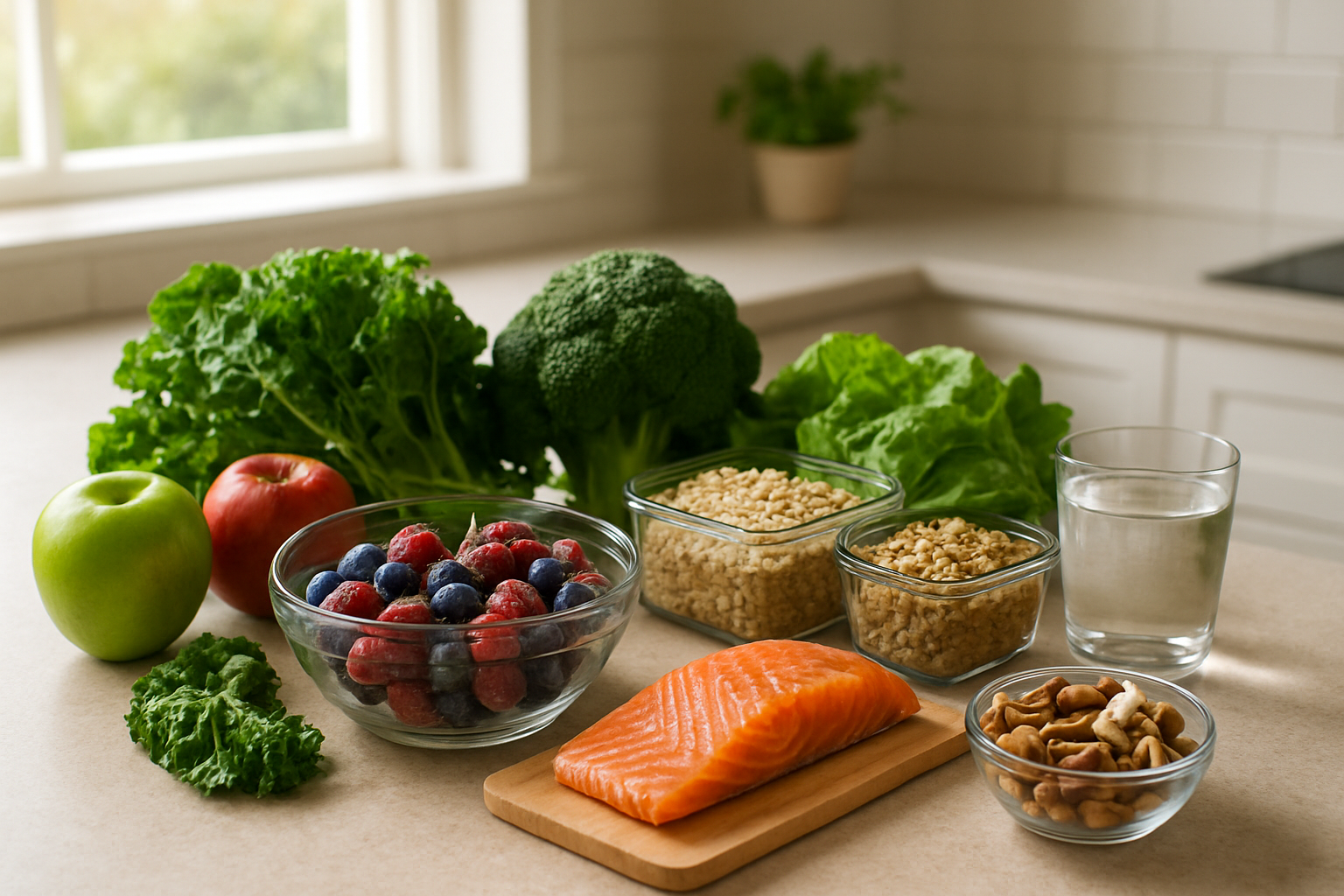
The Mediterranean diet emphasizes whole foods including fruits, vegetables, whole grains, legumes, nuts, and olive oil, with moderate amounts of fish and poultry. This pattern aligns with sustainable healthy diet principles by providing nutrient-dense foods that support both your weight loss goals and overall health. You’ll find this approach particularly effective because it focuses on foods with lower environmental impacts while delivering the nutrition your body needs during weight loss.
The DASH diet similarly prioritizes vegetables, fruits, whole grains, and lean proteins while limiting sodium, added sugars, and processed foods. Both eating patterns have been extensively studied and proven to support healthy weight loss while reducing risks of chronic diseases. When you choose these evidence-based approaches, you’re setting yourself up for success with a healthy weight loss plan that you can maintain long-term.
Include 5 Portions of Fruits and Vegetables Daily
Now that you understand the importance of proven meal plans, incorporating five daily portions of fruits and vegetables becomes a cornerstone of your effective weight loss strategies. This recommendation isn’t arbitrary—it’s based on substantial research showing that higher fruit and vegetable consumption supports both weight management and overall health outcomes.
Your five daily portions should include a diverse range of colorful produce to maximize nutrient density while keeping calorie intake reasonable. Fruits and vegetables are naturally low in calories but high in fiber, water, and essential nutrients, making them perfect for creating the caloric deficit necessary for quick weight loss tips that actually work. The high fiber content helps you feel satisfied longer, reducing the likelihood of overeating throughout the day.
Consider structuring your day to include vegetables at every meal and fruits as snacks or dessert alternatives. This approach supports your fast weight loss diet plan by providing volume and satisfaction without excessive calories. The natural sweetness of fruits can help satisfy sugar cravings, while the variety of vegetables ensures you’re getting diverse nutrients that support your metabolism during weight loss.
Read Food Labels and Choose Healthier Options
With your meal planning foundation established, developing the skill to read food labels becomes crucial for making informed choices that support your lose weight quickly and safely goals. Food labels provide essential information about caloric content, serving sizes, and nutrient composition that directly impact your weight loss success.
Focus on identifying added sugars, which often appear under various names on ingredient lists. These hidden calories can sabotage even the most well-intentioned healthy weight loss plan. Look for products with minimal added sugars and prioritize whole food ingredients you recognize. Pay particular attention to serving sizes, as many packaged foods contain multiple servings per container, which can lead to unintentional overconsumption.
When comparing similar products, choose options with higher fiber content, lower sodium levels, and minimal processing. Foods with longer ingredient lists often contain more additives and preservatives that don’t contribute to your nutritional goals. Prioritize products where whole foods appear first in the ingredient list, indicating they make up the largest proportion of the product.
Replace Sugary Drinks with Water
Previously, we’ve discussed food choices, but your beverage selections play an equally important role in your weight loss tracking methods and overall success. Sugary drinks represent one of the easiest sources of excess calories to eliminate from your diet, often providing immediate results when you make this simple substitution.
Regular consumption of sodas, fruit juices, sports drinks, and sweetened beverages can contribute hundreds of empty calories daily without providing satiety or nutritional value. When you replace these drinks with water, you eliminate these calories while supporting proper hydration, which is essential for optimal metabolism and appetite regulation.
Water consumption before meals can also help with portion control, as it creates a sense of fullness that may lead to consuming smaller portions. This simple strategy supports your sustainable weight loss methods by creating an automatic caloric reduction without requiring complex meal planning or preparation.
Consider enhancing plain water with natural flavors like lemon, cucumber, or mint to make the transition more enjoyable. Gradually reducing sugary drink consumption rather than eliminating them completely can help you avoid feeling deprived while establishing this crucial healthy habit that supports your long-term weight management goals.
Master Portion Control Without Feeling Deprived

Use smaller plates to naturally reduce serving sizes
Research consistently shows that people almost always eat more food when offered larger portions, making plate size a crucial factor in your weight loss journey. By simply switching to smaller dishes, bowls, and glasses, you can naturally reduce how much you eat and drink without feeling restricted. This psychological trick works because your brain perceives a full smaller plate as more satisfying than a partially filled large plate, even when the actual food amount is the same.
When you use smaller dinnerware, you’re essentially creating visual cues that help you practice better portion control for weight loss. Your standard dinner plate should be around 9 inches in diameter rather than the typical 12-inch plates many households use. This simple change can reduce your calorie intake by 100-200 calories per meal without requiring any conscious effort on your part.
Eat slowly and savor each bite
Previously, you may have rushed through meals while multitasking, but eating slowly is one of the most effective sustainable weight loss methods you can adopt. Your brain needs at least 15 minutes to register that your stomach is full, which means eating too quickly often leads to overconsumption before your body can signal satisfaction.
Focus entirely on what you’re eating by avoiding distractions like television, phones, or work. Chew your food thoroughly and fully enjoy the smell, taste, and texture of each bite. This mindful approach not only helps you recognize fullness cues but also enhances your eating experience, making smaller portions feel more satisfying.
When you eat slowly, you give your digestive system time to properly process food and send satiety signals to your brain. This natural mechanism is one of your body’s most reliable tools for preventing overeating, making it an essential component of any healthy weight loss plan.
Pre-portion snacks to avoid overeating
Now that we’ve covered the importance of smaller plates and mindful eating, let’s examine how pre-portioning can transform your snacking habits. Instead of eating directly from large bags or boxes, take one serving according to the food label and place it on a plate. This prevents the mindless consumption that often occurs when you eat straight from packaging.
If you buy larger containers of snacks to save money, immediately divide them into single-serving packages when you get home. This strategy removes the temptation to overeat and helps you stick to appropriate portions. For example, if you purchase a large bag of nuts, portion them into small containers or bags containing one serving each.
Consider these practical pre-portioning strategies:
- Fruits and vegetables: Wash and cut produce into single servings for easy grab-and-go options
- Nuts and seeds: Measure out portions equivalent to the size of a pair of dice (about 1 ounce)
- Crackers and chips: Count out servings based on package recommendations
- Yogurt and cottage cheese: Buy individual containers or portion larger containers into small bowls
Stop eating when full rather than finishing your plate
With this in mind, learning to recognize and respond to your body’s fullness signals is crucial for effective weight loss strategies. Many people were taught to “clean their plate” as children, but this habit can work against your weight loss goals as an adult. Your body’s hunger and satiety cues are more reliable indicators of when to stop eating than the amount of food remaining on your plate.
Pay attention to how you feel throughout your meal. Rate your hunger on a scale of 1-10 before you start eating, and check in with yourself midway through. When you reach a comfortable level of fullness (around 7-8 on the scale), put down your fork and stop eating, even if food remains.
To implement this successfully:
- Eat meals at regular times to prevent extreme hunger that leads to overeating
- Put your utensils down between bites to slow your pace
- Take breaks during meals to assess your fullness level
- Save leftovers for later rather than forcing yourself to finish everything
Remember that it’s perfectly acceptable to leave food on your plate when you’re satisfied. If you consistently have leftovers, consider serving yourself smaller portions initially. You can always take more if you’re genuinely still hungry after waiting a few minutes.
This approach to portion control creates a sustainable relationship with food that doesn’t rely on strict measuring or calorie counting. Instead, you’re learning to trust your body’s natural signals while creating an environment that supports healthy choices. These quick weight loss tips may seem simple, but they form the foundation of lasting weight management success.
Incorporate Regular Physical Activity Into Your Routine

Get 150 Minutes of Aerobic Exercise Per Week
To achieve effective weight loss, you need to prioritize cardiovascular exercise as your foundation. According to the Physical Activity Guidelines for Americans, you should aim for at least 150 minutes of aerobic exercise per week to support fat loss and improve your overall fitness levels. This target isn’t arbitrary—it’s the scientifically-backed minimum that creates the caloric deficit necessary for sustainable weight loss.
Breaking down these 150 minutes becomes much more manageable when you consider different schedule options. You can distribute this time based on what works best for your lifestyle:
- 7 days per week: 20-25 minutes per session
- 6 days per week: 25 minutes per session
- 5 days per week: 30 minutes per session
- 4 days per week: 35-40 minutes per session
Your cardio sessions should elevate your heart rate and focus on activities that burn calories effectively. The rowing machine offers a full-body, low-impact workout that torches fat, while treadmill sprints provide an excellent option for boosting metabolism and burning fat quickly. Jump rope delivers an amazing high-intensity workout that engages your entire body, and the elliptical or stair climber gives you perfect low-impact, high-burn alternatives.
When time is limited, you can increase the intensity of your cardio sessions. HIIT workouts, rowing machine sprints, or incline treadmill walks are fantastic options that help you burn more calories in less time while still meeting your weekly aerobic exercise requirements.
Add Strength Training Twice Weekly to Boost Metabolism
Now that you understand your cardio requirements, it’s crucial to incorporate strength training at least twice weekly to maximize your weight loss results. Lifting weights isn’t just for building muscle—it’s one of the most effective exercises for burning fat and reshaping your body composition over the long term.
When you engage in weight training, you create a powerful metabolic advantage. Muscle tissue burns more calories than fat tissue, even when you’re at rest. This means the more muscle you build through strength training, the higher your metabolism will be throughout the day, creating a continuous calorie-burning effect that supports your weight loss goals.
Your strength training sessions should target all major muscle groups for maximum effectiveness. Incorporate compound movements like squats to work your legs, glutes, and core while burning substantial calories. Deadlifts engage multiple muscle groups simultaneously for maximum fat loss benefits. For your upper body, focus on push-ups and bench press to strengthen your chest, shoulders, and triceps, while rows and pull-ups target your back and biceps.
The combination of cardio and strength training creates the optimal environment for fat loss. While cardio burns calories during your workout, strength training helps you burn calories for hours afterward through increased metabolism and muscle recovery processes.
Break Activity into Shorter, Manageable Sessions
With your weekly exercise targets established, the key to consistency lies in making your workouts manageable and sustainable. You don’t need to complete all your exercise in marathon sessions—breaking your activity into shorter segments can be just as effective and often more practical for your lifestyle.
For your cardio requirements, consider splitting longer sessions into multiple shorter ones throughout the day. Instead of attempting a 50-minute cardio session, you might do two 25-minute walks or three 15-minute high-intensity intervals. This approach helps prevent fatigue and makes it easier to maintain exercise intensity throughout each session.
Your strength training can also be divided strategically. Rather than attempting full-body workouts that might feel overwhelming, you can alternate between upper and lower body sessions. This allows for better recovery between muscle groups while maintaining your twice-weekly strength training commitment.
Shorter sessions also provide flexibility when unexpected schedule changes occur. If you planned a 45-minute workout but only have 20 minutes available, you can still complete a meaningful exercise session that contributes to your weekly goals.
Schedule Exercise Time to Avoid Conflicts
Previously, we’ve established your exercise requirements and session structure—now you need a concrete scheduling strategy to ensure consistency. Treating your exercise time as non-negotiable appointments dramatically increases your likelihood of following through on your weight loss plan.
Create a weekly schedule that designates specific times for both cardio and strength training sessions. Consider your energy levels, work commitments, and family responsibilities when choosing these times. Some people find morning workouts energize them for the day, while others prefer evening sessions to decompress from daily stress.
You have flexibility in how you combine your cardio and strength training. You can perform them on the same day at different times—perhaps cardio in the morning and weight training in the evening. Alternatively, you can complete your strength training followed immediately by cardio if time constraints require combined sessions. Research shows that weights followed by cardio is the optimal strategy for fat loss when you must do them together.
Plan your rest days strategically as well. Your muscles need recovery time to rebuild and strengthen, so ensure you’re not doing intense strength training on consecutive days. Active recovery days might include light yoga, walking, or gentle stretching to maintain movement without intensive training.
By establishing a consistent schedule and treating exercise time as sacred, you create the structured environment necessary for achieving your weight loss goals efficiently and sustainably.
Track Your Progress and Behaviors

Monitor Food Intake Using Apps or Journals
Now that we have established the importance of creating sustainable habits, tracking your food intake becomes one of the most powerful weight loss tracking methods you can implement. When you monitor what you eat, you create accountability that transforms your relationship with food and helps you make more informed decisions about your daily nutrition.
Food tracking works because it increases your awareness of eating patterns that might otherwise go unnoticed. You may discover that you’re consuming more calories than you realize, or that certain times of day trigger mindless snacking. By recording every meal, snack, and beverage, you create a detailed picture of your current habits and identify specific areas for improvement.
You have several options for tracking your food intake effectively. Digital apps offer convenience and often include extensive food databases that calculate calories, macronutrients, and portion sizes automatically. Many apps also allow you to scan barcodes for quick logging and provide visual representations of your daily nutrition goals. Alternatively, keeping a traditional food journal gives you more flexibility to note how foods make you feel, your hunger levels before and after eating, and emotional triggers that influence your food choices.
When tracking your food intake, focus on accuracy rather than perfection. Record everything you eat and drink, including condiments, cooking oils, and beverages. Note the time you eat, portion sizes, and your hunger level before meals. This comprehensive approach helps you identify patterns between your eating schedule, hunger cues, and food choices.
Record Physical Activity to Maintain Accountability
Previously, we discussed incorporating regular physical activity into your routine, and now tracking that activity becomes essential for maintaining momentum and seeing progress. Recording your physical activity serves multiple purposes: it keeps you accountable to your exercise commitments, helps you identify which activities you enjoy most, and provides concrete evidence of your consistency over time.
Your activity tracking doesn’t need to be complicated. You can use fitness apps that automatically detect and record different types of movement, wear a fitness tracker that monitors steps and calories burned, or simply maintain a workout journal where you note the type, duration, and intensity of each exercise session.
When recording physical activity, include both structured exercise and everyday movement. Document your formal workouts, but also track activities like taking the stairs, walking during phone calls, or parking farther away from entrances. This comprehensive approach helps you see that every bit of movement contributes to your overall calorie burn and fitness goals.
Make note of how you feel before, during, and after physical activity. Record your energy levels, mood changes, and any physical improvements you notice over time. This qualitative data often provides more motivation than numbers alone, especially during periods when the scale isn’t moving as expected.
Use Tracking to Increase Awareness of Eating Patterns
With this in mind, the real power of tracking lies in how it reveals patterns that would otherwise remain hidden. Your tracking data becomes a valuable tool for understanding the relationship between your behaviors, emotions, and eating choices. This awareness allows you to make targeted changes rather than trying to overhaul everything at once.
Pay attention to patterns that emerge from your tracking data. You might notice that you eat larger portions when you’re stressed, skip meals when your schedule gets busy, or consistently overeat during certain social situations. This awareness helps you develop specific strategies to address these patterns rather than relying on willpower alone.
Use your tracking information to identify your most challenging times of day or situations. If you consistently struggle with late-night snacking, you can plan specific strategies like preparing healthy snacks in advance, establishing an evening routine that doesn’t involve the kitchen, or addressing the underlying emotions that drive nighttime eating.
Your tracking data also helps you recognize positive patterns worth reinforcing. When you notice that certain meal combinations keep you satisfied longer, or that specific types of exercise boost your mood and energy, you can intentionally incorporate more of these beneficial behaviors into your routine.
Review your tracking information weekly rather than obsessing over daily fluctuations. Look for trends over time, celebrate consistent behaviors, and identify areas where small adjustments could yield significant improvements. Remember that the goal isn’t perfection but progress, and your tracking data provides objective evidence of the positive changes you’re making toward your weight loss goals.
Prepare Your Environment for Success

Plan and prep healthy meals in advance
Now that you’ve established your weight loss goals and eating patterns, preparing your meals in advance becomes a crucial strategy for maintaining consistency. When you plan and prepare your meals ahead of time, you eliminate the guesswork and reduce the temptation to grab convenient, high-calorie options when hunger strikes.
Start by dedicating a few hours each weekend to meal preparation. Create a weekly menu that includes breakfast, lunch, dinner, and healthy snacks. Focus on incorporating foods of low energy density and high nutritional value, such as fruits, vegetables, nonfat dairy products, and lean proteins. This proactive approach ensures you always have nutritious options readily available, making it easier to stick to your healthy weight loss plan.
Prepare larger batches of healthy staples like grilled chicken, quinoa, roasted vegetables, and cut fresh fruits. Store these components in portion-controlled containers that you can quickly grab throughout the week. This method prevents you from opting for high-fat, calorie-dense foods when you’re pressed for time or feeling overwhelmed by your busy lifestyle.
Remove unhealthy foods from your home
With meal prep established, the next critical step involves eliminating foods that won’t support your weight control efforts. Go through your kitchen and wherever you store foods to conduct a thorough “clean house” session. Remove high-fat snack foods, processed items, and calorie-dense options that typically derail your progress.
This subtraction approach addresses one of the key eating habits that promote overweight: easy access to strategically placed unhealthy options. When these tempting foods are simply not available in your environment, you’re forced to make better choices by default. If you must keep a few items for other family members, limit the quantity and store them completely out of sight in hard-to-reach places.
Remember, you can’t eat healthy if nutritious options aren’t there, but the reverse is equally true – you can’t sabotage your efforts with foods that aren’t accessible. This environmental restructuring creates a foundation for sustainable weight loss success.
Stock healthier snack alternatives
Previously, you’ve removed the problematic foods, so now you need to fill that void with nutritious alternatives. Stock your kitchen with healthy snack options that support your quick weight loss goals while satisfying your cravings. Focus on whole foods like fresh fruits, vegetables, nuts, yogurt, and other nutrient-dense choices.
Think of fruits and vegetables as nature’s fast food – they’re convenient, portable, and require minimal preparation. Create grab-and-go snack bags filled with cut vegetables, apple slices, or mixed berries. Keep these visible and easily accessible in your refrigerator’s front section.
Consider substituting low-calorie alternatives for high-calorie favorites. Replace chips with air-popped popcorn, swap candy for fresh fruit, and choose Greek yogurt instead of ice cream. These simple substitutions can significantly impact your daily calorie intake while still providing satisfying snack experiences.
Share your weight loss plan with supportive people
With this foundation in place, communicating your goals and plans with supportive individuals becomes essential for long-term success. Share your weight loss journey with family members, friends, and colleagues who will encourage your efforts rather than sabotage them.
When you’re transparent about your goals, supportive people can help modify social situations to align with your healthy choices. They might suggest going for walks instead of meeting for drinks, or they could bring healthy options to workplace celebrations. This social support creates an extended environment that reinforces your commitment to sustainable weight loss methods.
Consider asking family members to participate in your environmental changes at home. When everyone understands and supports your goals, it becomes easier to maintain the healthy environment you’ve created. You might even inspire others to adopt similar habits, creating a positive ripple effect that benefits everyone’s health and well-being.
Seek Professional Support When Needed

Consider Weight Management Programs for Guidance
When you’re working toward sustainable weight loss, professional weight management programs can provide the structured support and medical oversight you need to achieve lasting results. These programs offer comprehensive approaches that combine medical expertise with personalized nutrition counseling, giving you the tools and guidance necessary for safe, effective weight loss.
Medically supervised weight loss programs typically feature board-certified physicians and registered dietitians who specialize in helping people lose weight safely. These professionals understand the complexities of weight management and can help you develop healthy habits that last a lifetime, ensuring you not only reach your goals but also improve your overall health and quality of life.
Professional weight loss clinics often provide several key advantages that make your journey more manageable. You’ll typically receive morning and afternoon appointment availability for your convenience, friendly service from trained staff, and ongoing nutritional guidance. Many programs offer optional weekly weigh-ins and additional support without requiring appointments, making it easier for you to stay on track.
The treatment approaches available through professional programs are based on the latest scientific evidence about effective weight loss strategies. Your care team will work with you to develop a personalized plan that considers your individual weight loss goals, food preferences, and lifestyle needs. This tailored approach increases your chances of success compared to trying to navigate weight loss on your own.
Explore Self-Referral Services in Your Area
Many weight management programs allow you to schedule appointments directly without waiting for a physician referral, though some insurance plans may require one for your first visit. You can typically call the program directly to inquire about availability and scheduling options.
When exploring local services, look for programs that offer transparent pricing with no hidden costs and provide clear information about what’s included in your initial consultation. Some programs offer free initial visits, making it easier for you to explore your options without significant financial commitment.
Look into Weight Loss Medications if Appropriate
Professional weight management programs can evaluate whether prescription medications might be appropriate for your weight loss journey. FDA-approved weight loss medications work by lessening your appetite or helping you feel full earlier, and they’re typically combined with structured eating plans for optimal results.
Recent advances in weight loss medications include GLP-1 injections, which help manage both appetite and blood sugar levels. These medications, often combined with B12 injections that support energy and metabolism, can significantly enhance your weight loss results when used as part of a comprehensive program.
Your doctor will determine if weight loss medication is right for you based on your personal medical history, current medications, and overall health profile. This medical evaluation ensures that any prescribed medications are both safe and effective for your specific situation. Regular follow-up appointments allow your healthcare team to monitor your progress and adjust your treatment plan as needed.
Join Support Groups for Motivation and Accountability
Professional weight management programs often include access to interactive support groups led by experienced registered dietitians. These groups provide valuable opportunities to build skills for successful weight loss and develop strategies for maintaining a healthier lifestyle long-term.
Group sessions typically cover essential topics like nutrition education, exercise planning, and behavioral strategies that support sustainable weight loss. You’ll connect with others who share similar goals and challenges, creating a supportive community that can significantly enhance your motivation and accountability.
Many programs also offer specialized weight maintenance groups for individuals who have reached their weight loss goals but want additional support to prevent weight regain. These ongoing support systems recognize that maintaining weight loss is often more challenging than the initial weight loss phase, providing you with continued guidance and encouragement as you work to sustain your results.
The combination of professional medical oversight, structured programming, and peer support creates a comprehensive environment that addresses both the physical and psychological aspects of weight management, significantly improving your chances of achieving and maintaining your weight loss goals.

Losing weight effectively comes down to creating sustainable habits rather than quick fixes. By setting realistic goals, establishing a healthy eating pattern, mastering portion control, staying active, tracking your progress, and preparing your environment for success, you’re building a foundation for long-term weight management. Remember, aim for 1-2 pounds of weight loss per week and don’t try to implement every strategy at once—find what works best for your lifestyle and build from there.
Your weight loss journey doesn’t have to be a solo effort. Consider participating in a weight management program or sharing your goals with someone you trust who can provide motivation during challenging days. Whether you choose to self-refer to local NHS weight management services or work with healthcare professionals, having support makes a significant difference in achieving and maintaining your weight goals. Focus on progress, not perfection, and celebrate the small victories along the way to lasting health improvements.