
Are you struggling to lose weight despite eating what seems like a healthy diet? The secret might not just be what you eat, but how much you eat.
Portion control is a simple yet powerful tool that can help you shed pounds without feeling hungry or deprived. By learning to manage your serving sizes, you take charge of your calorie intake and support your body’s natural weight loss process.
In this complete guide, you’ll discover easy, practical tips to master portion control, enjoy balanced meals, and make lasting changes that fit your lifestyle. Ready to take the guesswork out of weight loss and see real results? Keep reading to unlock the key to effective portion control.
Portion Control Basics
Portion control is a key step in effective weight loss. Understanding how much to eat helps avoid overeating. It supports balanced nutrition and steady energy levels. Small changes in portion sizes can lead to big results over time.
Learning portion control basics makes meal planning easier. It also helps prevent mindless snacking. Knowing the difference between serving size and portion size is important. Reading nutrition labels guides better food choices. Recognizing common portion distortions keeps eating habits on track.
Serving Size Vs Portion Size
Serving size is a standard amount set by nutrition experts. It shows how much of a food is recommended per serving. Portion size is the actual amount you eat at one time. Portions often differ from serving sizes, sometimes much larger. Understanding this difference helps control calorie intake more accurately.
Common Portion Distortions
Portion distortions happen when food amounts are bigger than needed. Restaurant meals and packaged snacks often contain oversized portions. Using large plates or bowls can trick your mind to eat more. Watching TV or multitasking may cause eating without noticing portions. Awareness of these habits helps reduce overeating and supports weight loss.
Reading Nutrition Labels
Nutrition labels provide essential information about food contents. Look at serving size first to compare with your portion. Check calories, fats, proteins, and carbs per serving. This helps estimate how much you consume. Labels also list ingredients and added sugars. Reading labels helps make healthier choices and control portions better.
Meal Planning Strategies
Meal planning strategies play a key role in portion control for weight loss. Careful planning helps balance your intake and keeps hunger in check. Planning meals ahead reduces guesswork and prevents overeating. This section covers simple, effective ways to plan your meals.
Balanced Meals: Protein, Carbs, Fats
Each meal should include protein, carbohydrates, and fats in the right amounts. Protein helps build muscle and keeps you full longer. Carbohydrates provide energy and support brain function. Healthy fats aid in nutrient absorption and keep hunger away. Aim for a plate with half vegetables, one quarter protein, and one quarter carbs. This balance supports steady energy and avoids blood sugar spikes.
Structured Eating Schedule
Eating meals at regular times helps control portion sizes naturally. Plan for three main meals each day without skipping any. Avoid constant snacking, which can lead to overeating. A set schedule trains your body to expect food at certain times. This reduces sudden hunger and makes portion control easier. Keep meal times consistent to improve digestion and energy levels.
Hydration And Metabolism
Drinking enough water supports metabolism and helps control appetite. Start your day with a glass of water to wake up your system. Drink water before meals to reduce hunger and prevent overeating. Proper hydration aids digestion and nutrient absorption. Aim for at least eight cups of water daily. Staying hydrated can boost your metabolism and support weight loss efforts.
Visual Portion Guides
Visual portion guides help control meal sizes without counting calories. They teach you to judge serving amounts by sight. Using simple references makes portion control easier and more natural.
These guides reduce overeating by showing proper portion sizes. You can use your hands, plates, or everyday objects to estimate food amounts. This skill supports steady weight loss and better eating habits.
Using Hand Measurements
Your hand is a handy tool for portion control. For example, a palm-sized portion equals one serving of protein. A fist size matches one cup of vegetables or grains.
A thumb tip represents a tablespoon of fats like butter or oil. Using your hand avoids extra tools and works anywhere. It helps keep portions consistent and simple.
Plate Method For Portioning
The plate method divides your plate into sections for balanced meals. Fill half the plate with vegetables or salad. One quarter holds lean protein like chicken or beans.
The last quarter is for whole grains or starchy vegetables. This visual helps balance nutrients and control calories. It also makes meals colorful and satisfying.
Estimating Portions Without Tools
You can estimate portions using common objects around you. A deck of cards is about a 3-ounce meat portion. A tennis ball equals one cup of fruits or grains.
Practice looking at your plate and guessing serving sizes. Over time, you will get better at judging portions naturally. This skill makes eating out or busy days easier to manage.
Portion Control Benefits
Portion control offers many benefits that support effective weight loss. It helps manage how much you eat without feeling deprived. Controlling portions can improve your health and make weight loss easier to maintain over time.
Understanding these benefits encourages you to adopt portion control as a daily habit. Small changes in portion size can lead to big improvements in your overall well-being and weight management.
Reducing Calorie Intake
Portion control naturally lowers the number of calories you consume. Eating smaller portions prevents overeating and excess calorie intake. This helps create a calorie deficit, which is essential for weight loss. It allows you to enjoy your favorite foods without guilt or strict dieting.
Supporting Metabolic Health
Eating balanced, controlled portions supports your metabolism. It helps maintain steady blood sugar levels and reduces insulin spikes. This keeps your energy levels stable throughout the day. Controlled portions also prevent stress on your digestive system, improving nutrient absorption and overall metabolic function.
Building Sustainable Habits
Portion control encourages long-term healthy eating habits. It teaches mindful eating and awareness of hunger cues. This prevents mindless snacking and overeating. Over time, controlled portions become a natural part of your routine, making weight management easier and more sustainable.
Common Challenges
Portion control plays a key role in weight loss. Yet, many face hurdles during this journey. Common challenges can make sticking to portion sizes tough. Understanding these difficulties helps find better ways to stay on track.
Managing Hunger And Cravings
Hunger often leads to eating more than planned. Cravings for sweets or salty snacks can disrupt portion control. Drinking water before meals helps reduce hunger. Eating balanced meals with protein and fiber keeps you full longer. Small, healthy snacks can prevent overeating at mealtime.
Avoiding Oversized Servings
Serving too much food is a frequent mistake. Large portions may look normal but add extra calories. Use smaller plates and bowls to control serving size. Measure your food until you learn the right portion. Avoid eating straight from packages to stop mindless eating.
Handling Social Eating Situations
Social events often include large meals and treats. Peer pressure can make it hard to refuse extra servings. Plan ahead by eating a light snack before events. Choose smaller portions and avoid second helpings. Focus on enjoying conversations rather than just food.
Credit: oman.whizzcart.com
Tools And Resources
Effective portion control needs the right tools and resources. These help you measure food, track intake, and understand nutrition. Using these aids makes managing portions easier and keeps weight loss on track.
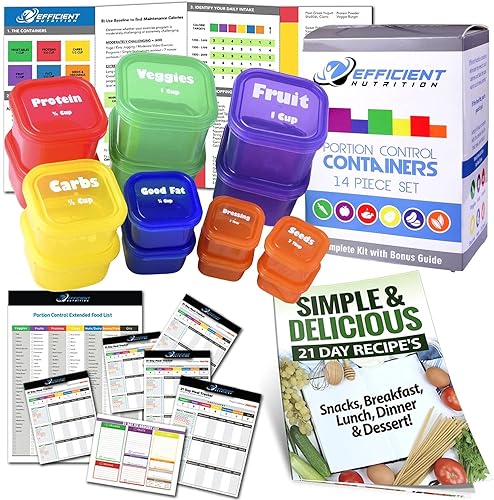
Portion Control Containers
Portion control containers come in different sizes and colors. Each container is designed for a specific food group. For example, one container might hold proteins, another for vegetables. This helps you serve the right amount without guessing. Using these containers simplifies meal prep and reduces overeating.
Apps For Tracking Portions
Tracking apps let you log your meals quickly. They calculate calories and nutrients based on portion size. Many apps have built-in databases with common foods. You can also scan barcodes for quick entry. These apps help maintain awareness of your daily intake and stay within your goals.
Reliable Nutrition Guides
Nutrition guides provide clear information on serving sizes and food groups. Trusted guides come from health organizations or dietitians. They show how much of each food you should eat. Using these guides helps you plan balanced meals and control portions effectively.
Incorporating Exercise
Incorporating exercise into your weight loss plan is essential for better results. Exercise helps burn calories and improves your overall health. It also supports portion control by increasing your energy needs. This balance makes weight loss easier and more sustainable.
Simple Workouts To Complement Diet
Choose workouts that fit your daily routine. Bodyweight exercises like squats, push-ups, and lunges work well at home. Aim for three sets of each exercise. Cardio activities like walking, cycling, or swimming help burn extra calories. Short workouts of 20 to 30 minutes are effective and easy to maintain.
Everyday Movement Tips
Increase your daily movement beyond workouts. Take stairs instead of elevators. Walk or bike for short trips. Stand up and stretch every hour if you work at a desk. These small changes add up and boost your calorie burn. Moving more helps control hunger and improves mood.
Role Of Physical Activity In Weight Loss
Physical activity raises your metabolism and helps you lose fat. It preserves muscle while you lose weight, keeping you strong. Exercise also reduces stress, which can lower emotional eating. Regular activity supports better sleep and boosts energy. Together with portion control, exercise creates a healthy routine for lasting weight loss.

Credit: www.amazon.com
Success Stories
Success stories show how portion control helps real people lose weight. These stories inspire and teach valuable lessons. They prove that small changes lead to big results. Below are examples from everyday individuals, advice from fitness influencers, and key lessons learned through consistent portion control.
Real-life Weight Loss Examples
Many people share how portion control changed their lives. Sarah lost 30 pounds by measuring her meals daily. John cut his dinner size and dropped 25 pounds in four months. These stories highlight that tracking portions creates lasting weight loss. They show it does not require strict diets or expensive plans.
Tips From Fitness Influencers
Fitness influencers recommend simple portion control tips. They suggest using smaller plates to avoid overeating. Some advise dividing meals into protein, carbs, and vegetables for balance. Drinking water before meals helps reduce hunger. Influencers stress consistency over perfection for steady progress.
Lessons From Consistent Portion Control
People who stick to portion control learn important lessons. They find hunger cues become clearer and cravings lessen. They notice more energy and better digestion. Many say they feel less stressed about eating. Consistency builds habits that support weight loss without feeling deprived.

Credit: www.amazon.com
Conclusion
Portion control helps you eat the right amount of food. It supports steady weight loss without feeling hungry. Eating balanced meals keeps your energy stable all day. Drinking enough water also helps control appetite and boosts metabolism. Small, consistent changes create lasting healthy habits.
Remember, simple steps often lead to the best results. Keep practicing portion control, and you will see progress. Stay patient and focus on your wellness journey.