

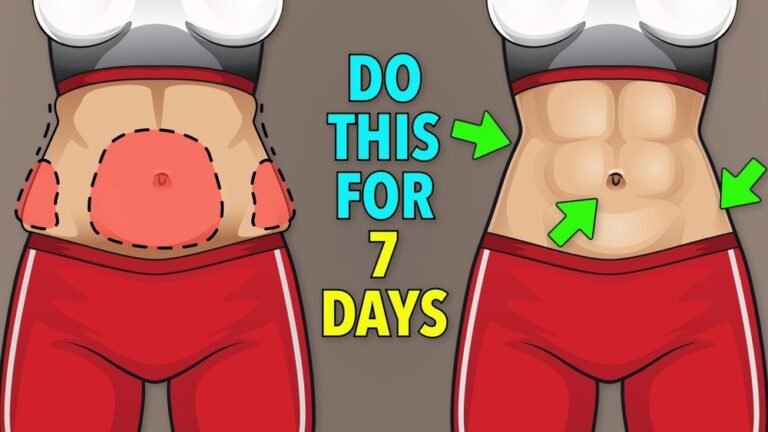
If you’ve been battling stubborn belly fat, you’re not alone—and you’ve probably tried a bunch of tips that didn’t work. The truth is, losing belly fat isn’t just about doing endless sit-ups or skipping meals.
It’s about understanding what really makes a difference and why some popular advice falls flat. You’ll discover exactly what works, what doesn’t, and the science behind it all. Ready to cut through the confusion and finally see results? Keep reading, because this is the guide that will change the way you approach losing belly fat for good.

Credit: breakingac.com
Why Belly Fat Persists
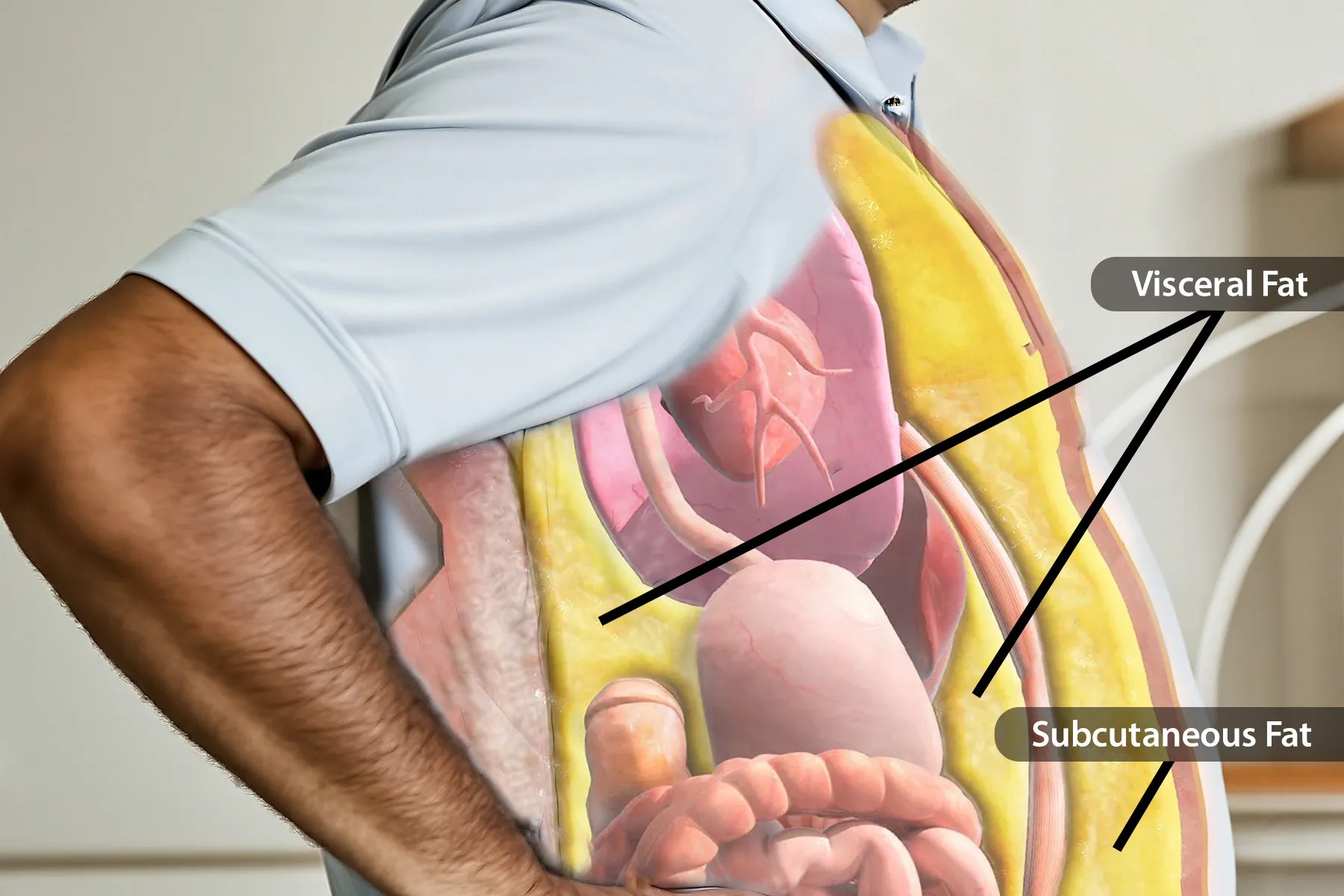
Belly fat is often the hardest to lose. It clings stubbornly despite diet and exercise. Understanding why belly fat persists helps target it better. Several key factors affect its stubbornness. These include hormones, insulin resistance, and genetics. Each plays a unique role in fat storage and loss.
Hormones And Cortisol
Hormones control many body functions, including fat storage. Cortisol, called the stress hormone, affects belly fat directly. High cortisol levels increase fat storage in the belly area. Stress triggers cortisol release, making it harder to lose belly fat. Balancing cortisol through stress management can reduce belly fat.
Insulin Resistance
Insulin helps control blood sugar and fat storage. Insulin resistance means the body’s cells don’t respond well to insulin. This causes more fat to be stored, especially around the belly. High insulin levels encourage the body to hold on to fat. Improving insulin sensitivity helps reduce belly fat over time.
Genetic Factors
Genetics determine how and where your body stores fat. Some people naturally store more fat in their belly. This is due to inherited traits from parents. Genetics can make losing belly fat slower or more difficult. Knowing your genetic tendencies helps create a tailored fat loss plan.
Top Exercises For Belly Fat
Targeting belly fat requires exercises that boost calorie burn and build muscle. Certain workouts focus on fat loss around the midsection effectively. Including these exercises in your routine can speed up belly fat reduction.
High-intensity Interval Training
High-Intensity Interval Training, or HIIT, involves short bursts of intense exercise. Activities like sprints, burpees, and jump squats push your heart rate up quickly. These bursts last 20 to 40 seconds, followed by brief rest periods. HIIT burns a lot of calories fast. It raises your metabolism even after the workout ends. This effect helps reduce belly fat more efficiently than steady exercises.
Strength Training Benefits
Strength training builds lean muscle mass, which burns more calories at rest. Exercises like weight lifting or bodyweight moves improve insulin sensitivity. Better insulin control reduces fat storage, especially around the belly. Muscle also shapes your body and tones the midsection. Adding strength training 2 to 3 times a week supports fat loss and overall fitness.
Aerobic Workouts
Aerobic workouts include moderate activities like brisk walking, running, and swimming. These exercises burn calories and improve heart health. Regular aerobic exercise helps reduce overall body fat, including belly fat. Aim for at least 150 minutes of moderate aerobic activity weekly. Consistency is key for lasting fat loss results.
Diet Tips To Cut Belly Fat
Cutting belly fat starts with smart diet choices. What you eat affects your waistline more than exercise alone. Small changes in eating habits can make a big difference.
Focus on foods that reduce fat storage and keep you full longer. Avoiding certain items and choosing the right meals helps control hunger and energy levels.
Cutting Processed Foods And Sugar
Processed foods often contain added sugars and unhealthy fats. These increase belly fat and cause cravings. Avoid sugary drinks, candies, and fast food. Instead, choose whole foods like fruits, vegetables, and nuts. Reducing sugar lowers insulin spikes, which helps burn fat around the belly.
Focusing On Low-calorie Density Foods
Low-calorie density foods have fewer calories but fill you up. Vegetables, fruits, and lean proteins fall into this group. Eating these helps you eat less without feeling hungry. These foods also improve digestion and reduce bloating, making your belly look slimmer.
Balanced Meals For Blood Sugar Control
Balanced meals include protein, healthy fats, and fiber-rich carbs. This mix keeps blood sugar steady and reduces fat storage. Avoid skipping meals to prevent overeating later. Eating regular, balanced meals helps control hunger and supports belly fat loss.
Lifestyle Habits That Help
Adopting the right lifestyle habits plays a key role in losing belly fat. Small daily actions can affect your body’s ability to burn fat. Focus on habits that reduce stress, improve sleep, and keep you hydrated. These factors support your metabolism and overall health, making fat loss easier and more sustainable.
Stress Management Techniques
Stress triggers the release of cortisol, a hormone linked to belly fat storage. Managing stress lowers cortisol levels and reduces fat buildup. Simple techniques like deep breathing, meditation, or short walks calm the mind. Regular practice helps control emotional eating and improves your body’s fat-burning ability. Avoid constant stress to protect your waistline.
Importance Of Quality Sleep
Sleep affects hormones that regulate hunger and fat storage. Poor sleep increases appetite and cravings for unhealthy foods. Aim for 7 to 9 hours of quality sleep each night. A consistent sleep schedule improves metabolism and energy levels. Better sleep supports muscle recovery and helps reduce belly fat naturally.
Hydration And Metabolism
Water is essential for a healthy metabolism and fat loss. Staying hydrated helps your body burn calories more efficiently. Drinking water before meals can reduce hunger and prevent overeating. Choose water over sugary drinks to avoid extra calories. Keep a water bottle nearby and sip regularly throughout the day.
Combining Exercise And Diet
Combining exercise and diet creates the strongest path to lose belly fat. Exercise burns calories and builds muscle, while diet controls calorie intake and supports metabolism. Together, they help reduce fat more effectively than either alone. The right balance keeps your body healthy and burning fat continuously.
Creating A Balanced Routine
Choose a mix of exercise types for best results. Include strength training, cardio, and flexibility workouts. Strength training builds muscle, cardio burns calories, and flexibility prevents injury. Plan meals with protein, healthy fats, and fiber-rich carbs. Avoid processed foods and sugary snacks. A balanced routine improves energy and fat loss.
How Muscle Boosts Fat Burn
Muscle burns more calories than fat, even at rest. More muscle means a higher resting metabolic rate. Strength training helps build and maintain muscle mass. This boosts overall calorie burn throughout the day. Lean muscle also improves body shape and strength. Focus on lifting weights or bodyweight exercises regularly.
Consistency Over Intensity
Regular exercise beats occasional intense workouts. Small, steady efforts add up to long-term fat loss. Aim for at least 150 minutes of moderate activity weekly. Combine this with daily healthy eating habits. Consistency helps your body adapt and burn fat efficiently. Avoid extreme diets or workouts that you cannot maintain.
Simple Meal Planning Ideas
Simple meal planning can help reduce belly fat by controlling hunger and improving nutrition. Planning meals ahead stops random eating and keeps portions in check. It also makes healthy choices easier and cuts down on unhealthy snacks.
Focus on meals that include a good balance of nutrients. Drinking enough water supports digestion and reduces overeating. Avoiding constant snacking helps the body burn stored fat instead of using quick energy from snacks.
Structured Balanced Meals
Each meal should contain protein, healthy fats, and carbohydrates. Protein helps build muscle and keeps you full longer. Healthy fats like avocado and nuts support hormone balance. Carbohydrates from vegetables and whole grains provide energy without spikes in blood sugar.
Try to eat three meals per day at regular times. Skipping meals can cause overeating later. Balanced meals keep blood sugar stable and reduce cravings. A simple plate could have grilled chicken, steamed veggies, and quinoa.
Hydration Strategies
Drinking water throughout the day supports metabolism and digestion. Start the morning with a glass of water to boost your metabolism. Sometimes thirst feels like hunger, so drinking water can prevent unnecessary eating.
Aim for at least eight cups daily. Herbal teas and water-rich fruits also help hydration. Avoid sugary drinks that add empty calories and increase belly fat.
Avoiding Constant Snacking
Snacking all day keeps insulin levels high, which stores fat around the belly. Instead, focus on eating satisfying meals that keep hunger away for hours. Plan meal times and stick to them to avoid random snacking.
If you need a snack, choose healthy options like nuts or fruit. Avoid processed snacks high in sugar or unhealthy fats. Limiting snacks helps the body use stored fat for energy.
Beginner-friendly Workouts
Starting workouts can feel hard. The good news is many exercises do not need gym machines or fancy gear. Simple workouts can help burn belly fat and improve your overall health. The key is to choose routines that fit your level and keep you motivated.
Beginner-friendly workouts focus on easy moves that build strength and burn calories. These exercises boost your metabolism and help reduce fat around your belly. Consistency is more important than intensity at the start. Small steps lead to big changes over time.
Gym-free Circuit Training
Circuit training combines different exercises done one after another without much rest. It uses your body weight for resistance. Moves like squats, push-ups, and jumping jacks work great. This type of workout raises your heart rate and builds muscle.
You can do circuits at home or outside. Try 3 sets of 8 to 12 reps per exercise. Rest one minute between sets. This method burns fat fast and improves fitness without any equipment.
Tabata Style Exercises
Tabata is a form of high-intensity interval training (HIIT). It uses short bursts of exercise followed by brief rest. For example, 20 seconds of work and 10 seconds of rest repeated 8 times.
Simple moves like squats, mountain climbers, or burpees fit well. Tabata workouts last just 4 minutes but are very effective. They increase calorie burn and boost metabolism even after you finish.
Building Sustainable Habits
Consistency is key to losing belly fat. Choose exercises you enjoy and can do regularly. Start with short sessions and gradually increase time and intensity. Setting a schedule helps make workouts a habit.
Pair workouts with healthy eating and good sleep. Small daily changes add up to lasting results. Focus on progress, not perfection. Over time, your body and mind will thank you.
Credit: www.webmd.com
Belly Fat Loss Benefits
Belly fat loss brings more than just a slimmer waist. It improves overall health and boosts confidence. Reducing belly fat lowers risks of heart disease, diabetes, and other chronic illnesses. The benefits go beyond appearance. Feeling lighter and more energetic is common after shedding belly fat.
Understanding these benefits helps stay motivated. Small changes can lead to big health improvements. Focus on what supports your body best for lasting results.
Metabolic Support From Nutrition
Eating the right foods helps speed up metabolism. Balanced meals with protein, fiber, and healthy fats keep you full longer. This reduces overeating and helps burn fat efficiently. Avoiding processed foods lowers inflammation and insulin spikes, which often cause belly fat. Good nutrition fuels your body and supports fat loss naturally.
Simplicity And Consistency
Simple habits are easier to keep over time. Consistent actions, like regular exercise and healthy meals, add up. Avoid complicated diets or extreme routines that cause burnout. Small, steady steps create lasting changes. Consistency beats intensity for belly fat loss and overall health.
Forming Lasting Healthy Habits
Building habits helps maintain belly fat loss long term. Focus on daily routines such as walking, meal prepping, or mindful eating. These habits become automatic and reduce stress around food and exercise. Healthy routines keep your metabolism stable and support a balanced lifestyle. Over time, they make fat loss easier and more natural.
Reducing Belly Fat In Children
Reducing belly fat in children requires a gentle and supportive approach. Childhood is a crucial time for developing healthy habits that last a lifetime. Parents and caregivers play a key role in shaping these habits. Focus on creating a positive environment that encourages healthy choices without pressure or fear. Small changes can lead to big improvements in a child’s health and confidence.
Balanced Diet For Kids
Provide children with a variety of foods from all food groups. Include fruits, vegetables, whole grains, lean proteins, and dairy. Limit sugary snacks, fast foods, and sugary drinks. Serve smaller portions and avoid forcing children to clean their plates. Encourage drinking water instead of soda or juice. Balanced meals help control hunger and provide steady energy throughout the day.
Encouraging Physical Activity
Physical activity helps burn calories and build strong muscles. Children should get at least 60 minutes of activity each day. Make exercise fun with games, sports, or family walks. Limit screen time to reduce sedentary behavior. Active play improves mood and supports healthy growth. Find activities that children enjoy to keep them motivated and moving regularly.
Healthy Lifestyle Habits
Good sleep supports weight management and overall health in children. Set regular bedtimes and create a calming bedtime routine. Teach children to manage stress with simple techniques like deep breathing or talking. Avoid using food as a reward or comfort. Model healthy habits by eating well and staying active as a family. Consistency and patience help children build lifelong healthy routines.
Credit: www.ctcd.edu
Conclusion
Losing belly fat takes time, effort, and smart choices. Focus on regular exercise, like HIIT and strength training. Eat foods that are low in calories but filling. Avoid processed snacks and sugary drinks. Manage stress and get enough sleep each night.
Small, steady changes work better than quick fixes. Stay patient and consistent to see real results. Your body will thank you for healthy habits. Keep going—you are making progress every day.