
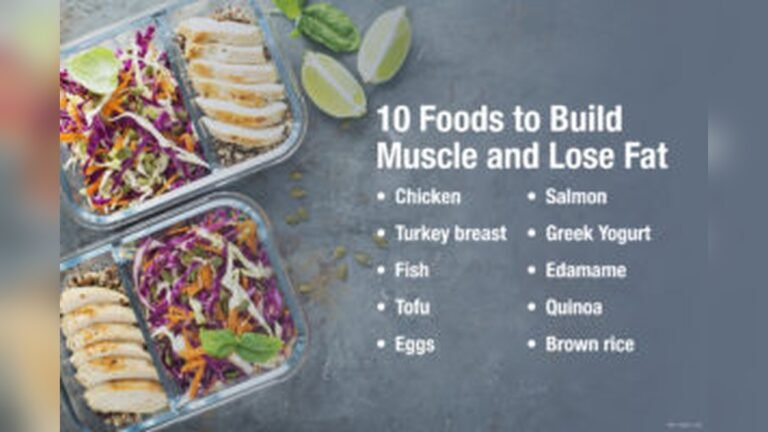
Many people dream of having a body that is both lean and strong. But building muscle while burning fat can seem confusing. The secret is not just hard workouts—it’s also about eating the right foods. Some foods help your body use fat for energy and support muscle growth at the same time.
Understanding which foods help most can make your journey much easier.
If you want to lose fat and gain muscle, you need more than just protein shakes and salads. The right foods give your body the fuel it needs to recover, build new muscle, and keep your metabolism active. Many beginners think it’s all about eating less, but the truth is, eating smart is much more powerful.
Making simple changes in your meals can speed up your results and help you feel more energetic every day.
In this guide, you’ll discover which foods really help burn fat and build muscle, how they work inside your body, and how to use them in your daily meals. You’ll also learn practical tips, common mistakes to avoid, and answers to the top questions people ask about this topic.
How Food Choices Affect Fat Burning And Muscle Building
Before you start changing your diet, it’s important to know how certain foods affect your body. Not all calories are equal. For example, protein-rich foods help repair and grow muscle, while some fats boost hormones that help with fat loss. Carbohydrates can give you the energy to train harder and recover faster.
Your body needs a mix of nutrients to burn fat and build muscle:
- Protein: Repairs and builds muscle tissue after exercise.
- Healthy fats: Support hormones and help your body use stored fat for energy.
- Complex carbs: Give steady energy for workouts and muscle recovery.
- Vitamins and minerals: Keep your metabolism and muscles working well.
Eating the right foods at the right times helps your body use more fat for energy and build muscle efficiently. But simply eating less is not enough—your body needs enough fuel to recover and grow.
Top Foods That Burn Fat And Build Muscle
Let’s look at the foods that help most with fat loss and muscle growth. These foods are backed by research and used by athletes, bodybuilders, and trainers around the world.
1. Eggs
Eggs are one of the most complete foods for building muscle. They have all nine essential amino acids, which your body needs to repair and grow muscle. The egg yolk contains important vitamins, healthy fats, and choline, which supports metabolism.
Some people avoid yolks because of cholesterol, but studies show that eating whole eggs can actually help with muscle gain and fat loss, especially after workouts.
2. Chicken Breast
Chicken breast is famous for being lean and high in protein. A 100-gram serving has about 31 grams of protein and only a small amount of fat. The low fat content makes it easier to control calories while getting enough protein for muscle growth. It’s easy to cook and works in many dishes, making it a favorite for meal prep.
3. Greek Yogurt
Greek yogurt is packed with protein (almost twice as much as regular yogurt) and contains casein, which digests slowly. This means it feeds your muscles for hours after you eat it. Greek yogurt also has probiotics, which help your digestion and can reduce bloating—a common problem for people trying to get lean.
4. Salmon
Salmon is rich in omega-3 fatty acids. These healthy fats are proven to support fat loss, especially belly fat, and help your body recover from hard exercise. Salmon is also a great source of protein, vitamin D, and B vitamins, all of which help with muscle growth. Eating salmon twice a week is a smart way to balance muscle building with fat burning.
5. Lean Beef
Lean beef is packed with creatine, iron, and zinc, which support muscle strength and energy. The high-quality protein helps rebuild muscle after workouts, and the nutrients in beef support metabolism. Choose lean cuts like sirloin or tenderloin to get the benefits without too much fat.
6. Quinoa
Many people think you need to eat meat for muscle. But quinoa is a plant-based grain that has all essential amino acids, making it a complete protein source. It’s also high in fiber, which slows digestion and keeps you full—helpful for fat loss. Quinoa gives you energy for workouts and helps repair muscle, making it a smart choice for vegetarians and vegans.
7. Cottage Cheese
Cottage cheese is high in casein protein, which is slowly digested. This makes it perfect before sleep, as it gives your muscles amino acids overnight. It’s also low in fat and calories, making it a good option for those watching their weight.
8. Oats
Oats are a slow-digesting carbohydrate, which means they give you steady energy without spiking your blood sugar. They also have fiber that helps control hunger and support gut health. Eating oats before workouts can give you the energy to train hard and recover faster.
9. Lentils
Lentils are a plant-based powerhouse. They are high in protein, fiber, and important minerals like iron and magnesium. Lentils are low in fat but help keep you full, making them ideal for fat loss and muscle building.
10. Tuna
Tuna is lean, high in protein, and very low in fat. It’s also a good source of vitamin B12 and selenium, which help your body use energy and recover from exercise. Tuna is easy to add to salads, wraps, or meals for a quick protein boost.
11. Brown Rice
Brown rice is a whole grain, which means it digests slowly and gives lasting energy. It’s a good source of magnesium, which helps muscles contract and relax. Eating brown rice with protein helps your body use both nutrients more efficiently.
12. Avocado
Avocado contains monounsaturated fats, which support fat loss and hormone production. It’s also rich in potassium, fiber, and vitamins that help muscles recover. Adding avocado to meals can help you feel satisfied and keep cravings under control.
13. Almonds
Almonds have healthy fats, protein, and vitamin E, which is an antioxidant that helps muscles recover. They also help control hunger, making them a smart snack for people trying to lose fat.
14. Broccoli
Broccoli is low in calories but high in fiber, vitamins, and minerals. It helps your body process food more efficiently and supports your immune system, which is important for muscle recovery. The fiber in broccoli also helps reduce hunger.
15. Sweet Potatoes
Sweet potatoes are a great source of complex carbs and beta-carotene, which helps with recovery and immune health. They digest slowly and keep your energy steady, making them perfect before or after workouts.
16. Turkey Breast
Turkey breast is another lean protein option. It’s lower in fat than chicken and provides important nutrients like selenium, which supports your metabolism and immune system. Eating turkey helps you build muscle without extra calories.
17. Spinach
Spinach is high in nitrates, which improve blood flow to your muscles and support exercise performance. It also has iron, magnesium, and antioxidants that help your body recover and stay healthy.
18. Chia Seeds
Chia seeds are loaded with fiber, protein, and omega-3 fats. They help control hunger and provide energy for workouts. When mixed with liquid, chia seeds expand, keeping you full for longer—useful for fat loss.
19. Whey Protein
Whey protein is one of the most studied supplements for muscle growth. It digests quickly, making it perfect after workouts. Whey provides all essential amino acids and helps support fat loss by keeping you full and preserving muscle during a calorie deficit.
20. Berries
Berries like blueberries, strawberries, and raspberries are low in sugar but high in antioxidants and fiber. They help reduce inflammation, support recovery, and control hunger. Berries make a great snack or addition to oatmeal, yogurt, or shakes.

Credit: astorianhotels.com
How These Foods Help Your Body Burn Fat And Build Muscle
Understanding why these foods work helps you build a better meal plan. Here’s a closer look at what makes these foods special:
- Protein sources (like eggs, chicken, Greek yogurt, beef, lentils, tuna, turkey, cottage cheese, whey) give your muscles the building blocks they need to repair and grow. Eating enough protein also increases your metabolism because your body uses more energy to digest it.
- Healthy fats (found in salmon, avocado, almonds, chia seeds) help your body use stored fat for energy and keep your hormones balanced. Hormones like testosterone and growth hormone are needed for muscle growth and fat loss.
- Complex carbohydrates (such as oats, quinoa, brown rice, sweet potatoes) fuel your workouts and help your muscles recover. They also prevent muscle breakdown, which is important when trying to lose fat.
- Fiber and micronutrients (from vegetables, berries, seeds, and nuts) support digestion, reduce inflammation, and keep your metabolism healthy.
Some people think eating more fat will make them gain fat. In reality, the right kinds of fat help your body burn more fat and build muscle. For best results, combine these foods with regular exercise and enough sleep.
Best Times To Eat For Fat Loss And Muscle Gain
When you eat is almost as important as what you eat. Here are some simple guidelines:
- Before exercise: Eat a small meal with protein and complex carbs (like chicken and sweet potato or Greek yogurt with oats) 1–2 hours before your workout. This gives you energy and helps your muscles recover.
- After exercise: Have a meal with protein and some carbs (like whey protein and banana or salmon with rice) within 1 hour after your workout. This helps your muscles repair and grow.
- Before sleep: Eat a slow-digesting protein (like cottage cheese or Greek yogurt) to feed your muscles overnight.
- Snacks: Choose high-protein or high-fiber snacks (such as almonds, berries, or chia pudding) to keep hunger under control.
Tip: Don’t skip meals. Skipping meals can slow your metabolism and make it harder to lose fat.
Common Mistakes To Avoid
Many people make simple mistakes that slow down their progress. Here’s how to avoid them:
- Relying only on supplements: Real food is more complete than powders and pills. Use supplements to fill gaps, not as your main source of nutrients.
- Cutting out all carbs: Your body needs carbs for energy, especially during intense workouts. Focus on healthy carbs like oats and sweet potatoes instead of processed foods.
- Eating too little fat: Healthy fats are needed for hormone production. Cutting out fats completely can hurt your progress.
- Not eating enough protein: Most beginners eat less protein than needed. Aim for at least 1.6–2.2 grams per kilogram of body weight per day for best results.
- Ignoring fiber: Fiber helps control hunger and supports digestion. Don’t skip vegetables, fruits, and whole grains.
- Not drinking enough water: Muscle growth and fat loss both require good hydration. Drink water throughout the day, especially before and after workouts.
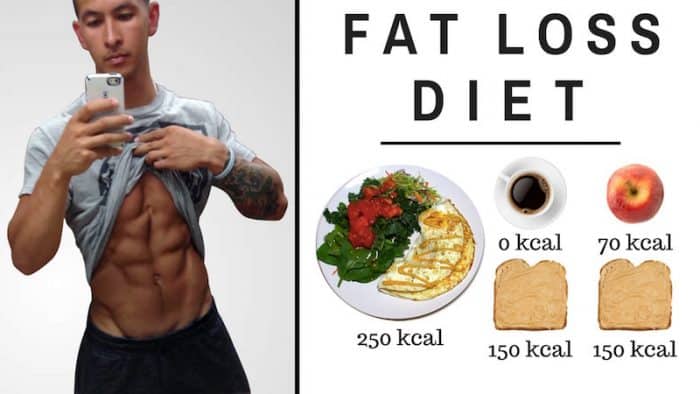
Sample Meal Plan For Burning Fat And Building Muscle
Here’s a simple daily meal plan using the foods discussed above. This plan works for most people, but you can adjust portions based on your calorie needs.
Breakfast
- Scrambled eggs with spinach and a slice of whole-grain toast
- Greek yogurt with berries
Morning Snack
- A handful of almonds
- A small apple
Lunch
- Grilled chicken breast
- Quinoa salad with broccoli and avocado
Afternoon Snack
- Cottage cheese with chia seeds
Dinner
- Baked salmon
- Brown rice
- Steamed sweet potatoes and broccoli
Before Bed
- Low-fat cottage cheese or Greek yogurt
This plan provides a balance of protein, healthy fats, and complex carbs at each meal, supporting both muscle building and fat loss.
Credit: builtwithscience.com
Comparing Popular Foods For Muscle And Fat Loss
To help you choose which foods to focus on, here’s a comparison of the protein, fat, and carb content of common foods:
| Food | Protein (g/100g) | Fat (g/100g) | Carbs (g/100g) | Calories (kcal/100g) |
|---|---|---|---|---|
| Chicken Breast | 31 | 3.6 | 0 | 165 |
| Salmon | 20 | 13 | 0 | 208 |
| Eggs | 13 | 10 | 1 | 143 |
| Greek Yogurt | 10 | 0.4 | 3.6 | 59 |
| Quinoa (cooked) | 4.1 | 1.9 | 21.3 | 120 |
| Lentils (cooked) | 9 | 0.4 | 20 | 116 |
| Almonds | 21 | 49 | 22 | 579 |
This table shows how some foods are higher in protein but lower in fat, while others are more balanced. Choose foods that fit your daily calorie and nutrient needs.
Which Foods To Combine For Best Results
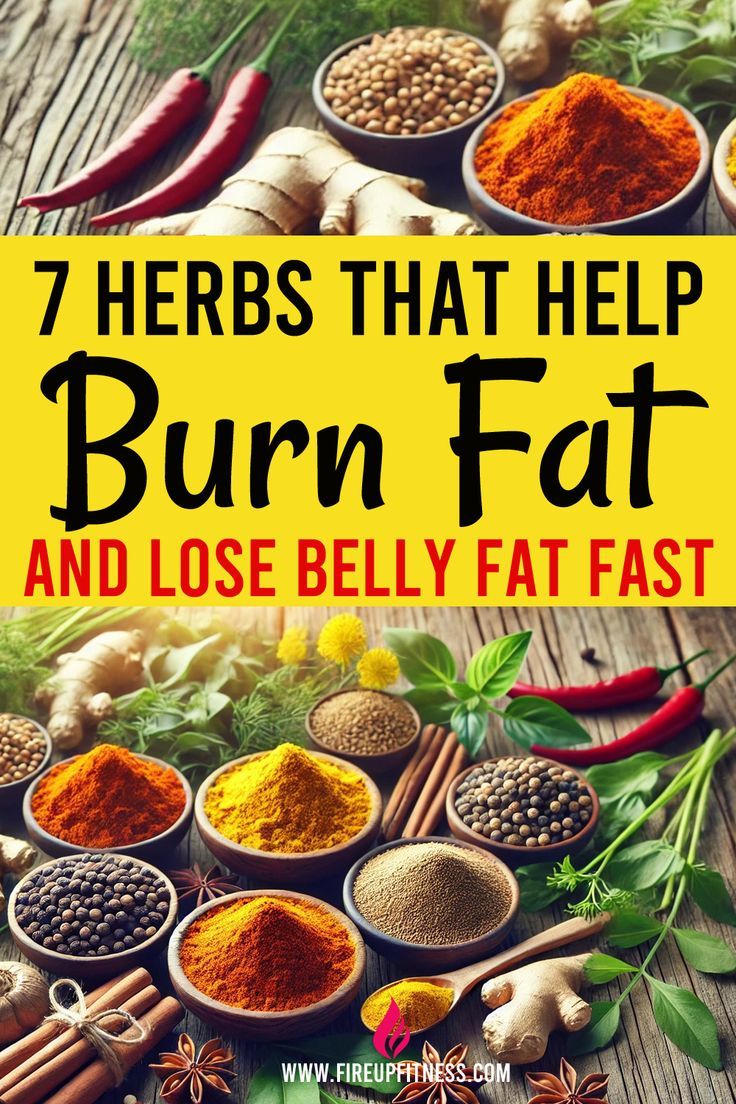
Combining certain foods can give even better results. Here are some examples of food pairings that help you burn fat and build muscle:
- Oats + Greek Yogurt + Berries: A mix of complex carbs, protein, and antioxidants.
- Chicken Breast + Brown Rice + Broccoli: Classic meal for muscle growth and steady energy.
- Salmon + Quinoa + Spinach: Healthy fats, protein, and vitamins for recovery.
- Eggs + Sweet Potato: Perfect post-workout meal with protein and carbs.
- Cottage Cheese + Chia Seeds + Almonds: Slow-digesting protein, healthy fats, and fiber for a satisfying snack.
Pairing protein with complex carbs helps your body use both nutrients efficiently and keeps your energy levels stable.
Credit: dev.catalog.calpia.ca.gov
How To Build Your Own Meal Plan
Everyone’s needs are different, so learning how to build your own meal plan is important. Here’s a simple method:
- Start with protein at each meal (chicken, eggs, Greek yogurt, fish, beans, or cottage cheese).
- Add complex carbs for energy (oats, quinoa, brown rice, sweet potatoes, or lentils).
- Include healthy fats (avocado, almonds, salmon, or chia seeds) in moderate amounts.
- Fill half your plate with vegetables (broccoli, spinach, mixed greens) for fiber and nutrients.
- Snack on high-protein or high-fiber foods to control hunger between meals.
A good rule is to eat 4–6 smaller meals per day instead of 2–3 large ones. This helps keep your metabolism active and supports muscle recovery.
The Role Of Exercise With These Foods
Eating the right foods is powerful, but exercise is still key to burning fat and building muscle. Resistance training (like weight lifting or bodyweight exercises) helps your body use the protein you eat to build muscle. Cardio (like walking, running, or cycling) burns calories and helps with fat loss.
Here’s how exercise and food work together:
- After strength workouts, your muscles are ready to grow—eating protein and carbs helps them recover faster.
- Cardio sessions use carbs and fat for energy—eating balanced meals helps you perform better and recover.
- Rest days: Eat slightly less carbs, but keep protein high to protect your muscle.
People sometimes think they need to eat much less on rest days, but your body is still repairing and building muscle—so keep your meals balanced.
Data: How Much Protein, Carbs, And Fat Do You Need?
Here’s a simple comparison of daily needs for someone trying to burn fat and build muscle (based on a 70 kg person):
| Goal | Protein (g) | Carbs (g) | Fat (g) | Total Calories |
|---|---|---|---|---|
| Muscle Gain | 120–154 | 210–280 | 56–70 | 2200–2500 |
| Fat Loss | 120–154 | 140–200 | 50–65 | 1800–2000 |
Your numbers may be higher or lower based on your body size, activity level, and goals. Adjust these numbers as you progress.
Two Insights Beginners Often Miss
- Not all protein is equal: Animal-based proteins (like eggs, chicken, and fish) are usually more complete, but combining plant sources (like lentils and quinoa) can provide all the amino acids you need. Mixing both in your diet often gives the best results.
- Meal timing matters: Eating most of your carbs around your workouts helps your body use them for energy and recovery, instead of storing them as fat. Many people see better results by focusing carbs before and after exercise, and eating more protein and vegetables at other times.
Practical Tips For Faster Results
- Prep meals ahead: Cooking in batches (like grilling chicken or making a large quinoa salad) saves time and keeps you on track.
- Keep healthy snacks ready: Almonds, Greek yogurt, or boiled eggs are easy to grab when you’re hungry.
- Read labels: Many “health foods” have added sugar or unhealthy fats. Choose whole foods when possible.
- Listen to your body: If you feel tired or are not recovering, you may need more calories or different foods.
- Track your progress: Use a notebook or app to watch how your body changes. Adjust your meals if you’re not seeing results.
Frequently Asked Questions
What Is The Best Food To Eat After A Workout To Burn Fat And Build Muscle?
The best post-workout food is a combination of fast-digesting protein (like whey protein or eggs) and some carbohydrates (like a banana or sweet potato). This helps your muscles recover and refills your energy stores, supporting muscle growth and fat loss.
Can I Build Muscle And Lose Fat At The Same Time?
Yes, it’s possible, especially for beginners or people returning after a break. Focus on eating enough protein, keep a slight calorie deficit, and do resistance training. Over time, your body will use stored fat for energy while building new muscle.
How Much Protein Should I Eat Each Day?
Aim for 1.6–2.2 grams of protein per kilogram of body weight per day. For a 70 kg person, this means 112–154 grams daily. Spread your protein across all meals for best results.
Are Supplements Necessary To Burn Fat And Build Muscle?
Supplements are not required, but whey protein can make it easier to meet your daily protein goals. Focus on real foods first, and use supplements only if you have gaps in your diet.
Where Can I Learn More About Nutrition For Muscle And Fat Loss?
A good resource is the Academy of Nutrition and Dietetics, which offers practical guides and research-backed tips for athletes and active people.
Eating the right foods can make a huge difference in burning fat and building muscle. Focus on quality proteins, healthy fats, and complex carbs, and combine them with smart training and recovery for the best results. Start making small changes today, and you’ll see progress faster than you think.