

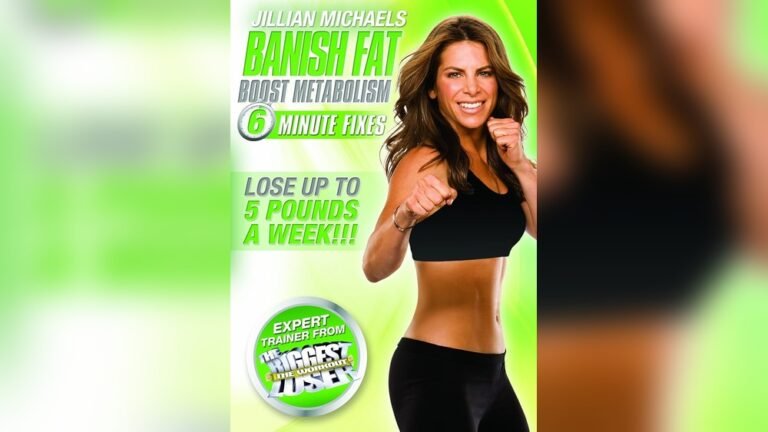
Banish Fat Boost Metabolism: The Complete Guide
Feeling stuck with stubborn fat and slow energy? You’re not alone. Many people struggle to lose weight and keep it off, often blaming their metabolism. But what if you could actually speed up your metabolism and make fat loss easier? The truth is, you can do a lot to help your body burn more calories—even while you rest.
This guide shows you how to banish fat and boost metabolism naturally, using science-backed methods and simple changes. We’ll cover the basics of metabolism, the best foods and habits for fat burning, and smart strategies for lasting results. You’ll learn why quick fixes don’t work, and what really makes a difference for both weight loss and your health.
Forget myths and empty promises. Here, you’ll find real advice that fits your life, no matter your age or starting point.
Understanding Metabolism
Before you can boost your metabolism, you need to know what it is. Metabolism is the process your body uses to turn food into energy. Even when you’re not moving, your body is burning calories to keep your heart beating, lungs working, and cells alive. This is called your basal metabolic rate (BMR).
Your metabolism depends on several things:
- Age: It slows down as you get older.
- Muscle mass: More muscle means a higher BMR.
- Genetics: Some people naturally burn calories faster.
- Activity level: The more you move, the more you burn.
Many believe their metabolism is “broken” or “too slow” to lose weight. But for most people, small changes can make a big impact. The key is not just dieting, but boosting your metabolism so your body works for you, not against you.
Why Fat Sticks Around
Fat is not just about how much you eat. It’s about how your body handles energy. If you eat more calories than you burn, your body stores the extra as fat. But your metabolism controls how quickly you burn those calories.
There are reasons fat can be hard to lose:
- Diets can slow your metabolism if you eat too little.
- Sitting for long periods lowers fat burning.
- Stress and lack of sleep raise hormones that store fat.
Knowing these facts helps you tackle fat loss from the right angle—not just by cutting calories, but by making your metabolism more efficient.

Credit: www.amazon.com
Key Strategies To Banish Fat And Boost Metabolism
Let’s break down the most effective ways to speed up your metabolism and burn fat. Each strategy is based on research and real-world results.
1. Build More Muscle
Muscle is your metabolism’s best friend. Each pound of muscle burns about 6 calories a day, even when you’re resting. That adds up over time.
Strength training (like lifting weights or using resistance bands) increases muscle mass. You don’t need to become a bodybuilder—just 2-3 sessions per week can make a big difference. Even bodyweight exercises such as squats, pushups, and lunges help.
Example: A person who adds 5 pounds of muscle can burn an extra 30 calories daily, or about 900 calories a month—without doing anything extra.
2. Eat Enough Protein
Protein helps you feel full, supports muscle building, and makes your body work harder to digest food. This is called the thermic effect of food (TEF).
When you eat protein, about 20-30% of its calories are used for digestion. Compare that to carbs (5-10%) and fat (0-3%).
Aim for:
- 1.2 to 2.0 grams of protein per kilogram of body weight per day (e.g., 80–130g for someone who weighs 65kg).
- Include protein at every meal: Eggs, chicken, fish, beans, tofu, Greek yogurt.
| Food | Protein (per 100g) | Calories |
|---|---|---|
| Chicken breast | 31g | 165 |
| Lentils (cooked) | 9g | 116 |
| Eggs | 13g | 155 |
| Greek yogurt | 10g | 59 |
3. Move More All Day
You don’t need a gym for better metabolism. Small movements during the day, like standing, walking, or stretching, add up. This is called non-exercise activity thermogenesis (NEAT).
Try:
- Taking the stairs instead of the elevator.
- Walking during phone calls.
- Doing chores with more energy.
- Setting a timer to stand up every hour.
Studies show that people with high NEAT can burn 300–2,000 more calories daily than those who sit all day.
4. Try High-intensity Interval Training (hiit)
HIIT involves short bursts of intense activity, followed by rest. For example, 30 seconds of fast cycling, then 1 minute slow, repeat for 15–20 minutes.
HIIT is powerful because it:
- Burns a lot of calories in less time.
- Keeps your metabolism high for hours after exercise (the “afterburn” effect).
- Improves heart health and endurance.
You can do HIIT with running, biking, jumping jacks, or bodyweight moves. Start with 1–2 sessions a week and increase as you get fitter.
5. Drink More Water
Water is essential for all your body’s processes, including burning fat. Studies show that drinking 500 ml of water can boost metabolism by 10–30% for about an hour.
Drinking cold water may help even more, as your body uses energy to warm it up. Plus, water helps you feel full, so you may eat less.
Tip: Aim for 2–3 liters a day. Drink a glass before each meal for best results.
6. Don’t Skip Meals
Skipping meals can backfire. When you go too long without food, your body slows down metabolism to save energy. This can make fat loss harder.
Instead, eat regular meals and healthy snacks. This keeps your blood sugar stable, reduces cravings, and helps you stay energized.
If you’re busy, plan simple snacks like nuts, fruit, or yogurt. Avoid long gaps between meals.
7. Get Enough Sleep
Sleep is when your body recovers and balances hormones. Lack of sleep raises hunger hormones and lowers fat-burning hormones. People who sleep less than 6 hours a night often have higher body fat and slower metabolism.
Aim for 7–9 hours of quality sleep. Stick to a regular schedule, keep your room dark and cool, and avoid screens before bed.
8. Manage Stress
Chronic stress increases cortisol, a hormone that makes your body store more fat—especially around the belly.
Simple stress-busters:
- Deep breathing or meditation for 5–10 minutes a day.
- Walking in nature.
- Writing down your thoughts.
- Talking with friends or family.
Managing stress helps your body burn fat more easily and keeps your metabolism working well.
9. Eat Spicy Foods
Spicy foods like chili peppers contain capsaicin, a compound that can boost metabolism slightly. Some studies suggest that eating spicy foods can burn about 50 extra calories per day.
Try adding chili flakes, hot sauce, or jalapeños to meals. It won’t replace exercise, but every bit helps.
10. Drink Green Tea Or Coffee
Both green tea and coffee can increase metabolism thanks to caffeine and other compounds.
- Green tea: Contains catechins, which help burn more fat during exercise.
- Coffee: Boosts energy and fat burning for a few hours.
Limit yourself to 2–4 cups a day to avoid jitters or sleep problems.
11. Balance Your Carbs
Carbs are not the enemy, but the type and timing matter. Simple sugars spike your blood sugar, then cause crashes and cravings.
Choose whole grains, beans, fruits, and vegetables. These provide energy without big spikes.
Eating carbs after exercise or in the morning helps your body use them for fuel, not fat storage.
12. Watch Your Fats (but Don’t Fear Them)
Not all fats are bad. Healthy fats like those in avocado, nuts, and olive oil help you feel full and support hormone balance.
Trans fats (in processed foods) slow metabolism and increase belly fat. Focus on natural sources, not fried or packaged foods.
13. Time Your Meals Wisely
Some research shows that eating earlier in the day helps your body burn more calories. Your metabolism is naturally higher in the morning and afternoon.
Try:
- Eating a good breakfast with protein and fiber.
- Having your biggest meal at lunch, not dinner.
- Avoiding heavy meals late at night.
14. Avoid Crash Diets
Very low-calorie diets (below 1,200 calories for women, 1,500 for men) can slow metabolism by up to 23%. You’ll lose weight fast—but mostly muscle, not just fat.
When you eat normally again, your body stores more fat. Instead, aim for slow, steady loss: about 0.5–1kg per week.
15. Use Smart Supplements (if Needed)
Most fat-burning pills don’t work or have side effects. But some supplements may help a little, especially if you have a deficiency.
- Vitamin D: Low levels slow metabolism.
- Iron: Needed for energy production.
- Magnesium: Supports muscle and nerve function.
Always check with your doctor before taking supplements. Food is the best source for most nutrients.
Common Mistakes That Slow Metabolism
Many people unknowingly harm their metabolism. Here are mistakes to avoid:
- Eating too little for too long: Your body adapts and burns fewer calories.
- Not enough protein: Muscle loss slows metabolism.
- Lack of strength training: Cardio alone is not enough.
- Too much sitting: Even with a workout, sitting all day is harmful.
- Ignoring sleep and stress: These matter as much as diet and exercise.
Recognizing these traps is the first step to long-term fat loss.
Real-life Examples And Success Stories
It helps to see how these strategies work in real life.
- Maria, age 42, lost 15kg in 8 months by adding 2 strength sessions per week, eating more protein, and walking after meals. She noticed her cravings dropped, and she slept better.
- Sam, age 29, stalled with just cardio. After switching to HIIT and increasing his sleep, he lost 6cm from his waist in 3 months—without cutting more calories.
- Ayesha, age 35, struggled with stress eating. Practicing deep breathing and writing a gratitude journal reduced her stress and helped her lose 7kg slowly but steadily.
The key? Consistency, not perfection. Each positive habit made their bodies burn more fat, even when they weren’t “dieting. “
Comparing Popular Methods To Boost Metabolism
Many methods claim to boost metabolism. Here’s how some common strategies compare in effectiveness:
| Method | Calories Burned (per session) | Duration | Long-Term Impact |
|---|---|---|---|
| HIIT workout | 200–400 | 20 min | High |
| Strength training | 150–300 | 30 min | Very High (muscle building) |
| Brisk walking | 100–150 | 30 min | Moderate |
| Drinking water | 20–30 | 500ml | Low (but cumulative) |
Strength training and HIIT have the biggest impact, especially over time. Small habits like drinking water and walking add up if you do them daily.
How Hormones Affect Fat And Metabolism
Your metabolism is closely linked to hormones. Here’s what matters:
- Thyroid hormones: Control your overall metabolic rate. Low thyroid slows metabolism.
- Insulin: Helps your body use sugar. Too much causes fat storage.
- Leptin and ghrelin: Control hunger and fullness. Poor sleep and stress disrupt these.
- Cortisol: Increases with stress, makes you store more fat.
Balancing hormones is about healthy habits, not magic foods or pills. Good sleep, regular meals, and exercise help your hormones work for you.
Practical Daily Plan To Boost Metabolism
It’s easy to feel overwhelmed. Start with a simple plan you can follow:
Morning:
- Drink a glass of water as soon as you wake up.
- Have a protein-rich breakfast (e.g., eggs, yogurt, or beans).
- Move your body: Stretch or take a brisk walk.
Afternoon:
- Eat a balanced lunch with protein, healthy fat, and vegetables.
- Try a short HIIT or strength session.
- Stand up or walk for 5 minutes every hour.
Evening:
- Have a lighter dinner, not too close to bedtime.
- Do a relaxing activity (read, meditate, deep breathing).
- Aim for 7–9 hours of sleep.
Snack ideas: Greek yogurt, boiled eggs, nuts, fruit, hummus with veggies.
Small, consistent actions make the biggest difference.

Credit: play.google.com
Two Insights Most Beginners Miss
- Focus on muscle, not just the scale: Many people only look at weight, but muscle is key. Even if your weight changes slowly, losing fat and gaining muscle means better health, more energy, and a higher metabolism.
- Metabolism is flexible: You can speed it up or slow it down based on your habits. Even if you have “bad genetics,” regular strength training, enough protein, and less sitting can make a huge difference over months.
Keeping Results For Life
Short-term diets don’t last. The real goal is to make fat burning and a fast metabolism part of your lifestyle.
Tips for lasting success:
- Find activities you enjoy (dancing, swimming, hiking).
- Cook simple, healthy meals at home most days.
- Make sleep and stress management as important as exercise.
- Track your progress with photos, energy levels, and how your clothes fit—not just weight.
It’s not about perfection. It’s about building habits that stick.
When To Get Medical Help
Sometimes, slow metabolism or weight gain has a medical cause:
- Unexplained weight gain
- Extreme fatigue
- Hair loss
- Feeling cold all the time
See a doctor if you have these symptoms. Conditions like hypothyroidism or hormonal imbalances need professional care.
Myths About Metabolism And Fat Loss
There’s plenty of bad advice out there. Here are some common myths:
- “Eating after 7 pm makes you gain weight.” It’s total calories and habits that matter most.
- “You can’t change your metabolism.” Habits can boost it, even if genetics play a role.
- “Fat-burning pills are the answer.” Most are unproven and unsafe. Lifestyle wins every time.
- “Carbs make you fat.” The type and amount matter more than carbs themselves.
Understanding the facts saves you time, money, and frustration.
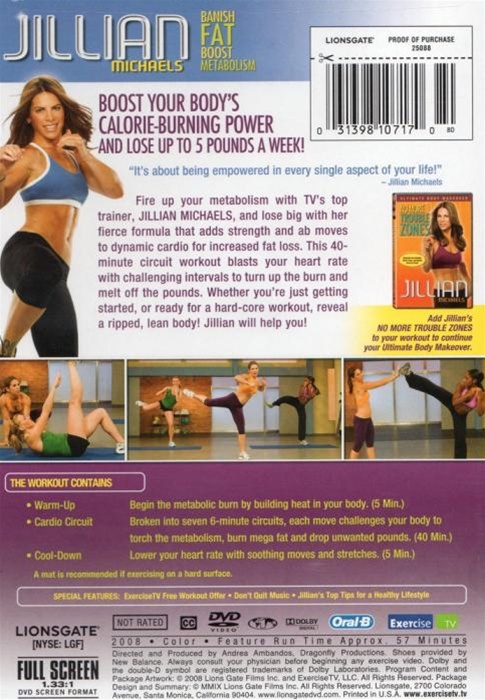
Credit: www.workoutdvdworld.com.au
Useful Tools To Track Progress
Staying motivated can be hard. Use these tools to keep going:
- Food diary apps: Track protein, water, and calories (e.g., MyFitnessPal).
- Step counters: Aim for at least 7,000–10,000 steps a day.
- Strength logs: Write down your workouts to see progress.
- Progress photos: Visual changes often show before the scale moves.
Tracking helps you spot what works and keeps you honest.
How Age, Gender, And Lifestyle Affect Metabolism
Your metabolism changes over time and is different for everyone.
- Age: It naturally slows after 30, mostly due to muscle loss. Staying active keeps it higher.
- Gender: Men usually have higher muscle mass, so burn more calories at rest. Women can match this with strength training.
- Lifestyle: Sitting a lot, eating poorly, or not sleeping well all lower metabolism. Small changes help at any age.
The good news? It’s never too late to start.
| Factor | Effect on Metabolism | How to Improve |
|---|---|---|
| Age (over 40) | Slower (mainly muscle loss) | More strength training, protein |
| Sitting often | Lower calorie burn | Stand, move every hour |
| Poor sleep | Disrupted hormones, higher fat storage | 7–9 hours quality sleep |
Reliable Resources For More Information
For those who want to learn more, check out trusted sources like the Mayo Clinic. They offer science-based tips for a healthy metabolism and weight loss.
Frequently Asked Questions
How Long Does It Take To Boost Metabolism?
Changes can start in as little as a week, but real results take 2–3 months of steady habits. Muscle building and better sleep show benefits over time.
Can I Boost My Metabolism Without Exercise?
Yes, but exercise is the most powerful way. Eating enough protein, staying hydrated, and moving more during daily life also help.
Do Metabolism Boosters Like Green Tea And Spicy Foods Really Work?
They can help a little—burning 30–50 extra calories a day. But they are not magic. Combined with exercise and good eating, they add up.
Will Eating Small, Frequent Meals Speed Up My Metabolism?
Not for everyone. What matters more is total calories and protein. Some people do better with 3 meals, others with 5–6 small meals.
What If My Metabolism Is Slow Because Of A Health Problem?
If you suspect a medical issue, like thyroid problems, see your doctor. Most people can boost metabolism with lifestyle changes, but some need medical help.
Every body is different, but with the right steps, you can banish fat and boost your metabolism for good. Start simple, stay consistent, and watch your energy and confidence grow.