

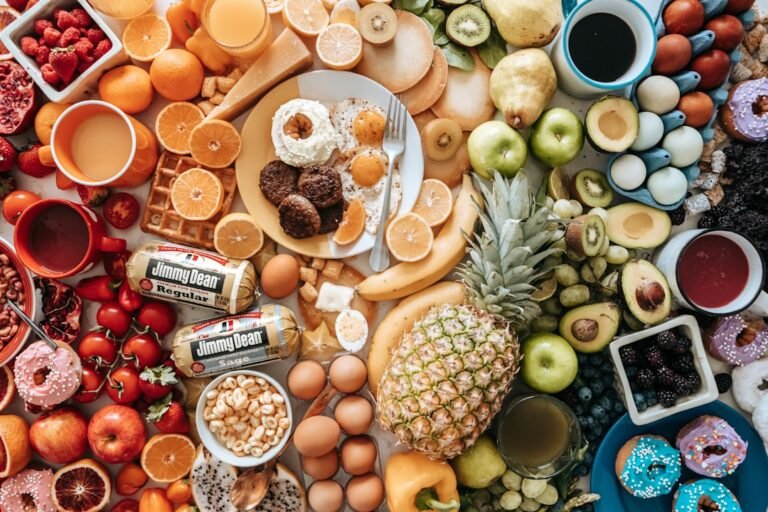
So, you’re wondering which foods are actually useful when you’re trying to build muscle and shed some fat? It’s a common question, and the good news is, it’s not about magic powders or extreme restrictions. It boils down to making smart choices with real, whole foods that provide the building blocks your body needs.
Think of it this way: your muscles need protein to repair and grow, and your body needs fuel to perform workouts and keep your metabolism humming, even when you’re in a calorie deficit for fat loss. Finding foods that do both – support muscle growth and help you burn fat – is the sweet spot.
This guide will break down some of the most effective foods to include in your diet, focusing on their practical benefits rather than hype.
Protein is the undisputed heavyweight champion when it comes to muscle building. Your body uses amino acids from protein to repair muscle tissue after exercise and to build new muscle fibers. But it’s also crucial for satiety, meaning it helps you feel fuller for longer, which is a big win when you’re trying to manage your calorie intake for fat loss.
Lean Meats: The Classic Choice
When thinking about protein, lean meats often come to mind first, and for good reason. They’re dense in protein and relatively low in fat, making them efficient choices.
Chicken Breast
Chicken breast is a staple for many, and it’s easy to see why. It’s incredibly lean, providing about 31 grams of protein per 100 grams. This makes it a high-impact protein source without a lot of added calories or fat. It’s also versatile – you can bake it, grill it, stir-fry it, or shred it into meals.
Turkey Breast
Similar to chicken breast, turkey breast is another excellent lean protein option. It typically offers around 29 grams of protein per 100 grams. It’s a good alternative if you want some variety in your poultry intake.
Lean Beef
While red meat sometimes gets a bad rap, lean cuts of beef can be fantastic for muscle building. Aim for cuts like sirloin, round, or flank steak. Lean beef provides about 26 grams of protein per 100 grams and also comes packed with iron, zinc, and B vitamins, all important for energy production and overall health. Just be mindful of the fat content and choose lean options.
Fish: More Than Just Protein
Fish offers a double whammy: high-quality protein and beneficial omega-3 fatty acids. These fats are not directly involved in muscle building but play a role in reducing inflammation, which can aid recovery, and may have broader health benefits.
Tuna
Tuna, especially in water, is a convenient and protein-rich option. A serving can easily provide a substantial amount of protein, around 26 grams per 100 grams. It’s easy to incorporate into salads or enjoy on its own.
Salmon
Salmon is a standout due to its nutrient profile. Beyond its solid protein content (roughly 17 grams per 3 oz serving), it’s one of the best sources of omega-3 fatty acids, specifically EPA and DHA. These can help reduce inflammation and may support heart health. Its healthy fats also contribute to satiety.
Eggs: The Complete Package
Eggs are often called nature’s multivitamin, and they are a fantastic and affordable source of complete protein. What makes them “complete” is that they contain all nine essential amino acids, which your body cannot produce on its own.
Whole Eggs
A large egg provides about 6 grams of protein. While the yolk contains fats and cholesterol, it also holds a significant portion of the egg’s nutrients, including choline and vitamins. For most people, consuming whole eggs is perfectly fine and beneficial.
Dairy: The Versatile Choice
Dairy products can be excellent sources of protein, particularly casein and whey. These two proteins are digested at different rates, providing a sustained release of amino acids.
Greek Yogurt
Greek yogurt is a thicker, more protein-concentrated version of regular yogurt. A 6-ounce serving can deliver around 17 grams of protein. It’s also a good source of calcium and probiotics. Opt for plain varieties to avoid added sugars.
Plant-Based Proteins: Filling the Gaps
For vegetarians, vegans, or those looking to diversify their protein sources, plant-based options are plentiful and effective. The key is often combining different plant proteins to ensure you’re getting a full spectrum of amino acids.
Legumes: The Humble Heroes
Lentils, chickpeas, and beans are nutritional powerhouses. They are rich in protein and fiber, which is fantastic for keeping you full and supporting gut health.
Lentils and Chickpeas
Both lentils and chickpeas are excellent sources of plant-based protein and complex carbohydrates. They are also packed with fiber, iron, and folate, making them incredibly nutrient-dense. They’re versatile for soups, stews, salads, and dips.
Soy-Based Foods: A Complete Protein Option
Soy is one of the few plant-based foods that provides a complete protein profile.
Soybeans
Cooked soybeans offer about 16 grams of protein per half cup. They are also a good source of fiber and other nutrients.
Tofu
Made from soybeans, tofu is a versatile protein source that absorbs flavors well. It provides around 8 grams of protein per 100 grams and is a staple in many plant-based cuisines.
Grains: The Unexpected Contributor
While often thought of as carb sources, some grains also contribute valuable protein.
Quinoa
Quinoa stands out because it’s a complete protein, meaning it contains all nine essential amino acids. It provides about 8 grams of protein per cooked cup, along with complex carbohydrates for energy.
Carbohydrates: Fuel for Performance and Recovery

Carbohydrates are often misunderstood, especially when trying to lose fat. However, they are essential for providing energy to your muscles for workouts and then replenishing those energy stores (glycogen) afterward. This recovery process is crucial for muscle growth. The key is choosing the right kinds of carbs.
Whole Grains: Sustained Energy
Whole grains are less processed than refined grains, meaning they retain more of their natural fiber, vitamins, and minerals. This leads to a slower release of energy, preventing sharp blood sugar spikes and crashes.
Oatmeal
Oatmeal is a fantastic breakfast staple. It’s rich in soluble fiber, which aids digestion and helps you feel full. It provides complex carbohydrates that fuel your morning workout or your day.
Brown Rice
Brown rice is a whole grain alternative to white rice. It offers more fiber, vitamins, and minerals, delivering sustained energy and supporting digestive health.
Starchy Vegetables: Nutrient-Dense Power
Certain vegetables are excellent sources of complex carbohydrates, packing in vitamins and minerals along with the energy.
Sweet Potatoes
Sweet potatoes are a fantastic source of complex carbohydrates, vitamins A and C, and potassium. They provide sustained energy and can be a great post-workout meal component.
Bananas
Bananas are a convenient and easily digestible source of carbohydrates, primarily in the form of natural sugars. They also contain potassium, which is important for muscle function and can help prevent cramps. They are great for a quick pre- or post-workout energy boost.
Healthy Fats: Essential for Hormones and Satiety

Fats are not the enemy, especially when you’re building muscle and aiming for fat loss. Healthy fats are crucial for hormone production, including testosterone, which plays a role in muscle growth. They also contribute significantly to satiety, helping you feel full and manage hunger.
Nuts and Seeds: Nutrient-Dense Snacks
Nuts and seeds are packed with healthy fats, protein, fiber, and micronutrients. They are satisfying and can be a great addition to meals or snacks.
Almonds and Walnuts
Almonds provide monounsaturated fats, fiber, and vitamin E. Walnuts are a good source of omega-3 fatty acids, fitting into the healthy fat category.
Chia Seeds and Flaxseeds
These tiny seeds are nutritional powerhouses. They are rich in omega-3s, fiber, and can absorb liquid to create a gel-like substance, which adds to their satiating effect.
Avocados: The Creamy King
Avocados are loaded with monounsaturated fats, which are heart-healthy and contribute to feelings of fullness. They also contain fiber and a good amount of potassium. They can be added to salads, smoothies, or enjoyed on toast.
Olive Oil: A Culinary Staple
Extra virgin olive oil is a cornerstone of healthy eating. Its primary fat is oleic acid, a monounsaturated fat that’s been linked to numerous health benefits. Use it for cooking, dressings, or drizzling over meals.
Hydration and Micronutrients: The Unsung Heroes
| Food | Protein Content (per 100g) | Fat Content (per 100g) | Calories (per 100g) |
|---|---|---|---|
| Chicken Breast | 31g | 3.6g | 165 |
| Turkey Breast | 29g | 1g | 135 |
| Egg Whites | 11g | 0g | 52 |
| Greek Yogurt | 10g | 0.4g | 59 |
| Tuna | 30g | 1g | 132 |
While not “foods” in the traditional sense of macronutrients (protein, carbs, fats), water and micronutrients (vitamins and minerals) are absolutely critical for muscle-building and fat loss.
Water: The Foundation
Dehydration can severely impair performance, hinder recovery, and even slow down your metabolism. Staying adequately hydrated is fundamental.
For Muscle Function
Water is essential for transporting nutrients to your muscle cells and removing waste products. Muscle tissue is comprised of a large percentage of water.
For Metabolism
When you’re trying to lose fat, your metabolism needs to function efficiently. Water plays a role in many metabolic processes.
Leafy Greens: Packed with Power
Think of leafy greens as micronutrient supercharges. They are low in calories but incredibly dense in vitamins, minerals, and antioxidants.
Spinach and Kale
These are packed with vitamins K, A, and C, as well as folate and iron. Their fiber content also contributes to satiety.
Berries: Antioxidant Rich
Berries like blueberries, strawberries, and raspberries are lower in sugar than many other fruits and are loaded with antioxidants and fiber.
Blueberries
Known for their high antioxidant content, blueberries can help combat oxidative stress that can occur with intense exercise. They also provide fiber and vitamin C.
Putting It All Together: The 25/50/25 Principle
While individual needs vary, a common and effective guideline for muscle building and fat loss is a macronutrient split of approximately 25% protein, 50% carbohydrates, and 25% fat.
This ratio ensures you’re getting enough protein to support muscle repair and growth, enough carbohydrates to fuel your workouts and replenish glycogen stores, and enough healthy fats for hormone production and overall health.
Practical Application
- Protein: Aim to include a protein source with every meal and snack. This helps maintain a steady supply of amino acids throughout the day.
- Carbohydrates: Focus on complex carbohydrates around your workouts for energy and recovery. Don’t shy away from them entirely; they are crucial for performance.
- Fats: Distribute healthy fats throughout your day. They contribute to satiety and hormonal balance.
Remember, consistency is key. Building muscle and losing fat is a marathon, not a sprint. By focusing on these whole, nutrient-dense foods, you’re providing your body with the tools it needs to succeed. Experiment with different preparations and combinations to keep things interesting and sustainable.