

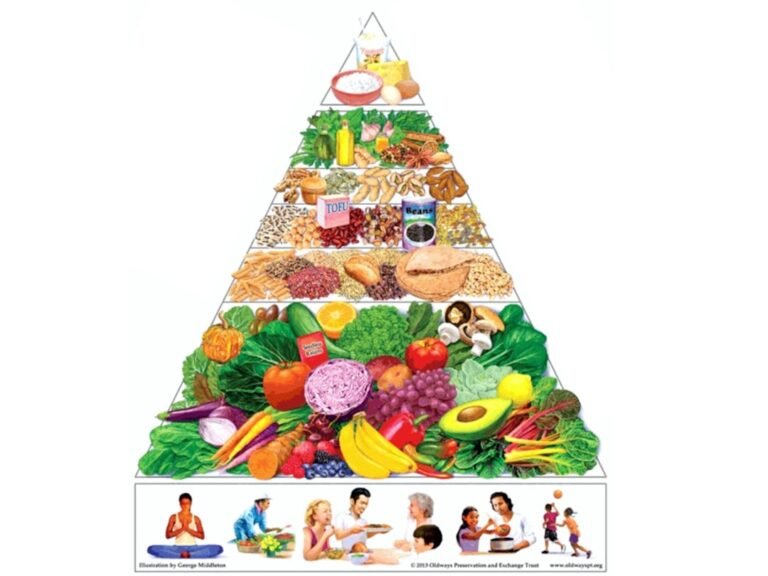
If you’re looking to tackle belly fat, it’s less about a specific, single “ultimate plan” and more about understanding what works consistently. The idea of a magic bullet diet, like a “Belly Fat Blaster” implying instant results, isn’t really how our bodies operate. Instead, think of it as a combination of sustainable eating habits, smart food choices, and a practical approach that addresses the underlying reasons for abdominal fat accumulation. There isn’t one “Belly Fat Blaster” program that’s universally recognized, but rather a collection of principles proven to help reduce stubborn belly fat.
Understanding Belly Fat
Before we dive into how to tackle it, let’s briefly touch on what belly fat is and why it matters. It’s not just about aesthetics; abdominal fat, particularly visceral fat (the kind that surrounds your organs), is a genuine health concern. It’s linked to a higher risk of heart disease, type 2 diabetes, certain cancers, and even dementia. So, reducing it is a health imperative, not just a cosmetic goal.
The Foundation: Calorie Awareness, Not Obsession
Let’s start with the basics. To lose any fat, including belly fat, you generally need to consume fewer calories than your body burns. This isn’t about rigid counting or deprivation, but about being mindful.
Your Calorie Baseline
Understanding your Basal Metabolic Rate (BMR) gives you a rough idea of how many calories your body needs just to function. Tools for estimating this are readily available online. Then, factor in your activity level. Creating a slight deficit—say, 300-500 calories below your maintenance level—is a common starting point for sustainable fat loss.
Smart Calorie Choices
It’s not just about the number of calories, but where they come from. Nutrient-dense foods provide more satiety and fewer empty calories. Think whole foods over highly processed snacks. A 200-calorie apple is going to serve your body very differently than 200 calories from a candy bar.
Macronutrient Balance: What You’re Eating Matters
While calories are the main lever for weight loss, the composition of your diet – your macronutrients (protein, carbs, fats) – plays a crucial role in reducing belly fat specifically.
Prioritizing Protein
Protein is your ally in fat loss. It helps you feel full, reduces cravings, and is essential for maintaining muscle mass while you’re in a calorie deficit. When you preserve muscle, your metabolism stays more active.
Benefits of Adequate Protein
Aim for a good source of protein with every meal. Options like lean meats, poultry, fish, eggs, dairy, legumes, and plant-based protein powders are all good choices. This isn’t about becoming a bodybuilder; it’s about giving your body what it needs to shed fat effectively.
The Role of Smart Carbohydrates
Carbohydrates often get a bad rap when it comes to fat loss, but the type of carbs you choose makes all the difference. Refined carbohydrates (white bread, sugary drinks, pastries) can spike blood sugar, leading to increased fat storage, especially around the middle.
Focusing on Fiber-Rich Carbs
Instead, prioritize complex carbohydrates rich in fiber. These include whole grains (oats, quinoa, brown rice), fruits, and vegetables. Fiber helps you feel full, aids digestion, and can help stabilize blood sugar levels, all contributing to better belly fat management.
Embracing Healthy Fats
Fat isn’t the enemy; certain fats are essential for hormone production, nutrient absorption, and overall health. In the context of belly fat, healthy fats can contribute to satiety, preventing overeating.
Sources of Beneficial Fats
Think avocados, nuts, seeds, olive oil, and fatty fish. These unsaturated fats have anti-inflammatory properties and can be a valuable part of a belly-fat-reducing diet. Portion control is still important here, as fats are calorie-dense.
Specific Food Groups to Emphasize and Limit
Beyond just macronutrients, certain food groups have a more direct impact on abdominal fat.
Foods to Emphasize
These are your heavy hitters for reducing belly fat.
Soluble Fiber
This type of fiber forms a gel with water in your digestive tract, slowing digestion and nutrient absorption. This helps you feel full longer and can specifically target belly fat. Good sources include oats, barley, nuts, seeds, beans, lentils, peas, and many fruits and vegetables.
Probiotic-Rich Foods
Your gut health is surprisingly connected to belly fat. A healthy balance of gut bacteria can influence inflammation and metabolism. Fermented foods like yogurt (unsweetened), kimchi, sauerkraut, and kefir contain beneficial probiotics.
Green Tea
Some studies suggest that the antioxidants (catechins) in green tea, particularly EGCG, may modestly boost metabolism and fat burning, especially when combined with exercise. It’s not a miracle drink, but it can be a supportive addition.
Foods to Limit or Avoid
These are the common culprits for contributing to belly fat.
Added Sugars and Sugary Drinks
This is arguably the number one dietary factor contributing to belly fat. Fructose, especially from added sugars and high-fructose corn syrup, is processed by the liver and can be readily converted to fat, particularly visceral fat. Cutting out soda, fruit juice (even 100% can be problematic in large quantities due to its sugar content), and sugary snacks is a critical step.
Excessive Alcohol
While moderate alcohol consumption might be okay for some, excessive drinking, especially beer and sugary cocktails, is directly linked to increased abdominal fat, often termed a “beer belly.” Alcohol contains empty calories and can interfere with fat burning.
Trans Fats
These artificial fats, often found in processed foods, baked goods, and some fast food, are linked to inflammation and increased belly fat. Check food labels for “partially hydrogenated oil” and avoid them.
Refined Grains
White bread, white pasta, and sugary cereals lack the fiber and nutrients of their whole-grain counterparts. They lead to rapid blood sugar spikes, which can promote fat storage.
Beyond Diet: Lifestyle Factors that Impact Belly Fat
Diet is paramount, but it’s not the only piece of the puzzle. Other lifestyle habits significantly influence your ability to reduce belly fat.
The Importance of Sleep
Sleep deprivation messes with your hormones. Specifically, it can increase ghrelin (the hunger hormone) and decrease leptin (the satiety hormone), leading to increased cravings and a tendency to store fat.
Aim for Quality Sleep
Prioritize 7-9 hours of quality sleep per night. Establish a consistent sleep schedule, create a dark and cool sleep environment, and limit screen time before bed. This isn’t just about feeling rested; it’s a direct aid in fat loss.
Managing Stress
Chronic stress leads to elevated levels of cortisol, a hormone that promotes fat storage, especially in the abdominal area. High cortisol can also increase appetite and cravings for unhealthy foods.
Stress Reduction Techniques
Finding effective ways to manage stress is vital. This could include meditation, yoga, spending time in nature, hobbies, or simply deep breathing exercises. Whatever helps you unwind and de-stress regularly will contribute positively to your fat loss efforts.
Physical Activity: Not Just Cardio
While diet is often 80% of the equation for fat loss, physical activity is essential for optimizing results, maintaining muscle, and improving overall health.
Incorporating Resistance Training
Many people focus solely on cardio for fat loss, but resistance training (lifting weights, bodyweight exercises) is crucial. Building and maintaining muscle mass boosts your metabolism, meaning you burn more calories even at rest. It also helps improve body composition. Aim for 2-3 sessions per week.
Regular Aerobic Exercise
Cardio is still important for heart health and can contribute to calorie expenditure. Aim for moderate-intensity activities like brisk walking, jogging, cycling, or swimming for at least 150 minutes per week. High-intensity interval training (HIIT) can also be effective for fat burning, but listen to your body and integrate it gradually.
Practical Tips for Long-Term Success
Making dietary and lifestyle changes stick is the real challenge. Here are some pointers to help you stay on track.
Meal Planning and Preparation
Spontaneous eating often leads to poor choices. Take some time each week to plan your meals and snacks. Prepare lunches or chopped vegetables in advance. This reduces the mental load and makes healthy eating the easier option.
Hydration is Key
Drinking enough water is often overlooked. Water helps with satiety, metabolism, and overall bodily functions. Sometimes, what we perceive as hunger is actually thirst. Aim for at least 8 glasses of water a day, more if you’re active.
Mindful Eating
Slow down and pay attention to your food. Eat without distractions, savor the flavors, and notice when you’re feeling full. This can help you eat less and enjoy your meals more, preventing overeating.
Be Patient and Consistent
Fat loss, especially belly fat, isn’t linear. There will be plateaus and minor fluctuations. Focus on consistency over perfection. Small, sustainable changes add up over time. Don’t get discouraged by the scale; look at other indicators like how your clothes fit, your energy levels, and overall well-being.
Seek Professional Guidance if Needed
If you’re struggling or have underlying health conditions, consulting with a registered dietitian or a healthcare professional can provide personalized advice and ensure your approach is safe and effective for your individual needs. They can help navigate specific dietary requirements or challenges.
There’s no single “Belly Fat Blaster” diet plan that works for everyone because our bodies and lifestyles are unique. However, by focusing on nutrient-dense whole foods, smart macronutrient balance, adequate sleep, stress management, and regular physical activity, you’re embracing a comprehensive approach that effectively targets abdominal fat for better health and well-being. It’s about sustainable habits, not crash diets.