
Losing weight and gaining muscle simultaneously, often called body recomposition, isn’t about a single “ultimate” meal plan that works for everyone overnight. It’s more about a consistent, well-structured approach to eating and training that supports both goals. The key is finding a balance that fuels muscle growth while creating the calorie deficit needed for fat loss.
This means focusing on nutrient-dense foods, adequate protein intake, and smart carbohydrate and fat choices, all combined with consistent resistance training. It’s a process that requires patience and attention to your body’s signals.
Understanding how your food is broken down into macronutrients (protein, carbohydrates, and fats) is fundamental. Getting the right ratio helps ensure you’re providing your body with the building blocks for muscle and the energy for your workouts, while still managing your calorie intake for fat loss.
Protein: The Muscle Builder
Protein is non-negotiable when you want to build muscle. It provides the amino acids your body needs to repair and rebuild muscle tissue after exercise. Consuming enough protein also helps you feel fuller for longer, which can be a big help when you’re trying to manage your calorie intake for weight loss.
How Much Protein Do You Need?
A good starting point for active individuals looking to lose fat and gain muscle is to aim for roughly 0.8 to 1 gram of protein per pound of body weight. For example, if you weigh 180 pounds, you’d target around 144 to 180 grams of protein daily. It’s not about hitting a precise number every single day, but keeping your intake consistently high.
Carbohydrates: Your Energy Source
Carbohydrates are your body’s primary source of energy. For muscle building and fueling intense workouts, they are essential. However, the type of carbohydrates you choose matters significantly when you’re trying to lose fat. Opting for complex carbs over simple sugars helps manage blood sugar levels and provides sustained energy.
Complex vs. Simple Carbs
Think whole grains, oats, brown rice, quinoa, and starchy vegetables like sweet potatoes. These are digested slower, releasing energy more gradually and preventing sharp insulin spikes that can lead to fat storage. Simple carbs, like white bread, sugary cereals, and sodas, should be limited as they offer less nutritional value and can hinder fat loss progress.
Healthy Fats: Essential for Hormones and Health
Fats often get a bad rap, but they are crucial for hormone production, nutrient absorption, and overall health. When focusing on fat loss, the quantity of fats is important, but so is the quality.
Choosing the Right Fats
Focus on unsaturated fats found in avocados, nuts, seeds, olive oil, and fatty fish like salmon. These fats are beneficial for heart health and can contribute to satiety, helping you feel satisfied after meals. Saturated and trans fats, often found in fried foods and processed snacks, should be kept to a minimum.
Structuring Your Meals for Success
How you distribute your macronutrients throughout the day can impact your energy levels, hunger, and recovery. Planning your meals and snacks helps you stay on track and avoid impulsive, less healthy choices.
The Importance of Meal Timing
While the overall daily intake of calories and macronutrients is most critical, strategic meal timing can offer benefits. Consuming protein and carbohydrates around your workouts can aid in muscle recovery and replenishment.
Pre-Workout Fuel
Before a training session, a meal or snack containing complex carbohydrates and some protein can provide sustained energy. Think a small bowl of oatmeal with some berries, or a piece of fruit with a small handful of almonds. This helps ensure you have the energy to perform your best.
Post-Workout Recovery
After training, your muscles are primed for repair and growth. A meal rich in both protein and carbohydrates is beneficial here. This could be grilled chicken breast with sweet potato, or a protein shake with a banana. This replenishment helps kickstart the recovery process and supports muscle protein synthesis.
Integrating Protein Throughout the Day
To consistently meet your protein goals and keep hunger at bay, it’s wise to include a protein source in every meal and snack. This steady intake helps maintain a positive nitrogen balance, which is crucial for muscle growth.
Breakfast Ideas
Start your day strong with protein. Options include scrambled eggs with vegetables, Greek yogurt with berries and nuts, or oatmeal made with milk and a scoop of protein powder.
Lunch and Dinner Staples
Lean meats, poultry, fish, eggs, legumes, and tofu are excellent choices. Combine them with plenty of vegetables and a moderate portion of complex carbohydrates. For instance, grilled salmon with quinoa and roasted broccoli, or chicken stir-fry with brown rice and a medley of vegetables.
Strategic Snacking
If you find yourself hungry between meals, smart snacking can bridge the gap without derailing your progress. Options include a hard-boiled egg, a small can of tuna, a handful of almonds, or a small tub of cottage cheese. Protein-focused snacks are ideal for maintaining satiety and muscle support.
Fueling Your Body with Nutrient-Dense Foods
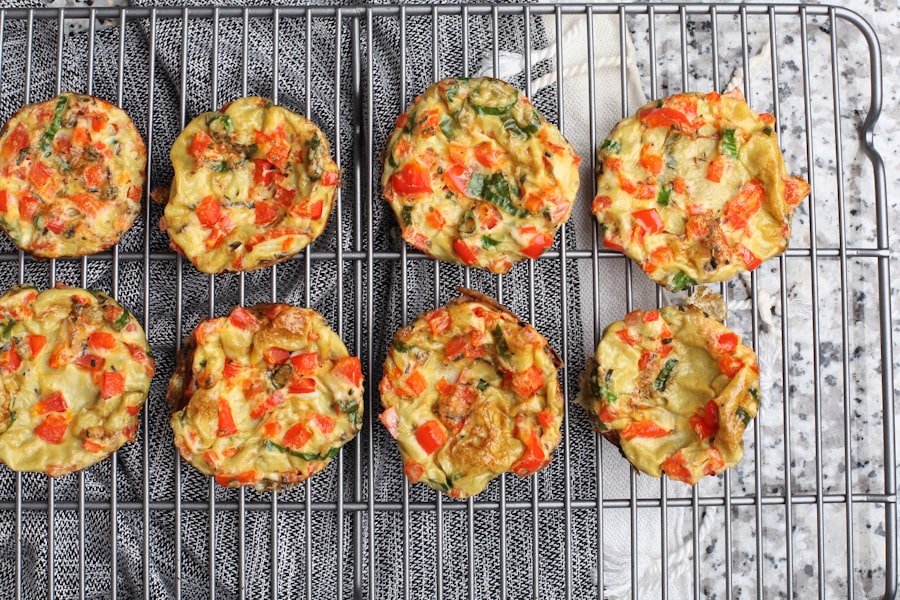
The quality of your food choices plays a significant role in both fat loss and muscle gain. Prioritizing whole, unprocessed foods ensures you’re getting essential vitamins, minerals, and fiber, which support overall health and metabolic function.
Focus on Whole, Unprocessed Foods
This is where the “real” gains are made. Shifting your diet away from heavily processed items means more nutrients and fewer empty calories.
Lean Protein Sources
When choosing your protein, lean options are your friends. Think chicken breast, turkey breast, lean cuts of beef, fish like cod, tilapia, and of course, salmon. Plant-based options like lentils, beans, and tofu are also valuable.
Complex Carbohydrates for Sustained Energy
As mentioned, whole grains, oats, quinoa, brown rice, sweet potatoes, and starchy vegetables are your go-to carb sources. They provide fiber, which aids digestion and promotes fullness.
Healthy Fat Options
Don’t shy away from fats, but choose wisely. Avocados, nuts (almonds, walnuts), seeds (chia, flax), olive oil, and fatty fish are excellent. These contribute to satiety and hormone balance.
Emphasizing Vegetables and Fruits
These are packed with vitamins, minerals, antioxidants, and fiber. They add volume to your meals, helping you feel full without adding many calories, and are vital for overall health and recovery. Aim for a wide variety of colors to ensure you’re getting a broad spectrum of nutrients.
Sample Meal Plan Framework

While an “ultimate” one-size-fits-all plan is elusive, a structured framework can be incredibly useful. This isn’t a rigid prescription, but an example of how you might arrange your meals to meet your goals.
Day Example (Adjust portions based on your needs)
This is a conceptual example. Portion sizes would need to be adjusted based on individual calorie and macronutrient targets.
Breakfast
- Option 1: Scrambled eggs (3-4) with spinach and a side of whole-wheat toast.
- Option 2: Greek yogurt (plain, high protein) with berries and a small handful of almonds.
- Option 3: Oatmeal made with water or unsweetened almond milk, mixed with a scoop of whey protein and topped with sliced banana.
Mid-Morning Snack (Optional, if needed)
- A piece of fruit (apple, pear) with a small handful of walnuts.
- A hard-boiled egg.
Lunch
- Option 1: Grilled chicken breast salad with mixed greens, cucumber, tomatoes, and a light vinaigrette dressing. Side of quinoa.
- Option 2: Tuna melt on whole-wheat bread with a side of mixed greens. Ensure the tuna is packed in water.
- Option 3: Lentil soup with a side of whole-grain bread.
Afternoon Snack (Optional, often post-workout)
- Protein shake (whey, casein, or plant-based) with water or unsweetened almond milk.
- Cottage cheese with a few pineapple chunks.
Dinner
- Option 1: Baked salmon with roasted sweet potatoes and steamed broccoli.
- Option 2: Lean ground turkey stir-fry with brown rice and a variety of colorful vegetables (bell peppers, snap peas, carrots). Use soy sauce or tamari sparingly.
- Option 3: Lean beef steak with a large portion of mixed green salad and a small serving of baked potato.
Hydration is Key
Don’t overlook the importance of water. Staying well-hydrated is critical for metabolic processes, nutrient transport, and performance. Aim for at least 2-3 liters of water per day, and more if you’re training intensely or in a hot environment.
Listening to Your Body and Making Adjustments
| Meal | Protein (g) | Carbohydrates (g) | Fat (g) | Calories |
|---|---|---|---|---|
| Breakfast | 25 | 40 | 10 | 350 |
| Snack | 15 | 20 | 5 | 200 |
| Lunch | 30 | 50 | 15 | 450 |
| Snack | 15 | 20 | 5 | 200 |
| Dinner | 35 | 60 | 20 | 500 |
| Snack | 15 | 20 | 5 | 200 |
| Total | 135 | 210 | 60 | 1900 |
No meal plan is static. Your body chemistry, activity levels, and even your stress levels can influence how you feel and progress. Being adaptable is crucial.
Recognizing Hunger and Fullness Cues
Learn to distinguish between true hunger and cravings or boredom. Eating mindfully, without distractions, helps you better recognize when you’re satisfied. Don’t force yourself to finish food if you’re full, and don’t ignore genuine hunger pangs.
Tracking Progress (Beyond the Scale)
While the scale can provide some information, it’s not the only measure of success for body recomposition. Pay attention to how your clothes fit, how you feel during workouts, and take progress photos. Muscle is denser than fat, so you might see changes in your physique even if the scale doesn’t move dramatically.
When to Seek Professional Guidance
If you find yourself struggling to make progress, experiencing persistent fatigue, or have underlying health conditions, consulting a registered dietitian or a qualified nutritionist can be invaluable. They can help create a personalized plan tailored to your specific needs and goals.