
Navigating what to eat for both weight loss and muscle gain can feel a bit overwhelming, but it boils down to making smart food choices that provide the right nutrients without excessive calories. The good news is, many foods excel at both tasks, offering a solid foundation for your eating plan. This article will help you identify some key players that can make this journey a lot smoother.
Protein is fundamental for muscle repair and growth, and it also plays a significant role in keeping you feeling full, which is crucial for weight management. When you’re trying to lose weight, consuming enough protein helps preserve muscle mass while your body sheds fat.
Eggs: A Complete Package
Eggs are a fantastic starting point. They’re packed with high-quality, complete protein, meaning they contain all nine essential amino acids your body can’t produce itself. Beyond that, eggs also provide leucine, an amino acid particularly important for initiating muscle protein synthesis. You’ll find a good dose of vitamins A, D, and E in there as well. All of this contributes to staying full, repairing muscle after a workout, and even supporting fat loss efforts.
Chicken Breast: The Lean Classic
Chicken breast remains a staple for a reason. It is exceptionally lean, offering a significant amount of complete protein – around 22 grams per serving – with very few calories. It’s also high in leucine, which, as mentioned, is great for muscle building. Additionally, chicken breast provides iron, an important mineral for overall health and energy. Its low-calorie nature makes it excellent for staying lean while still getting the protein you need to build muscle.
Lean Beef and Red Meat: Strength Support
When we talk about lean beef or other red meats, we’re looking at another excellent source of protein. These options also provide creatine, a compound naturally found in muscle cells that helps them produce energy during high-intensity exercise. This can lead to increased muscle mass, strength, and improved athletic performance. Just remember to opt for leaner cuts to keep the calorie count in check.
Healthy Fats and Omega-3s
Don’t shy away from healthy fats. They’re essential for hormone production, nutrient absorption, and they can significantly contribute to satiety, helping you eat less overall.
Fatty Fish: Beyond Just Protein
Fish like salmon and tuna are truly remarkable. They deliver a substantial amount of protein, but their real claim to fame is their rich content of omega-3 fatty acids. These healthy fats are known for reducing inflammation, which can be beneficial for recovery after intense exercise. Some research even suggests they can boost testosterone levels, a hormone critical for muscle growth. Furthermore, omega-3s are excellent for heart health.
Almonds and Other Nuts: Smart Snacking
Almonds, and indeed most nuts like peanuts, are calorie-dense, but they offer a wealth of healthy fats, protein, and fiber. They’re also good sources of vitamin E and magnesium. While you need to be mindful of portion sizes due to their calorie content, nuts are incredibly effective at enhancing satiety, helping you feel fuller for longer. They also contribute to recovery, providing essential nutrients that support your body’s repair processes.
Smart Carbs and Fiber
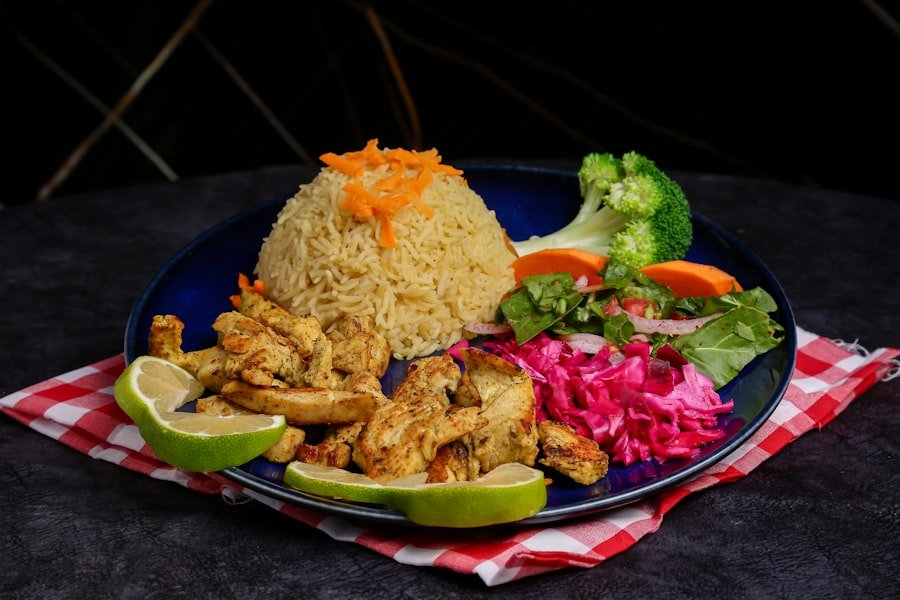
Carbohydrates often get a bad rap for weight loss, but the right kind of carbs, particularly those high in fiber, are vital for sustained energy, digestive health, and keeping hunger at bay.
Quinoa: A Complete Grain
Quinoa stands out in the world of grains. It’s unique because it’s a complete protein, offering all essential amino acids, which is uncommon for a plant-based food. On top of that, it’s packed with fiber. This combination promotes healthy digestion, contributes to feeling full, and provides reliable energy for your workouts and daily activities. It’s a versatile alternative to more refined grains.
Beans and Legumes: Dual Benefits
Beans and legumes are often overlooked but are nutritional powerhouses. They are high in both protein and fiber, making them incredibly effective at promoting satiety. This helps you manage your calorie intake without feeling deprived. Furthermore, they contain resistant starch, a type of carbohydrate that supports gut health and can aid in weight management.
Dairy and Dairy Alternatives
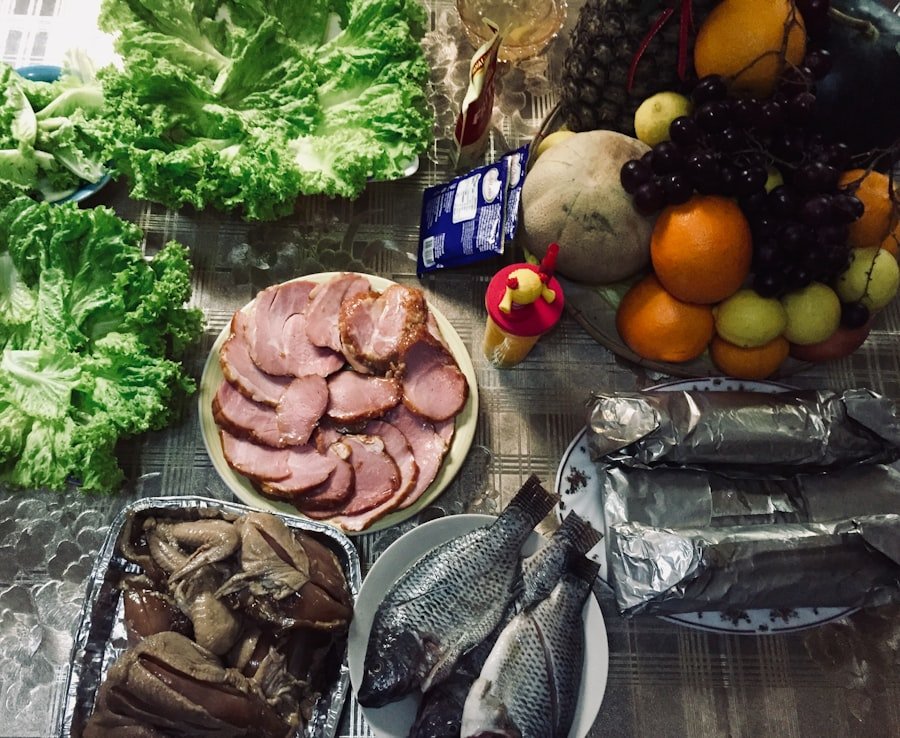
Dairy products, specifically certain types, can be excellent for protein intake and bone health, which is critical when you’re active.
Greek Yogurt: Creamy and Filling
Greek yogurt is a fantastic option for incorporating into your diet. It’s much higher in protein than regular yogurt, which means it helps you feel full and supports muscle growth. The added benefit is that many Greek yogurts contain probiotics, which are good for gut health. A healthy gut can play a role in overall well-being and might even indirectly support weight loss efforts.
Cottage Cheese: An Oldie But Goodie
Cottage cheese is another excellent source of protein, and it’s quite low in calories for the volume it provides. It’s also a good source of calcium. Its thick, curdy texture makes it very filling, helping you control your appetite throughout the day. This makes it a great snack or an addition to meals for weight control purposes.
The Verdant Essentials
| Food | Calories | Protein (g) | Fiber (g) |
|---|---|---|---|
| Chicken Breast | 165 | 31 | 0 |
| Salmon | 233 | 25 | 0 |
| Quinoa | 222 | 8 | 5 |
| Broccoli | 55 | 4 | 3 |
| Sweet Potato | 180 | 4 | 4 |
Green vegetables might not seem like the most exciting foods, but they are absolutely non-negotiable for both weight loss and overall health.
Leafy Greens and Cruciferous Vegetables: Nutrient Density
Spinach, broccoli, kale, and other leafy greens or cruciferous vegetables are nutritional champions. They are remarkably low in calories yet packed with fiber, vitamins, and minerals. The high fiber content helps you feel full without adding many calories to your plate, which is a major advantage for weight loss. They also support healthy digestion and provide essential micronutrients your body needs to function optimally, especially when you’re exercising regularly.
Putting it All Together
Incorporating these foods into your diet doesn’t need to be complicated. Think about balancing your meals with a good protein source, healthy fats, complex carbohydrates, and plenty of vegetables. For instance, a meal could be grilled salmon with quinoa and a generous serving of steamed broccoli. For a snack, a handful of almonds or a serving of Greek yogurt can hit the spot.
Remember, consistency is key, and personal preferences also play a role. Find ways to prepare these foods that you genuinely enjoy. Experiment with different recipes and spices to keep things interesting. Listening to your body and paying attention to how these foods make you feel will also provide valuable insights as you progress on your journey toward weight loss and muscle gain.