

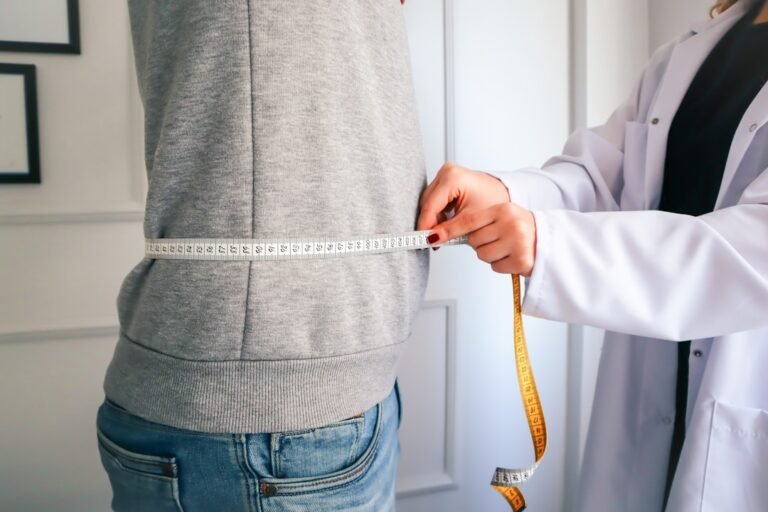
Achieving a leaner, healthier physique isn’t solely about dropping numbers on the scale; it’s more about reducing body fat and maintaining or building muscle. This article will walk you through practical steps, focusing on effective strategies to trim fat and improve your overall health.
When people talk about losing weight, they often picture a smaller number on a scale. However, that number doesn’t tell the whole story. Weight loss can come from various sources: water, muscle, and fat. For a truly healthier, leaner you, our focus needs to be on fat reduction, particularly while preserving or building muscle.
The Muscle-Fat Connection
muscle is a key player in your overall health. A 2026 Brazilian study highlighted a significant point: people with belly fat but enough muscle actually had no increased risk of death. On the other hand, individuals with belly fat and low muscle mass faced an 83% higher risk. What’s even more interesting is that those with low muscle mass but no abdominal obesity saw a 40% reduction in death risk. This tells us that muscle isn’t just for appearances or strength; it’s a vital component of your health and longevity. It impacts your metabolism and how your body handles fat.
Beyond the Scale: Body Fat Percentage
Your body fat percentage is a much better indicator of your health status than your weight alone. A 2026 meta-analysis in The Lancet confirmed that keeping your body fat percentage in a healthy range is one of the strongest predictors of long-term cardiovascular health. People in a healthy range showed up to a 40% lower risk of metabolic syndrome. This means focusing on fat reduction, not just weight reduction, is crucial for improving your health markers and reducing chronic disease risks.
The Role of Exercise: Prioritizing Muscle Building
You might think that going on a strict diet is the fastest way to lose fat. However, research suggests that a “cut-first” approach to weight loss is often ineffective and can even be counterproductive in the long run. Instead, building muscle while working on fat loss tends to yield better and more sustainable results.
Strength Training: Your Fat-Fighting Ally
Strength training isn’t just for bodybuilders. It’s a powerful tool for fat reduction. A 2021 review of 58 studies found that consistent resistance training, even for as little as four weeks, can decrease body fat by an average of 1.46%. It also significantly reduces visceral fat, which is the harmful fat stored around your organs.
Other Forms of Exercise to Consider
While strength training is paramount, other forms of exercise also play a supportive role in fat loss and overall health.
Cardio for Health and Calorie Burn
Cardiovascular exercise, like brisk walking, jogging, cycling, or swimming, is great for heart health and can contribute to a calorie deficit, helping with fat loss. It improves endurance and overall fitness.
High-Intensity Interval Training (HIIT)
HIIT involves short bursts of intense exercise followed by brief recovery periods. This type of training can be very effective for burning calories and increasing your metabolic rate, even after you’ve finished your workout.
Nutrition for Fat Loss and Muscle Preservation
What you eat is just as important as how you move when it comes to trimming fat and maintaining muscle. It’s about smart choices, not deprivation.
The Power of Protein
When you’re aiming to lose fat, especially if you’re also exercising, adequate protein intake is crucial. Consuming approximately 1 gram of protein per kilogram of body weight helps tremendously in preserving your muscle mass. This is important because losing muscle during fat loss can slow down your metabolism and make it harder to maintain your results. Protein also helps you feel fuller, which can reduce overall calorie intake. Think of lean meats, poultry, fish, eggs, dairy, and plant-based protein sources like legumes and tofu.
Creating a Sustainable Calorie Deficit
To lose fat, you generally need to consume fewer calories than your body uses. This is often referred to as a calorie deficit. However, going too low on calories can be detrimental, leading to muscle loss and making the process unsustainable. A gradual approach is best. Losing about 1-2 pounds per week, through a daily deficit of approximately 500 calories combined with physical activity, is safer and more sustainable than trying to lose weight too quickly. This allows your body to adapt and helps prevent nutritional deficiencies or extreme hunger that can derail your efforts.
Focusing on Whole Foods
Prioritizing whole, unprocessed foods should be a cornerstone of your eating plan.
Fruits and Vegetables
These are packed with vitamins, minerals, and fiber which fill you up without adding a lot of calories. They support gut health and overall well-being.
Healthy Fats
Don’t be afraid of healthy fats from sources like avocados, nuts, seeds, and olive oil. They are essential for hormone function and satiety, and they help your body absorb fat-soluble vitamins.
Complex Carbohydrates
Opt for complex carbohydrates over refined ones. Whole grains like oats, brown rice, and quinoa provide sustained energy and fiber, helping to regulate blood sugar levels and keep you feeling full.
Practical Strategies for Long-Term Success
Sustainable fat loss isn’t about quick fixes; it’s about establishing habits you can stick with for the long haul.
Gradual Progress over Rapid Changes
Trying to change everything overnight is often a recipe for failure. Instead, focus on making small, manageable changes that you can gradually incorporate into your lifestyle. Maybe start by adding one more serving of vegetables to your meals or swapping your sugary drink for water. These small wins build momentum and confidence.
Consistency is Key
You won’t see results from a single workout or one healthy meal. What matters is consistency over time. Stick to your exercise routine most days of the week, and make healthy food choices most of the time. Don’t strive for perfection; strive for consistency.
Monitoring Your Progress (Beyond the Scale)
While stepping on the scale can give you some information, it shouldn’t be your only measure of progress.
Tracking Body Fat Percentage
Regularly checking your body fat percentage, through methods like DEXA scans, bioelectrical impedance analysis (BIA) devices, or even simple body measurements, can give you a clearer picture of your progress. Remember, your weight might not change much if you’re building muscle while losing fat, but your body composition will be improving.
Performance and Feeling
How you feel matters. Are you stronger? Do you have more energy? Are your clothes fitting better? These are all valuable indicators of progress. Celebrate these non-scale victories.
Journaling
Keeping a food and exercise journal can help you identify patterns, understand what works for you, and stay accountable. It’s a tool for self-reflection and adjustment, not just a record.
Addressing Common Challenges and Misconceptions
| Technique | Effectiveness | Difficulty |
|---|---|---|
| Intermittent Fasting | High | Medium |
| High-Intensity Interval Training (HIIT) | High | High |
| Reduced Caloric Intake | High | Low |
| Strength Training | High | Medium |
There are many myths and obstacles that can make the fat loss journey confusing or frustrating.
Spot Reduction is a Myth
You can’t choose where your body loses fat. Doing endless crunches won’t magically get rid of belly fat if your overall body fat percentage is high. Fat loss happens throughout your body. Focus on overall fat reduction through diet and full-body exercise.
Patience is Essential
Fat loss takes time. Your body needs time to adapt to new eating and exercise habits. Don’t get discouraged if you don’t see dramatic results right away. Trust the process, stay consistent, and the results will come.
The Importance of Sleep
Good sleep is often overlooked but plays a critical role in fat loss. Lack of sleep can disrupt hormones that regulate appetite and metabolism, making it harder to lose fat and easier to store it. Aim for 7-9 hours of quality sleep each night.
Managing Stress
Chronic stress can also interfere with fat loss goals. Stress can lead to elevated cortisol levels, which can promote fat storage, especially around the abdomen. Find healthy ways to manage stress, whether it’s through mindfulness, hobbies, or spending time in nature.
Bringing It All Together
Achieving a leaner, healthier you is a journey that goes beyond just weighing less. It’s about systematically reducing body fat while building and maintaining valuable muscle mass. This approach not only enhances your appearance but significantly boosts your long-term health and reduces disease risk. By combining strategic strength training with a protein-rich, whole-foods diet and focusing on sustainable habits, you’re setting yourself up for lasting success. Remember, gradual, consistent effort applied patiently is how real, meaningful change is made.