


Asian food diet weight loss is gaining popularity for good reasons. It is tasty, nutritious, and can help you shed pounds.
Many people are now turning to Asian cuisine for weight loss. This diet includes a variety of vegetables, lean proteins, and whole grains. These foods are low in calories and high in nutrients. They fill you up without adding extra pounds.
The Asian food diet also focuses on smaller portion sizes, which helps control calorie intake. Plus, it encourages mindful eating, a practice that promotes better digestion and satisfaction. This way of eating is not just about losing weight. It also offers numerous health benefits. So, if you are looking for a sustainable and delicious way to lose weight, the Asian food diet might be the answer.
Introduction To Asian Food Diet
Asian food diets are increasingly popular for their health benefits and weight loss potential. These diets focus on whole, natural foods, rich in nutrients and low in calories. Traditional Asian meals often include a variety of vegetables, lean proteins, and whole grains. This balanced approach can help with weight management and overall health.
Cultural Influences
Asian food culture emphasizes fresh ingredients and mindful eating. In many Asian countries, meals are shared, promoting smaller portions and slower eating. This cultural practice helps with digestion and prevents overeating. Fermented foods, like kimchi and miso, are also common in Asian diets. These foods aid digestion and boost gut health.
Nutritional Benefits
Asian diets are rich in vitamins and minerals. Vegetables like bok choy, spinach, and broccoli provide essential nutrients. Lean proteins such as fish, tofu, and chicken are staples. These proteins are low in fat and high in protein. Whole grains like brown rice and quinoa offer fiber and sustained energy. This combination supports a healthy metabolism and aids in weight loss.
Many Asian dishes include spices like ginger, garlic, and turmeric. These spices have anti-inflammatory properties. They can also enhance the flavor of meals without adding extra calories. Green tea, a popular beverage in Asia, is known for its antioxidant properties. Drinking green tea can boost metabolism and support weight loss.
Key Ingredients
The Asian food diet is popular for its health benefits and weight loss potential. It includes a variety of nutritious and flavorful ingredients. Here, we explore the key ingredients that make this diet effective for weight loss.
Rice And Grains
Rice and grains are staples in the Asian diet. They provide essential nutrients and energy. Brown rice and whole grains are the healthier choices. They are rich in fiber and aid in digestion.
| Type | Benefits |
|---|---|
| Brown Rice | High in fiber, supports weight loss |
| Quinoa | Rich in protein, aids in muscle building |
| Barley | Low glycemic index, controls blood sugar |
Vegetables And Fruits
Vegetables and fruits are vital for a balanced diet. They are low in calories and high in vitamins. Common choices include leafy greens, cruciferous vegetables, and colorful fruits.
- Leafy Greens: Spinach, kale, and bok choy
- Cruciferous Vegetables: Broccoli, cabbage, and cauliflower
- Colorful Fruits: Berries, oranges, and mangoes
These ingredients are packed with antioxidants and fiber. They help in maintaining a healthy weight and improving overall health. Including a variety of these in your diet can make meals more interesting and nutritious.
Healthy Proteins
Healthy proteins are vital for weight loss in an Asian food diet. They help build muscle and keep you feeling full. This helps you eat less and burn more calories. Let’s explore some top choices for healthy proteins.
Fish And Seafood
Fish and seafood are rich in protein and low in fat. They are great for weight loss. Fish like salmon, tuna, and mackerel are high in omega-3 fatty acids. These healthy fats reduce inflammation and improve heart health.
Shrimp, crab, and other shellfish provide lean protein. They have few calories but lots of nutrients. Try grilled or steamed seafood dishes. Avoid fried options to keep your meals healthy.
Soy Products
Soy products offer plant-based protein. They are good for vegetarians and those reducing meat intake. Tofu and tempeh are common soy foods. They are versatile and can be used in many dishes.
Edamame, or young soybeans, is a popular snack. It is high in protein and fiber. Soy milk and soy yogurt are also nutritious options. They provide protein without the saturated fats found in dairy.
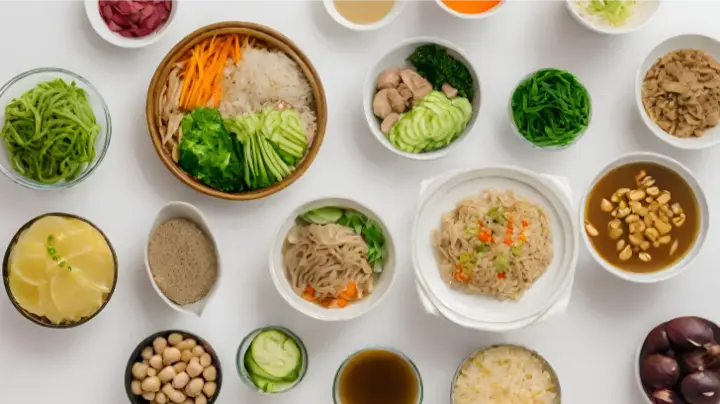
Credit: listonic.com
Spices And Herbs
The Asian food diet is rich in spices and herbs. These ingredients add flavor and boost health. They make meals enjoyable and nutritious. Let’s explore how they enhance your weight loss journey.
Flavor Enhancers
Spices and herbs elevate the taste of your dishes. Ginger, garlic, and chili are common in Asian cuisine. They add a unique flavor and aroma. These ingredients help you enjoy healthy meals without extra calories.
Turmeric is another popular spice. It has a warm, earthy taste. It is often used in curries and soups. Fresh herbs like cilantro and basil bring freshness to dishes. They can be added to salads, soups, and stir-fries.
Health Benefits
Spices and herbs offer many health benefits. Ginger aids digestion and reduces inflammation. It can soothe an upset stomach. Garlic boosts the immune system. It also lowers blood pressure and cholesterol.
Chili peppers contain capsaicin. This compound boosts metabolism and burns fat. Turmeric has curcumin, which fights inflammation and improves brain function. Fresh herbs like cilantro detoxify the body. Basil has antibacterial properties.
These natural ingredients support weight loss. They enhance the taste and improve health. Including them in your diet is a smart choice.
Portion Control
Portion control is crucial in the Asian food diet. It helps manage calorie intake and supports weight loss. Smaller portions can lead to healthier eating habits. The key is to eat enough to feel satisfied, not stuffed. Let’s explore how portion control can be effective.
Serving Sizes
Understanding serving sizes is essential. Traditional Asian meals often include small servings of various dishes. This encourages balance and variety. For example, a typical serving of rice is about half a cup. Vegetables and proteins are also served in moderate amounts. This reduces overeating and promotes a balanced diet.
Mindful Eating
Mindful eating means paying attention to what you eat. Savor each bite and notice the flavors. Eating slowly helps you recognize when you’re full. Avoid distractions like TV or smartphones during meals. Focus on your food and enjoy the experience. This practice can prevent overeating and improve digestion.

Credit: www.amazon.com
Meal Planning
Meal planning is crucial for a successful Asian food diet weight loss journey. Planning helps you stay organized and ensures you eat balanced meals. It also helps avoid unhealthy, last-minute food choices.
Balanced Meals
Creating balanced meals is important. A balanced meal includes:
- Protein: Chicken, tofu, or fish
- Carbohydrates: Rice, noodles, or quinoa
- Vegetables: Broccoli, spinach, or carrots
- Healthy Fats: Avocado, nuts, or seeds
Ensure you have a variety of food. This keeps your diet interesting and nutritious.
Sample Menus
Here are some sample menus for a week. These menus provide a mix of flavors and nutrients.
| Day | Breakfast | Lunch | Dinner |
|---|---|---|---|
| Monday | Oatmeal with berries | Grilled chicken with brown rice | Stir-fried veggies with tofu |
| Tuesday | Fruit smoothie | Sushi rolls with cucumber and avocado | Salmon with steamed broccoli |
| Wednesday | Yogurt with honey and nuts | Vegetable soup with a side of quinoa | Chicken curry with basmati rice |
| Thursday | Scrambled eggs with tomatoes | Poke bowl with tuna and edamame | Beef stir-fry with vegetables |
| Friday | Green tea with a banana | Spring rolls with a side salad | Grilled shrimp with mixed vegetables |
| Saturday | Miso soup with tofu | Chicken salad with sesame dressing | Vegetable fried rice |
| Sunday | Fresh fruit salad | Beef pho with rice noodles | Grilled fish with a side of spinach |
These menus balance flavors, nutrients, and simplicity. They help you stay on track and enjoy your meals.
Exercise And Lifestyle
The Asian food diet offers a balanced approach to weight loss. But, exercise and lifestyle play a key role. Combining physical activities with a healthy diet can boost your results. Managing stress also helps maintain a balanced lifestyle. Let’s dive into these important areas.
Physical Activities
Regular exercise supports weight loss. It boosts metabolism and burns calories. In Asia, many people walk daily. Walking is simple and effective. You can start with 30 minutes a day. Gradually increase your time and pace.
Consider activities like yoga, tai chi, or martial arts. These exercises improve flexibility and strength. They also promote mental well-being. Swimming is another great option. It works all muscle groups and is easy on the joints.
Consistency is key. Find activities you enjoy. This makes it easier to stick with your routine. Physical activity should be a regular part of your day. Aim for at least 150 minutes of moderate exercise each week.
Stress Management
Stress affects weight loss. High stress levels can lead to overeating. It can also slow metabolism. Managing stress is crucial for a healthy lifestyle. Meditation can help reduce stress. Spend a few minutes each day meditating. Focus on your breath and clear your mind.
Deep breathing exercises are also beneficial. They calm the mind and reduce anxiety. Practice deep breathing for a few minutes each day. It can make a big difference.
Maintaining a good sleep schedule is important. Lack of sleep increases stress and weight gain. Aim for 7-8 hours of sleep each night. A well-rested body is more efficient at burning calories.
Engage in hobbies and activities that bring joy. This helps reduce stress and improve overall well-being. Remember, a balanced lifestyle supports your weight loss journey.

Credit: www.facebook.com
Success Stories
Many have found success with the Asian food diet for weight loss. Their stories are inspiring. They show how this diet can lead to a healthier life. Here, we share some of these success stories.
Personal Experiences
Jane Doe, a 35-year-old mother, struggled with her weight for years. She tried many diets but nothing worked. Then, she discovered the Asian food diet. Within six months, she lost 30 pounds. Jane loves the variety of vegetables and lean proteins in the diet. She feels more energetic and happier.
Another success story is John Smith. At 50, he felt tired and unhealthy. He started following the Asian food diet. John enjoyed the balance of flavors and nutrients. In one year, he lost 50 pounds. His blood pressure and cholesterol levels improved. John now enjoys daily activities without feeling exhausted.
Expert Opinions
Dr. Lisa Wang, a nutritionist, supports the Asian food diet. She believes it helps with weight loss. Dr. Wang says the diet is rich in vegetables, lean meats, and fish. These foods are low in calories but high in nutrients. This combination helps people feel full and satisfied.
Another expert, dietitian Mark Lee, praises the diet’s balance. He highlights the importance of portion control. Mark notes that the diet includes small servings of rice or noodles. These provide energy without too many calories. He also points out the benefits of fermented foods. They improve digestion and promote a healthy gut.
Personal experiences and expert opinions show the Asian food diet works. It promotes weight loss and a healthier lifestyle. These success stories can inspire others to give it a try.
Frequently Asked Questions
What Is An Asian Food Diet?
An Asian food diet includes traditional foods from Asian cultures. It focuses on vegetables, rice, fish, and minimal processed foods.
Can An Asian Food Diet Help With Weight Loss?
Yes, an Asian food diet can aid weight loss. It emphasizes low-calorie, nutrient-dense foods, and portion control.
What Are Common Foods In An Asian Diet?
Common foods include rice, vegetables, tofu, fish, and seaweed. These foods are typically low in calories and high in nutrients.
How Does An Asian Diet Differ From A Western Diet?
An Asian diet has more vegetables, rice, and fish. It uses fewer processed foods and less red meat.
Conclusion
Embracing an Asian food diet can aid in healthy weight loss. The diet focuses on fresh, whole foods and balanced meals. This approach promotes mindful eating and smaller portions. Enjoy a variety of flavors without guilt. Consistent practice brings noticeable results.
Feel lighter and more energetic. Start incorporating these foods today. Your body will thank you.