

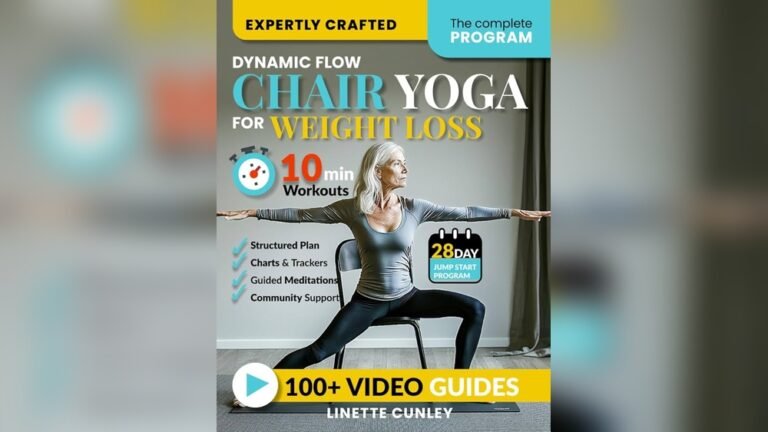
Are you ready to kickstart your fat-burning journey without feeling overwhelmed? This beginner friendly fat burning plan is designed just for you.
It focuses on simple, easy-to-follow steps that fit into your daily life, helping you burn fat effectively and build healthy habits that last. No complicated diets or exhausting workouts—just straightforward strategies that work. Keep reading to discover how you can start burning fat today with confidence and ease!

Credit: www.youtube.com
Fat Burning Basics
Understanding the basics of fat burning helps beginners start their journey confidently. Fat loss is not about quick fixes but steady, healthy changes. Knowing how your body uses fat and the role of calories sets a strong foundation.
This section explains key ideas to make fat burning clear and simple. It covers how fat loss happens, what metabolic flexibility means, and why a calorie deficit matters.
How Fat Loss Happens
Fat loss occurs when your body uses stored fat for energy. This happens during physical activity or when you eat fewer calories than your body needs. Your body breaks down fat cells to fuel muscles and organs. Fat cells shrink over time, leading to weight loss.
Metabolic Flexibility
Metabolic flexibility means your body can switch between using carbs and fat for energy. A flexible metabolism burns fat more easily when carbs are low. This helps with steady energy and fat loss. Building metabolic flexibility involves regular exercise and balanced meals with carbs and healthy fats.
Role Of Calorie Deficit
A calorie deficit happens when you consume fewer calories than your body burns. It forces the body to use stored fat for energy. This is the main factor in fat loss. Creating a small, consistent calorie deficit is safer and more effective than extreme dieting.
Simple Meal Strategies
Simple meal strategies help beginners burn fat without stress. They focus on easy habits that support weight loss. Eating well fuels your body and keeps cravings low. These tips guide your food choices to boost fat burning naturally. Consistency matters more than strict dieting.
Balanced Meals With Protein And Healthy Fats
Include protein in every meal to build muscle and stay full longer. Good sources are chicken, fish, beans, and eggs. Add healthy fats like avocado, nuts, and olive oil. These fats support your metabolism and reduce hunger. Balance carbs with protein and fats to keep energy steady.
Importance Of Hydration
Drink water throughout the day to stay hydrated and aid fat loss. Water helps digestion and reduces false hunger signals. Start your morning with a glass of water to wake your body. Aim for at least 8 cups daily, more if you exercise. Avoid sugary drinks that add empty calories.
Avoiding Late-night Snacking
Stop eating at least two hours before bedtime to improve fat burning. Late snacks can cause weight gain and disrupt sleep. If you feel hungry, choose a small, healthy snack like yogurt or nuts. Create a bedtime routine to reduce cravings. Better sleep helps your body burn fat efficiently.
Beginner Workouts
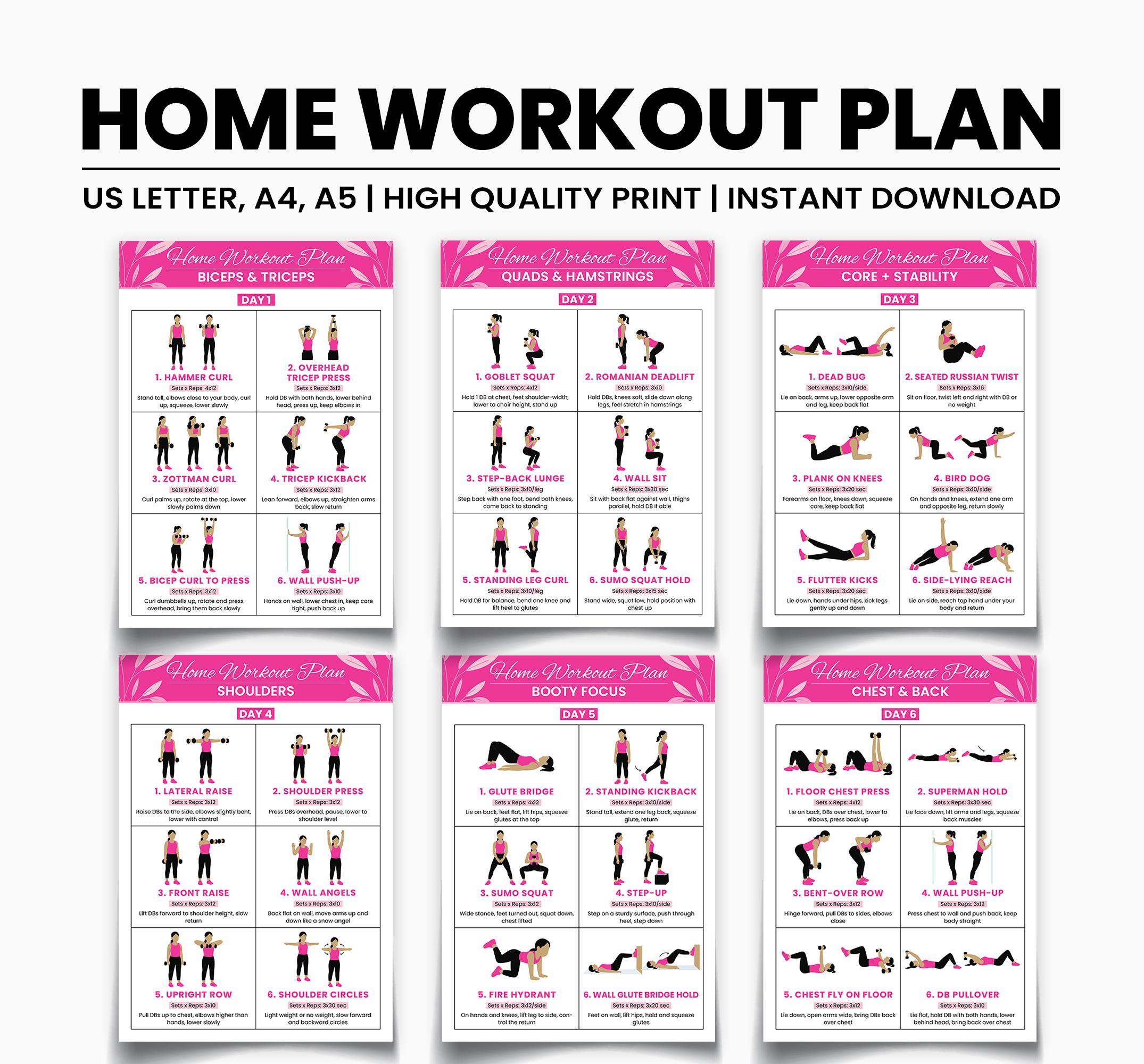
Starting a fat burning journey can feel tough. Simple workouts build confidence and help avoid injury. Beginner workouts focus on easy moves that burn calories and improve fitness. These exercises fit into daily routines and suit all fitness levels. Consistency matters more than intensity for beginners.
Choose workouts that feel good and keep you moving. Slowly increase time and effort as strength grows. This approach helps your body burn fat efficiently and safely. Let’s explore some beginner-friendly workout options that support fat loss.
Low Impact Cardio Options
Low impact cardio is gentle on joints and easy to start. Walking, cycling, and swimming are great choices. These activities raise your heart rate without strain. Beginners can do them for 20 to 30 minutes. Regular sessions help burn fat and improve endurance. Low impact cardio suits people with joint pain or limited mobility.
High-intensity Interval Training (hiit)
HIIT alternates short bursts of effort with rest periods. It burns calories fast and boosts metabolism after exercise. Beginners can start with 15 to 20 minutes of HIIT. Simple moves like jumping jacks or brisk walking work well. Keep intervals short and rest fully to avoid exhaustion. HIIT improves fitness and speeds fat burning.
Muscle Engagement For Fat Burn
Building muscle increases calorie burn even at rest. Strength exercises like bodyweight squats, lunges, and push-ups help. Beginners should focus on proper form and controlled movements. Use light weights or no weights at first. Muscle engagement tones the body and supports fat loss. Include strength training two to three times weekly.
Building Sustainable Habits
Building sustainable habits is key to any fat burning plan. Quick fixes often fail because they do not last. Creating simple, daily routines helps keep progress steady. These habits become part of life, not a short-term effort.
Focus on small changes that feel doable. This way, the body and mind adjust easily. Over time, these habits support fat loss and better health naturally.
Consistency Over Perfection
Daily effort matters more than flawless actions. Missing a workout or eating extra once will not ruin progress. Keep going and stay steady. Consistency builds momentum and confidence. Aim for progress, not perfection.
Avoiding Strict Calorie Counting
Tracking every calorie can feel stressful and confusing. Instead, focus on eating balanced meals with protein, fats, and carbs. Listen to hunger and fullness signals. This helps prevent overeating without strict rules. Choose whole, nutritious foods for steady energy.
Incorporating Movement Daily
Moving the body every day boosts metabolism and burns fat. It does not need to be intense. Walking, stretching, or light exercises work well. Find activities you enjoy and fit them into your routine. Daily movement supports fat loss and overall wellness.
Maximizing Fat Burn Efficiency
Maximizing fat burn efficiency helps you get the most from your workouts. It involves smart training techniques and balancing effort. This approach ensures your body burns fat during and after exercise. Understanding how to optimize fat burn makes your plan more effective and sustainable.
Heart Rate Zone Training
Heart rate zone training targets specific levels of effort. Staying in the fat-burning zone burns more fat during exercise. This zone is usually 60-70% of your maximum heart rate. Use a heart rate monitor to track your effort. Training in this zone improves endurance and fat use. It also prevents overtraining and reduces injury risk.
Post-workout Fat Burn (epoc)
After exercise, your body keeps burning calories. This is called excess post-exercise oxygen consumption (EPOC). High-intensity workouts increase EPOC more than low-intensity ones. This means you burn fat even after your workout ends. Short bursts of intense exercise can boost this effect. EPOC helps improve your overall fat loss over time.
Balancing Workout Intensity And Duration
Finding the right balance between intensity and time is key. Long, moderate workouts burn fat steadily. Short, intense sessions raise metabolism afterward. Combining both types gives the best results. Avoid pushing too hard every day to prevent burnout. Listen to your body and adjust your workouts as needed.
Credit: www.dentalhousecr.com
Common Challenges
Starting a fat-burning plan is exciting but comes with common challenges. These hurdles can slow progress and test motivation. Knowing how to face these issues helps maintain steady results. Simple strategies ease the journey and keep you on track.
Below are key challenges beginners often face and ways to handle them effectively.
Overcoming Plateaus
Plateaus happen when weight loss stops despite effort. The body adapts to new routines and burns fewer calories. Changing your workout intensity or type can jumpstart progress. Adding strength training boosts metabolism and builds muscle. Adjusting food portions slightly may also help break a plateau.
Handling Hunger And Cravings
Feeling hungry or craving sweets can disrupt fat loss plans. Eating balanced meals with protein and fiber keeps hunger away longer. Drinking water before meals can reduce appetite. Choosing healthy snacks like nuts or fruit helps control cravings. Staying busy reduces the chance of eating from boredom.
Avoiding Liquid Calories
Drinks like soda, juice, and alcohol add hidden calories. These can slow fat loss without feeling full. Water is the best choice for hydration and calorie control. Unsweetened tea or black coffee also work well. Limiting sugary drinks improves fat burning results significantly.
Tracking Progress
Tracking progress is a key part of any fat burning plan. It helps you see what works and what needs change. Keeping track keeps motivation high and guides your efforts.
Small steps add up. Watching your progress closely makes your plan clearer and easier to follow.
Using Journals And Apps
Journals and apps are simple tools for tracking your daily habits. Write down meals, workouts, and feelings. Apps can remind you and show trends over time.
Choose tools that fit your style. Some prefer pen and paper; others like digital apps. Both help keep your progress visible and organized.
Measuring Non-scale Victories
Not all progress shows on the scale. Notice how your clothes fit or your energy levels. Celebrate these small wins.
Improved sleep, better mood, and increased strength are signs of success. These victories keep you encouraged and focused.
Adjusting Plans Based On Results
Use your tracked data to make changes. If progress slows, tweak your workout or meals. Be flexible and patient.
Adjustments help avoid plateaus and keep your body challenged. Regular reviews make your plan smarter and more effective.
Credit: www.youtube.com
Conclusion
Starting a fat-burning plan can feel simple and clear. Focus on healthy meals with protein, fats, and good carbs. Drink plenty of water to keep your body working well. Choose easy exercises that fit your daily routine. Build small habits that last instead of quick fixes.
Stay consistent and patient with your progress. Remember, small steps lead to big results over time. Your body will thank you for the care you give it. Keep moving forward and enjoy the journey to better health.