
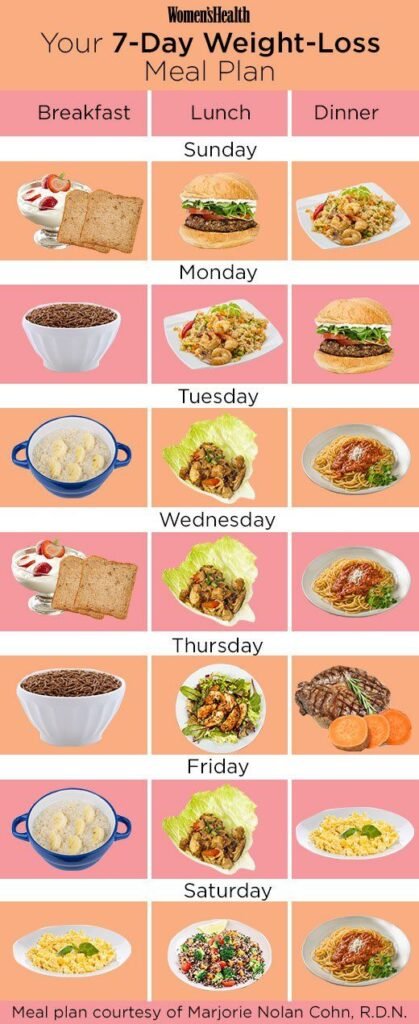
Losing weight can be challenging. What you eat plays a key role.
Finding the best diet food for weight loss is essential for success. With so many options available, it can be overwhelming to choose the right foods. The right diet food not only helps you shed pounds but also keeps you healthy and energetic.
In this blog post, we will explore the best diet foods that aid in weight loss. These foods are not only nutritious but also tasty, making your weight loss journey enjoyable. Whether you are looking to lose a few pounds or make a significant lifestyle change, these diet foods will guide you towards your goals. Get ready to discover some delicious and effective weight loss foods!

Credit: www.pinterest.com
Leafy Greens
Leafy greens are the best diet food for weight loss. Rich in fiber and low in calories, they fill you up. Spinach, kale, and lettuce are great choices for any meal.
Leafy greens are a staple in any weight loss diet. They are nutrient-dense and low in calories. Including leafy greens in your meals can help you lose weight and stay healthy.Nutritional Benefits
Leafy greens are packed with vitamins and minerals. They are high in fiber, which aids digestion. Fiber also keeps you feeling full longer. This can help prevent overeating. Leafy greens are rich in antioxidants. These protect your cells from damage. They also contain calcium, which is important for bones. Some leafy greens, like spinach and kale, have high iron content. Iron is vital for carrying oxygen in your blood.Incorporating Into Meals
There are many ways to add leafy greens to your diet. You can start your day with a green smoothie. Blend spinach with some fruit and water. For lunch, make a big salad with mixed greens. Add some lean protein like chicken or tofu. You can also sauté greens like kale or Swiss chard. Use a little olive oil and garlic for flavor. Add them to soups and stews for extra nutrients. You can even use greens as a base for your meals. Replace rice or pasta with a bed of greens. This will lower the calorie content of your dish.Whole Grains
Whole grains are a great choice for weight loss. They are packed with nutrients and help keep you full longer. Including whole grains in your diet can be both healthy and satisfying. Let’s explore the types of whole grains and their health benefits.
Types Of Whole Grains
Whole grains come in many varieties. Some common types include brown rice, quinoa, oats, and barley. Brown rice is a popular choice and easy to find. Quinoa is known for its high protein content. Oats make a perfect breakfast option. Barley is often used in soups and stews.
Other options are whole wheat, bulgur, and millet. Whole wheat can be used in bread and pasta. Bulgur is quick to cook and great for salads. Millet is a small grain but very nutritious.
Health Benefits
Whole grains offer many health benefits. They are rich in fiber, which aids digestion. Fiber also helps control blood sugar levels. This makes whole grains a good choice for diabetics.
They are also packed with vitamins and minerals. These include B vitamins, iron, and magnesium. These nutrients support overall health and well-being.
Eating whole grains can help with weight management. They keep you full longer, reducing the urge to snack. This can help you stick to your diet plan more easily.
Incorporating whole grains into your diet can be easy and tasty. Try swapping refined grains for whole grains in your meals. Your body will thank you for it.
Lean Proteins
Lean proteins are essential for weight loss. They help build muscle and burn fat. These proteins are low in fat and calories but high in nutrients. Including lean proteins in your diet can boost your metabolism and keep you full longer.
Best Sources
Here are some of the best sources of lean proteins:
- Chicken Breast: Skinless chicken breast is low in fat and high in protein.
- Turkey: Choose ground turkey or turkey breast for a lean option.
- Fish: Salmon, tuna, and cod are excellent sources of lean protein.
- Eggs: Egg whites are pure protein without the fat of the yolk.
- Tofu: A great plant-based protein, low in fat and high in nutrients.
- Beans: Black beans and lentils provide protein and fiber.
- Greek Yogurt: High in protein, low in fat, and helps with digestion.
Role In Weight Loss
Lean proteins play a crucial role in weight loss:
- Boost Metabolism: Protein requires more energy to digest, which boosts your metabolism.
- Reduce Appetite: Protein makes you feel full, reducing overall calorie intake.
- Build Muscle: Protein helps build and repair muscle tissue, which burns more calories.
- Stabilize Blood Sugar: Lean proteins help keep blood sugar levels stable, reducing cravings.
Including lean proteins in your meals can help you lose weight effectively. They provide the necessary nutrients without adding excess calories or fat.
:max_bytes(150000):strip_icc()/article_7866255_foods-you-should-eat-every-week-to-lose-weight_-04-d58e9c481bce4a29b47295baade4072d.jpg)
Credit: www.eatingwell.com
Fruits And Berries
Fruits and berries are essential for a weight loss diet. They are low in calories and high in nutrients. These foods are rich in fiber, vitamins, and antioxidants. Eating them can help you feel full and satisfied. Let’s explore some nutrient-rich options and ways to consume them.
Nutrient-rich Options
Apples are a great choice. They are high in fiber and low in calories. Berries like blueberries and strawberries are packed with vitamins. Oranges and grapefruits are full of vitamin C. Bananas provide a good amount of potassium. Each fruit has unique benefits for weight loss.
Ways To Consume
Add fruits to your breakfast. Mix berries with yogurt or oatmeal. Have an apple as a snack. Make a fruit salad for lunch. Blend a smoothie with bananas and berries. Eating fruits in different ways keeps your diet interesting. It also ensures you get a variety of nutrients.
Legumes And Beans
Legumes and beans are a fantastic addition to any weight loss diet. These plant-based foods are rich in protein and fiber, helping you feel full longer. They are also low in fat and packed with essential nutrients. Adding legumes and beans to your meals can support your weight loss goals while providing a variety of health benefits.
Varieties
There are many types of legumes and beans to choose from. Each offers unique flavors and textures. Here are some popular varieties:
- Black Beans: These beans are rich in protein and fiber. They have a slightly sweet taste.
- Lentils: Available in red, green, and brown varieties. Lentils cook quickly and are versatile.
- Chickpeas: Also known as garbanzo beans. They are great for salads and hummus.
- Kidney Beans: These beans are often used in chili and stews. They have a firm texture.
- Peas: Split peas and green peas are both nutritious and easy to cook.
Nutritional Profile
Legumes and beans are nutrient-dense foods. They provide a wealth of vitamins and minerals:
| Legume/Bean | Calories (per 1 cup) | Protein (g) | Fiber (g) | Fat (g) |
|---|---|---|---|---|
| Black Beans | 227 | 15 | 15 | 1 |
| Lentils | 230 | 18 | 16 | 1 |
| Chickpeas | 269 | 14.5 | 12.5 | 4.3 |
| Kidney Beans | 225 | 15 | 13 | 1 |
| Peas | 117 | 8 | 7 | 0.6 |
Including legumes and beans in your diet can aid in weight loss. They help maintain muscle mass and keep you satisfied longer. Their high fiber content supports digestion and prevents overeating. Legumes and beans are an excellent choice for a healthy diet.
Nuts And Seeds
Nuts and seeds are excellent additions to a weight loss diet. They are nutrient-dense, providing a variety of vitamins, minerals, and healthy fats. Including them in your diet can help you feel fuller longer, reducing overall calorie intake. Below are some key aspects to consider when adding nuts and seeds to your diet.
Healthy Fats
Nuts and seeds are rich in healthy fats, particularly omega-3 and omega-6 fatty acids. These fats are essential for the body and can help improve heart health. Almonds, walnuts, and flaxseeds are great sources of these fats. Eating a small handful of these can keep you satisfied and curb unhealthy snacking.
Portion Control
While nuts and seeds are healthy, they are also high in calories. Portion control is crucial to avoid consuming excess calories. Use a measuring cup to ensure you eat the right amount. Generally, a serving size is about a small handful or 1 ounce.
| Nut/Seed | Calories (per ounce) | Healthy Fat |
|---|---|---|
| Almonds | 160 | Monounsaturated fats |
| Walnuts | 185 | Polyunsaturated fats |
| Flaxseeds | 150 | Omega-3 fatty acids |
To make the most of nuts and seeds, follow these tips:
- Choose unsalted and unflavored varieties.
- Incorporate them into your meals, like salads or yogurt.
- Store them in a cool, dry place to keep them fresh.
By including nuts and seeds in your diet, you can enjoy their numerous health benefits while supporting your weight loss goals.
Dairy Alternatives
Switching to dairy alternatives can help with weight loss. Many people find dairy hard to digest. It can also add unwanted calories. Luckily, there are many tasty and healthy dairy alternatives.
Plant-based Options
Plant-based milk is a great choice. Almond, soy, and oat milk are popular. They are low in calories and easy to find. These options can be used in coffee, smoothies, and baking.
Yogurt made from coconut or almonds is also a good choice. These yogurts are lower in fat. They provide a creamy texture without the extra calories. Many people enjoy them with fruit or granola.
Calcium And Protein
Many dairy alternatives are rich in calcium. This is important for strong bones. Some options are fortified with extra vitamins. Make sure to check the labels for added nutrients.
Protein is also important for weight loss. Some plant-based milks have added protein. Soy milk is a good example. It has almost as much protein as cow’s milk. This can help keep you full longer.
Hydration
Hydration plays a crucial role in weight loss. Proper hydration helps your body function at its best. It can also help control hunger and keep you feeling full. Drinking enough water and other low-calorie beverages is essential for anyone trying to lose weight.
Importance Of Water
Water is vital for your body. It aids digestion, helps transport nutrients, and regulates body temperature. Staying hydrated boosts metabolism and helps burn calories. Drinking water before meals can reduce appetite, leading to fewer calories consumed. Aim for at least eight glasses of water daily.
Low-calorie Beverages
Low-calorie beverages can support your weight loss journey. Herbal teas, black coffee, and flavored water are great options. These drinks offer hydration without extra calories. Avoid sugary drinks and sodas. They add unnecessary calories and can hinder weight loss progress.
Choose drinks wisely. Read labels and opt for low-calorie, low-sugar options. This way, you stay hydrated while supporting your weight loss goals.

Credit: www.netmeds.com
Frequently Asked Questions
What Foods Help With Weight Loss?
Foods like lean proteins, vegetables, fruits, and whole grains can help with weight loss. They are low in calories and high in nutrients.
Are Snacks Allowed In A Weight Loss Diet?
Yes, healthy snacks like nuts, fruits, and yogurt can be included. They help keep hunger at bay and maintain energy levels.
How Do I Choose The Best Diet Food?
Choose foods that are low in calories but high in nutrients. Focus on whole foods like vegetables, fruits, lean proteins, and whole grains.
Are Fruits Good For Weight Loss?
Yes, fruits are great for weight loss. They are low in calories, high in fiber, and packed with essential vitamins.
Conclusion
Choosing the right diet foods helps with weight loss. Focus on whole, natural foods. Vegetables, fruits, lean proteins, and whole grains are key. These foods keep you full longer and provide essential nutrients. Avoid processed foods and sugary drinks. Drink plenty of water.
It’s also important to maintain portion control. Small, consistent changes lead to better results. Remember, a balanced diet and regular exercise work best together. Stick to a healthy eating plan, and you will see progress. Stay committed and patient for lasting weight loss.