
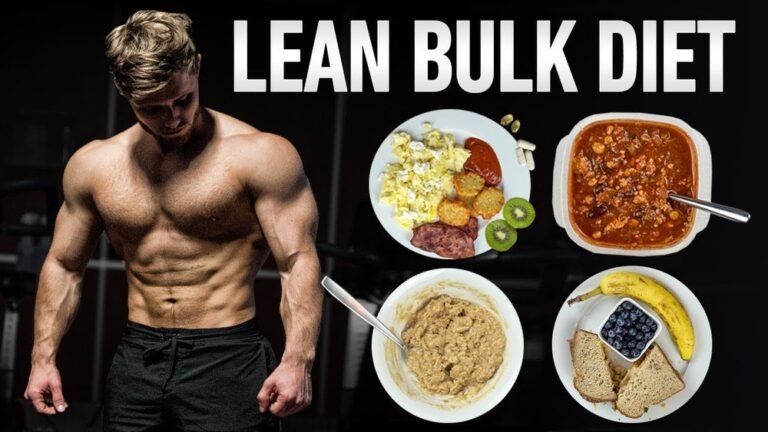
Many people want to burn fat and build muscle at the same time. This goal is popular among those who want a healthier body, better shape, and more energy. But many are confused about what diet actually works. Some say you must lose fat first, then build muscle. Others believe you can do both together. In reality, your diet can help you achieve both if you know how to balance your nutrition, calories, and timing.
This article explains everything you need to know about the best diet to burn fat and build muscle. You will learn how food choices, meal timing, and smart strategies can help your body lose fat while gaining lean muscle. Get ready for clear advice, science-backed tips, and answers to common questions—no complicated words or confusing plans.
Why Diet Matters For Fat Loss And Muscle Gain
Your body needs the right fuel to perform well. Food is not just energy—it gives your body the building blocks to create new muscle and repair itself. At the same time, the wrong foods or too many calories can lead to more fat.
To burn fat, you need to eat fewer calories than you use. For muscle growth, you need enough protein and nutrients so your muscles can repair and grow stronger after exercise. If you only focus on one side, you may lose muscle or gain extra fat. The best diet finds the sweet spot—enough food to support muscle, but not so much that you store fat.
How Your Body Burns Fat And Builds Muscle
When you eat, your body uses calories for energy. If you eat more than you need, the extra turns into fat. If you eat less, your body uses stored fat for energy. But building muscle needs a small amount of extra energy, especially protein, to repair and grow after exercise.
The process works best when you:
- Eat enough protein to build and protect muscle
- Control your calories to create a slight deficit for fat loss
- Choose the right carbs and fats for energy and hormones
- Time your meals to boost workout results
Many beginners overlook how important muscle-protecting protein is during a fat loss diet. Without enough protein, you may lose muscle along with fat, which is not the goal.
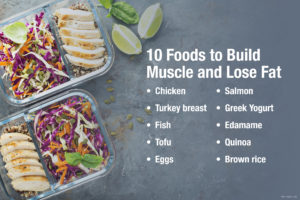
Credit: www.rollacentre.org
Setting Your Calorie Target
The first step is finding out how many calories you need. This is called your maintenance calories—the amount that keeps your weight stable. Then, you create a small calorie deficit (eat a bit less) to burn fat, but not so much that your body breaks down muscle.
How To Estimate Your Maintenance Calories
- Calculate your Basal Metabolic Rate (BMR): This is how many calories your body uses at rest.
- Multiply by your activity level: If you are very active, you need more calories.
A simple way: Multiply your body weight (in pounds) by 14–16. If you weigh 150 pounds and are active, that’s about 2,100–2,400 calories.
Creating A Calorie Deficit
To lose fat, aim for a daily deficit of 300–500 calories. Bigger deficits cause faster fat loss but may lead to muscle loss. Slow and steady is better.
Example: If your maintenance is 2,200 calories, eat around 1,800–1,900 calories per day.
Key Nutrients For Fat Loss And Muscle Building
Not all calories are equal. What you eat matters as much as how much you eat. Focus on three main nutrients:
Protein
Protein is the most important for muscle. It repairs and builds new muscle tissue, and it helps you feel full. People who want to burn fat and build muscle should eat more protein than average.
Aim for 0.7–1 gram of protein per pound of body weight daily. For a 150-pound person, that’s 105–150 grams of protein.
Good sources:
- Chicken breast
- Turkey
- Fish (salmon, tuna, cod)
- Lean beef or pork
- Greek yogurt
- Eggs
- Tofu or tempeh
- Beans and lentils
Carbohydrates
Carbs are your body’s main energy source, especially for workouts. They help you train harder and recover better. Choose whole, unprocessed carbs.
Best options:
- Oats
- Brown rice
- Sweet potatoes
- Whole wheat bread or pasta
- Quinoa
- Fruits
Fats
Healthy fats support hormones and absorb vitamins. Don’t fear fat, but choose the right types.
Healthy fats:
- Olive oil
- Avocado
- Nuts and seeds
- Fatty fish
Limit fried foods, butter, and processed oils.

Credit: www.amazon.com
Sample Macronutrient Breakdown
A balanced diet for fat loss and muscle gain might look like this:
- Protein: 30–35% of total calories
- Carbs: 40–50%
- Fats: 20–30%
Here is a simple example for a 2,000 calorie diet:
| Macronutrient | Grams per Day | Calories | Percent of Total |
|---|---|---|---|
| Protein | 150g | 600 | 30% |
| Carbohydrate | 225g | 900 | 45% |
| Fat | 55g | 500 | 25% |
Adjust the numbers based on your calorie needs.
Meal Timing And Frequency
Some people ask if eating more often helps. The truth: meal frequency matters less than total calories and protein. But timing protein around workouts can help muscle growth.
- Eat protein within 2 hours after training for best results.
- Split protein across 3–5 meals to help your body use it better.
Example:
- Breakfast: Eggs and oats
- Snack: Greek yogurt
- Lunch: Chicken and rice
- Snack: Protein shake
- Dinner: Salmon and sweet potato
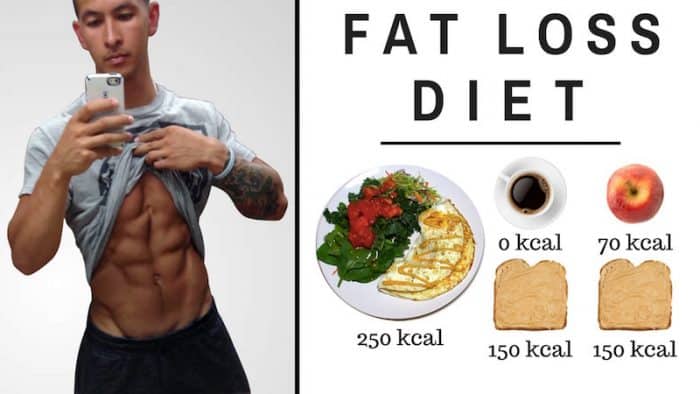
Credit: builtwithscience.com
Foods That Support Fat Loss And Muscle Gain
Focus on whole, nutrient-rich foods. Avoid processed and sugary items that add calories but little nutrition.
Here are the best foods to include:
- Lean meats (chicken, turkey, fish): High in protein, low in fat.
- Eggs: Complete protein, easy to prepare.
- Greek yogurt: High in protein, good for snacks.
- Beans and lentils: Plant protein plus fiber.
- Whole grains: Oats, brown rice, quinoa for energy.
- Leafy greens: Spinach, kale, arugula for vitamins and minerals.
- Berries: Antioxidants and fiber with low calories.
- Nuts and seeds: Healthy fats and some protein.
- Sweet potatoes: Complex carbs, vitamins.
- Avocado: Good fat, filling.
Foods To Avoid Or Limit
Some foods slow your progress by adding empty calories or causing fat gain.
- Sugary drinks (soda, energy drinks)
- Fried foods
- Processed snacks (chips, cookies)
- White bread and pastries
- Fast food
You do not have to avoid all treats forever, but keep them rare.
Sample Meal Plan For Fat Loss And Muscle Gain
Here is a one-day sample meal plan for a 160-pound person aiming for 1,900 calories, 140g protein, 220g carbs, and 50g fat.
Breakfast
- 3 scrambled eggs (210 cal, 18g protein)
- 1 slice whole-grain toast (80 cal, 3g protein)
- 1 cup berries (60 cal, 1g protein)
Snack
- 1 cup Greek yogurt (100 cal, 15g protein)
- 1 medium apple (80 cal, 0g protein)
Lunch
- 5 oz grilled chicken breast (220 cal, 40g protein)
- 1 cup brown rice (220 cal, 5g protein)
- 1 cup steamed broccoli (55 cal, 4g protein)
Snack
- Protein shake (120 cal, 24g protein)
- 10 almonds (70 cal, 2g protein)
Dinner
- 5 oz salmon (240 cal, 35g protein)
- 1 medium sweet potato (100 cal, 2g protein)
- 1 cup spinach salad with olive oil (90 cal, 2g protein)
Total: ~1,900 calories, 140g protein, 220g carbs, 50g fat
Adjust portion sizes to fit your needs.
How Exercise Fits Into The Diet
Diet is only part of the process. You must combine it with strength training and cardio for best results.
- Strength training (weights, resistance bands, bodyweight): At least 3 times per week, focusing on all major muscles.
- Cardio (walking, running, cycling): 2–4 times per week, helps burn extra calories and improves heart health.
Never rely on exercise alone to burn off a bad diet. Nutrition is what drives fat loss and muscle growth.
Tracking Progress: What To Measure
Many people only watch the scale. But when building muscle and burning fat, your weight may stay the same or even go up as you lose fat and gain muscle.
Better ways to track progress:
- Body measurements: Waist, hips, chest, arms, legs.
- Photos: Take front, side, and back photos every 2–4 weeks.
- Strength gains: Can you lift more weight or do more reps?
- How clothes fit: Looser in the waist but tighter in arms/legs is a good sign.
Common Mistakes To Avoid
It’s easy to make errors that slow your results. Watch out for these:
- Too few calories: Big deficits cause muscle loss and slow metabolism.
- Not enough protein: This makes it hard to keep or gain muscle.
- Skipping strength training: Diet alone leads to muscle loss, not just fat loss.
- Unbalanced meals: Relying on carbs or fats and ignoring protein.
- Changing plans too often: Muscle and fat changes are slow. Give your plan 4–6 weeks before adjusting.
Supplements: Are They Needed?
Supplements are not magic. Food should be the main source of your nutrition. But some supplements can help if your diet is lacking.
- Protein powder: Useful if you struggle to get enough protein from food.
- Creatine: Safe and proven to boost strength and muscle gain.
- Omega-3 (fish oil): Good for heart health if you do not eat much fish.
- Multivitamin: Can help fill small gaps but is not a replacement for real food.
Always check with your doctor before adding new supplements.
Special Diet Approaches
You may hear about different diets that claim to help with fat loss and muscle gain. Here’s how some popular ones work:
High-protein Diet
Focusing on high protein keeps you fuller, protects muscle, and can help control calories. Most people see good results with this approach.
Low-carb Or Keto Diet
Some people lose fat quickly with low-carb diets. However, carbs help with energy and performance. If you do heavy workouts, a very low-carb diet can make training harder.
Intermittent Fasting
This plan restricts eating to a set window (like 8 hours per day). It can help some people eat less without feeling deprived. But it does not increase fat loss unless calories are controlled.
Plant-based Diet
You can build muscle and lose fat on a vegetarian or vegan diet. Just pay attention to getting enough protein from beans, lentils, tofu, and whole grains.
Comparing Diet Strategies
Below is a comparison of four common diet strategies for fat loss and muscle gain:
| Diet Type | Main Focus | Best For | Possible Downsides |
|---|---|---|---|
| High-Protein | Muscle retention, appetite control | Most people, easy to follow | May cost more, needs variety |
| Low-Carb/Keto | Quick fat loss, low appetite | People who prefer fatty foods | May reduce workout energy |
| Intermittent Fasting | Meal timing, easy calorie control | People who dislike frequent meals | Can be hard for some schedules |
| Plant-Based | Health, sustainability | Vegetarians, vegans | Needs careful protein planning |
Practical Tips For Success
Even the best plan fails without good habits. Here are proven tips:
- Plan meals in advance: Prepare food at home to control portions.
- Track your food: Use an app or notebook to avoid hidden calories.
- Stay hydrated: Drink water, as thirst can feel like hunger.
- Be patient: Real changes take 2–3 months, not just weeks.
- Enjoy your food: Find recipes and meals you like so you can stick to the plan.
A hidden insight: Many beginners focus only on calories, but fiber is also key. High-fiber foods (veggies, fruits, whole grains) help you feel full on fewer calories and support digestion.
Another insight: Sleep has a big effect on muscle and fat loss. Poor sleep raises hunger hormones and slows muscle repair. Aim for 7–9 hours per night.
Is “recomposition” Possible For Everyone?
“Body recomposition” means losing fat and building muscle at the same time. It is easier for:
- Beginners in weight training
- People returning after a long break
- Those with higher body fat
If you are already lean and strong, it’s slower and harder to do both at once. You may need to focus on one goal at a time (cutting or bulking).
Real-life Example
Let’s meet Sarah. She is 32, weighs 170 pounds, and wants to lose fat and get toned. She starts strength training three times a week and walks daily. She sets her calories at 1,800 per day, with 140g protein, 180g carbs, and 60g fat.
After 8 weeks:
- Her weight drops to 164 pounds.
- Her waist shrinks by 2 inches.
- She lifts heavier weights than before.
- Her arms and legs look more toned.
Sarah’s progress is proof that a balanced diet, enough protein, and regular exercise work together.
The Role Of Cheat Meals
You may wonder if cheat meals help or hurt your goals. An occasional treat is fine if it fits your weekly calories. But regular overeating can erase your deficit and slow fat loss.
Tip: Plan your cheat meal after a hard workout. This is when your body uses extra calories for muscle repair, not fat storage.
Staying Motivated
Results take time, and it’s easy to get discouraged. Keep going by:
- Setting small, clear goals (lose 1 inch from waist, add 10 pounds to squat)
- Tracking progress in a notebook or app
- Finding a workout partner or online support group
- Rewarding yourself with non-food treats (new clothes, a massage)
When To Adjust Your Diet
If you stop seeing progress for more than 3 weeks, it’s time to adjust. Lower your calories by 100–200 per day, or add an extra walk or workout. Small changes are best. Never cut calories too low.
Sample Weekly Progress Tracker
Use a tracker like this to spot trends and stay on target:
| Week | Weight (lbs) | Waist (inches) | Strength Goal Met? | Comments |
|---|---|---|---|---|
| 1 | 170 | 34 | ✔ | Starting out, good energy |
| 2 | 169 | 33.7 | ✔ | Workouts improving |
| 3 | 168.5 | 33.5 | ✔ | Feeling stronger |
| 4 | 168 | 33.2 | ✔ | Steady progress |
Frequently Asked Questions
What Is The Single Most Important Nutrient For Building Muscle And Losing Fat?
Protein is most important. It helps build and protect muscle during a calorie deficit and supports fat loss by keeping you full.
Can I Burn Fat And Build Muscle At The Same Time?
Yes, especially if you are a beginner, overweight, or returning after a break. Use a small calorie deficit, eat enough protein, and do regular strength training. Advanced athletes may need to focus on one goal at a time.
How Much Protein Do I Need Daily?
Aim for 0.7–1 gram per pound of body weight. For example, if you weigh 160 pounds, that’s 112–160 grams per day.
Are Supplements Necessary For Fat Loss And Muscle Gain?
Supplements are not required. Focus on whole foods first. A protein powder can help if you struggle to reach your protein target. Creatine is safe and effective for most people.
Where Can I Read More About Muscle-building Nutrition?
You can find more science-based information at Examine.com, a trusted source for nutrition research.
Reaching your goal takes time, but the right diet makes it possible to burn fat and build muscle together. Focus on eating enough protein, controlling calories, and staying consistent with your plan. With patience and smart choices, you can see real changes in your body and health.