


Are you ready to take control of your weight without feeling deprived or overwhelmed? The secret lies not just in cutting calories, but in adopting smart eating habits that work with your body.
Imagine feeling satisfied after every meal, boosting your energy, and watching the pounds melt away—all by making simple, sustainable changes to how you eat. You’ll discover the best eating habits to lose weight that are easy to follow and proven to deliver results.
Stick with me, and you’ll learn how to enjoy your food while reaching your goals faster than you thought possible.
Credit: my.clevelandclinic.org
Whole Foods Focus
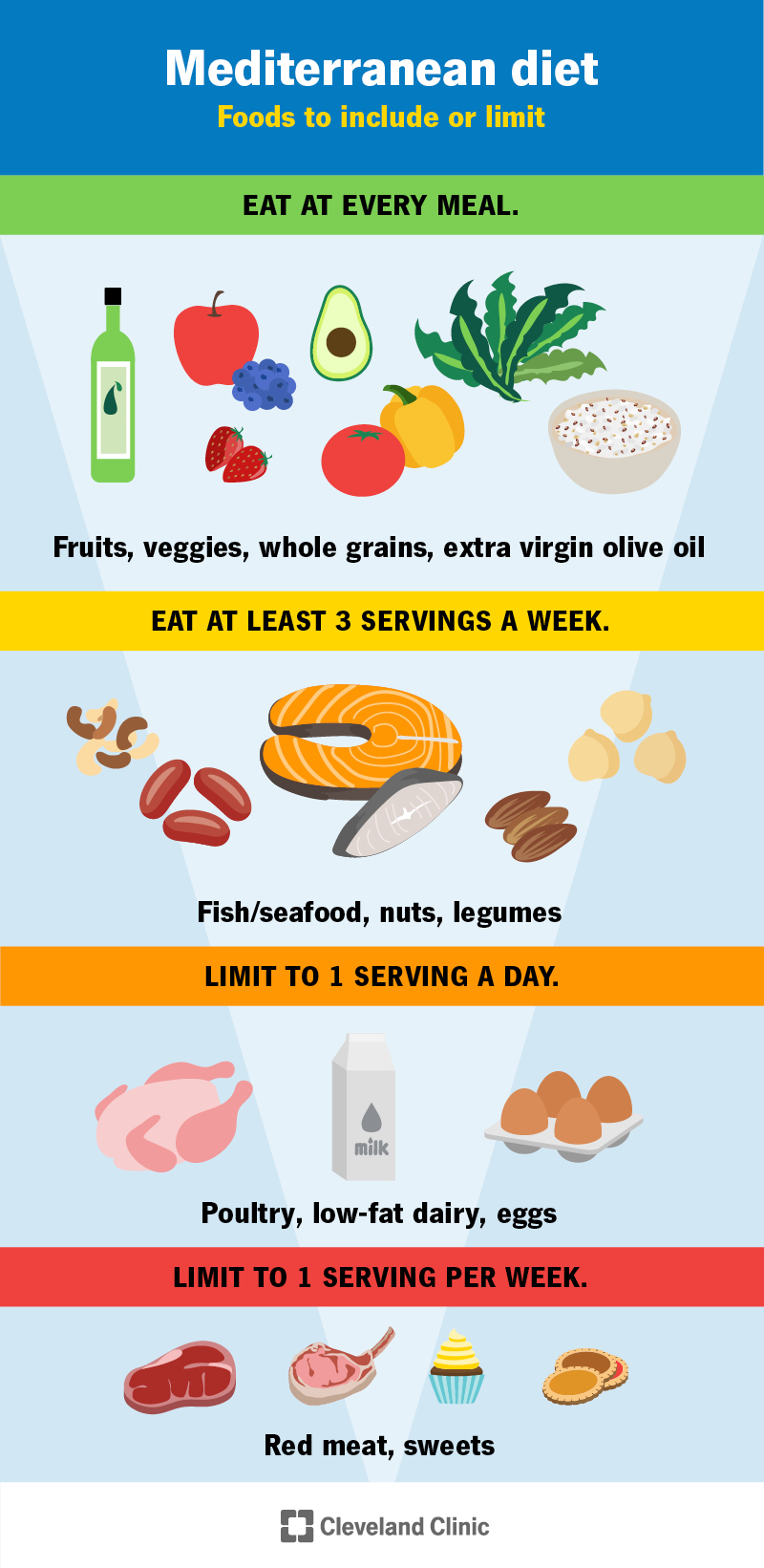
Focusing on whole foods helps you lose weight naturally. Whole foods are fresh and not processed. They keep you full longer and provide real nutrients. This focus means eating foods close to their natural state. It includes fruits, vegetables, lean proteins, whole grains, and healthy fats. These foods support your body and reduce cravings.
Fruits And Vegetables
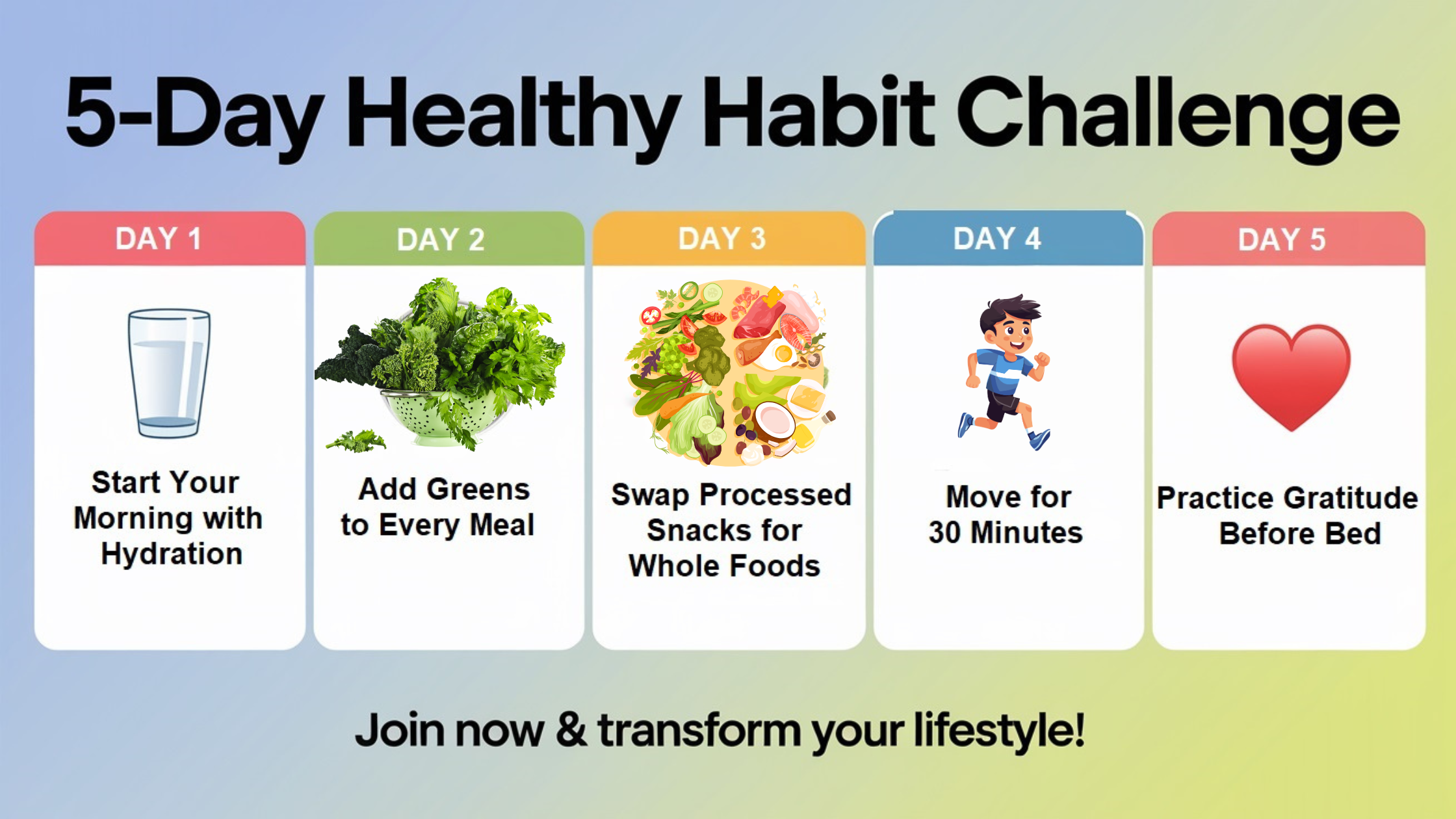
Fruits and vegetables are low in calories and high in nutrients. They have fiber that helps digestion and controls hunger. Eating a variety of colors ensures you get different vitamins. Fresh or frozen options work well. Try to fill half your plate with these at each meal.
Lean Protein Choices
Lean proteins build muscle and keep you feeling full. Good options include chicken breast, turkey, fish, and tofu. These proteins have fewer calories and less fat. They help maintain energy and support weight loss. Include a portion of lean protein in every meal.
High-fiber Carbohydrates
Carbohydrates with fiber help regulate blood sugar and appetite. Choose whole grains like brown rice, oats, and quinoa. Beans and lentils are also great fiber sources. These carbs digest slowly and keep you satisfied longer. Avoid refined grains and sugary snacks.
Healthy Fats
Healthy fats support heart health and brain function. Sources include avocados, nuts, seeds, and olive oil. These fats keep you full and reduce unhealthy cravings. Use them in moderation to add flavor and nutrition. Avoid trans fats and limit saturated fats.
Hydration Tips
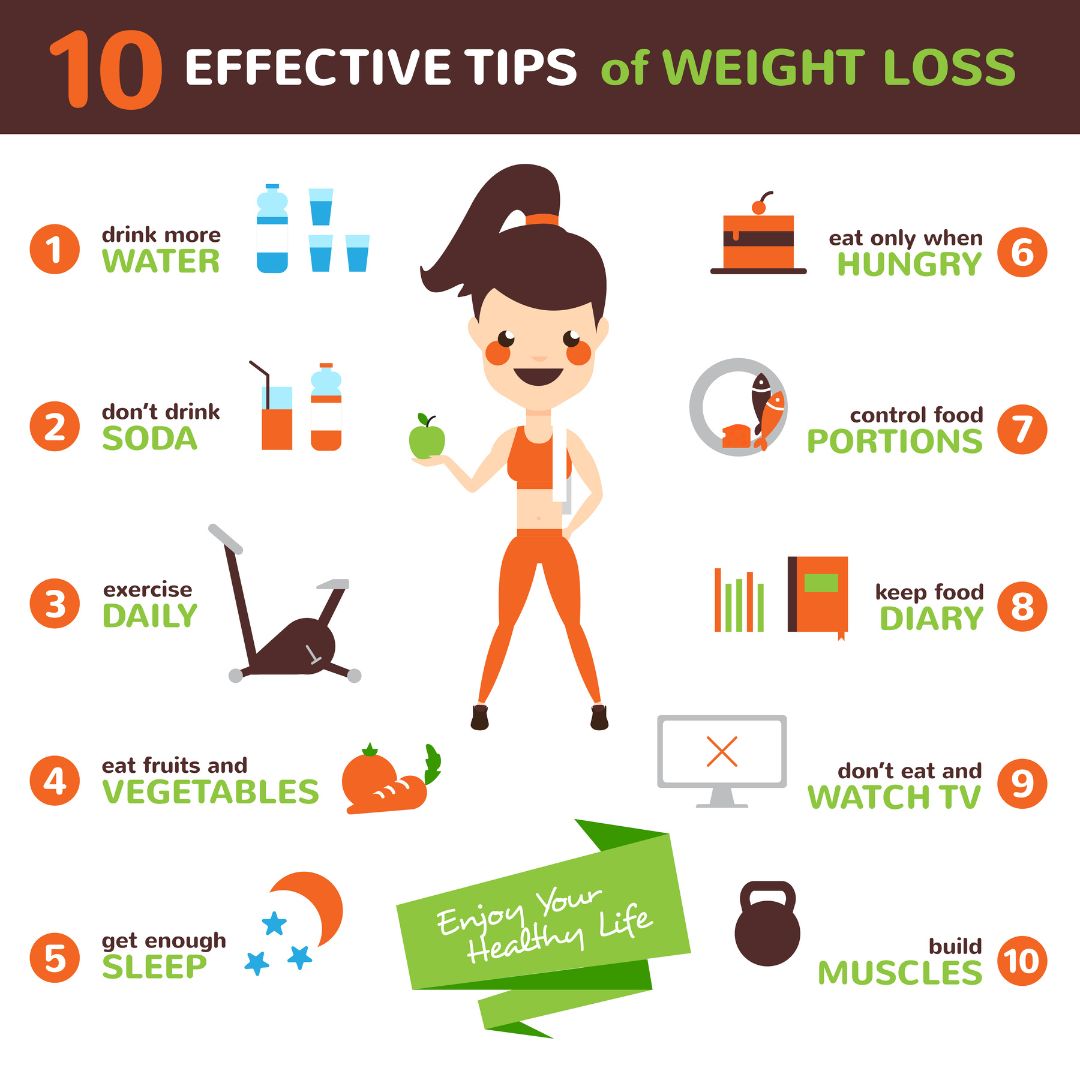
Drink plenty of water throughout the day. Water helps control hunger and boosts metabolism. Sometimes thirst feels like hunger, so drink before eating. Aim for at least eight glasses daily. Herbal teas and water-rich fruits can also help with hydration.
Cutting Processed Foods
Cutting processed foods is a crucial step to lose weight effectively. Processed foods often contain hidden sugars, unhealthy fats, and excess salt. These ingredients can increase calorie intake and cause water retention. Choosing fresh, whole foods helps control hunger and supports metabolism. It also improves overall health and energy levels.
Reducing Added Sugars
Added sugars add calories without nutrients. They often hide in snacks, drinks, and sauces. Consuming too much sugar leads to weight gain and blood sugar spikes. Opt for natural sweeteners like fruit or small amounts of honey. Check labels for sugar content and avoid items with high sugar levels.
Limiting Sodium And Unhealthy Fats
Processed foods tend to be high in sodium and unhealthy fats. Excess sodium causes water retention and bloating. Unhealthy fats, like trans fats, increase bad cholesterol and weight gain. Choose fresh foods and cook meals at home. Use herbs and spices for flavor instead of salt or fat.
Choosing Low-fat Dairy
Low-fat dairy provides protein and calcium with fewer calories. It helps maintain muscle and supports bone health during weight loss. Select low-fat or fat-free milk, yogurt, and cheese. Avoid full-fat versions that add extra calories and saturated fat. This switch supports a balanced, healthy diet.
Mindful Eating Habits
Mindful eating habits help create a strong connection between your body and food. This awareness encourages healthier choices and can support weight loss. Eating mindfully means paying full attention to the experience of eating. It improves digestion and reduces overeating. Practicing mindful eating takes time but offers lasting benefits for your health.
Portion Control
Controlling portion sizes helps manage calorie intake. Use smaller plates to avoid large servings. Serve food in the kitchen, not at the table. Stop eating when you feel comfortably full, not stuffed. Portion control prevents mindless overeating and supports steady weight loss.
Eating At Home
Preparing meals at home gives you control over ingredients. Home-cooked meals often contain fewer unhealthy fats and sugars. Cooking yourself helps manage salt and oil used. Eating at home reduces the temptation of fast food. This habit supports healthier food choices and weight management.
Avoiding Distractions
Avoid watching TV or using phones during meals. Distractions make it hard to notice hunger and fullness signals. Eating without distractions helps you enjoy flavors and textures. It also reduces the chance of eating too fast or too much. Focused eating improves digestion and satisfaction.
Chewing Slowly
Chewing food slowly aids digestion and nutrient absorption. It gives your brain time to register fullness. Slow chewing encourages savoring each bite and reduces overeating. Take at least 20-30 chews per mouthful. This simple habit promotes better control over food intake.
Credit: mapmygenome.in
Protein Timing
Protein timing means eating protein at certain times of the day. It helps support weight loss and muscle health. Eating protein at the right time can control hunger and keep energy steady.
Timing protein intake is simple but effective. It fits well with healthy eating habits for losing weight. Let’s explore why eating protein early matters and how to adjust this idea for different diets.
Benefits Of Protein Early
Eating protein early in the day can boost your metabolism. It helps you feel full longer, reducing the urge to snack. Protein in the morning also stabilizes blood sugar levels.
This habit sets a healthy tone for the day. It guides better food choices and portion control later. Many find it easier to stick to their diet with this routine.
Adapting For Dietary Preferences
Protein timing works for all diets, including vegetarian and vegan. Choose plant-based proteins like beans, lentils, tofu, or nuts. These options provide good nutrition and keep you full.
Those who avoid animal products can still benefit from protein early. Mix different protein sources to get all essential amino acids. This approach supports weight loss and overall health.
Lifestyle Factors
Lifestyle factors play a big role in weight loss. They affect how your body uses energy and burns fat. Healthy habits outside of diet support long-term success. Simple changes in daily routines help improve results. Focus on regular exercise, good sleep, and consistency.
Regular Exercise
Exercise helps burn calories and build muscle. Muscle tissue burns more energy even at rest. Aim for at least 30 minutes most days. Choose activities you enjoy like walking or cycling. Exercise also improves mood and reduces stress. This can help control emotional eating.
Adequate Sleep
Sleep affects hunger hormones and metabolism. Lack of sleep can increase cravings and appetite. Aim for 7 to 9 hours of good sleep each night. Create a calm bedtime routine to improve sleep quality. Avoid screens and heavy meals before bed.
Consistency And Routine
Stick to regular meal times and exercise schedules. Consistency makes healthy habits easier to follow. A routine prevents impulsive eating and skipping workouts. Over time, small habits build lasting changes. Keep your goals clear and stay patient.
Credit: continentalhospitals.com
Conclusion
Adopting healthy eating habits helps you lose weight steadily and safely. Choose whole, unprocessed foods and control your portion sizes daily. Drink enough water and eat mindfully to avoid overeating. Small changes add up to lasting results over time. Stay consistent and patient with your new routine.
Healthy habits support both your body and mind well-being. Keep these simple tips in mind for a balanced lifestyle. Weight loss becomes easier when you enjoy nutritious, satisfying meals.