

Are you curious about what your Body Mass Index (BMI) really means and how to calculate it accurately? Understanding the BMI index formula can be a game-changer for your health journey.
It’s a simple calculation that uses your height and weight to give you a quick snapshot of your body fat level. But there’s more to it than just numbers on a chart—knowing your BMI can help you make smarter decisions about your diet, exercise, and overall wellness.
You’ll discover exactly how the BMI formula works, why it matters, and what the numbers mean for your body. Ready to take control of your health with a clear, easy-to-understand tool? Let’s dive in.

Credit: www.usz.ch
Bmi Basics
Understanding the basics of BMI helps you grasp its role in health. BMI stands for Body Mass Index. It is a simple way to measure body fat using height and weight. This index helps identify if a person is underweight, normal weight, overweight, or obese. Knowing your BMI can guide you toward healthier choices.
What Bmi Measures
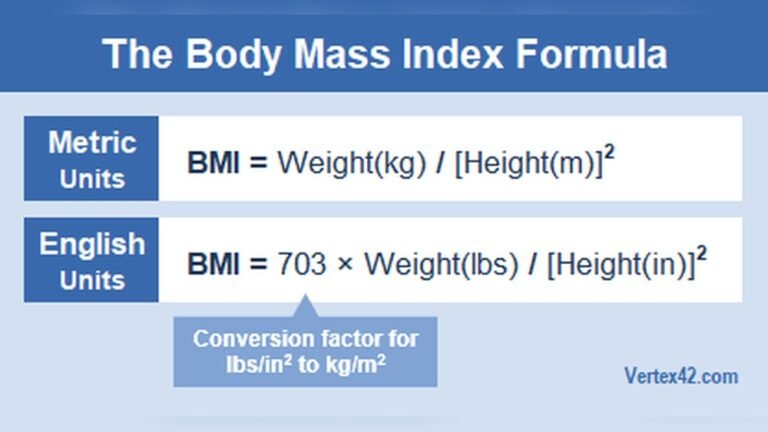
BMI measures the ratio of your weight to your height. It does not measure body fat directly. Instead, it estimates body fat based on how tall and heavy you are. The formula is weight in kilograms divided by height in meters squared. This gives a number that fits into different health categories.
Why Bmi Matters
BMI matters because it helps spot health risks linked to weight. People with high BMI have a higher chance of heart disease, diabetes, and other problems. Doctors use BMI to check general health and to suggest changes in diet or exercise. It is a quick and easy tool for health monitoring.
Bmi Calculation Formula
The BMI calculation formula helps measure body fat using height and weight. It gives a simple number to assess if a person has a healthy weight. This formula uses two main systems: metric and imperial. Each uses a different way to measure height and weight.
Understanding the BMI formula is key to checking your health status. The formulas are easy to apply with basic math. You do not need special tools, just your weight and height. Below, learn the exact formulas and how to calculate BMI step-by-step.
Metric Formula
The metric BMI formula uses kilograms and meters. You divide your weight in kilograms by your height in meters squared. The formula looks like this:
For example, if you weigh 70 kg and are 1.75 meters tall, your BMI is 70 divided by (1.75 × 1.75).
Imperial Formula
The imperial formula uses pounds and inches. Multiply your height in inches by itself, then divide your weight in pounds by this number. Finally, multiply the result by 703.
BMI = (weight (lbs) / [height (in)]²) × 703
This formula adjusts for the different units compared to the metric system. It works well for those using feet and inches for height.
Step-by-step Calculation
Step 1: Measure your weight and height accurately.
Step 2: Choose the correct formula based on your units.
Step 3: Square your height (multiply height by itself).
Step 4: Divide your weight by the squared height.
Step 5: For imperial units, multiply the result by 703.
Step 6: The final number is your BMI. Use it to check your health category.
Interpreting Your Bmi Score
Understanding your BMI score helps you learn about your body weight status. It gives a simple number based on your height and weight. This number shows if you are underweight, normal weight, overweight, or obese. Knowing your BMI category can guide you toward healthier choices.
Keep in mind, BMI is a basic tool. It does not measure body fat directly. It serves as a quick check but not a detailed health report.
Bmi Categories
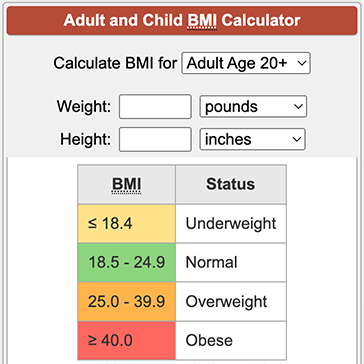
BMI scores fall into clear categories. A BMI below 18.5 means underweight. Between 18.5 and 24.9 is normal weight. Scores from 25 to 29.9 show overweight. A BMI of 30 or higher means obesity. These categories help identify risks linked to different weight levels.
Each category relates to health risks. Underweight individuals may lack nutrients. Overweight and obese people face risks like heart disease and diabetes. Normal weight usually means lower health risks.
Limitations Of Bmi
BMI does not tell the full story about your health. It cannot separate muscle from fat. People with high muscle mass might have a high BMI but low body fat. It also does not consider bone density or fat distribution.
Age, gender, and ethnicity also affect BMI accuracy. Children and older adults need special BMI charts. Use BMI as a starting point. Combine it with other measurements for a full health picture.

Credit: www.registerednursern.com
Bmi For Different Age Groups
BMI, or Body Mass Index, measures body fat using height and weight. It helps identify healthy and unhealthy weight ranges. Different age groups need specific BMI interpretations. Age affects how BMI is calculated and understood. This section explains BMI for children, adults, and older adults.
Children And Teens
BMI for children and teens uses special growth charts. These charts compare their BMI with others of the same age and sex. Doctors check BMI percentiles instead of fixed numbers. A high or low BMI depends on these percentiles. This method helps track healthy growth and development. It also flags potential weight problems early.
Adults
For adults, BMI is a simple number from weight and height. It does not change for age or sex. Adults fall into categories like underweight, normal, overweight, and obese. BMI helps identify health risks linked to weight. It is a quick tool to monitor weight trends over time.
Older Adults
Older adults may have different BMI needs. Muscle loss and bone density changes affect their BMI results. A slightly higher BMI might be healthier for older adults. Doctors consider overall health, not just BMI number. Monitoring BMI helps manage risks like frailty and chronic illness.
New Approaches To Bmi
The Body Mass Index (BMI) has long been a simple tool to estimate body fat using height and weight. New research reveals its limits, especially for athletes and older adults. Scientists now explore better ways to measure health risks linked to body fat. These new approaches aim to improve accuracy and usefulness for everyone.
Revised Bmi Formulas
Standard BMI uses a fixed formula: weight divided by height squared. Some experts suggest changing this formula to better fit different body types. These revised formulas may include different exponents for height or adjust for age and sex. The goal is to reduce errors and give a clearer health picture for diverse groups.
Incorporating Waist Measurements
Waist size adds important information about fat distribution. Belly fat links more closely to health risks than total body fat. Combining waist circumference with BMI helps identify people at risk despite a normal BMI. This method improves risk detection for heart disease and diabetes.
Body Fat Percentage Vs Bmi
Body fat percentage directly measures fat amount in the body. It is more accurate than BMI, which only estimates fat based on weight and height. Tools like skinfold calipers and bioelectrical impedance provide body fat data. Comparing body fat percentage with BMI helps spot those with hidden health risks or strong muscles.
Improving Your Bmi
Improving your BMI is important for better health and well-being. It shows how your weight relates to your height. A healthy BMI lowers risks of heart disease, diabetes, and other conditions.
Small changes in daily habits can improve your BMI. Focus on balanced eating and regular activity. These steps support a healthier body and mind.
Diet Tips
Eat more fruits, vegetables, and whole grains. Choose lean proteins like chicken, fish, or beans. Avoid sugary drinks and fast food. Drink plenty of water every day. Control portion sizes to avoid overeating. Plan meals to include a variety of nutrients. Limit high-fat and high-sugar snacks.
Exercise Recommendations
Exercise helps burn calories and build muscle. Aim for at least 150 minutes of moderate activity each week. Walking, cycling, or swimming are good options. Include strength training two times per week. Find activities you enjoy to stay motivated. Start slow and increase intensity gradually. Consistency is key for lasting results.
When To Seek Medical Advice
Talk to a doctor if your BMI is very high or low. Seek help if you have health problems linked to weight. A doctor can check for underlying issues. They may suggest a tailored plan for diet and exercise. Professional advice ensures safe and effective progress. Regular check-ups help monitor your BMI and health.
Tools To Calculate Bmi
Calculating your Body Mass Index (BMI) helps understand your health better. Many tools make it easy to find your BMI quickly. These tools use your weight and height to give an instant result. Knowing your BMI can guide you to make smart health choices. Here are some common tools to calculate BMI.
Online Calculators
Online calculators are simple to use. Enter your height and weight, then get your BMI instantly. Many websites offer these calculators for free. They are accessible from any device with internet. No need to do math yourself. This is the fastest way to check your BMI.
Mobile Apps
Mobile apps let you calculate BMI on the go. Download an app on your phone or tablet. Many apps also track your weight and health over time. Some apps give tips to improve your BMI. Apps provide convenience and extra features for health tracking.
Professional Assessments
Doctors and health professionals can measure BMI during check-ups. They use accurate tools and methods. Professionals consider factors like muscle mass and overall health. This method gives a more complete picture. It helps create personalized health plans for you.
Credit: www.calculatorsoup.com
Conclusion
Understanding the BMI index formula helps track body weight health simply. It uses height and weight numbers to give a clear ratio. Remember, BMI is a quick check, not a full health test. Muscle, bone, and fat differences do not show in BMI scores.
Use it as a starting point to know your weight category. For detailed health advice, consult a doctor or health expert. Keeping track of BMI can guide better lifestyle choices over time. Stay aware, stay healthy.