

Are you curious about what your BMI means and whether you fall within a healthy range? Understanding the “BMI Normal Range Male” is key to knowing if your weight supports your overall well-being.
Your Body Mass Index (BMI) gives you a simple snapshot of your weight in relation to your height, helping you gauge if you’re underweight, normal, overweight, or at risk for health issues. But what exactly is considered normal for men, and how can this knowledge empower you to take control of your health?
Keep reading to discover the BMI ranges specifically for men, what those numbers really mean, and how you can use this information to make smarter lifestyle choices tailored just for you.
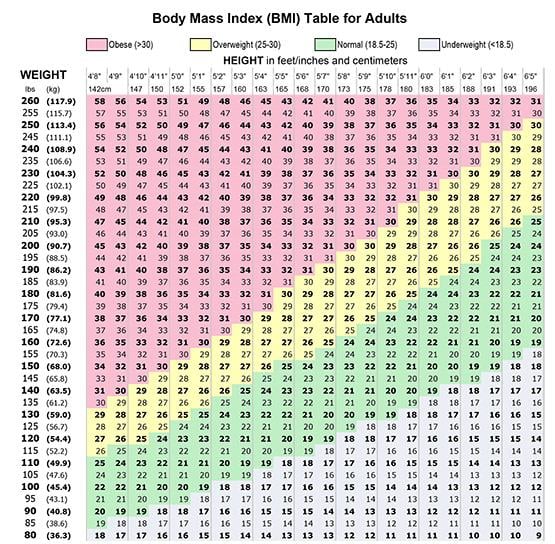
Credit: www.ramsayhealth.co.uk
Bmi Basics
BMI, or Body Mass Index, is a simple way to check if a person’s weight is healthy. It helps to estimate body fat using height and weight. This measure is useful for men to understand their general health status.
BMI does not require special equipment and can be calculated quickly. It is widely used by doctors and health experts worldwide. Knowing the BMI normal range for males can guide healthy weight goals.
What Bmi Measures
BMI measures the relationship between weight and height. It estimates body fat but does not measure fat directly. The result helps classify weight into categories like underweight, normal, overweight, or obese.
These categories show if a person is at risk for health problems linked to weight. For men, keeping BMI within the normal range supports heart health and reduces disease risk.
How To Calculate Bmi
To calculate BMI, divide weight in kilograms by height in meters squared. The formula is BMI = weight (kg) / height (m)². For pounds and inches, multiply weight by 703, then divide by height squared.
For example, a man who weighs 70 kg and is 1.75 meters tall has a BMI of 22.9. This falls within the normal BMI range for males.
Limitations Of Bmi
BMI is a helpful screening tool but has limits. It does not consider muscle mass, bone density, or body composition. A muscular man might have a high BMI but low body fat.
Age, sex, and ethnicity can affect BMI accuracy. It is best to use BMI with other health measures. Always consult a healthcare provider for a full health assessment.
Credit: www.pacehospital.com
Normal Bmi Range For Men
The normal BMI range for men helps identify a healthy weight based on height and weight. It is a simple tool used worldwide. Men with a BMI within the normal range usually have a lower risk of health problems. The BMI number alone does not tell the full story but offers a quick health check.
Standard Healthy Range
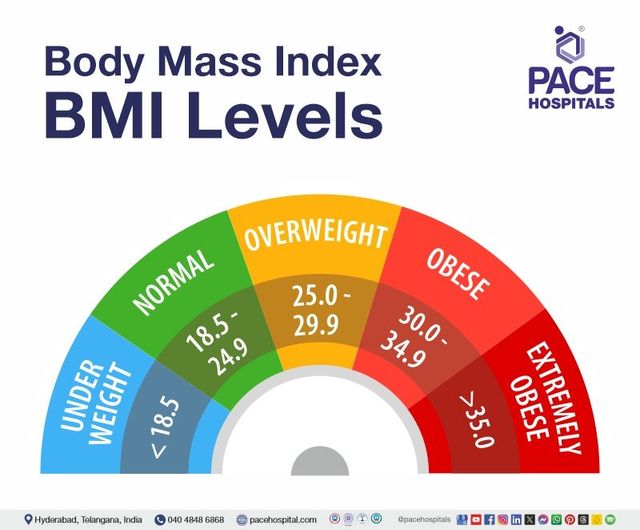
The standard healthy BMI range for men is from 18.5 to 24.9. This range shows a weight that is good for most adult men. Staying within this range lowers the chance of diseases like heart problems and diabetes. Men with a BMI under 18.5 are considered underweight. Those above 24.9 may face health risks linked to overweight.
Age Variations
BMI values can change with age. Older men often have a slightly higher BMI than younger men. Muscle mass tends to decrease with age, affecting BMI results. A BMI slightly above 24.9 might be normal for older men. It is important to consider age when looking at BMI numbers. Always check with a healthcare provider for age-related advice.
Bmi Categories Explained
BMI categories help understand health risks. Underweight is below 18.5 and may signal malnutrition or other issues. Normal weight is from 18.5 to 24.9, the safest zone for health. Overweight is from 25 to 29.9 and can increase risk for some diseases. Obesity starts at a BMI of 30 or higher, linked to higher health risks. These categories guide men to maintain or reach a healthy weight.
Bmi And Body Composition
BMI, or Body Mass Index, estimates body fat using height and weight. It helps identify if a male is underweight, normal, overweight, or obese. BMI alone does not reflect the full story of body composition. Muscle, fat, bone density, and ethnicity affect health beyond BMI numbers. Understanding these factors offers a clearer view of male health.
Muscle Vs Fat Impact
Muscle weighs more than fat. A muscular man may have a high BMI but low fat. BMI cannot separate muscle from fat. This can misclassify healthy, fit men as overweight or obese. Measuring body fat percentage gives more accuracy for fitness and health.
Bone Density Considerations
Bone density also affects BMI results. Men with dense, strong bones may show higher BMI. This does not mean they have excess fat. Bone health is vital for overall wellness. Doctors often check bone density alongside BMI for a full assessment.
Ethnicity And Bmi Differences
Ethnic background changes how BMI relates to health risks. Some groups have higher fat levels at lower BMI values. Others carry weight differently on the body. Healthcare providers consider ethnicity to set correct BMI targets. This helps provide better health advice for men worldwide.
Bmi By Age Groups
BMI, or Body Mass Index, is a useful measure to assess body weight relative to height. It varies across different age groups in men due to changes in metabolism, muscle mass, and fat distribution. Understanding the normal BMI range for each age group helps track health better. Age-specific BMI ranges guide men in maintaining a healthy weight and reducing health risks.
Young Adults
Young adult males usually have higher muscle mass and metabolism. The normal BMI range for this group is 18.5 to 24.9. Staying within this range supports physical activity and overall health. BMI values above 25 may indicate overweight, while below 18.5 could signal underweight. Regular exercise and balanced diet help maintain a healthy BMI.
Middle-aged Men
Metabolism slows down for middle-aged men, affecting BMI. The healthy BMI range remains 18.5 to 24.9 but many fall slightly above it. A BMI between 25 and 29.9 is common and classified as overweight. Men should monitor lifestyle habits to prevent excess weight gain. Balanced nutrition and consistent activity are crucial at this stage.
Seniors And Adjusted Ranges
Seniors often experience muscle loss and fat gain, impacting BMI readings. The ideal BMI range may shift slightly higher, around 24 to 29.9, to reflect these changes. A BMI under 18.5 can be risky, indicating frailty or malnutrition. Health focus should include strength training and nutrient-rich foods. Consulting a healthcare provider for personalized advice is important.
Health Risks Linked To Bmi
Body Mass Index (BMI) is a quick way to assess if a man’s weight is healthy. It helps identify health risks related to being too light or too heavy. BMI numbers outside the normal range can signal problems. These risks affect overall well-being and quality of life.
Underweight Concerns
Men with a BMI below 18.5 are underweight. This may cause weak bones and low energy. Underweight men have a higher chance of infections. They might also face fertility issues. Being underweight can weaken the immune system.
Overweight And Obesity Risks
A BMI over 25 means overweight, and over 30 means obesity. These conditions raise the risk of heart disease. Overweight men often struggle with high blood pressure. Obesity increases the chance of type 2 diabetes. Joint problems and sleep apnea are common too.
Chronic Conditions And Bmi
BMI outside the normal range links to many chronic diseases. It can worsen arthritis and cause breathing problems. High BMI increases the risk of certain cancers. Mental health can also be affected by weight issues. Keeping BMI in the normal range supports long-term health.
Using Bmi As A Health Tool
Body Mass Index (BMI) is a simple tool to assess if a male’s weight is healthy for his height. It helps identify potential health risks linked to weight. Using BMI can guide men to better health choices and timely medical advice. This tool is easy to calculate and widely used in health screenings.
When To Consult A Doctor
Consult a doctor if your BMI is outside the normal range of 18.5 to 24.9. A BMI below 18.5 may signal underweight issues. A BMI above 24.9 could indicate overweight or obesity risks. Medical advice helps identify underlying health problems. Your doctor can suggest tests and lifestyle changes tailored to you.
Combining Bmi With Other Measures
BMI alone does not reveal the full health picture. Muscle mass, bone density, and age affect BMI results. Use waist circumference and body fat percentage for better insights. Blood pressure and cholesterol levels also matter. Combining these measures gives a clearer view of health risks.
Tracking Bmi Over Time
Track your BMI regularly to notice changes in your health. Small shifts can highlight progress or warn of new risks. Keep a log of your BMI every few months. This helps you stay motivated and adjust habits as needed. Regular tracking supports long-term health management.
Tips For Maintaining Healthy Bmi
Maintaining a healthy BMI is key to overall wellness for men. It helps reduce risks of heart disease, diabetes, and other health issues. Small daily changes can keep your BMI within the normal range and improve your quality of life.
Balanced Diet Strategies
Eat a variety of fruits and vegetables every day. Choose whole grains like brown rice and oats over processed ones. Include lean proteins such as chicken, fish, and beans in meals. Limit sugar and high-fat foods to control calorie intake. Drink plenty of water and avoid sugary drinks.
Exercise Recommendations
Aim for at least 150 minutes of moderate exercise weekly. Activities like walking, swimming, or cycling help burn calories. Include strength training twice a week to build muscle. Find exercises you enjoy to stay motivated. Consistency is more important than intensity.
Lifestyle Adjustments
Get enough sleep, around 7 to 8 hours each night. Manage stress with relaxation techniques like meditation or deep breathing. Avoid smoking and limit alcohol consumption. Monitor your weight regularly to track progress. Set realistic goals and celebrate small achievements.
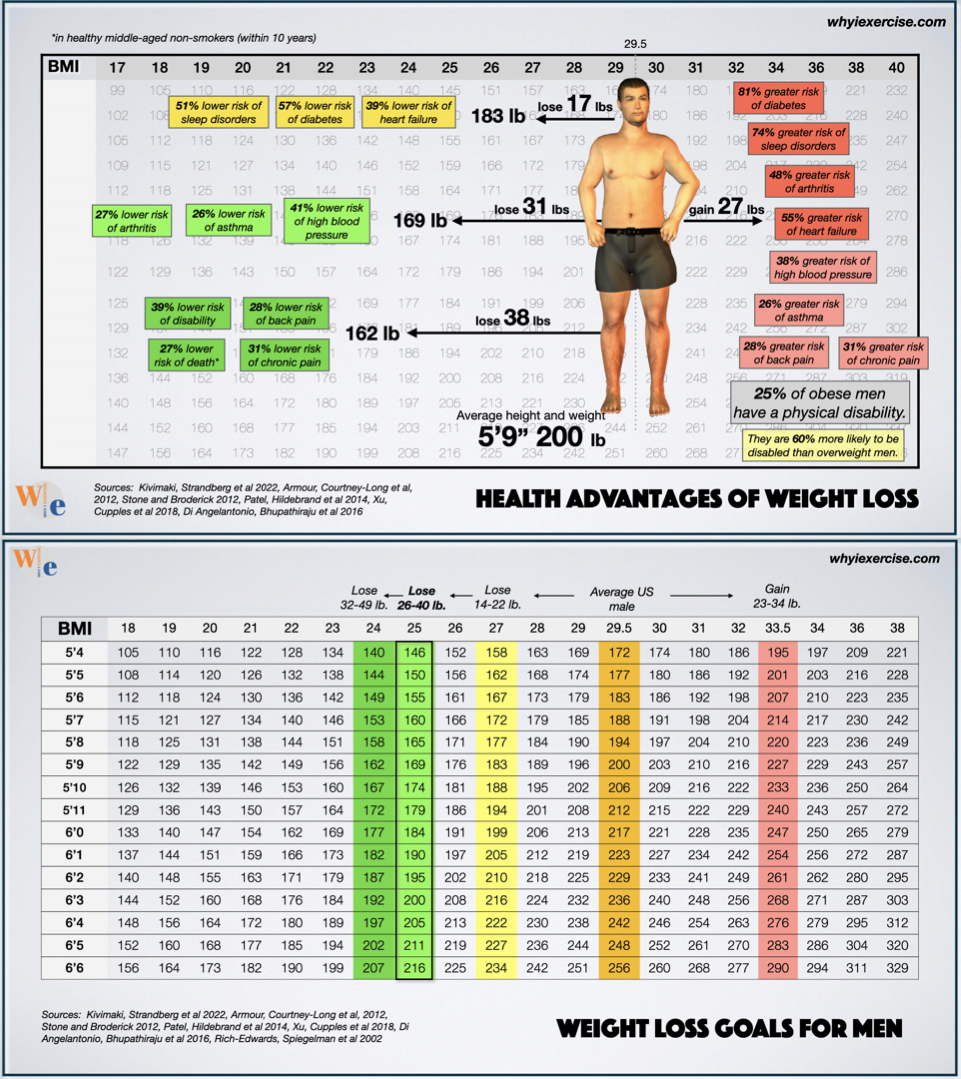
Credit: www.whyiexercise.com
Conclusion
Maintaining a BMI within the normal range supports overall health for men. This range usually lies between 18. 5 and 24. 9. Keep in mind, BMI is a simple tool and not a full health measure. Muscle mass, age, and other factors affect your ideal weight.
Always talk to a healthcare provider for a full health check. Staying active and eating well help keep your BMI in a healthy range. Small changes in lifestyle can make a big difference over time.