

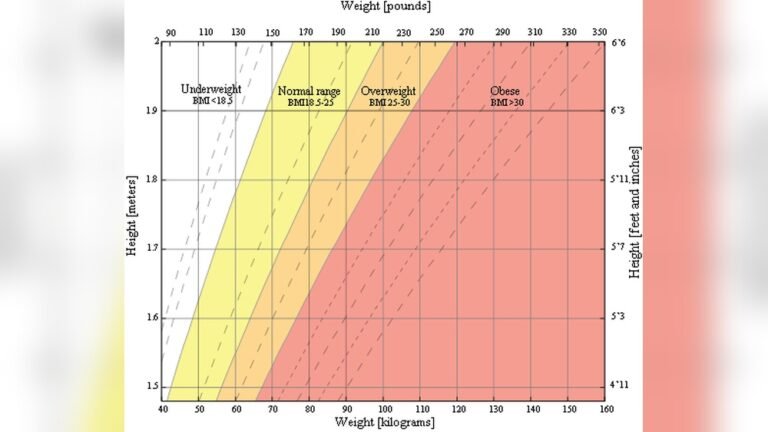
Are you curious about where you stand when it comes to your weight and overall health? A BMI scale calculator can be your quick and easy tool to find out if your weight is in a healthy range.
But here’s the catch: while BMI gives you a simple number, it doesn’t tell the whole story about your body. Understanding how to use a BMI calculator—and what those numbers really mean for you—can help you make smarter choices about your health.
Keep reading to discover how to calculate your BMI, what the numbers mean, and important factors you should consider beyond the scale. This knowledge could be the key to unlocking a healthier you.
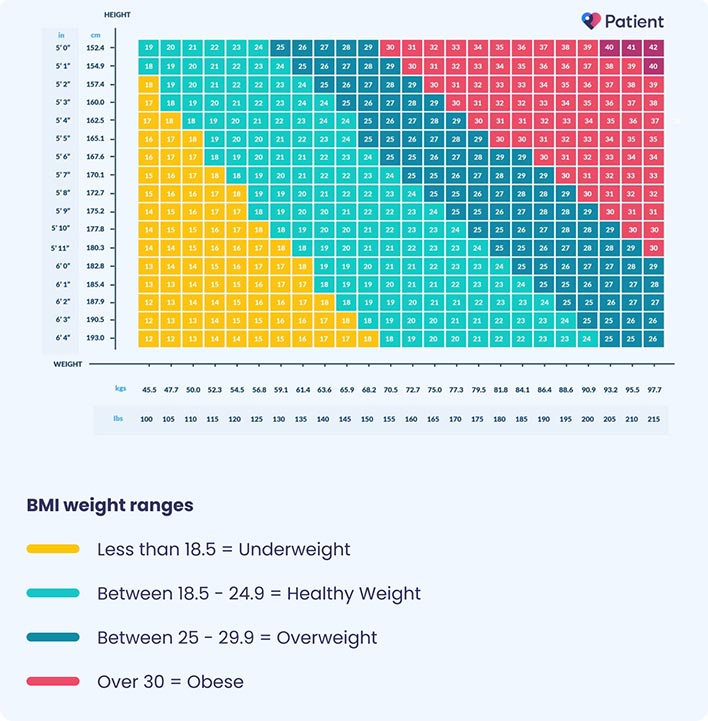
Credit: patient.info
What Bmi Means
Body Mass Index (BMI) is a simple number from height and weight. It helps estimate if a person has a healthy body weight. BMI is used worldwide as a quick way to screen for weight categories. Doctors and health experts use BMI to assess health risks related to weight.
BMI is easy to calculate and gives a general idea about weight status. It does not measure body fat directly but often correlates with body fat levels. Understanding BMI helps people monitor their health and make better lifestyle choices.
Bmi Categories
BMI values fall into specific categories. These categories show if a person is underweight, normal weight, overweight, or obese. A BMI below 18.5 means underweight. Between 18.5 and 24.9 is normal weight. A BMI from 25 to 29.9 is overweight. Thirty or above is obese. These categories help identify potential health risks.
Bmi And Age
BMI does not change with age for adults. The same categories apply regardless of how old a person is. Children and teens have different BMI charts because they grow differently. Older adults may have different body compositions, so BMI might not reflect true health risks. Age should be considered along with BMI for a full health picture.
Limitations Of Bmi
BMI does not measure muscle or fat directly. Muscular people may have high BMI but low body fat. It also does not consider bone density or body shape. Ethnicity can affect body fat distribution, which BMI does not show. BMI is a starting point, not a full health assessment. Consulting a healthcare provider is important for personal advice.
How To Calculate Bmi
Calculating your Body Mass Index (BMI) is a simple way to check if your weight is healthy for your height. BMI gives a number that helps you understand if you are underweight, normal weight, overweight, or obese. This number is easy to find using a formula. Different countries use different units, so the calculation varies slightly.
Metric Units Formula
To calculate BMI using metric units, you need your weight in kilograms and height in meters. Use this formula: BMI = weight (kg) ÷ height (m)². First, square your height in meters by multiplying it by itself. Then, divide your weight by this squared height. The result is your BMI value.
Us Customary Units Formula
If you use pounds and inches, the formula changes a bit. Calculate BMI by this formula: BMI = (weight (lbs) ÷ height (in)²) × 703. Square your height in inches. Next, divide your weight in pounds by this number. Finally, multiply the result by 703 to get your BMI.
Bmi For Children
BMI for children is different from adults. It considers age and gender because kids grow at different rates. Doctors use BMI percentiles to compare a child’s BMI with others of the same age and sex. This helps to understand if a child is underweight, healthy, or overweight.
Factors Affecting Bmi Accuracy
Body Mass Index (BMI) is a common tool to estimate if a person has a healthy weight. It uses height and weight to calculate a number. This number helps identify if someone is underweight, normal weight, overweight, or obese. Despite its popularity, BMI does not always tell the whole story. Several factors affect how accurate BMI is for each person. Understanding these factors helps interpret BMI results better.
Muscle Mass Vs Fat
BMI does not separate muscle from fat. People with high muscle mass can have a high BMI but low body fat. Athletes often fall into this category. Their BMI might label them as overweight or obese, even when they are healthy. This happens because muscle weighs more than fat. BMI cannot show the difference.
Ethnicity Differences
Different ethnic groups have different body compositions. Some groups carry more fat in certain areas. For example, Asian populations may have more body fat at lower BMIs. This means their health risks can start at lower BMI numbers. BMI ranges may not fit all ethnicities equally. Doctors may use different cutoffs for different groups.
Body Composition
Body composition means the percentage of fat, muscle, water, and bone in the body. Two people with the same BMI can have very different body compositions. Higher fat percentage means more health risks. A person with more muscle and less fat may be healthier, even with a higher BMI. Measuring body fat gives a clearer picture than BMI alone.
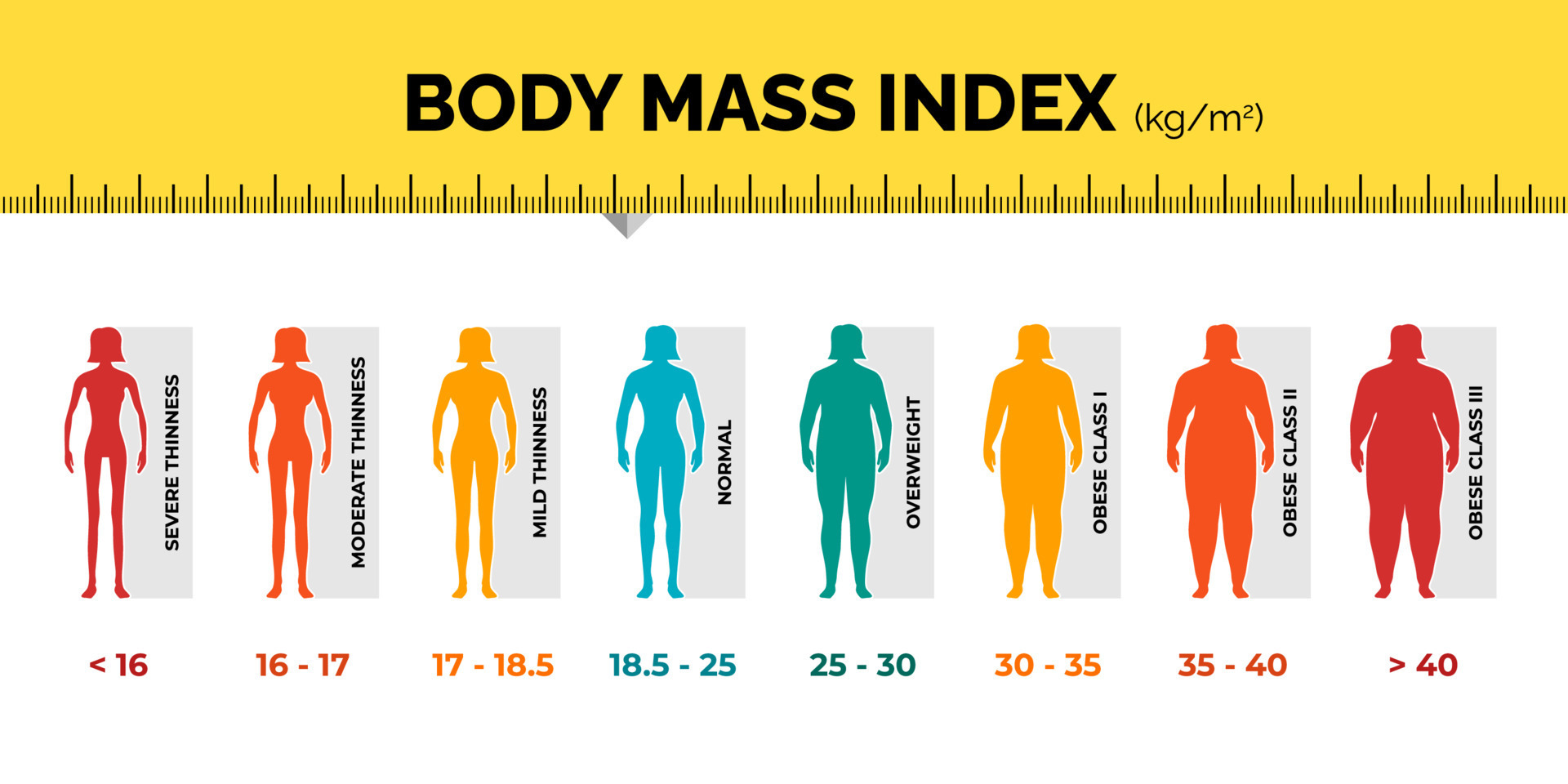
Credit: www.beliteweight.com
Using A Bmi Scale Calculator
Using a BMI scale calculator helps you quickly find out your body mass index. This number shows if your weight is healthy for your height. It is a simple tool for tracking your fitness and health goals.
Knowing how to use the calculator correctly improves your results. Follow clear steps and choose the right tool for your needs. Avoid common errors to get accurate information.
Step-by-step Guide
First, enter your weight in kilograms or pounds. Then, input your height in centimeters or inches. Click the calculate button to see your BMI result. The number will show if you are underweight, normal, overweight, or obese. Check the categories to understand your score better. Save or write down your result for future reference.
Choosing The Right Calculator
Select a calculator that matches your measurement units. Some calculators allow switching between metric and imperial units. Pick one with clear instructions and easy input fields. Use trusted sources like health websites or medical apps. Avoid calculators that require too much personal information. The best tools focus on weight and height only.
Common Mistakes To Avoid
Do not enter wrong weight or height values. Double-check your numbers before calculating. Avoid using outdated or unverified calculators. Remember, BMI does not measure muscle or fat separately. Do not rely only on BMI for health decisions. Consult a healthcare professional for full health advice.
Interpreting Your Bmi Results
Understanding your BMI results helps you know where your weight stands. It shows if your weight is healthy or if you need to take action. BMI is a simple number that gives a quick look at your body weight compared to your height. This section explains how to read those numbers and what they mean for your health.
Healthy Weight Ranges
A BMI between 18.5 and 24.9 is considered healthy for most adults. This range suggests a balance between weight and height. Staying within this range lowers the risk of many health problems. A BMI under 18.5 shows you might be underweight. A BMI over 24.9 means you may be overweight.
When To Seek Medical Advice
See a doctor if your BMI is below 18.5 or above 29.9. Medical advice is important if you have other health issues. Your doctor can check if your weight affects your health. They can help create a plan that fits your needs. Do not rely on BMI alone for your health decisions.
Bmi And Overall Health
BMI is a helpful tool but not the whole picture. It does not measure muscle, fat, or bone mass. Some athletes may have a high BMI but low body fat. Other factors like age, sex, and ethnicity also matter. Use BMI as a starting point, not a final answer.
Alternatives To Bmi
BMI is a common tool to estimate body weight health risks. It uses height and weight to calculate a number. This number helps classify weight status. Still, BMI does not measure body fat or muscle directly. Many people want more precise ways to assess health. Alternatives to BMI offer clearer insights into body composition and wellness.
Body Fat Percentage
Body fat percentage shows the part of your weight made up of fat. It gives a better picture of health than BMI alone. Measuring body fat helps identify if fat levels are too high or low. Tools like skinfold calipers, bioelectrical impedance, and DEXA scans can measure it. This metric is useful for athletes and people with more muscle mass. Tracking body fat guides healthier lifestyle choices.
Waist-to-hip Ratio
Waist-to-hip ratio compares the size of your waist to your hips. It helps estimate fat distribution around the body. A higher ratio means more fat around the waist, which raises health risks. This method links strongly to heart disease and diabetes risk. Measuring waist and hip circumference is simple and cost-free. Waist-to-hip ratio is a practical tool for assessing health risks beyond BMI.
Other Health Metrics
Other metrics give a fuller picture of health. Blood pressure indicates heart health and circulation. Blood sugar levels show risk for diabetes. Cholesterol levels reflect fat in the blood affecting heart disease risk. Physical fitness tests reveal strength and endurance. Monitoring these metrics alongside body measurements improves health tracking. Comprehensive health checks lead to better health decisions.
Tips For Maintaining A Healthy Bmi
Maintaining a healthy BMI is important for overall well-being. It reduces the risk of many health problems. Small, consistent habits help keep your BMI in a healthy range. Focus on diet, exercise, and lifestyle to support your body’s needs. Below are practical tips to guide you in this journey.
Balanced Diet
Eat a variety of foods from all food groups. Include fruits, vegetables, whole grains, and lean proteins. Limit sugary snacks and drinks. Choose healthy fats like those in nuts and olive oil. Control portion sizes to avoid overeating. Drink plenty of water throughout the day.
Regular Exercise
Exercise helps burn calories and build muscle. Aim for at least 30 minutes of moderate activity most days. Walking, cycling, and swimming are good options. Include strength training twice a week. Find activities you enjoy to stay motivated. Consistency is key to maintaining a healthy BMI.
Lifestyle Changes
Get enough sleep to support your metabolism. Manage stress through relaxation or hobbies. Avoid smoking and limit alcohol intake. Stay active during the day, even with small movements. Track your progress with a BMI scale calculator. Make gradual changes for long-lasting results.

Credit: www.gastroclinix.com
Conclusion
Using a BMI scale calculator helps you quickly check your weight category. Remember, BMI is a simple tool and does not measure muscle or fat directly. Different people have different body types and health needs. Always talk to a healthcare provider for a full health check.
Keep track of your BMI to stay aware of your health. Small changes in weight can improve your well-being over time. Stay informed and use the calculator as a helpful guide.