

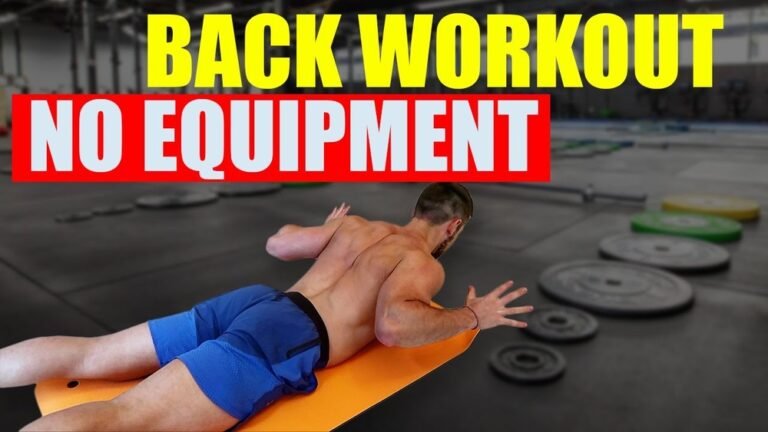
Are you looking to build a stronger, more defined back without stepping foot in a gym or using any equipment? Bodyweight back exercises are your answer.
These moves use your own body as resistance to target key muscles, helping you improve posture, boost strength, and prevent injury—all from the comfort of your home. Whether you’re a beginner or someone wanting to switch up your routine, mastering the right bodyweight exercises can unlock powerful results.
Ready to discover simple, effective ways to train your back and feel stronger every day? Keep reading to learn exactly which exercises to try and how to do them right.
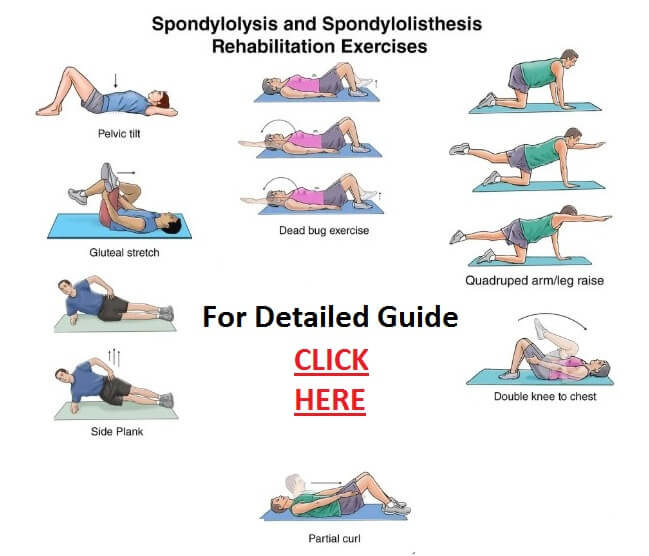
Credit: healthymorninghabits.com
Benefits Of Bodyweight Back Training
Bodyweight back training offers many benefits beyond muscle strength. It helps improve posture and reduces the risk of back pain. Training without weights uses your body as resistance. This approach builds strength naturally and safely. It fits well with many lifestyles and fitness levels.
Muscle Development Without Equipment
Bodyweight exercises activate multiple back muscles at once. Movements like pull-ups and body rows target the lats, traps, and rhomboids. These exercises improve muscle tone and size over time. No gym or weights are needed to build a strong back. Consistent effort leads to visible muscle development.
Improved Flexibility And Mobility
Bodyweight back workouts enhance joint flexibility. Exercises involve full range of motion and controlled movements. This helps increase spine mobility and shoulder health. Better flexibility reduces stiffness and the chance of injury. It supports everyday activities with ease and comfort.
Convenience And Accessibility
Bodyweight back training requires zero equipment or special space. You can do workouts at home, parks, or while traveling. This ease encourages regular exercise without excuses. It suits busy schedules and tight budgets. Anyone can start training their back anytime, anywhere.
Key Back Muscles Targeted
Bodyweight back exercises target several key muscles that support posture, movement, and strength. These muscles work together to help you pull, lift, and stabilize your upper body. Understanding which muscles you engage during bodyweight exercises helps improve form and maximize results.
Each muscle group plays a unique role in back workouts. Strengthening them can reduce injury risk and enhance daily activities. The main muscles targeted include the latissimus dorsi, rhomboids, trapezius, erector spinae, and rear deltoids.
Latissimus Dorsi
The latissimus dorsi, or lats, are large muscles on the sides of your back. They help pull your arms down and back. Pull-ups and bodyweight rows activate the lats effectively. Well-developed lats create a wide, V-shaped back.
Rhomboids And Trapezius
The rhomboids lie between your shoulder blades and spine. They pull the shoulder blades together. The trapezius covers the upper back and neck area. These muscles stabilize your shoulders during exercises. Bodyweight rows and scapular pull-ups target them well.
Erector Spinae
The erector spinae muscles run along the spine. They keep your back upright and support spinal movement. Exercises like superman holds and back extensions activate these muscles. A strong erector spinae improves posture and reduces lower back pain.
Rear Deltoids
The rear deltoids are the back part of your shoulder muscles. They assist in pulling your arms backward. Bodyweight reverse flys and horizontal pulls engage these muscles. Strengthening rear deltoids balances shoulder strength and supports posture.
Essential Bodyweight Exercises
Building a strong back without weights is simple with bodyweight exercises. These moves use your own weight to challenge muscles. They improve strength, posture, and mobility.
Focus on exercises that work different parts of your back. This approach helps balance muscle development and avoid injury. Here are essential bodyweight back exercises you can do anywhere.
Pull-ups And Chin-ups
Pull-ups and chin-ups target the upper back and biceps. Grab a bar with your hands shoulder-width apart for pull-ups. Use an underhand grip for chin-ups. Pull your body up until your chin clears the bar. Lower slowly. These exercises build strength and improve grip.
Inverted Rows
Inverted rows work the middle back and rear shoulders. Lie under a sturdy bar or table. Grab the bar with an overhand grip. Keep your body straight and pull your chest toward the bar. Lower yourself back down with control. Adjust difficulty by changing your body angle.
Superman Holds And Extensions
Superman holds strengthen the lower back and core. Lie face down with arms extended forward. Lift your arms, chest, and legs off the floor. Hold this position for 20-30 seconds. For extensions, lift and lower your chest slowly. These moves improve posture and spinal stability.
Reverse Snow Angels
Reverse snow angels target the upper back and shoulder muscles. Lie face down with arms at your sides. Slowly raise your arms overhead, keeping them off the floor. Move them back to the starting position. This exercise improves shoulder mobility and strengthens the upper back.
Exercise Variations For All Levels
Bodyweight back exercises offer a flexible way to strengthen your back muscles. You can adjust these exercises to fit any fitness level. This ensures steady progress and avoids injury. Everyone can find a suitable challenge, from beginners to advanced athletes.
Beginner Modifications
Start with simple movements that build a foundation. Wall slides help activate your upper back muscles gently. Bird dogs improve lower back stability with minimal strain. Perform modified inverted rows using a low bar or table. Keep reps low and focus on form. Rest between sets to avoid fatigue.
Intermediate Progressions
Increase intensity by adding more reps and range of motion. Try full inverted rows with feet on the ground. Use a sturdy surface like a low bar or rings. Incorporate prone superman holds to engage the entire back. Add slow, controlled pull-ups with assistance bands. These movements develop strength and endurance.
Advanced Challenges
Push your limits with harder exercises for muscle growth. Perform strict pull-ups and chin-ups without assistance. Use one-arm inverted rows for unilateral strength. Add explosive movements like jumping pull-ups. Combine static holds at the top of pull-ups for time. These exercises demand strength, control, and focus.
Balancing Horizontal And Vertical Pulls
Balancing horizontal and vertical pulls in your back workout ensures full muscle development. Both types target different muscle fibers and movement patterns. This balance prevents muscle imbalances and reduces injury risk. It also improves posture and strength. Including both pulls creates a well-rounded back routine.
Importance Of Movement Variety
Movement variety targets all parts of the back effectively. Horizontal pulls work the mid-back and rear shoulders. Vertical pulls focus on the upper back and lats. Using both types builds strength evenly. It also improves muscle coordination and flexibility. Variety keeps workouts interesting and challenges the muscles.
Examples Of Horizontal Pull Exercises
Horizontal pulls involve pulling weight or body horizontally. Inverted rows are a great bodyweight horizontal pull. You lie under a bar and pull your chest up to it. Bodyweight rows using rings or TRX straps work well too. These exercises strengthen the rhomboids and middle traps. They help improve scapular control and posture.
Examples Of Vertical Pull Exercises
Vertical pulls require pulling your body or weight downward. Pull-ups are the most effective vertical pull exercise. Chin-ups also work the vertical pulling muscles but focus more on the biceps. Jumping pull-ups or assisted pull-ups help beginners build strength. These moves target the lats, upper traps, and biceps. Vertical pulls improve pulling power and shoulder stability.
Form And Technique Tips
Bodyweight back exercises rely heavily on proper form and technique. Maintaining correct posture ensures you target the right muscles effectively. It also reduces the risk of injury during workouts. Small adjustments in alignment and breathing can make a big difference in results. Focus on these tips to improve your back strength safely and efficiently.
Maintaining Proper Alignment
Keep your spine neutral throughout each exercise. Avoid arching or rounding your back. Engage your core to support your lower back. Position your shoulders down and back, away from your ears. This helps activate the upper back muscles better. Always move in a controlled and steady manner. Proper alignment improves muscle activation and prevents strain.
Common Mistakes To Avoid
Do not use momentum to complete reps. Swinging reduces muscle engagement and risks injury. Avoid letting your hips sag or rise too high. This can put pressure on your lower back. Do not lock your elbows during pulling movements. Keep a slight bend to protect your joints. Skipping warm-ups or rushing through sets also harms progress.
Breathing And Muscle Engagement
Inhale deeply before each movement. Exhale steadily as you contract your back muscles. Proper breathing supports muscle control and oxygen flow. Focus on squeezing your shoulder blades together. This activates your rhomboids and traps efficiently. Avoid holding your breath during exercises. Consistent breathing helps maintain strength and endurance.
Building Strength And Flexibility
Building strength and flexibility in the back is key to overall body health. A strong back supports good posture and reduces injury risk. Flexibility allows smooth movement and eases muscle tension. Bodyweight back exercises offer a simple way to improve both strength and flexibility. These exercises require no equipment and can be done anywhere.
Incorporating Stretching Routines
Stretching helps increase back flexibility and relieves tight muscles. Include gentle stretches before and after exercises. Cat-cow stretches and child’s pose improve mobility. Hold each stretch for 20 to 30 seconds. Stretching also boosts blood flow to muscles. This prepares your back for exercise and aids recovery.
Progressive Overload Without Weights
Strength grows when you challenge muscles more over time. Use body position to increase difficulty. For example, change the angle of inverted rows or slow down the movement. Add more repetitions or sets gradually. Focus on controlled, slow motions to make muscles work harder. This method builds strength without needing weights.
Recovery Strategies
Rest and recovery are vital for muscle growth and flexibility. Avoid training the same back muscles two days in a row. Use light stretching or gentle yoga on rest days. Stay hydrated to help muscle repair. Sleep well to support recovery processes. Proper recovery reduces soreness and prevents injury.

Credit: learn.athleanx.com
Sample Workout Plans
Sample workout plans help structure your bodyweight back exercises effectively. They guide you through balanced routines, ensuring all back muscles get attention. These plans suit different goals like full-body fitness, back strength, or flexibility. Follow these examples to keep workouts varied and productive.
Full-body Focused Routine
Start with a warm-up to prepare your muscles. Include exercises like bodyweight squats and push-ups for overall strength. Add inverted rows to target your back horizontally. Follow with plank holds to engage your core. Finish with superman holds to strengthen your lower back. Repeat the circuit 3 times with 30 seconds rest between sets.
Back-focused Bodyweight Circuit
Begin with jumping jacks to increase your heart rate. Perform pull-ups or assisted pull-ups if you can. Do inverted rows using a low bar or sturdy table. Add reverse snow angels for shoulder and upper back mobility. Include cobra stretches to open your chest and back. Complete 4 rounds, resting 45 seconds between each round.
Flexibility Emphasis Sessions
Warm up with gentle arm circles and neck rolls. Practice cat-cow stretches to mobilize your spine. Move into thread-the-needle poses for shoulder relief. Perform child’s pose with arms extended to stretch your upper back. End with seated forward folds to relax your lower back. Hold each stretch for 20 to 30 seconds and repeat the sequence twice.
Tracking Progress And Staying Motivated
Tracking progress and staying motivated are key to success with bodyweight back exercises. Seeing improvement keeps you focused and encourages consistency. Small wins add up to big changes in strength and muscle tone. A clear plan helps measure progress and maintain enthusiasm.
Without tracking, it is easy to lose sight of goals. Motivation can drop if you feel stuck or don’t see results. Keeping records and setting targets gives a clear path forward. It also makes workouts more rewarding and less frustrating.
Setting Realistic Goals
Start with simple, achievable goals for your back workout. For example, aim to complete 10 perfect reps of a body row. Gradually increase reps or difficulty over weeks. Realistic goals prevent burnout and build confidence. Write your goals down and review them often. Adjust goals as you improve to keep challenges fresh.
Using Reps And Sets For Growth
Track the number of reps and sets completed each session. Increasing reps or adding sets helps build strength. Note how many reps you do with good form. Focus on quality over quantity to avoid injury. Use a journal or app to record your workouts. This data shows clear progress over time.
Overcoming Plateaus
Plateaus happen when progress slows or stops. Change your routine by adding new exercises or increasing reps. Try slower movements or hold positions longer to increase challenge. Rest days and proper nutrition also help break plateaus. Stay patient and consistent; progress will resume.
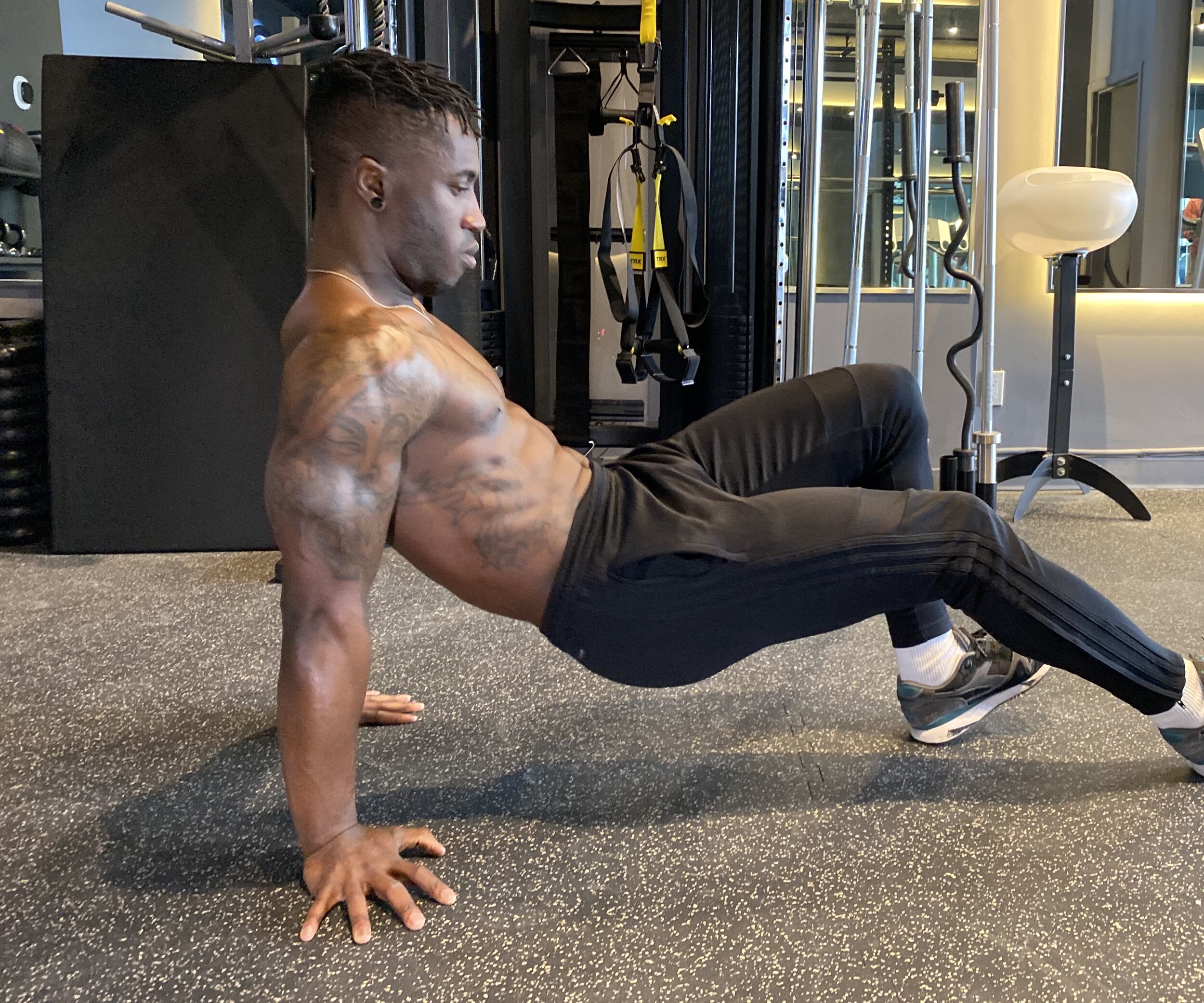
Credit: www.housefit.ca
Conclusion
Bodyweight back exercises build strength without needing gym gear. They improve posture, reduce pain, and boost overall fitness. Regular practice helps tone muscles and increase endurance. Start with simple moves, then increase difficulty as you progress. Consistency matters more than intensity in the beginning.
These exercises suit all fitness levels and can be done anywhere. Keep your form correct to avoid injury and get best results. A strong back supports daily activities and sports alike. Try these moves to stay active and healthy every day.