


Are you struggling to shed those extra pounds despite trying countless diets? The key to lasting weight loss isn’t just about eating less—it’s about changing your eating habits in a way that fits your life.
When you adjust what and how you eat, you can create a calorie deficit that helps your body burn fat without feeling deprived or overwhelmed. But how do you make these changes stick? You’ll discover simple, practical steps to transform your eating habits for real, sustainable weight loss.
Keep reading to unlock the secrets that will empower you to take control of your health and see lasting results.

Credit: www.health.harvard.edu
Calorie Deficit Basics
Understanding the basics of a calorie deficit is key to losing weight by changing eating habits. A calorie deficit happens when you eat fewer calories than your body uses. This forces your body to use stored fat for energy, leading to weight loss.
Creating a calorie deficit does not mean starving yourself. It means eating just enough to fuel your body while using stored fat as energy. This approach helps you lose weight steadily and safely.
How Eating Less Burns Fat
When you eat less than your body needs, it looks for energy elsewhere. The body turns to fat stores to fill the gap. This process burns fat and reduces body weight over time.
Eating fewer calories slows down some body functions but keeps you healthy if done correctly. It is important to reduce calories gradually and not suddenly.
Choosing Nutrient-dense Foods
Eating nutrient-dense foods helps you stay full longer with fewer calories. These foods contain vitamins, minerals, and fiber but are low in calories.
Examples include vegetables, fruits, lean meats, and whole grains. They support your body’s needs while helping you maintain a calorie deficit.
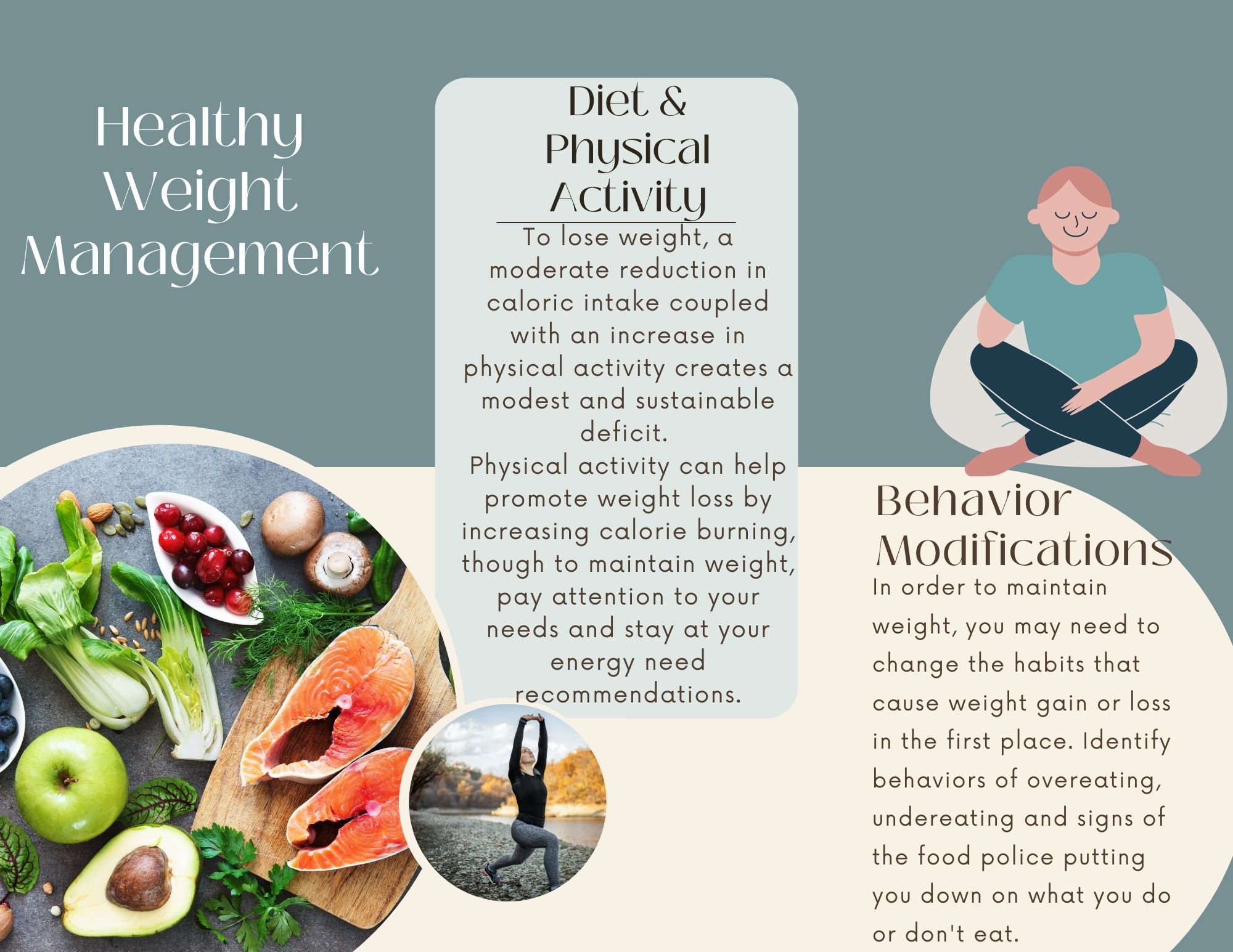
Credit: pressbooks.calstate.edu
Diet-only Weight Loss
Diet-only weight loss focuses on reducing calorie intake without adding exercise. Many people try this method to shed pounds quickly by eating less. It works by creating a calorie deficit, meaning you consume fewer calories than your body needs. This forces the body to use stored fat for energy. While effective at first, this approach has both benefits and limits.
Benefits And Limitations
Diet-only weight loss can lead to fast results in the beginning. It is simpler to follow since it does not require extra time for workouts. You can adjust your eating habits to cut calories and lose weight steadily. Eating nutrient-rich, low-calorie foods helps you feel full and satisfied.
Still, this method has limits. Losing weight by diet alone may cause muscle loss. Without exercise, the body might burn muscle along with fat. Muscle loss can slow down your metabolism, making future weight loss harder. Also, diet-only plans may not support long-term weight control well. Many people regain weight after stopping strict dieting.
Risks Of Muscle Loss And Metabolism Slowdown
Muscle loss is a common risk when losing weight without exercise. Muscles burn calories even at rest, so losing muscle lowers your metabolic rate. A slower metabolism means your body uses fewer calories daily. This can cause weight loss to stall or reverse quickly.
When muscle mass drops, strength and energy levels may fall too. The body may feel weaker and less able to stay active. This can hurt your overall health and well-being. Keeping muscle during weight loss is important to maintain metabolism and strength.
When Medical Supervision Is Needed
Medical supervision is important for very low-calorie diets or rapid weight loss plans. People with obesity or health conditions should not try extreme diets alone. Doctors can monitor risks and adjust plans safely.
Special diets may be used before surgery or for serious health reasons. A healthcare provider ensures you get enough nutrients and avoid side effects. They can also guide you on when to add exercise and how to keep weight off long term.
Combining Diet And Exercise
Combining diet and exercise creates a powerful strategy for effective weight loss. Changing eating habits helps control calorie intake. Adding exercise increases calorie burn and supports overall health. Together, they promote steady, sustainable weight loss.
Why Exercise Boosts Weight Loss
Exercise burns extra calories beyond what diet alone can do. Physical activity increases energy use, helping create a larger calorie deficit. This speeds up fat loss and improves body composition. Exercise also helps regulate appetite and reduces cravings for unhealthy foods.
Building Muscle To Raise Metabolism
Muscle tissue burns more calories than fat, even at rest. Strength training builds muscle and raises your resting metabolism. This means your body uses more energy throughout the day. Maintaining muscle helps prevent the slowdown in metabolism that often follows weight loss.
Health Benefits Beyond Weight Loss
Exercise strengthens the heart and lungs, improving overall fitness. It reduces stress and improves mood by releasing feel-good hormones. Regular activity lowers the risk of diabetes, high blood pressure, and other chronic diseases. Combining diet and exercise supports both body and mind for lasting wellness.
Sustainable Eating Habits
Changing eating habits to lose weight requires adopting sustainable eating habits. These habits support long-term success and improve overall health. Sustainable eating means making choices that you can keep over time without feeling deprived or stressed.
It involves focusing on real, nourishing foods and avoiding quick fixes. Making small, steady changes helps your body adjust and prevents burnout. Sustainable habits also promote better energy, mood, and well-being.
Avoiding Fad Diets
Fad diets promise fast results but often lack balance. They can be too strict or cut out entire food groups. This makes them hard to follow and easy to abandon.
Rapid weight loss from fad diets usually comes with muscle loss and low energy. After stopping, most people regain the weight quickly. Avoid these diets and focus on steady, healthy changes instead.
Focusing On Whole Foods
Whole foods include fruits, vegetables, whole grains, nuts, and lean proteins. These foods are rich in nutrients and fiber. They keep you full longer and support metabolism.
Eating whole foods reduces cravings for unhealthy snacks. They provide steady energy and improve digestion. Choose fresh, natural foods over packaged or processed options.
Reducing Processed And High-sugar Items
Processed foods often contain added sugars, unhealthy fats, and extra calories. These can lead to weight gain and health problems. High-sugar items cause blood sugar spikes and crashes.
Cutting back on these foods helps control hunger and lowers calorie intake. Read labels and pick snacks with little or no added sugar. Cooking at home allows better control over ingredients.
Incorporating Physical Activity
Incorporating physical activity plays a key role in changing eating habits to lose weight. Exercise helps burn calories and supports muscle growth. This combination improves metabolism and aids in sustained weight loss. Staying active also boosts energy and mood, making healthy eating easier to maintain.
Mixing Cardio And Strength Training
Cardio exercises raise your heart rate and burn calories quickly. Examples include walking, cycling, and swimming. Strength training builds muscle, which burns more calories even at rest. Combining both types creates a balanced workout plan.
Try to include cardio three times a week. Add strength training two or three times. This mix helps burn fat and increase muscle tone. Muscle also supports better posture and daily function.
Tips For Staying Active Regularly
Set small, clear goals to stay motivated. Choose activities you enjoy to make exercise fun. Schedule workouts like appointments to keep consistency. Use a pedometer or app to track daily steps.
Find a workout buddy for support and accountability. Take breaks from sitting by stretching or walking. Try different activities to avoid boredom. Regular movement helps burn calories and improves overall health.

Credit: my.vanderbilthealth.com
Tracking Progress
Tracking progress plays a vital role in changing eating habits to lose weight. It helps you stay aware of your journey and keeps you motivated. By observing patterns and results, you can make better choices. Tracking also reveals what works and what needs improvement.
Monitoring Food Intake
Write down what you eat each day. Note portion sizes and meal times. Use a food diary or an app. This practice increases awareness of calorie and nutrient intake. It helps identify unhealthy choices and overeating moments. Tracking meals makes it easier to stick to goals.
Using Activity Logs
Keep a record of your daily physical activity. Include the type, duration, and intensity of exercises. Activity logs show how much energy you burn. They also motivate you to move more consistently. Combining exercise records with food intake tracking provides a full picture of progress.
Adjusting Habits For Success
Review your records regularly. Look for patterns in food and activity. Adjust your eating habits based on what you learn. Cut back on high-calorie snacks or add more vegetables. Increase physical activity if weight loss stalls. Small changes lead to steady and lasting success.
Conclusion
Changing your eating habits can help you lose weight and feel better. Focus on eating whole, healthy foods every day. Keep your portions controlled and avoid processed snacks. Stay active by adding simple exercises to your routine. Small, steady changes work best for long-term success.
Remember, patience and consistency lead to lasting results. Making these shifts helps your body stay strong and healthy. Keep going, and enjoy the journey to a healthier you.