

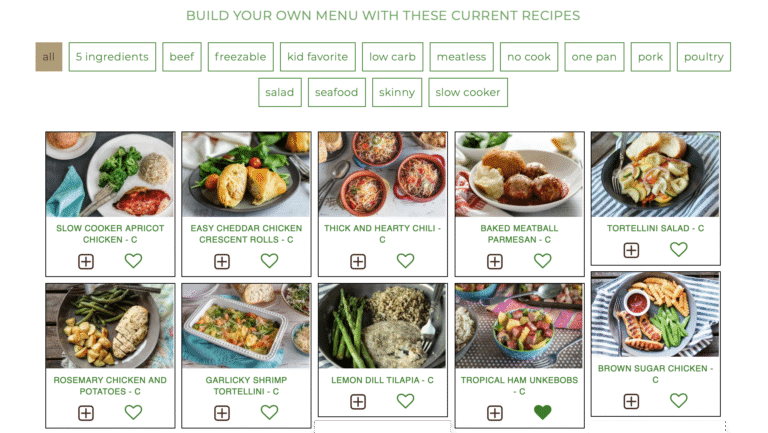
Eating healthy can be challenging, but custom meal plans make it easier. They provide tailored nutrition to meet your unique needs and goals.
Custom meal plans are designed to fit your lifestyle and preferences. Whether you want to lose weight, gain muscle, or just eat healthier, a personalized plan can help. These plans take into account your dietary restrictions, favorite foods, and schedule.
This way, you get meals that you love and that work for you. With custom meal plans, you can enjoy balanced, nutritious meals without the stress of planning. They simplify healthy eating, making it more enjoyable and sustainable. Ready to improve your diet? Custom meal plans can guide you every step of the way.
Introduction To Custom Meal Plans
Custom meal plans cater to your unique dietary needs. They focus on your preferences, health goals, and lifestyle. Unlike generic diets, these plans offer personalized nutrition. This makes them more effective and sustainable.
Importance Of Personalized Nutrition
Personalized nutrition considers your body’s specific needs. Everyone’s metabolism and health conditions differ. A tailored meal plan can address these variations. It helps you meet your nutritional requirements. This approach supports overall well-being.
Customized meal plans also reduce the risk of nutrient deficiencies. They ensure a balanced intake of vitamins and minerals. This is crucial for maintaining good health.
Benefits Of Tailored Meal Plans
Tailored meal plans offer several benefits. They help in managing weight effectively. The plans consider your calorie needs and activity level. This leads to better weight management.
Another benefit is improved digestion. Personalized meals take into account food intolerances and allergies. This reduces digestive issues and promotes gut health.
Custom meal plans also enhance energy levels. They provide the right nutrients at the right time. This keeps your energy steady throughout the day.
Lastly, these plans can improve mental health. Balanced nutrition supports brain function and mood. It can reduce stress and increase focus.
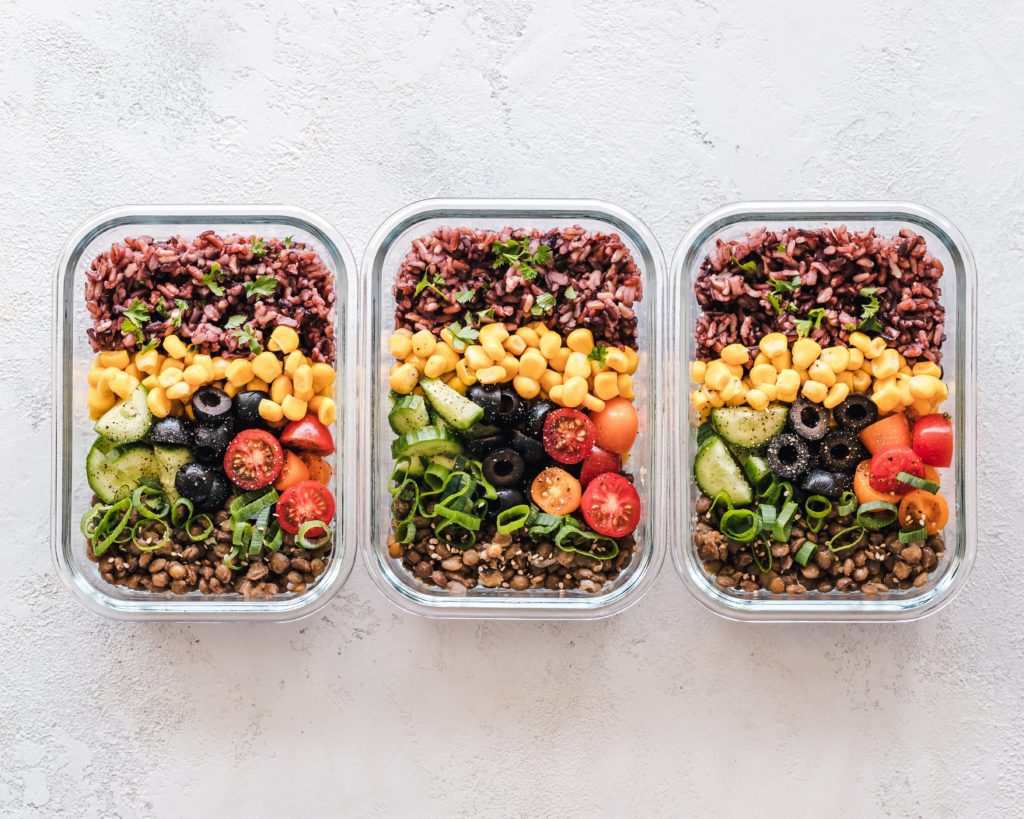
Credit: haleyhugheswellness.com
Assessing Your Nutritional Needs
Creating a custom meal plan starts with understanding your nutritional needs. Everyone’s body is different. This means what works for one person might not work for another. By assessing your nutritional needs, you can create a meal plan that is both effective and enjoyable.
Evaluating Dietary Requirements
To evaluate dietary requirements, you must consider several factors. These include age, weight, gender, and activity level. Each of these factors influences how many calories you need daily.
Age: Younger people often need more calories than older adults.
Weight: Heavier individuals may require more calories to maintain their weight.
Gender: Men generally need more calories than women.
Activity Level: More active people burn more calories.
| Factor | Impact on Caloric Needs |
|---|---|
| Age | Caloric needs decrease with age. |
| Weight | Heavier individuals need more calories. |
| Gender | Men need more calories than women. |
| Activity Level | High activity increases caloric needs. |
Understanding Your Goals
Next, understand your goals. These goals could be weight loss, muscle gain, or maintaining current weight. Each goal requires different nutrient ratios.
- Weight Loss: Focus on reducing calorie intake. Increase protein intake to preserve muscle mass.
- Muscle Gain: Increase calories and protein. This supports muscle growth and repair.
- Maintenance: Balance calorie intake with calories burned. Keep nutrient intake steady.
Tracking progress is also crucial. Use a journal or an app to monitor your intake and make adjustments as needed. This way, you can see what works best for your body.
Remember, a custom meal plan is about what suits you. Assessing your nutritional needs is the first step towards a healthier you.
Dietary Preferences And Restrictions
Custom meal plans are essential for many people. They help manage dietary preferences and restrictions. Whether you have allergies, follow a specific lifestyle, or have unique dietary needs, a custom meal plan can make a big difference. Let’s explore how these plans can cater to your needs.
Accommodating Allergies
Food allergies can be serious. They require careful meal planning. Custom meal plans ensure you avoid allergens. Here are some common allergens:
- Peanuts
- Tree nuts
- Gluten
- Dairy
- Shellfish
Custom plans can exclude these allergens. This keeps you safe and healthy. A professional nutritionist can help design a plan. They understand the importance of avoiding allergens.
Catering To Lifestyle Choices
People choose different diets for various reasons. Some follow a vegan diet. Others prefer a ketogenic diet. Custom meal plans can cater to these choices. Here are some popular lifestyle diets:
| Diet | Description |
|---|---|
| Vegan | No animal products |
| Keto | High-fat, low-carb |
| Paleo | Whole foods, no processed foods |
| Gluten-Free | No gluten-containing grains |
Custom meal plans consider your lifestyle. They provide balanced and nutritious meals. This ensures you get the right nutrients while sticking to your chosen diet.
Custom meal plans also help with portion control. They can prevent overeating. This helps maintain a healthy weight. These plans make your life easier and healthier.

Credit: mcdanielnutrition.com
Creating A Balanced Meal Plan
Creating a balanced meal plan tailored to your needs ensures proper nutrition. Custom meal plans help you achieve health goals effortlessly. Enjoy a varied diet that suits your lifestyle.
Creating a balanced meal plan is essential for maintaining good health. It ensures that your body gets all the nutrients it needs. A well-balanced meal plan can help you feel energized and focused. It also supports your overall well-being.Macronutrient Distribution
Macronutrients are proteins, fats, and carbohydrates. Each plays a vital role in your diet. Proteins help build and repair tissues. Sources include meat, beans, and dairy. Fats are necessary for energy and cell function. Healthy fats can be found in avocados, nuts, and olive oil. Carbohydrates are your body’s main energy source. Opt for whole grains, fruits, and vegetables. A balanced meal plan includes all three macronutrients in the right amounts.Incorporating Micronutrients
Micronutrients are vitamins and minerals. They are crucial for overall health. Vitamins like A, C, and D support your immune system. Minerals such as calcium and iron strengthen bones and blood. Include a variety of colorful fruits and vegetables. These foods are rich in essential vitamins and minerals. Whole grains and lean proteins also provide important nutrients. Aim to consume a wide range of foods for a well-rounded diet. Creating a balanced meal plan with proper macronutrient distribution and micronutrients can improve your health. It supports your body in many ways, ensuring you feel your best every day.Meal Planning For Weight Management
Custom meal plans can help achieve weight management goals. Whether aiming for weight loss or gain, a tailored meal plan can provide guidance and structure. This makes it easier to stick to your nutritional objectives.
Strategies For Weight Loss
Weight loss meal plans should focus on creating a calorie deficit. This means consuming fewer calories than your body burns. Choose foods that are low in calories but high in nutrients.
- Include more vegetables and fruits.
- Opt for lean proteins like chicken, fish, and beans.
- Avoid sugary drinks and snacks.
- Eat smaller, more frequent meals to avoid hunger pangs.
| Food Group | Low-Calorie Options |
|---|---|
| Vegetables | Spinach, Broccoli, Carrots |
| Fruits | Apples, Berries, Oranges |
| Proteins | Grilled Chicken, Tofu, Fish |
Tips For Weight Gain
Weight gain meal plans should focus on a calorie surplus. This means consuming more calories than your body burns. Choose nutrient-dense foods to ensure you gain weight in a healthy manner.
- Eat more healthy fats like avocados and nuts.
- Include protein-rich foods in every meal.
- Drink high-calorie smoothies with fruits and protein powder.
- Snack on nuts, cheese, and whole-grain crackers.
| Food Group | High-Calorie Options |
|---|---|
| Fats | Avocados, Nuts, Olive Oil |
| Proteins | Red Meat, Eggs, Dairy |
| Carbohydrates | Whole Grains, Sweet Potatoes, Quinoa |

Credit: teamnutrition.ca
Sustainable And Enjoyable Eating
Creating a custom meal plan that is both sustainable and enjoyable can seem challenging. Balancing nutrition with personal preferences is key. By focusing on favorite foods and avoiding diet fatigue, you can maintain a healthy and satisfying diet.
Incorporating Favorite Foods
A custom meal plan should include your favorite foods. This makes it easier to stick to your diet. Allowing yourself to enjoy what you love helps maintain a positive relationship with food.
Consider these tips to incorporate favorite foods:
- Include a variety of foods from each food group.
- Allow occasional treats to avoid feeling deprived.
- Modify recipes to make them healthier.
Avoiding Diet Fatigue
Diet fatigue happens when meals become boring or repetitive. This can lead to frustration and giving up on your diet. Custom meal plans help avoid this by adding variety and excitement.
Here are some ways to prevent diet fatigue:
- Rotate different recipes each week.
- Try new cooking methods and ingredients.
- Plan meals with different textures and flavors.
By following these strategies, you can create a meal plan that is both sustainable and enjoyable. This approach supports long-term health and happiness.
Meal Prep And Cooking Tips
Creating custom meal plans can be a life-changer for those seeking healthier eating habits. This section will offer Meal Prep and Cooking Tips to make your journey easier and more enjoyable.
Efficient Grocery Shopping
Start with a detailed list. A well-organized list saves you time and money. Categorize items by sections like fruits, vegetables, meats, and dairy. This method speeds up your trip.
- Check sales and discounts: Look for deals on items you need.
- Buy in bulk: Stock up on non-perishables and freezer-friendly foods.
- Choose seasonal produce: They are fresher and often cheaper.
Time-saving Cooking Techniques
Efficient cooking methods can save hours in the kitchen. Here are some techniques to help:
- Batch cooking: Prepare large quantities and store them in the fridge or freezer.
- Use a slow cooker: Set it up in the morning, and dinner will be ready by evening.
- Instant Pot: This versatile tool can cook meals quickly.
- Pre-chop ingredients: Cut vegetables and fruits in advance.
Consider setting aside a specific day for meal prep. This practice allows you to have ready-to-eat meals throughout the week.
Tracking Progress And Adjustments
Creating a custom meal plan is the first step towards reaching your health goals. But to ensure success, you must track your progress and make necessary adjustments. This process helps you stay on track and achieve desired results. Let’s explore how to monitor health indicators and adapt your meal plan accordingly.
Monitoring Health Indicators
Keeping an eye on health indicators is crucial. These indicators help you understand how your body responds to your meal plan. Here are some key health indicators to monitor:
- Weight: Regularly check your weight to track changes.
- Body Measurements: Measure your waist, hips, and other areas.
- Energy Levels: Note any changes in your daily energy levels.
- Sleep Quality: Track how well you sleep each night.
- Digestion: Observe any digestive changes or issues.
Recording these indicators helps you see patterns and make informed decisions. Use a journal or app to log your data for easy reference.
Adapting Your Meal Plan
Based on your health indicators, you may need to adjust your meal plan. Here are some tips for making effective changes:
- Evaluate Your Goals: Make sure your goals are realistic and attainable.
- Consult a Professional: Seek advice from a nutritionist or dietitian.
- Adjust Portions: Modify portion sizes to better fit your needs.
- Incorporate Variety: Add different foods to avoid monotony.
- Monitor Nutrient Intake: Ensure you get all essential nutrients.
Making these adjustments keeps your meal plan effective and enjoyable. Regularly revisiting your plan ensures it aligns with your changing needs.
Leveraging Technology And Resources
Embracing technology and resources can make custom meal planning easier. With the right tools, you can create plans tailored to your needs. This section explores how technology and resources can enhance your meal planning experience.
Using Apps And Tools
There are many apps designed for meal planning. These apps can help you track your nutrition and plan your meals. Some popular options include:
- MyFitnessPal: Tracks calories and nutrients. Offers recipes and meal plans.
- Yummly: Provides personalized recipes based on your preferences.
- Mealime: Creates meal plans and grocery lists. Simple interface.
These apps often have user-friendly interfaces. They can save time and make planning less stressful.
Seeking Professional Guidance
Consulting a nutritionist or dietitian can be very helpful. Professionals can provide personalized advice. They can create meal plans that meet your specific needs.
Consider these benefits:
- Expert Advice: Professionals have the knowledge to guide you.
- Personalized Plans: They can tailor plans to your health goals.
- Ongoing Support: Regular check-ins can keep you on track.
This approach can ensure you get a balanced and healthy diet.
Conclusion And Next Steps
Creating a custom meal plan can transform your health journey. You tailor it to your needs. But what happens after you start? Let’s explore how to keep the momentum going.
Maintaining Long-term Success
Consistency is key for long-term success. Stick to your plan. Make small, gradual changes if needed. This helps avoid burnout. Track your progress regularly. Adjust your meals based on what works and what doesn’t. Stay flexible.
Keep a food journal. Document what you eat. Note how you feel. This can reveal patterns. Identify foods that energize you. Avoid those that don’t. Regularly review your goals. Make sure they align with your current needs.
Staying Motivated
Staying motivated can be challenging. Set small, achievable goals. Celebrate each milestone. This keeps you engaged. Join a community. Share your journey. Get support and encouragement. It makes a difference.
Variety keeps things interesting. Try new recipes. Experiment with different ingredients. This prevents boredom. Reward yourself for sticking to your plan. It doesn’t have to be food-related. Treat yourself to something special. It keeps you motivated.
Frequently Asked Questions
What Are Custom Meal Plans?
Custom meal plans are personalized diets designed to meet your specific nutritional needs and preferences.
How Do Custom Meal Plans Work?
Custom meal plans work by tailoring meals to your health goals, dietary restrictions, and taste preferences.
Are Custom Meal Plans Effective?
Yes, custom meal plans are effective because they provide tailored nutrition, improving adherence and results.
Who Can Benefit From Custom Meal Plans?
Anyone can benefit from custom meal plans, including those with specific health goals or dietary restrictions.
Conclusion
Creating custom meal plans simplifies healthy eating. They cater to unique preferences. Easy to follow, they ensure balanced nutrition. Personalized plans help achieve wellness goals. Enjoy diverse, delicious meals daily. Start your journey toward better health today.