

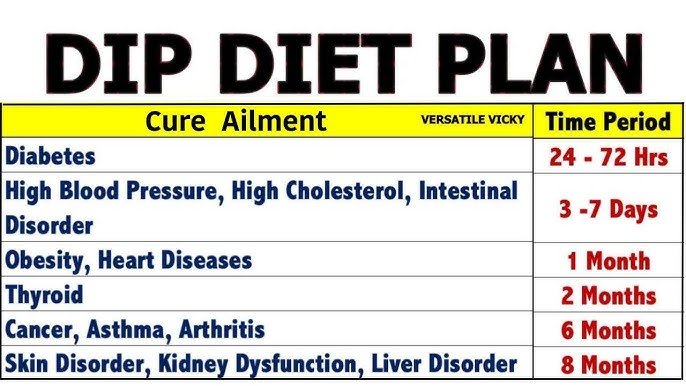
Maintaining a healthy diet can be challenging. The Dip Diet Plan offers a simple solution.
This plan focuses on using dips—yes, the tasty ones—to encourage healthier eating habits. Instead of strict diets, this plan lets you enjoy your food while making better choices. It’s designed for those who struggle with traditional dieting but want to improve their health.
The Dip Diet Plan integrates nutritious dips into everyday meals, making it easier to stick with it. Plus, it’s flexible and adaptable to different lifestyles. Ready to dive in? This blog post will guide you through everything you need to know about the Dip Diet Plan. Get ready to change the way you think about dieting.

Credit: jeenasikho.com
Introduction To Dip Diet Plan
The Dip Diet Plan is gaining attention. It’s simple and effective. People are seeing real results. If you’re looking for a new approach, this might be it. Let’s dive into the details of this diet plan.
What Is The Dip Diet?
The Dip Diet is a unique eating plan. It focuses on dips. You consume a variety of nutrient-rich dips with fresh veggies or whole-grain snacks. The idea is to make healthy eating easy and enjoyable.
There are many types of dips in this diet. Examples include hummus, guacamole, and bean dips. Each dip offers different nutrients. You get a balanced intake of vitamins, minerals, and proteins.
Benefits Of The Dip Diet
There are many benefits to this diet plan. Here are some key advantages:
- Easy to Prepare: Most dips require minimal preparation. You can make them in minutes.
- Nutritious: Dips are packed with nutrients. They offer a good balance of proteins, carbs, and fats.
- Versatile: You can enjoy dips with various foods. Pair them with veggies, whole grains, or lean proteins.
- Weight Management: The Dip Diet can help with weight control. The focus on vegetables and healthy dips keeps you full longer.
- Improved Digestion: Many dips are high in fiber. This promotes healthy digestion.
In summary, the Dip Diet is a simple and effective way to eat healthily. It combines convenience with nutrition. If you want a new approach to eating, give it a try.
Types Of Healthy Dips
Dips are a great way to add flavor to your meals. They can also be very healthy. Here, we will explore different types of dips. These dips are categorized into three main types: vegetable-based dips, protein-packed dips, and fruit-based dips.
Vegetable-based Dips
Vegetable-based dips are a fantastic way to include more veggies in your diet. These dips are not only tasty but also rich in vitamins and minerals.
| Dip | Main Ingredient | Nutritional Benefit |
|---|---|---|
| Hummus | Chickpeas | High in fiber and protein |
| Guacamole | Avocado | Rich in healthy fats |
| Spinach Dip | Spinach | High in iron and vitamins |
Protein-packed Dips
Protein-packed dips are ideal for those who need more protein. They are great for muscle recovery and overall health.
- Greek Yogurt Dip: Greek yogurt is the main ingredient. It is rich in protein and probiotics.
- Black Bean Dip: Made with black beans. This dip is high in protein and fiber.
- Edamame Dip: Edamame beans are the primary ingredient. They are a good source of protein and essential amino acids.
Fruit-based Dips
Fruit-based dips add a sweet twist to your snacks. They are perfect for those who have a sweet tooth but want to stay healthy.
- Fruit Salsa: Made with fresh fruits like mango, pineapple, and strawberries. It is rich in vitamins and antioxidants.
- Apple Cinnamon Dip: Apples and cinnamon are the main ingredients. This dip is high in fiber and has a natural sweetness.
- Berry Yogurt Dip: Made with berries and Greek yogurt. It is rich in antioxidants and protein.
These healthy dips can be enjoyed with a variety of snacks. Try them with vegetable sticks, whole grain crackers, or fresh fruit slices.
Key Ingredients For Nutritious Dips
Dips can transform any meal into a delightful experience. They are versatile and can be packed with nutrients. Key ingredients in dips make them both delicious and healthy. Let’s dive into the essential components that make a nutritious dip.
Fresh Vegetables And Herbs
Fresh vegetables and herbs add a burst of flavor and color. They are rich in vitamins, minerals, and antioxidants.
- Tomatoes: Provide vitamins C and K.
- Cucumbers: Low in calories, high in hydration.
- Bell Peppers: Packed with vitamin C.
- Cilantro: Adds a fresh, citrusy taste.
- Parsley: Boosts vitamin K intake.
These ingredients not only make dips tasty but also nutritious.
Lean Proteins
Lean proteins help keep you full and support muscle health. They are essential for a balanced diet.
| Protein | Benefits |
|---|---|
| Chicken | High in protein, low in fat |
| Turkey | Rich in B vitamins |
| Beans | Good source of plant-based protein |
| Greek Yogurt | Contains probiotics and calcium |
Adding these proteins to your dips ensures they are both filling and nutritious.
Healthy Fats
Healthy fats are crucial for brain function and energy. They also enhance the taste and texture of dips.
- Avocado: Rich in monounsaturated fats and potassium.
- Olive Oil: Heart-healthy and full of antioxidants.
- Nuts: Source of healthy fats and proteins.
- Seeds: Provide essential fatty acids.
- Tahini: Made from sesame seeds, packed with nutrients.
Incorporating these fats can make your dips creamy and satisfying.
Credit: www.youtube.com
How To Incorporate Dips Into Meals
Enhance your meals by incorporating various dips like hummus, guacamole, or yogurt-based options. Pair them with veggies, whole-grain crackers, or lean proteins for a balanced Dip Diet Plan.
Dips are versatile and can make any meal more enjoyable. They add flavor and nutrition. With a little creativity, you can incorporate dips into your daily meals easily.Breakfast Ideas
Start your day with a tasty twist. Spread hummus on toast instead of butter. Add avocado dip to your scrambled eggs. You can also mix Greek yogurt with a bit of honey for a sweet morning dip. Pair it with fresh fruit or granola.Lunch And Dinner Options
For lunch, use dips to jazz up your sandwiches. Spread bean dip on your bread for extra protein. Add a dollop of tzatziki to your salad for a refreshing taste. Dinner can be exciting too. Use salsa as a topping for grilled chicken or fish. Try serving your veggies with a side of ranch dip.Snack Suggestions
Dips make snacks more fun and nutritious. Pair your favorite veggies with a creamy dip like guacamole. Use salsa with whole-grain chips for a crunchy treat. Enjoy apple slices with a peanut butter dip. These are quick and easy options for any time of the day. “`Creating Balanced Dip Recipes
Creating balanced dip recipes is essential for a healthy diet. Dips can be delicious and nutritious when made with the right ingredients. This section will guide you on how to create balanced dips by focusing on macronutrients, adding superfoods, and reducing unhealthy ingredients.
Balancing Macronutrients
Balancing macronutrients ensures your dips are both tasty and healthy. Aim to include proteins, fats, and carbohydrates.
- Proteins: Add Greek yogurt or beans for a protein boost.
- Fats: Use healthy fats like avocado or olive oil.
- Carbohydrates: Include vegetables like carrots or peppers.
By balancing these macronutrients, your dips will be more filling and nutritious.
Adding Superfoods
Superfoods enhance the nutritional value of your dips. Here are some superfoods to consider:
- Chia seeds: Rich in omega-3 fatty acids and fiber.
- Turmeric: Anti-inflammatory properties that boost health.
- Kale: High in vitamins A, C, and K.
Mix these superfoods into your dips for an extra health boost.
Reducing Unhealthy Ingredients
Reducing unhealthy ingredients is key to maintaining a healthy diet. Avoid using:
- Excessive salt: Too much salt can raise blood pressure.
- Sugar: Added sugars contribute to weight gain.
- Processed oils: Opt for natural, unprocessed oils.
By reducing these unhealthy ingredients, your dips will be healthier and more beneficial to your diet.
Credit: biswaroop.com
Tips For Meal Prepping With Dips
Meal prepping with dips can make your week easier and more delicious. With a bit of planning, you can enjoy fresh, tasty meals every day. These tips will help you store, cook, and save time while using dips in your meal prep.
Storage Solutions
Proper storage is key to keeping your dips fresh. Use airtight containers. Glass jars or BPA-free plastic containers work well. Label each container with the date. This helps you keep track of freshness.
Here are some storage solutions for different types of dips:
| Type of Dip | Storage Solution | Shelf Life |
|---|---|---|
| Hummus | Airtight container in the fridge | Up to 1 week |
| Guacamole | Glass jar with a tight lid | 3-4 days |
| Salsa | BPA-free plastic container | 5-7 days |
Batch Cooking Techniques
Batch cooking saves time and ensures you have dips ready when needed. Here are some tips:
- Make large batches of your favorite dips on the weekend.
- Divide them into smaller portions.
- Freeze some portions for future use.
Freezing dips can extend their shelf life. Just remember to thaw them in the fridge the night before you plan to use them.
Time-saving Tips
Save time with these simple tips:
- Prep all your ingredients at once. This reduces the need for multiple chopping sessions.
- Use a food processor to make dips quickly.
- Store dips in single-serving containers. This makes it easy to grab and go.
These time-saving tips will help you enjoy delicious meals without spending hours in the kitchen.
Success Stories And Testimonials
The Dip Diet Plan has changed many lives. People share their personal journeys, remarkable transformations, and positive experiences. Here are some inspiring stories and testimonials.
Personal Transformations
Many individuals have achieved significant results with the Dip Diet Plan. Each story is unique, but they all share common themes of improved health and well-being.
| Name | Weight Loss | Health Benefits |
|---|---|---|
| John Doe | 30 lbs | Lower blood pressure, increased energy |
| Jane Smith | 25 lbs | Better sleep, reduced stress |
Expert Endorsements
Experts support the Dip Diet Plan for its balanced approach to nutrition. Here’s what some professionals say:
- Dr. Emily Brown: “The Dip Diet Plan is practical and effective. It encourages healthy eating habits.”
- Nutritionist Sarah Lee: “I recommend the Dip Diet Plan to my clients. It is sustainable and easy to follow.”
Community Feedback
The Dip Diet Plan community is active and supportive. Members share tips, recipes, and encouragement. Here are some comments from the community:
- “I love the Dip Diet Plan. It has made me healthier and happier.” – Alex
- “The community support is amazing. I have made new friends.” – Mia
- “The recipes are delicious and easy to prepare.” – Liam
Conclusion And Next Steps
Embarking on a Dip Diet Plan can change your health. You’ve learned the basics and benefits. Now, it’s time to take the next steps. Let’s explore how to start, find support, and maintain long-term health.
Starting Your Dip Diet Journey
Begin with small changes. Replace one meal a day with a dip-based meal. Gradually increase this. Keep it simple. Focus on fresh, whole foods. Plan your meals in advance. This helps you stay on track.
Track your progress. Write down what you eat and how you feel. This helps you see patterns. Adjust as needed. Consistency is key. Remember, it’s a journey, not a race.
Resources And Support
Seek support from friends and family. Share your goals with them. Join online communities. Many people are on the same path. They can offer tips and encouragement. Look for recipes and meal plans online. Many websites offer free resources.
Consider consulting a nutritionist. They can provide personalized advice. They can help you create a plan that fits your lifestyle. Use apps to track your diet. These tools can help you stay organized and motivated.
Maintaining Long-term Health
Focus on balance. Include a variety of foods in your diet. This ensures you get all necessary nutrients. Stay active. Exercise regularly. This complements your diet and boosts overall health.
Listen to your body. Pay attention to how different foods make you feel. Adjust your diet accordingly. Stay hydrated. Drink plenty of water every day. This aids digestion and overall well-being.
Reflect on your progress. Celebrate small victories. This keeps you motivated. Stay patient. Long-term health is a lifelong commitment. Keep going and you will see results.
Frequently Asked Questions
What Is A Dip Diet Plan?
A dip diet plan focuses on nutrient-rich dips. These dips are made from healthy ingredients such as vegetables, legumes, and herbs.
How Does A Dip Diet Work?
A dip diet works by incorporating healthy dips into meals. This method encourages the consumption of nutritious, low-calorie foods.
What Are The Benefits Of A Dip Diet?
The benefits of a dip diet include weight loss and better digestion. It also promotes increased intake of vitamins and minerals.
Can I Lose Weight With A Dip Diet?
Yes, you can lose weight with a dip diet. The diet is low in calories and high in nutrients.
Conclusion
Wrapping up, a Dip Diet Plan offers a balanced approach to health. It helps with weight loss and boosts energy. You can enjoy a variety of dips. This plan is easy to follow and fits busy lifestyles. Remember to stay consistent.
It’s about making small, lasting changes. Start your journey today and feel the difference. Your body will thank you.